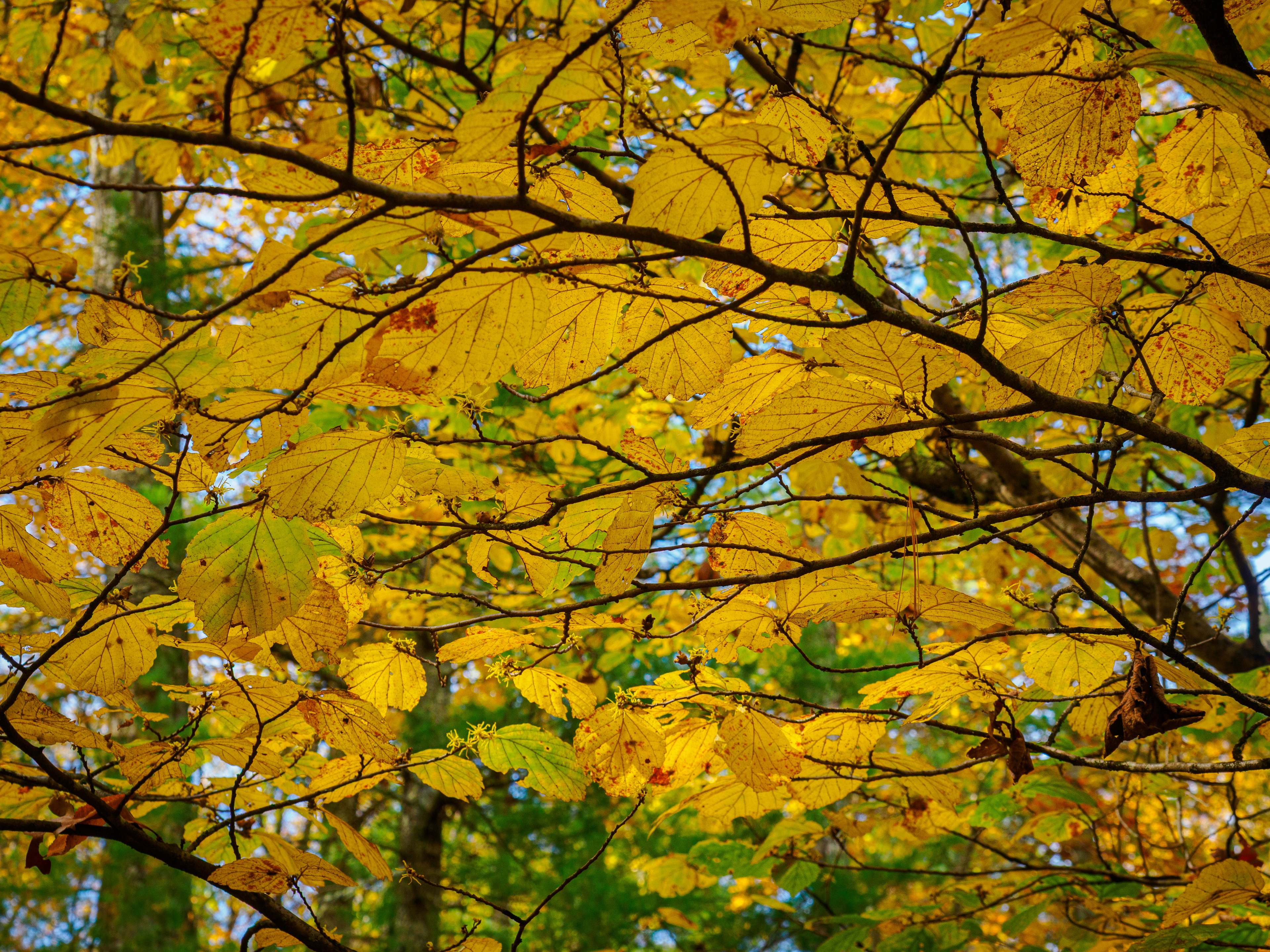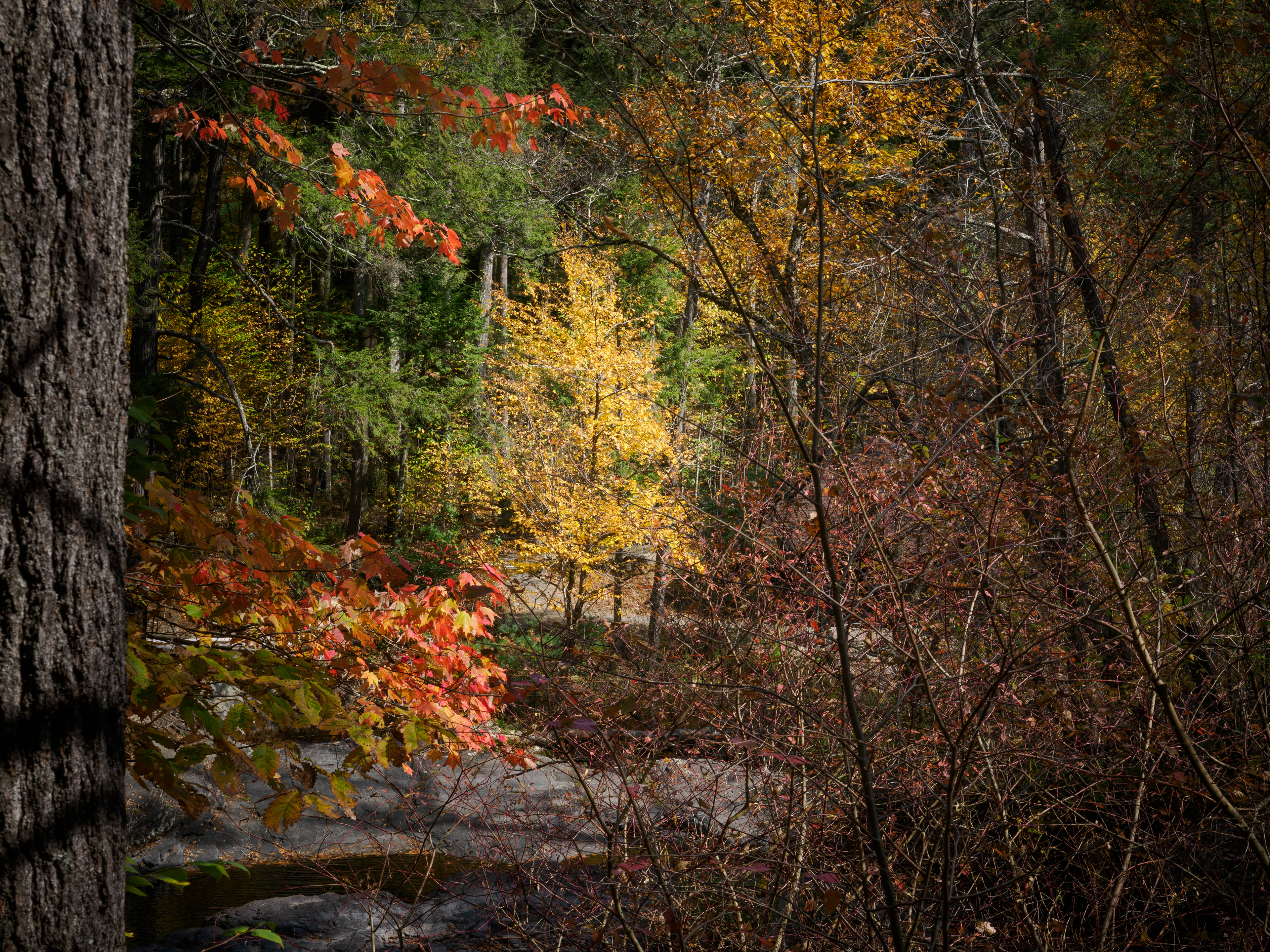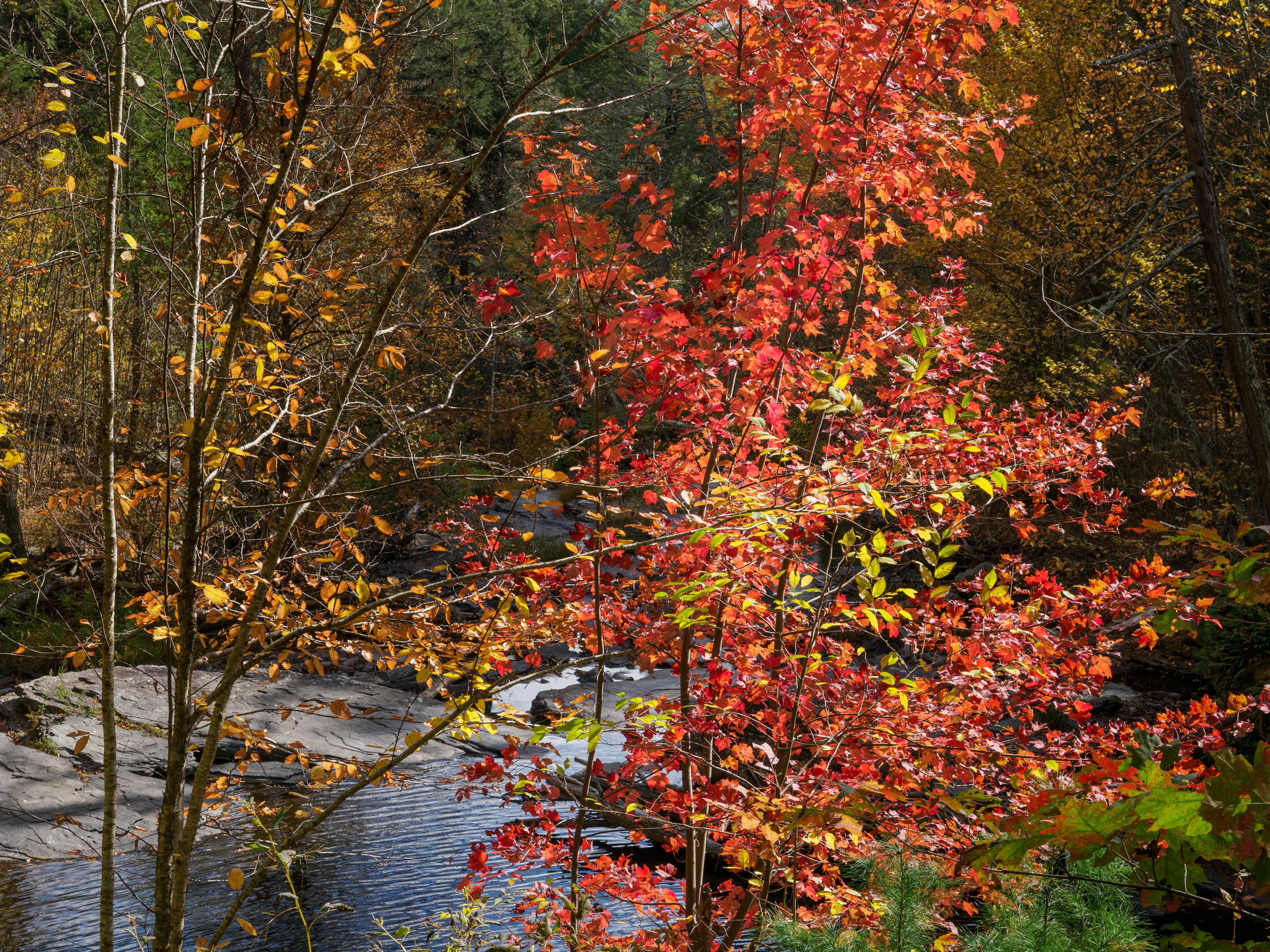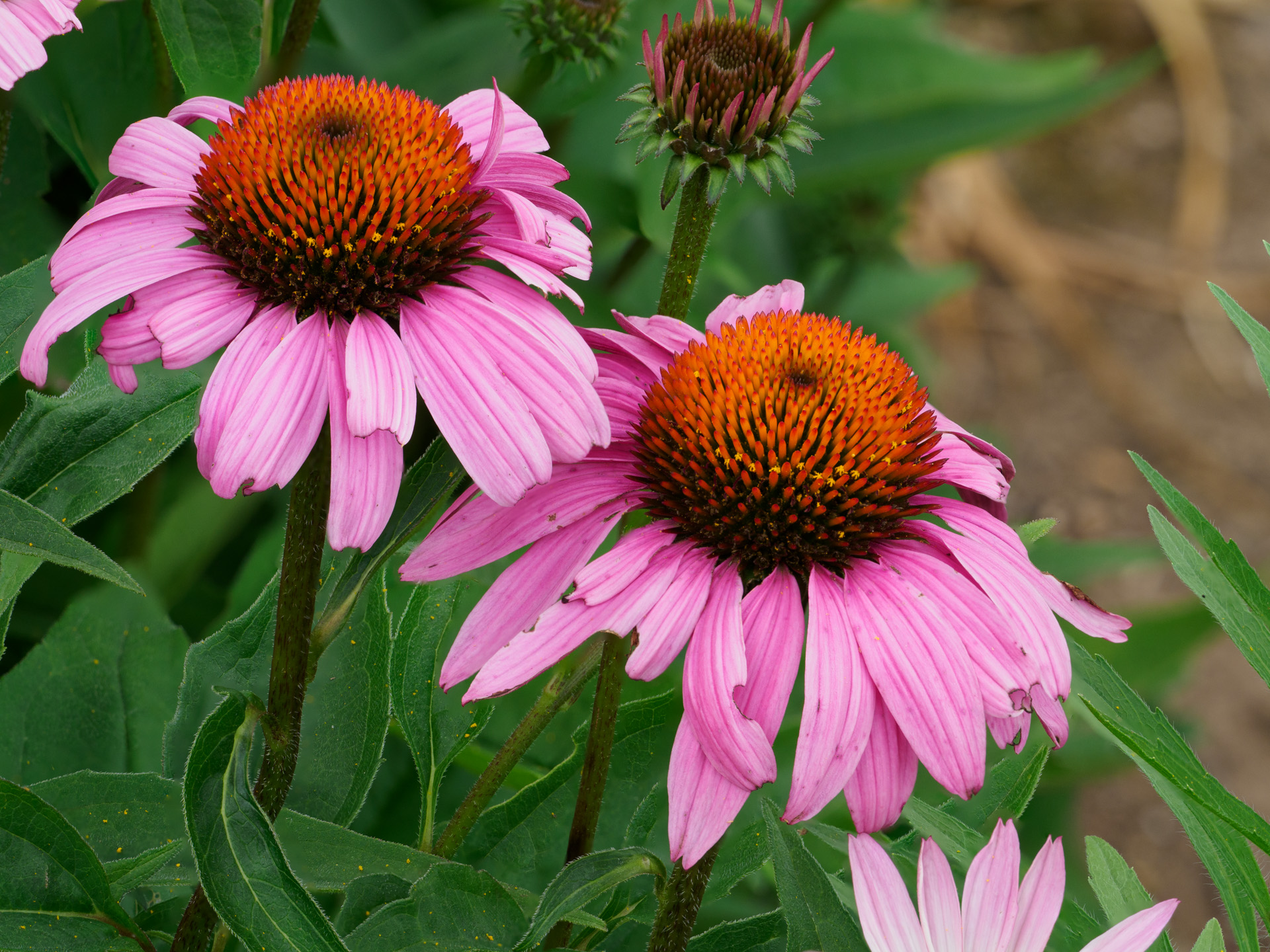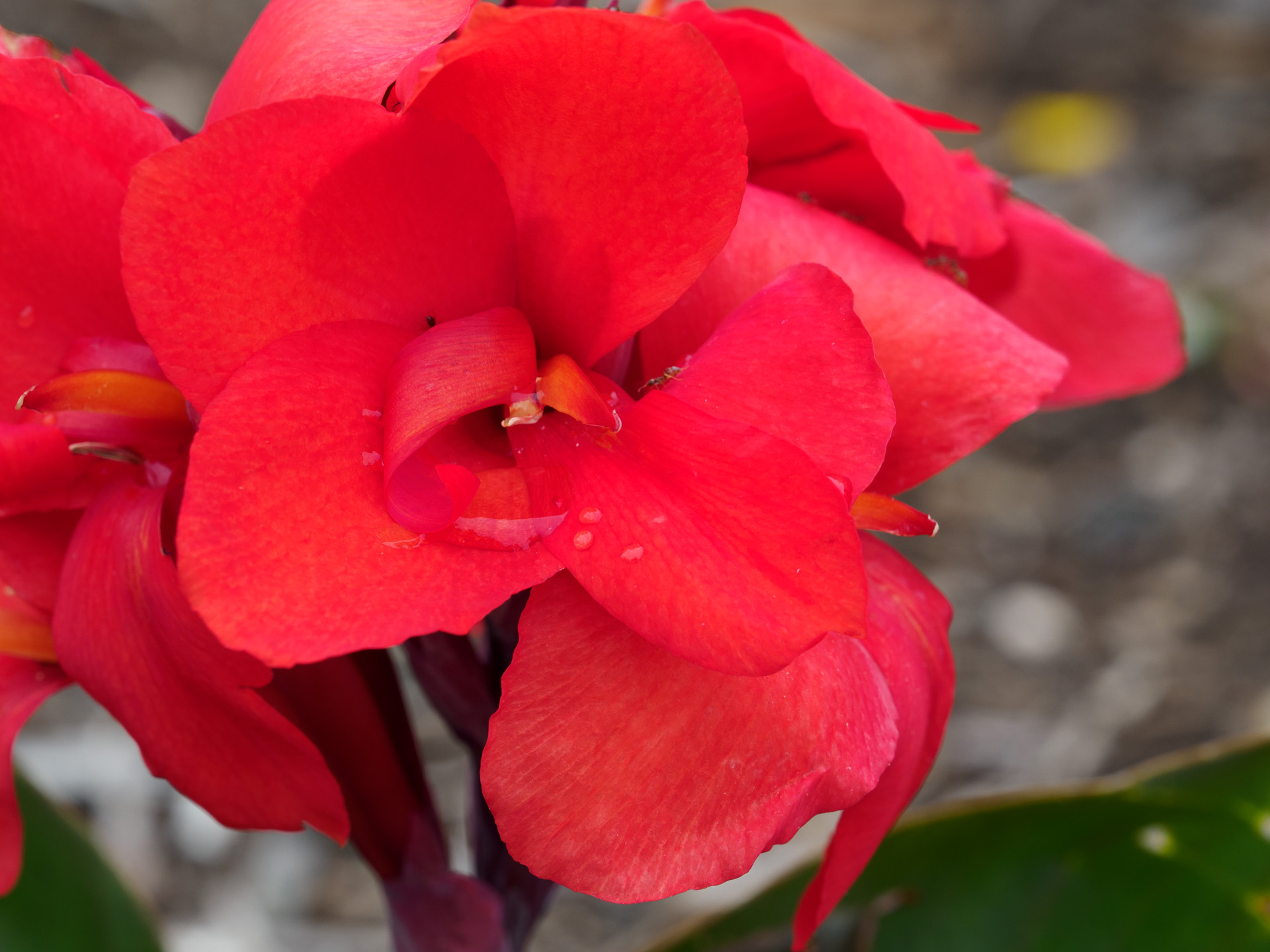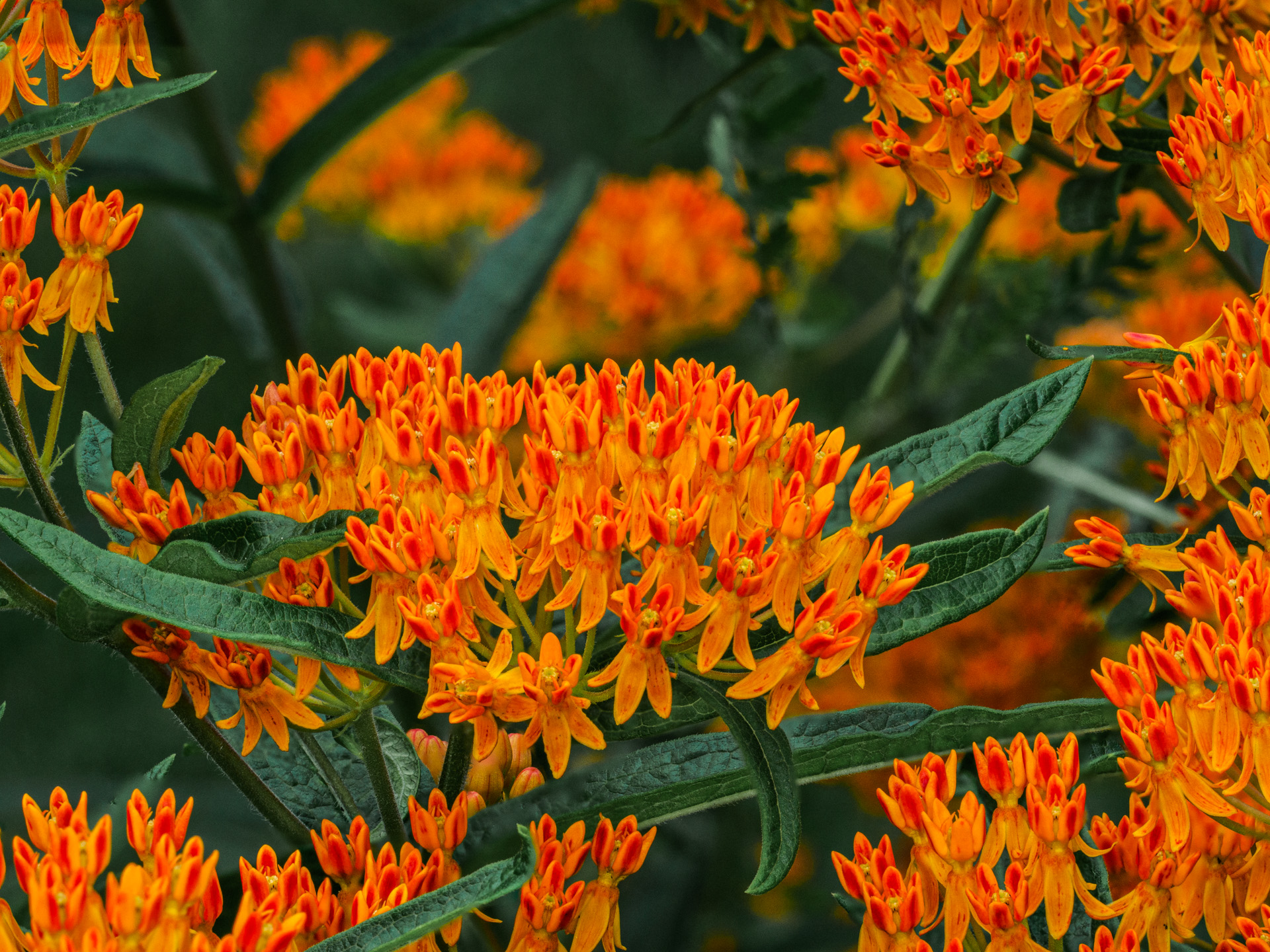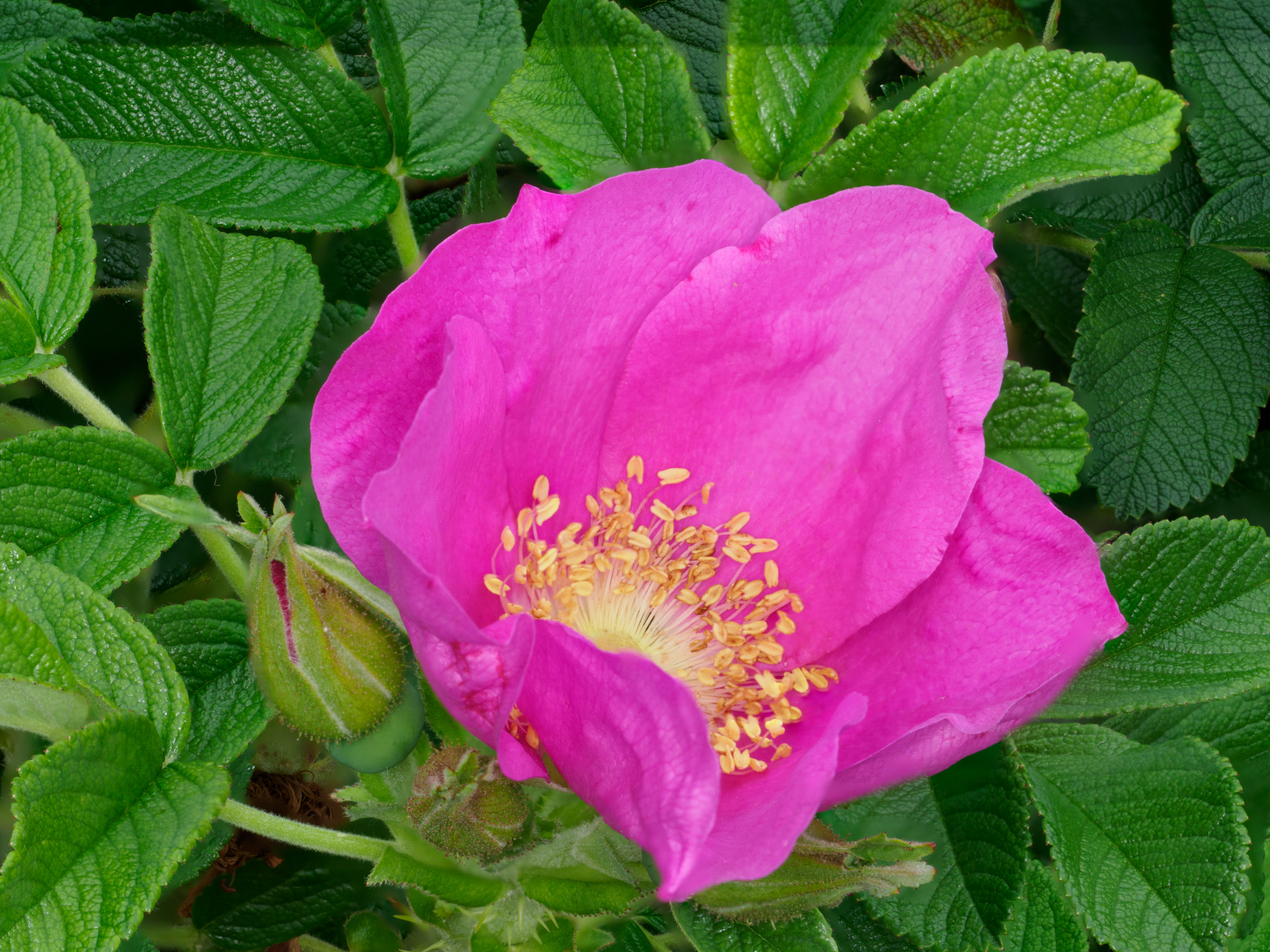
Hugh Moore Park

Hugh Moore Park

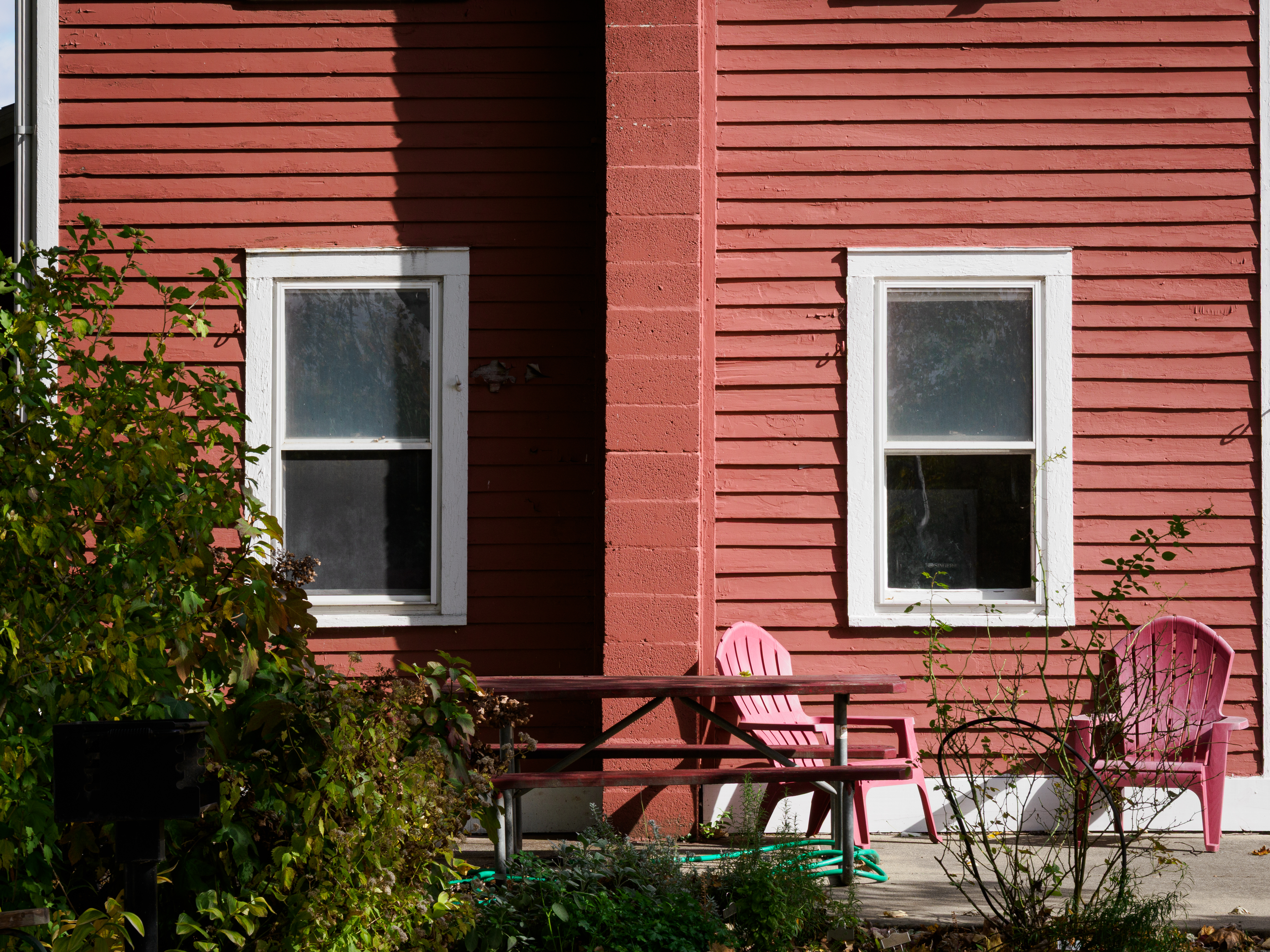
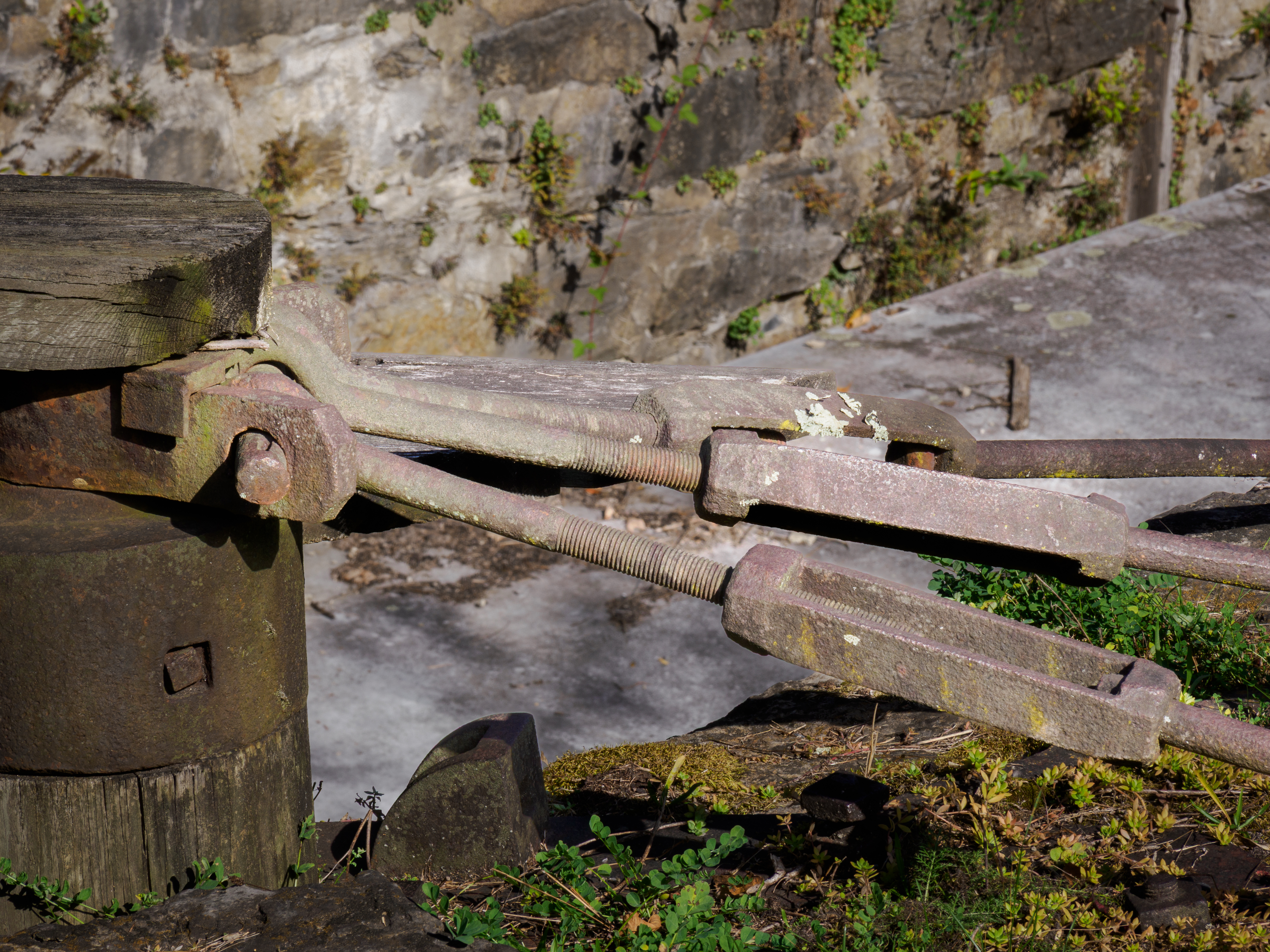
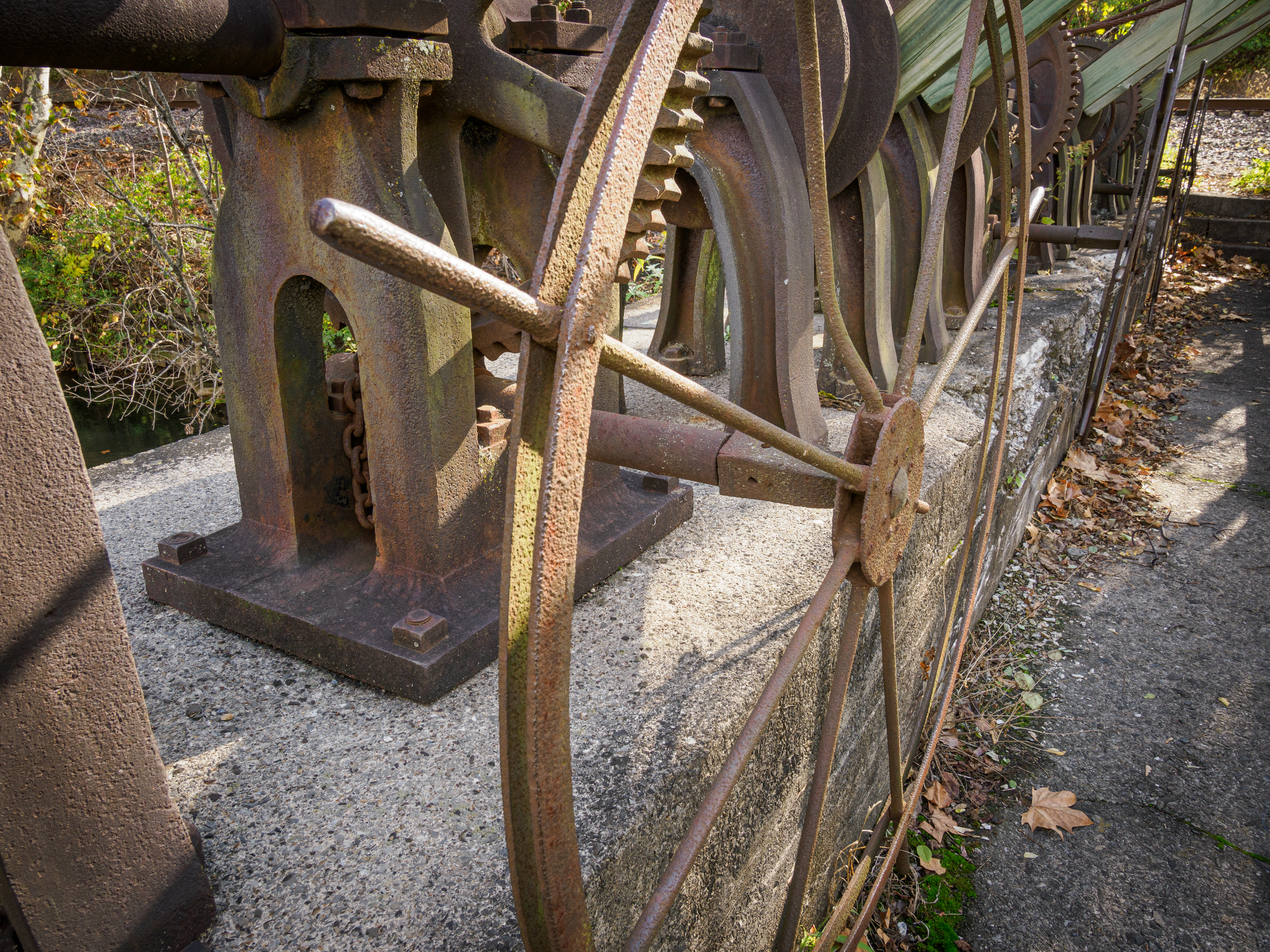
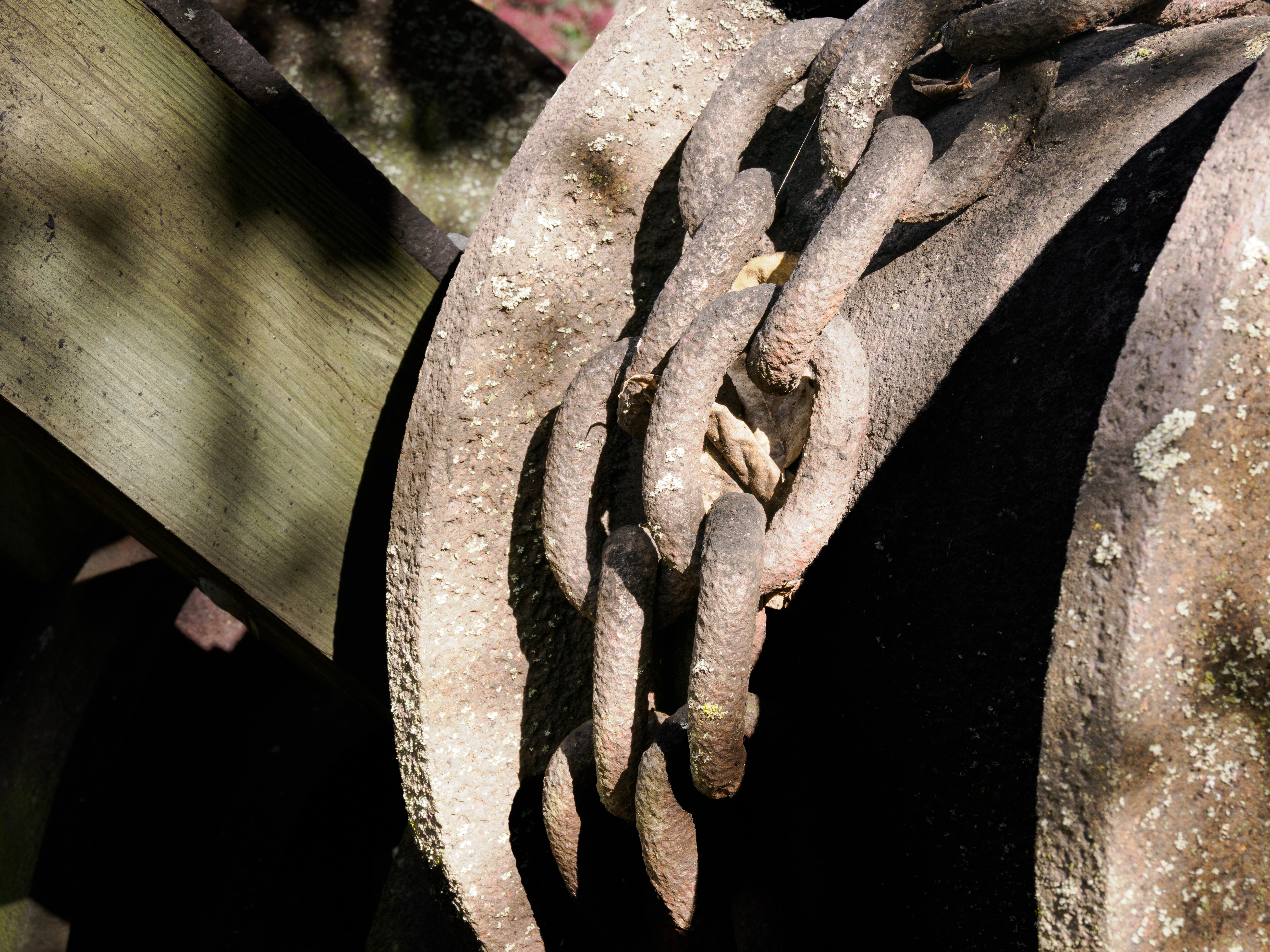
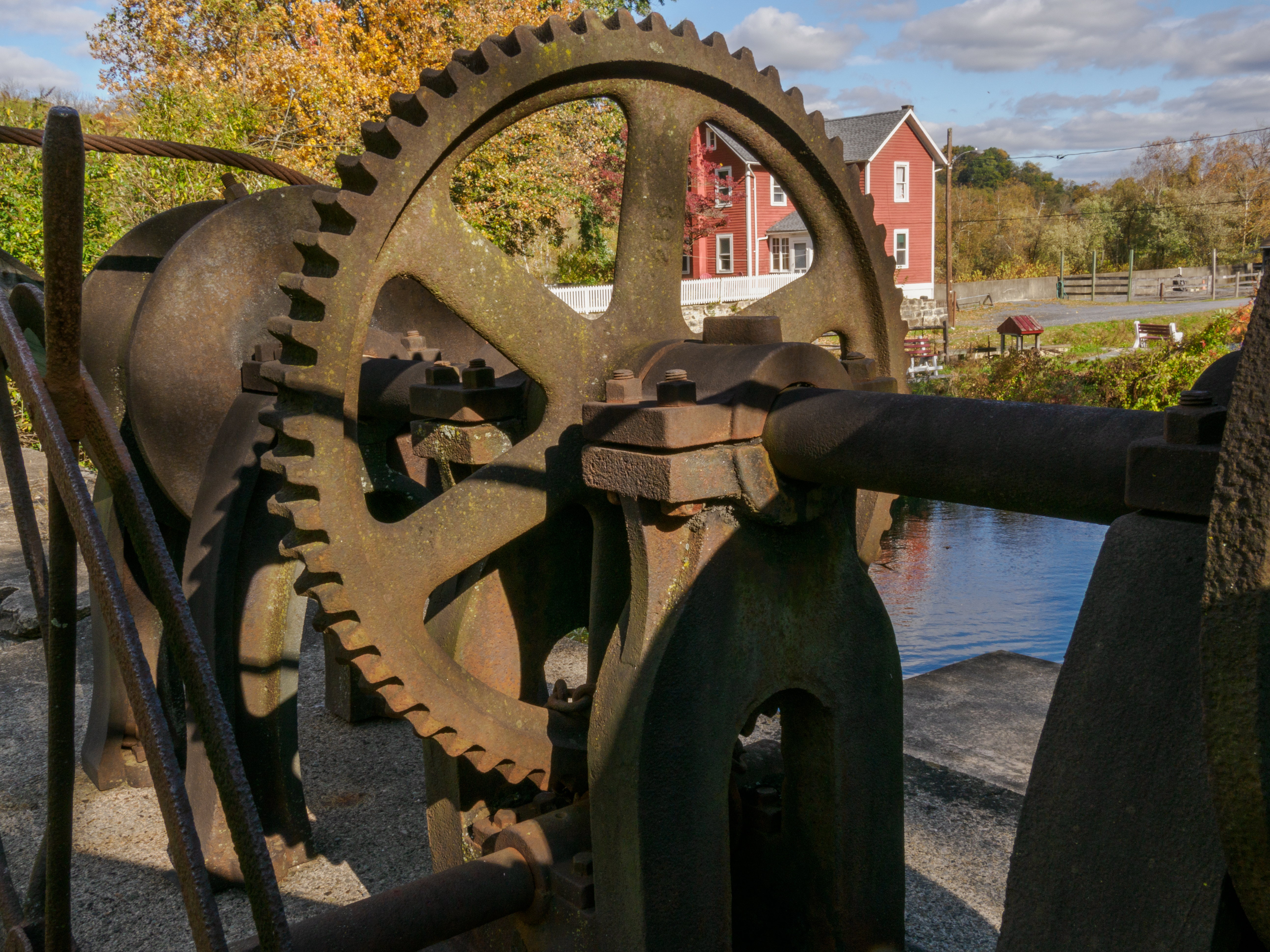
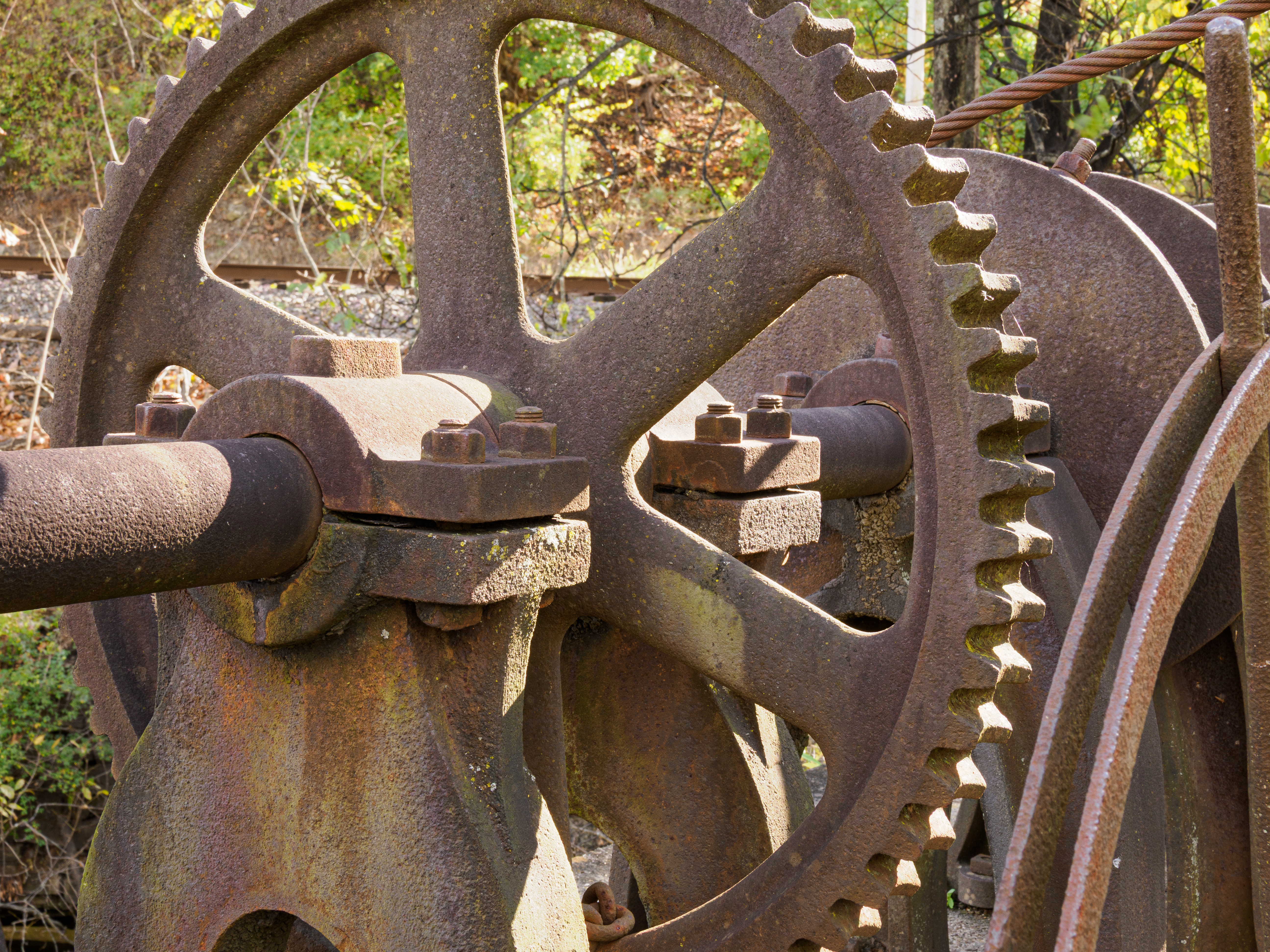
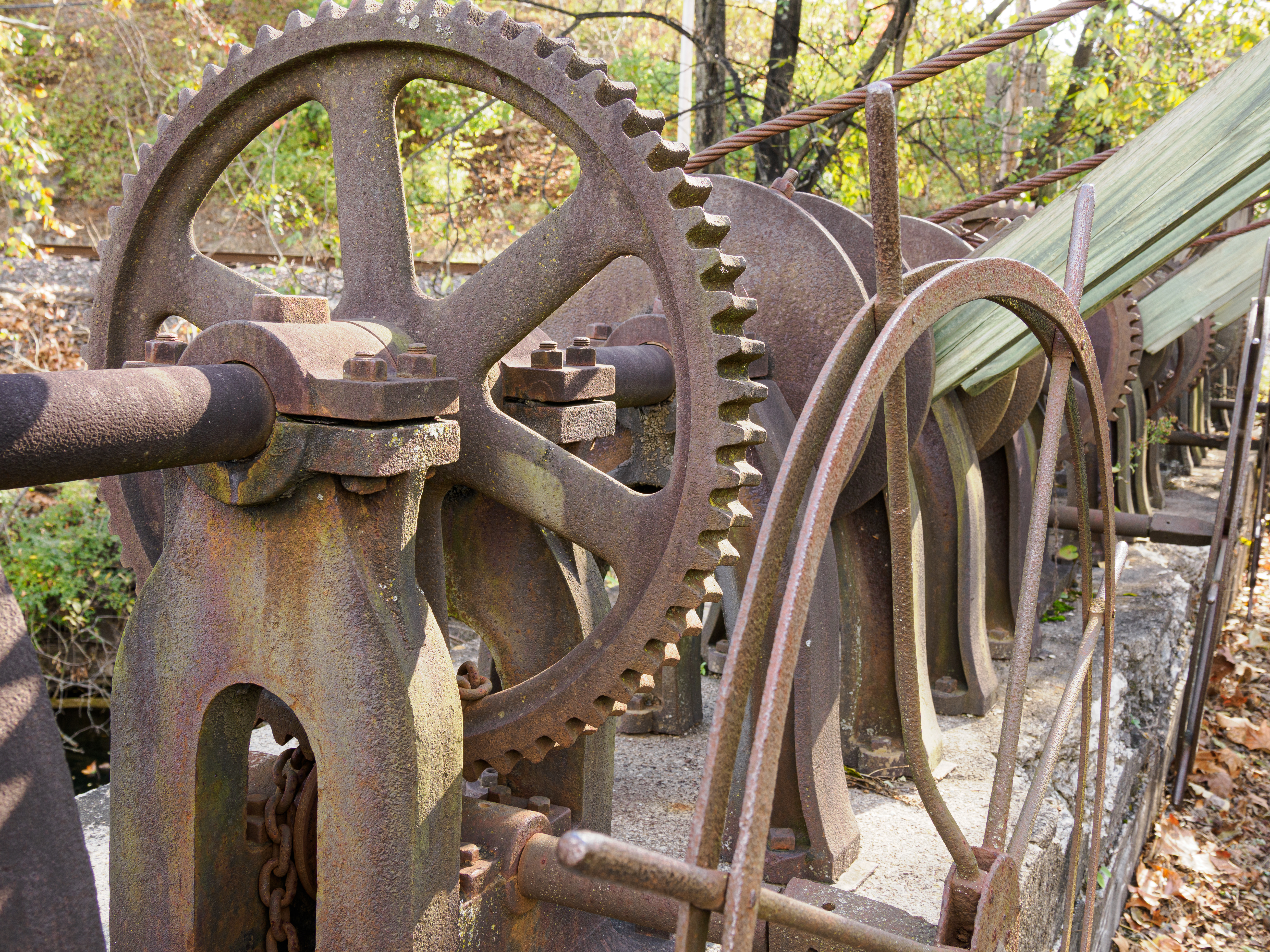
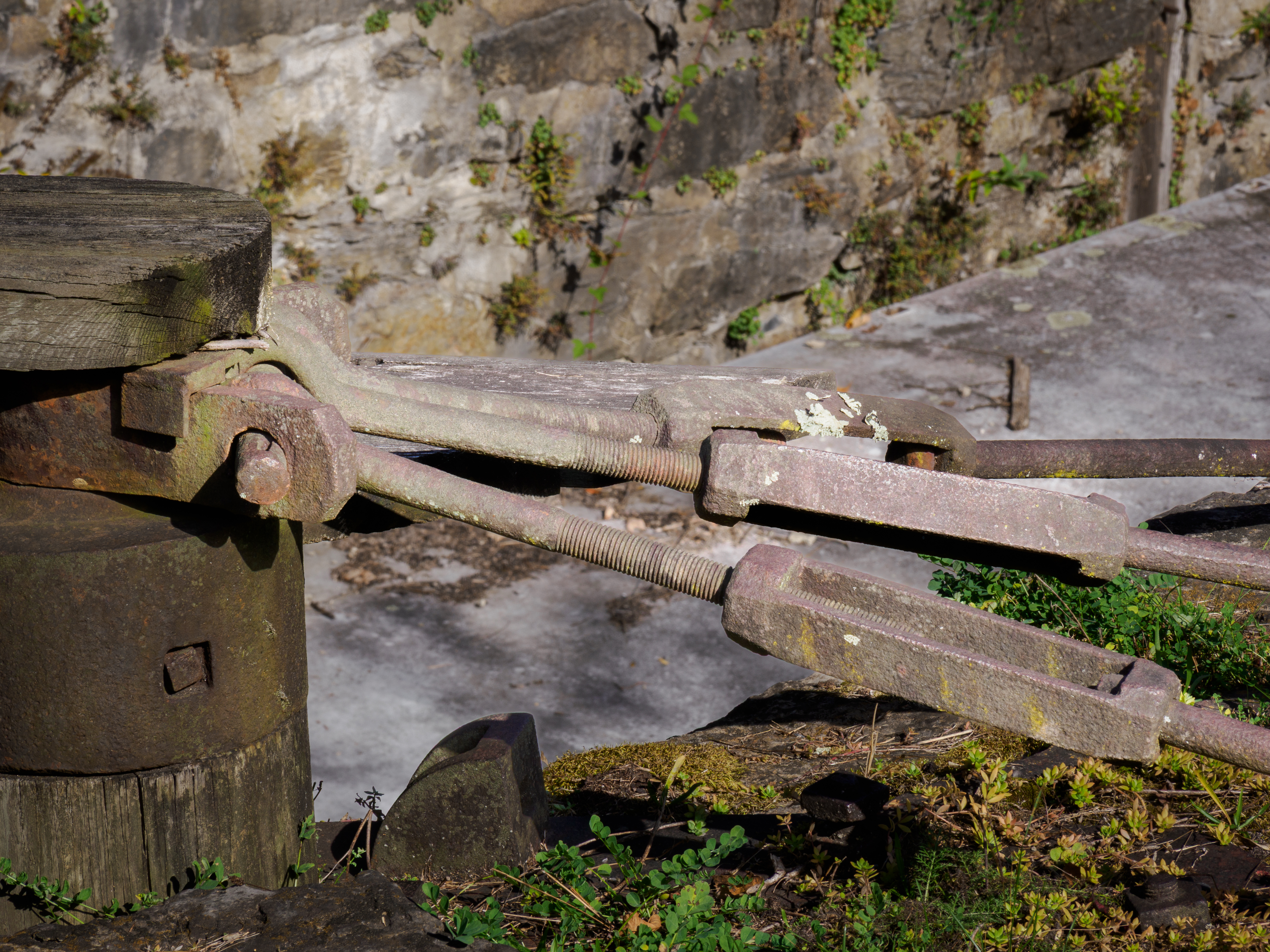
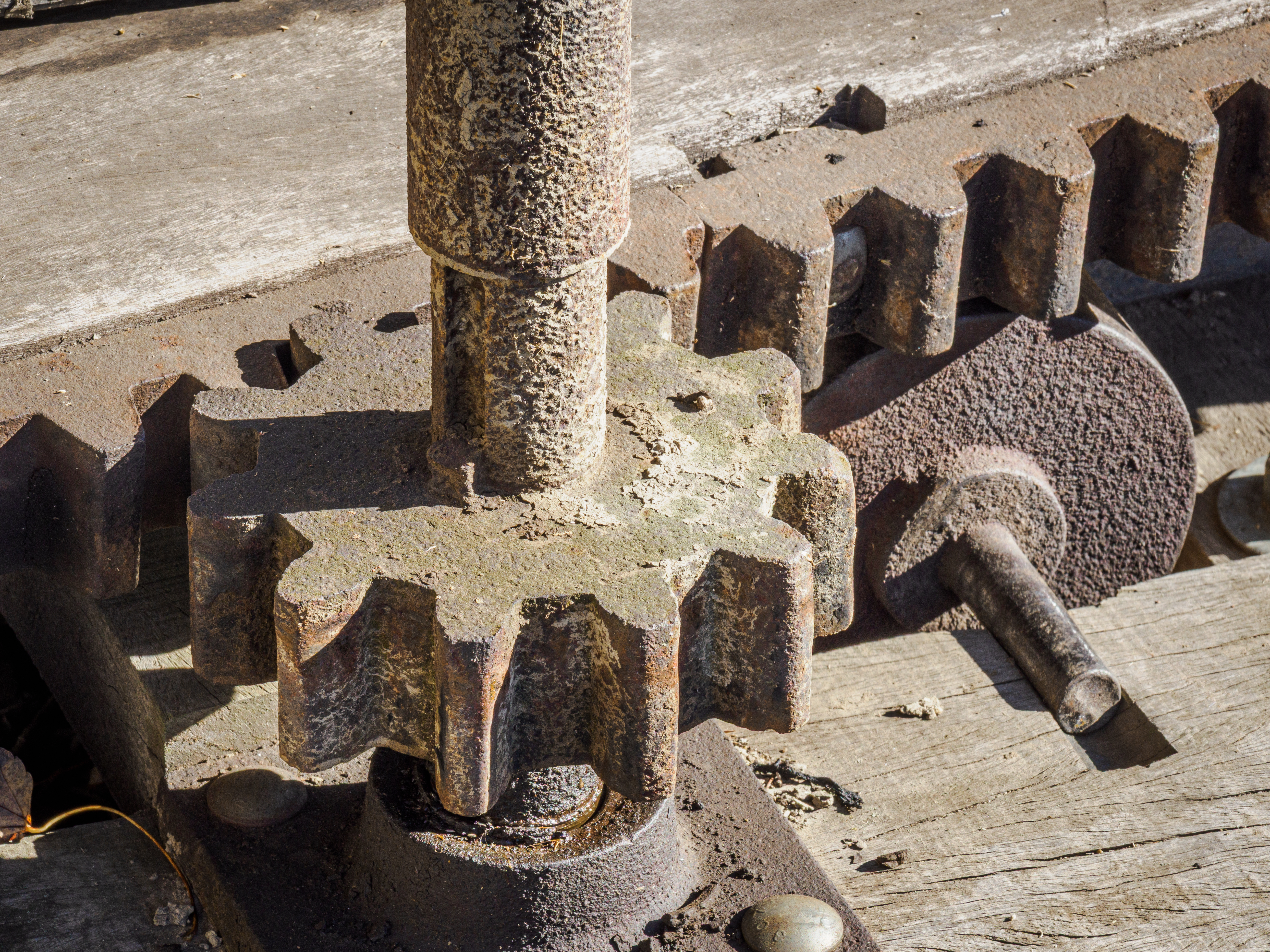
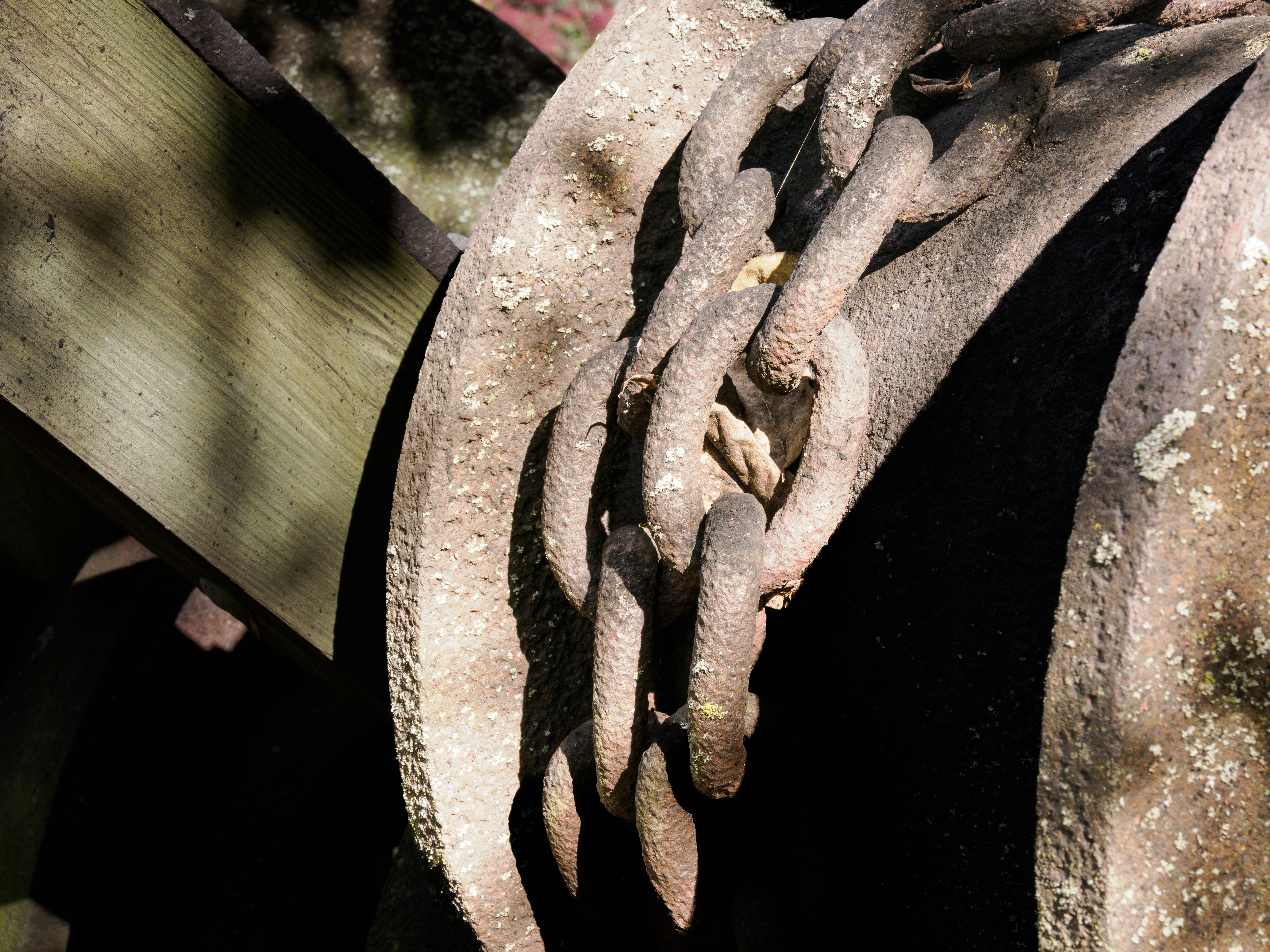
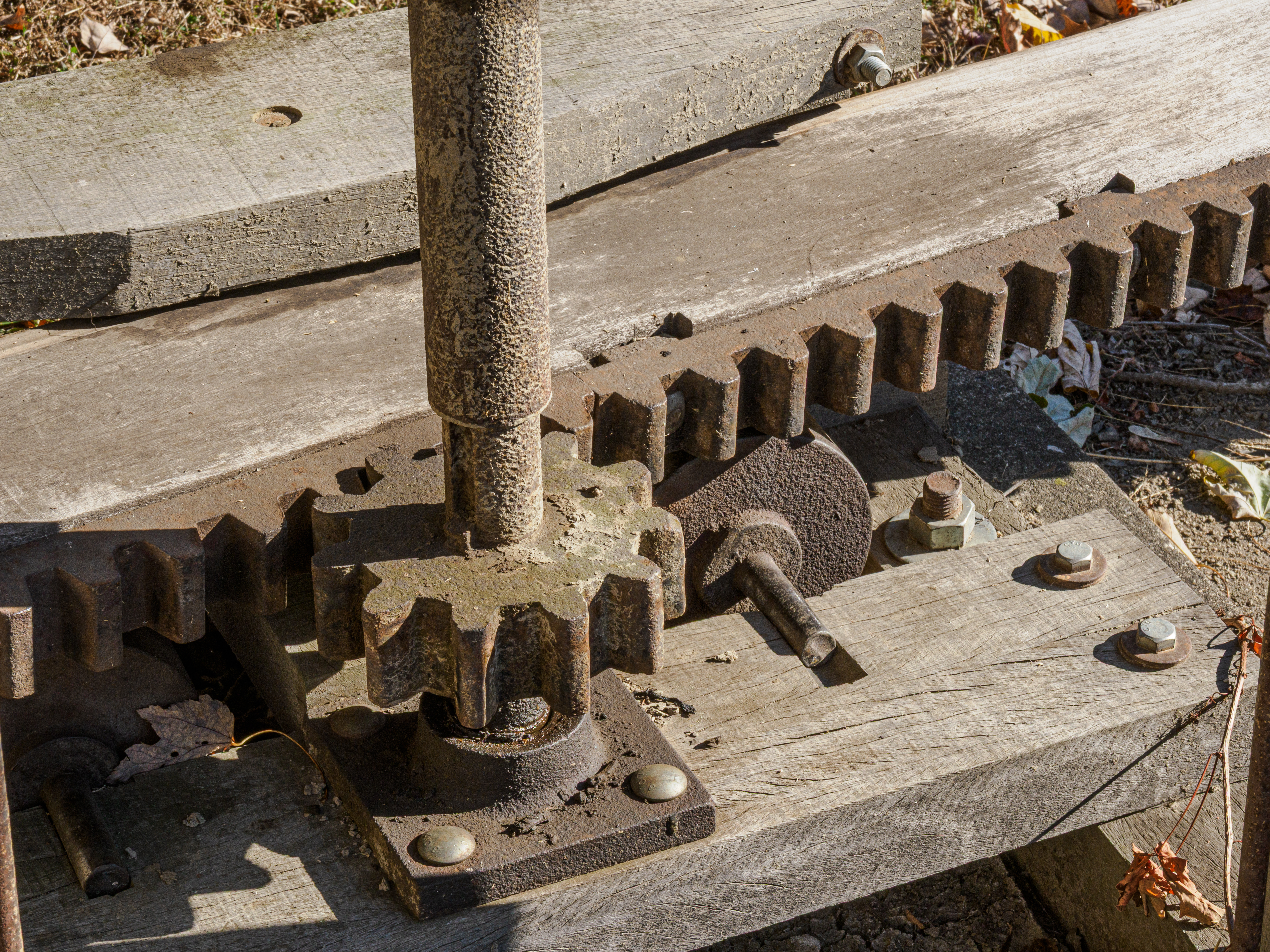
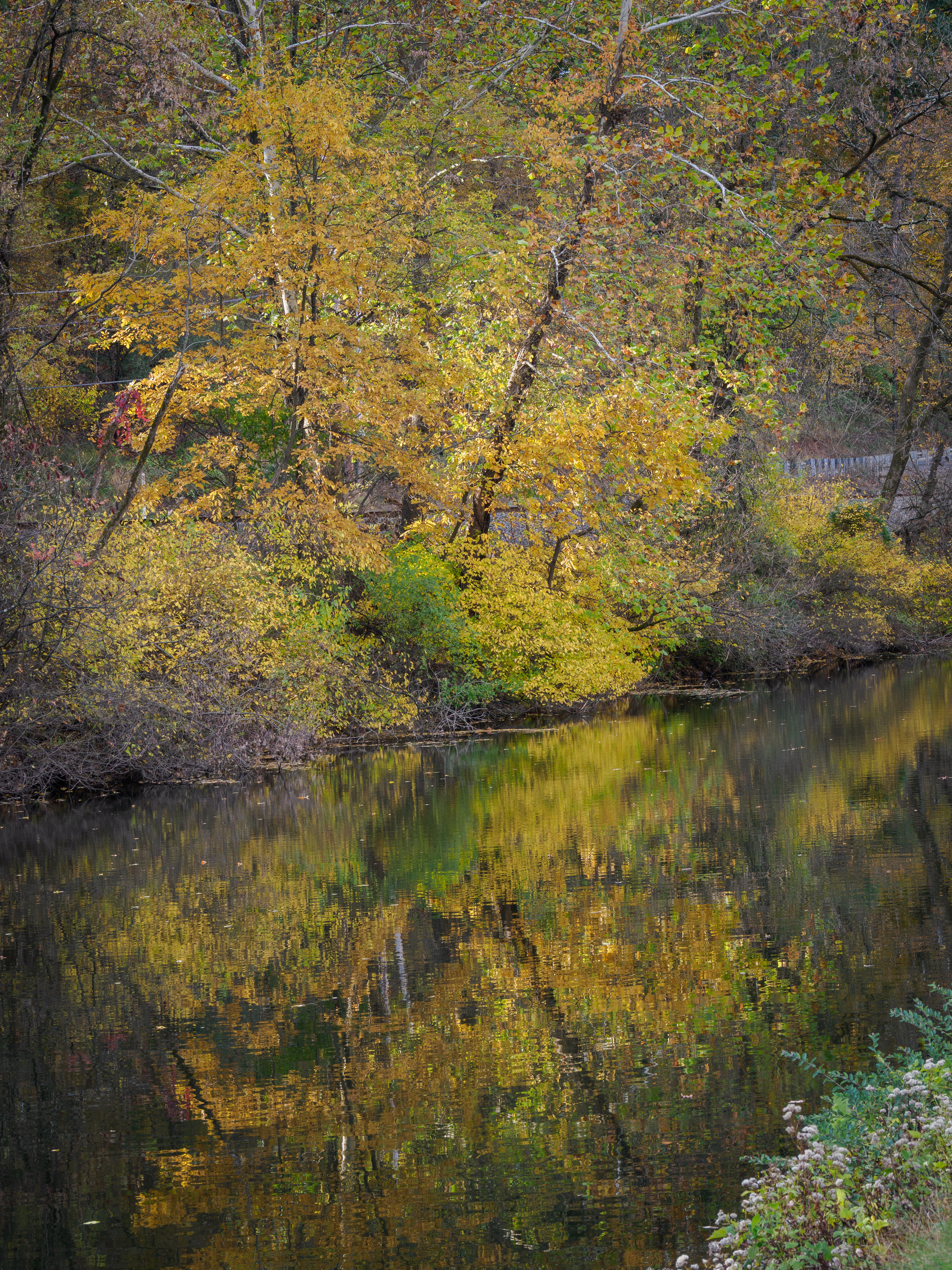
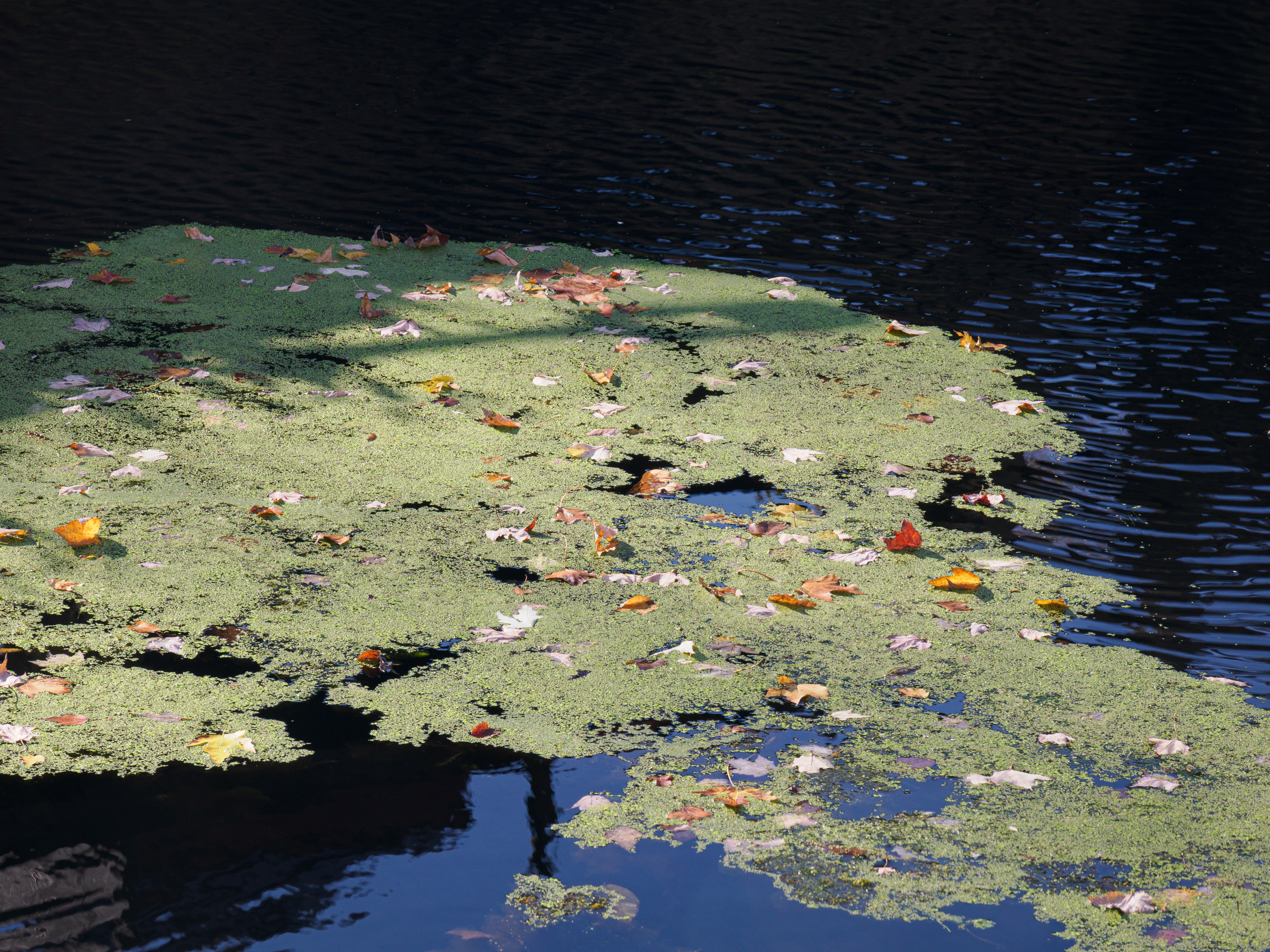
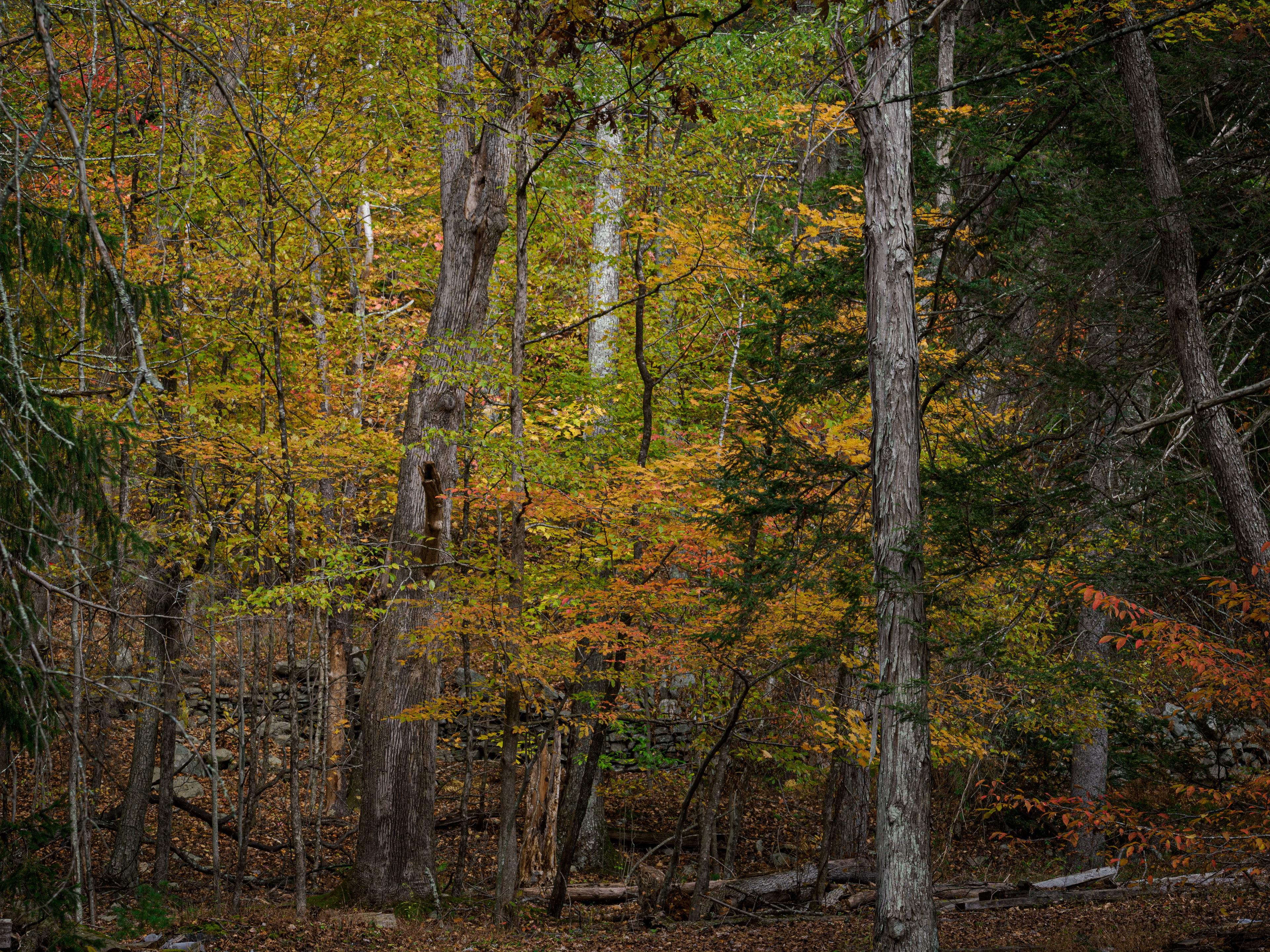
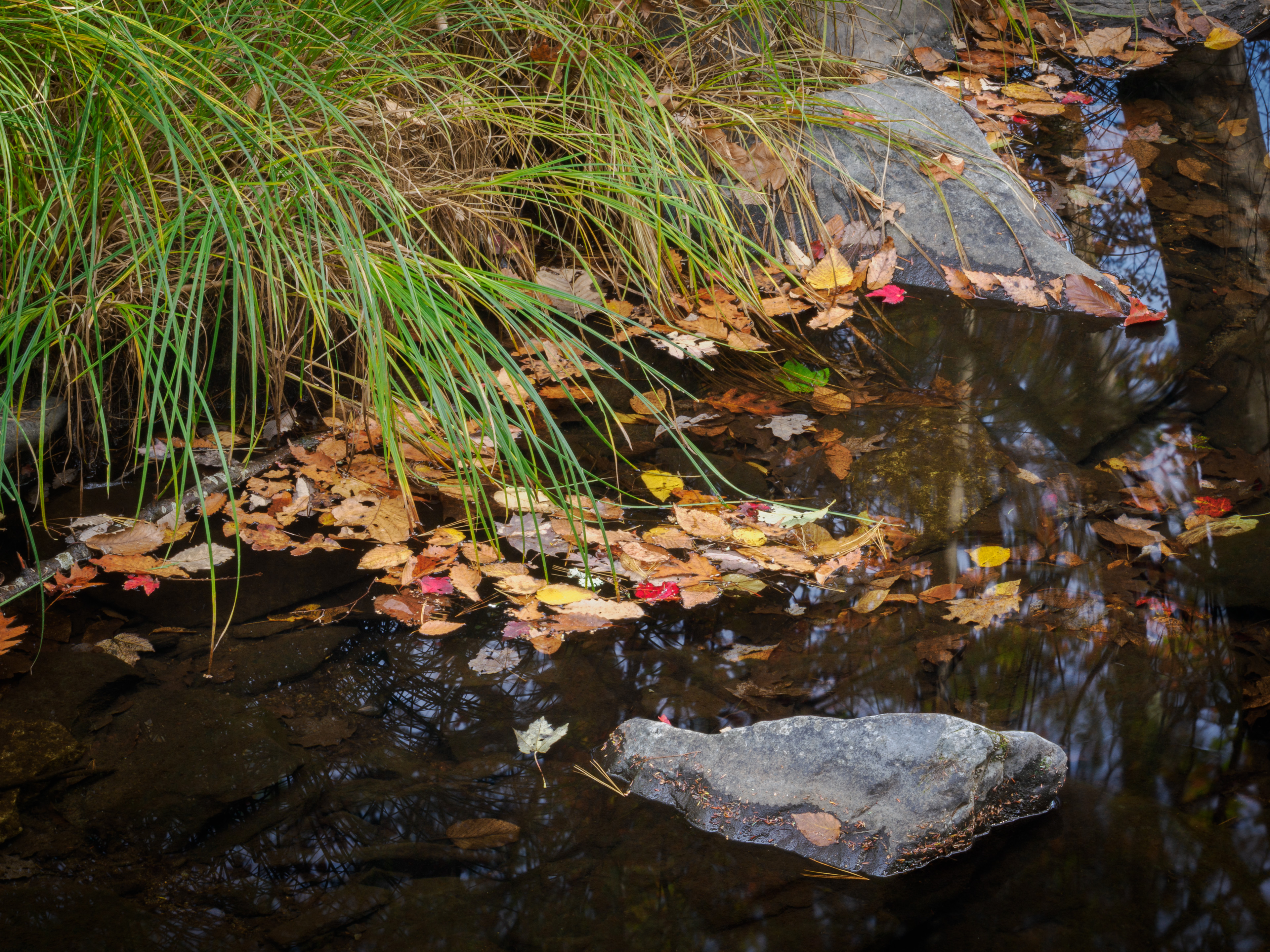
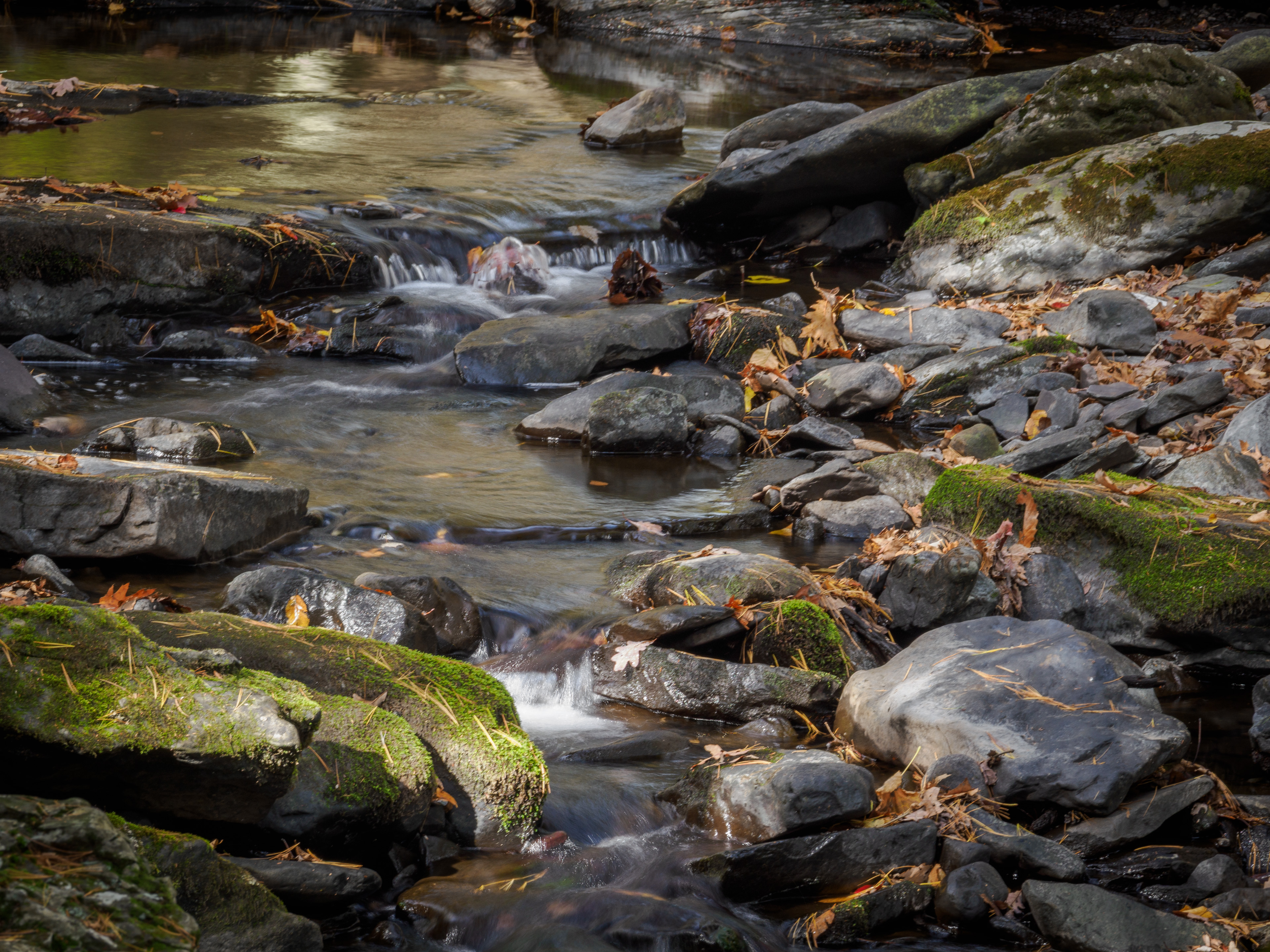
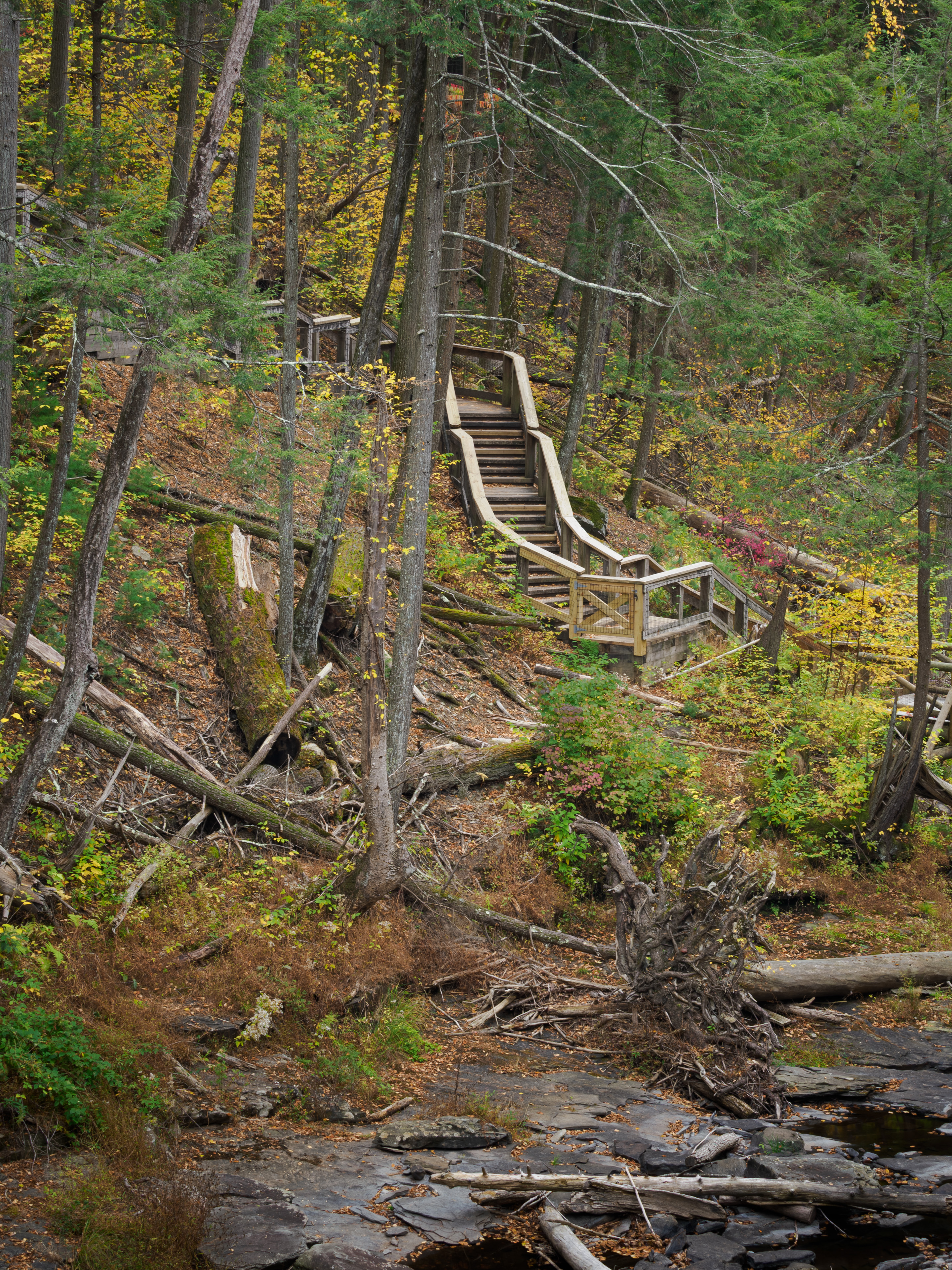
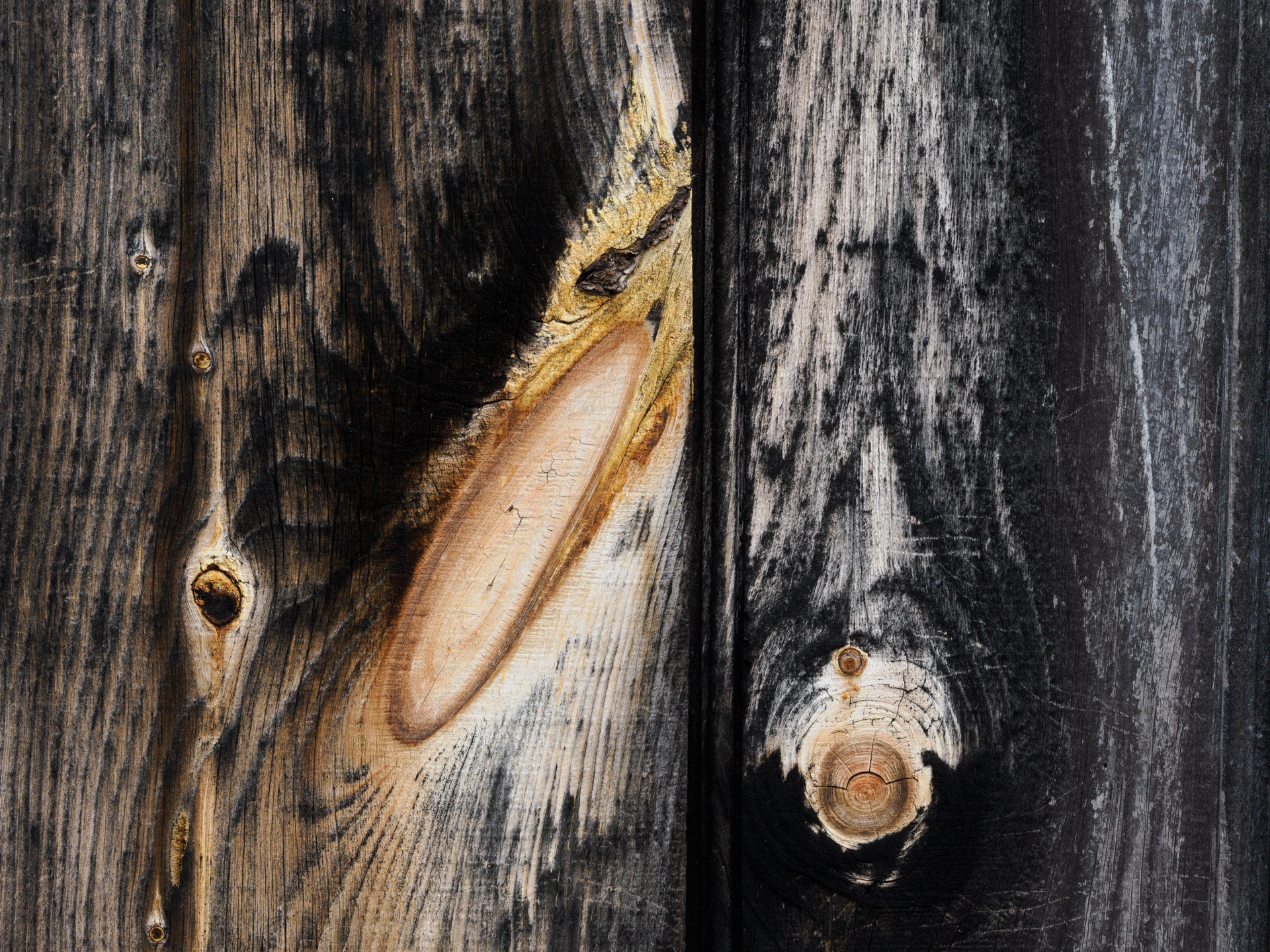
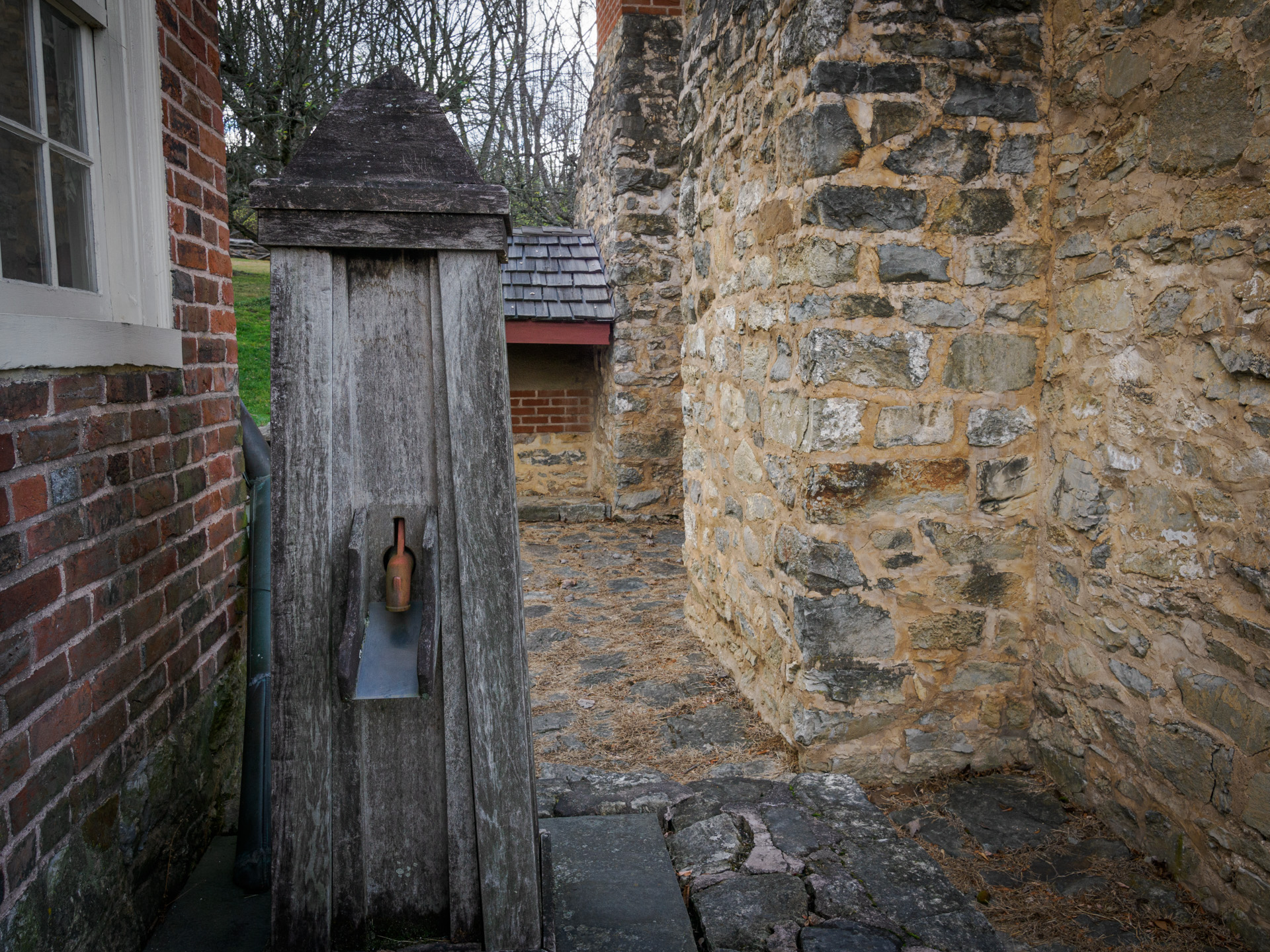
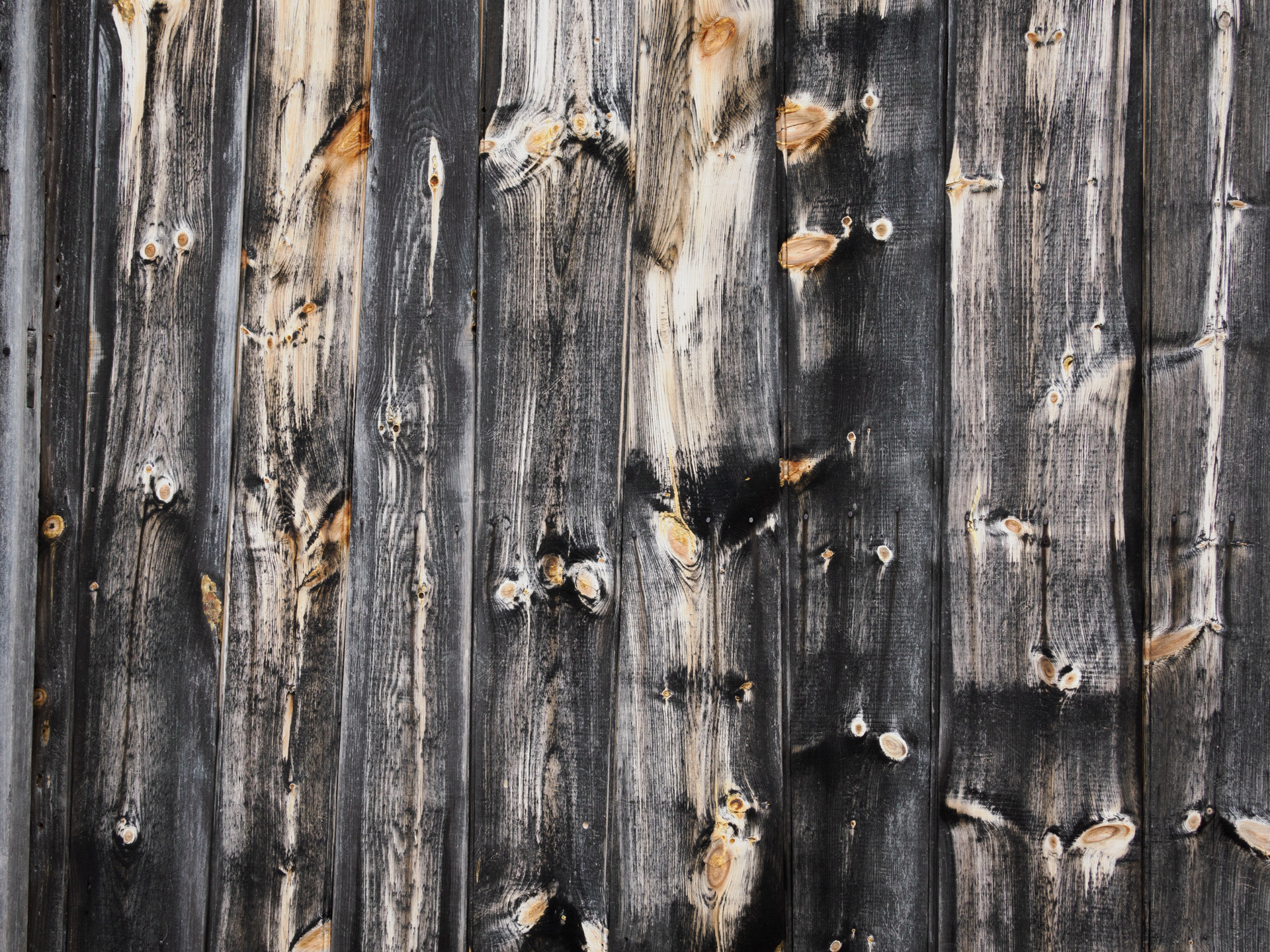
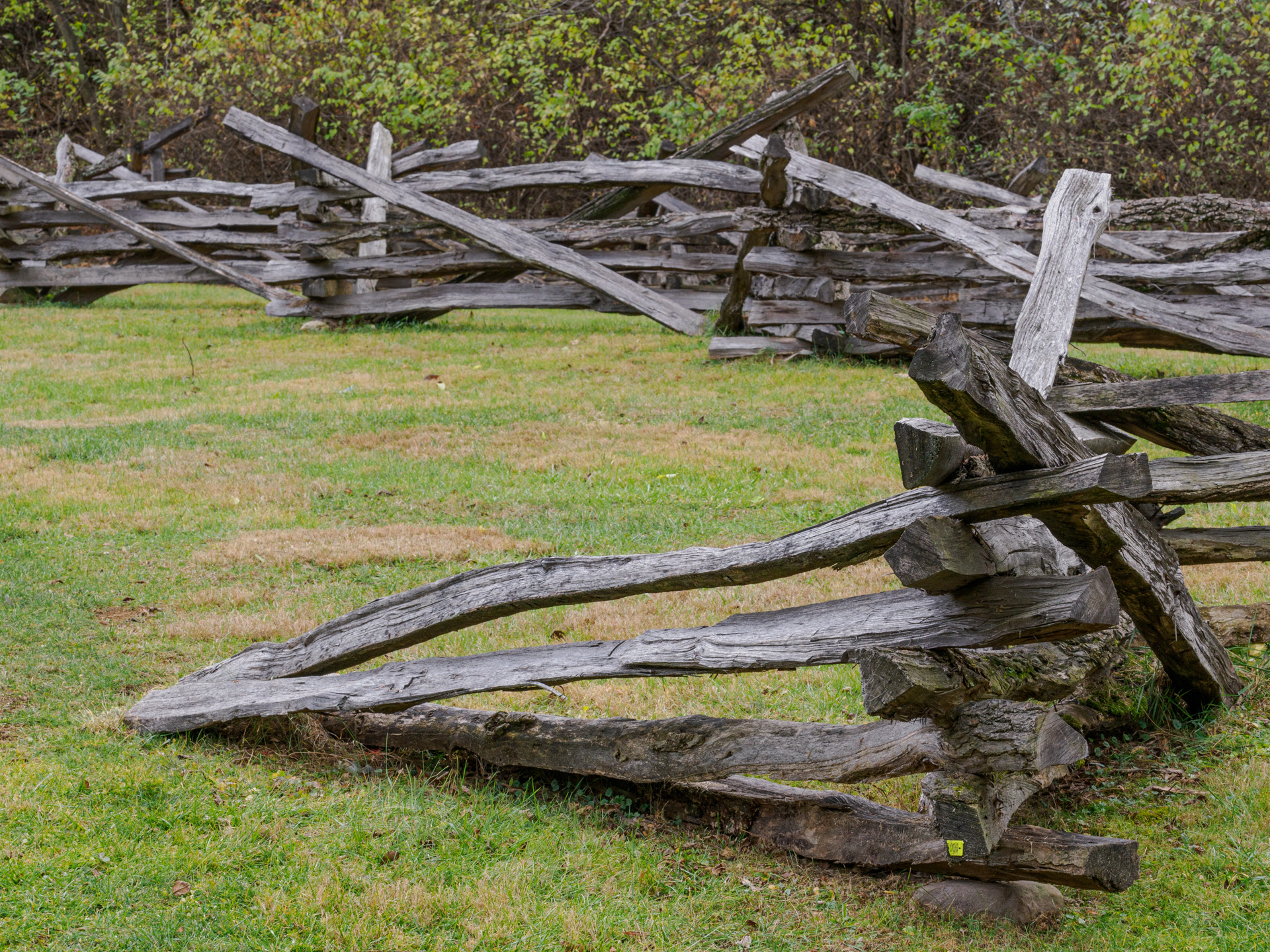
Hugh Moore Park in Easton, PA offers a captivating glimpse into America’s canal history, featuring over two miles of restored Lehigh Canal, a unique canal boat attraction, and one of the largest canal heritage museums in the U.S. The 520-acre park, nestled between the Lehigh Canal and Lehigh River, is home to the National Canal Museum and the 110-passenger Josiah White II canal boat, which provides hands-on exhibits about 19th-century canal life and technology. Recent enhancements include a playground, bike skills course, dog park, and multi-use path. Visitors can rent bikes, canoes, paddleboats, and kayaks from the Welcome Center. The park boasts numerous trails along the river and canal, both paved and unpaved, and is situated on the D&L Trail between Allentown and Easton. In addition to the canal boat and museum, visitors can explore bridges, the river and canal, machinery from deserted locks, sculptures, foliage, flowers, and wildlife. A wide-angle lens is recommended for photography, and a telephoto lens may be useful for capturing deer or other wildlife. The park is easily accessible, and the combination of hiking and photographic opportunities makes it a worthwhile trip.

What’s in Bob’s bag

  • OM1 Mark ll
  • OM-D E-M1 Mark Ill
  • M.Zuiko 7-14mm F2.8 Pro
  • M.Zuiko 12-40mm F2.8 Pro
  • M.Zuiko 12-100mm F2.8 Pro
  • M.Zuiko 40-150mm F2.8 Pro
  • OM 100-400mm F5.0-6.3 II Lens
  • M.Zuiko ED 300mm F4.0 IS Pro
  • M.Zuiko Digital 1.4x Teleconverter MC-14
  • M.Zuiko Digital 2X Teleconverter MC-20
  • M.Zuiko ED 8mm F1.8 Fisheye Pro
  • M.Zuiko ED 60mm f2.8 Macro
  • M.Zuiko ED 20mm f/1.4 Pro
  • M.Zuiko ED 45mm f/1.2 Pro
  • Manfrotto MHXPRO-BHQ2 XPRO Ball Head
  • Manfrotto 265CB CF Tripod
  • Manfrotto 290 Carbon Fiber Monopod
George W. Childs Park

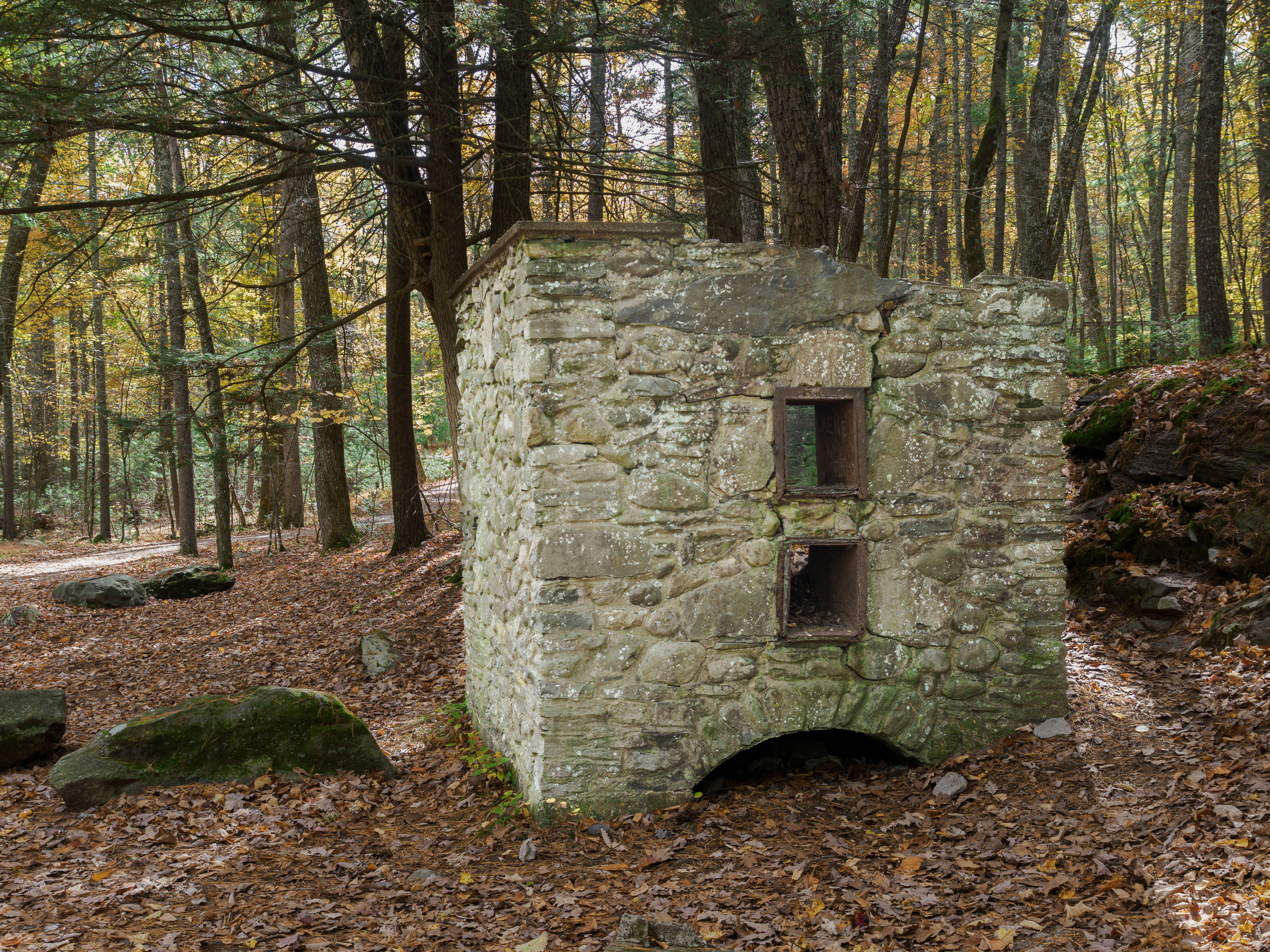
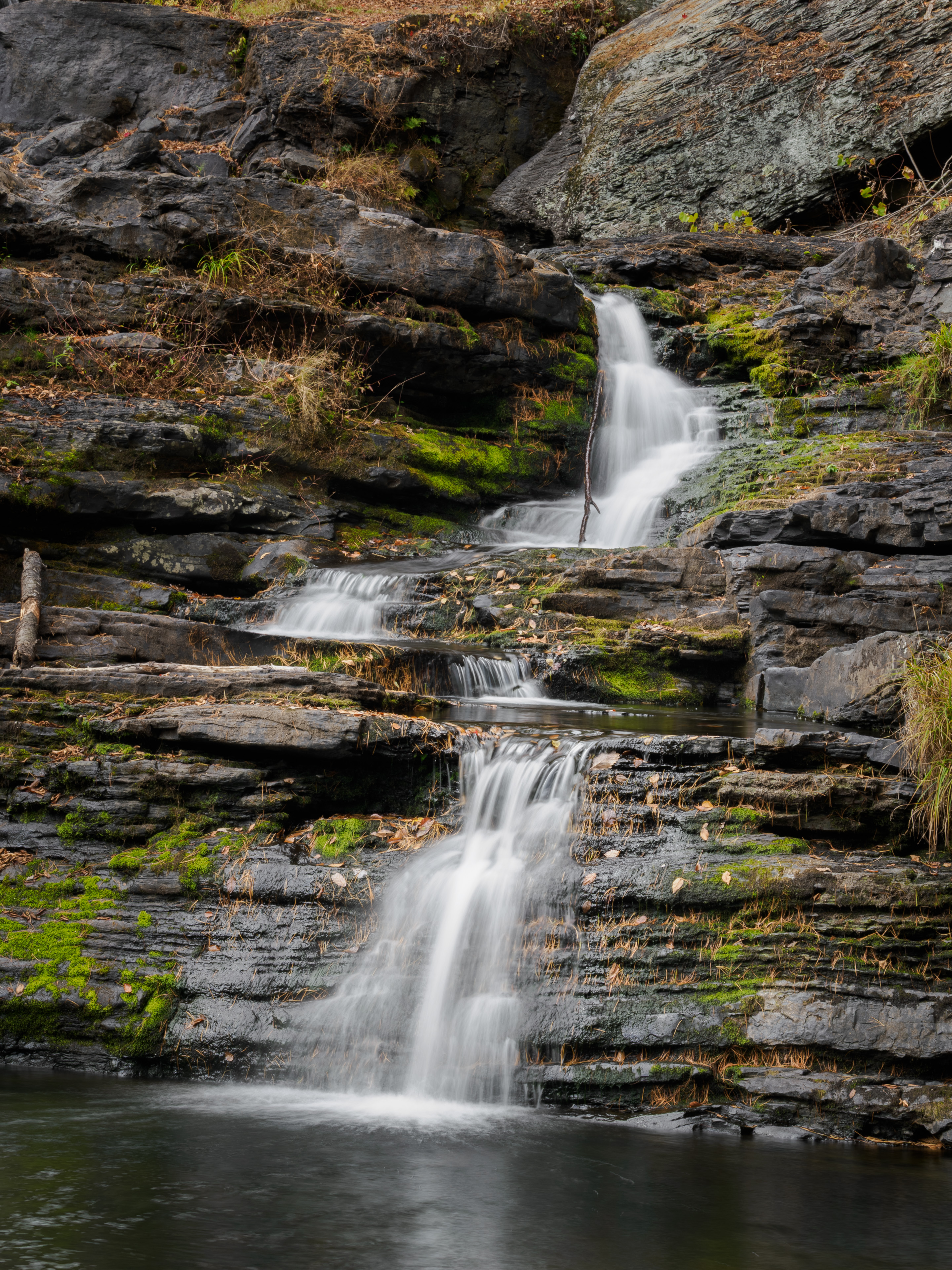
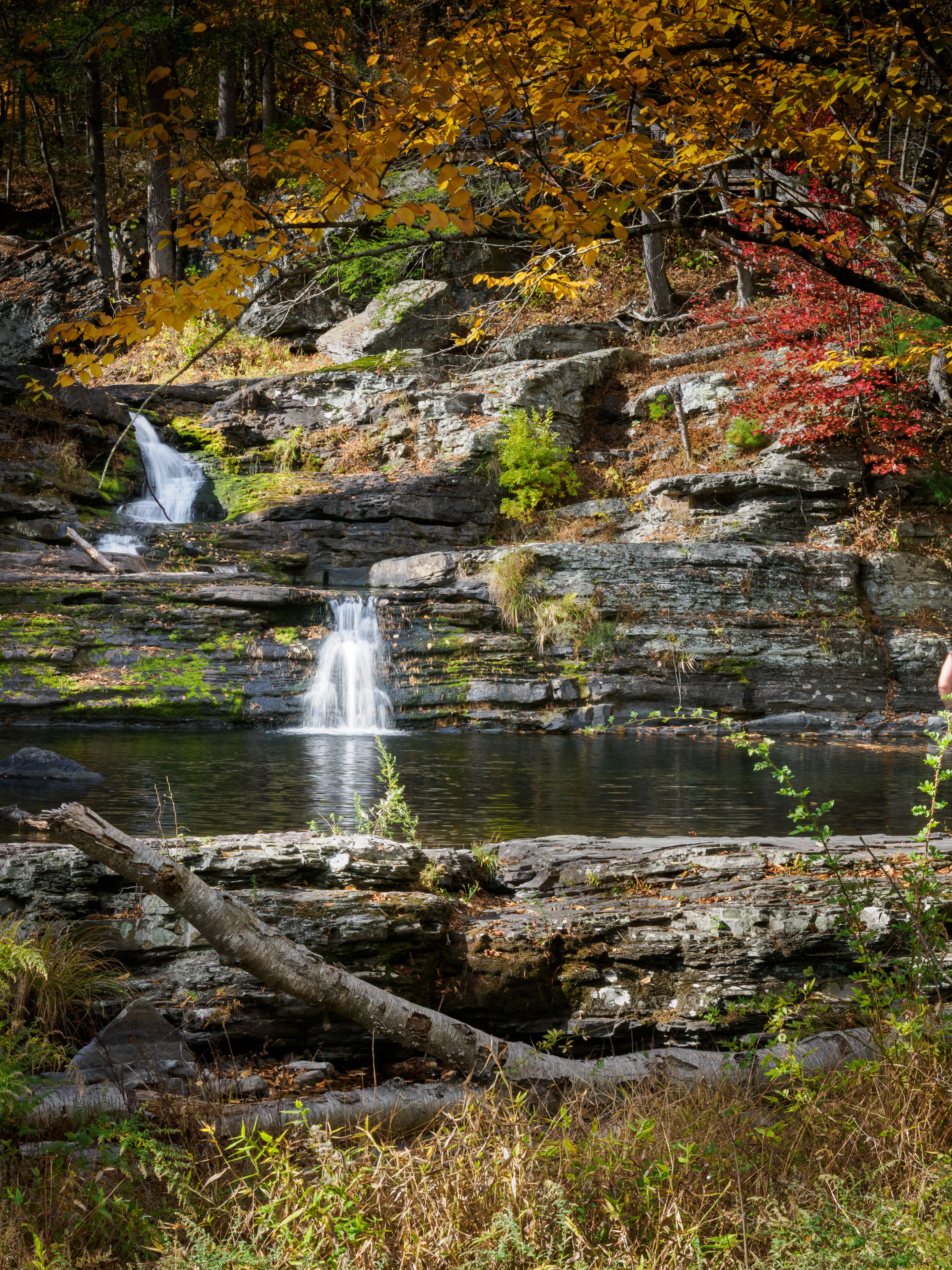
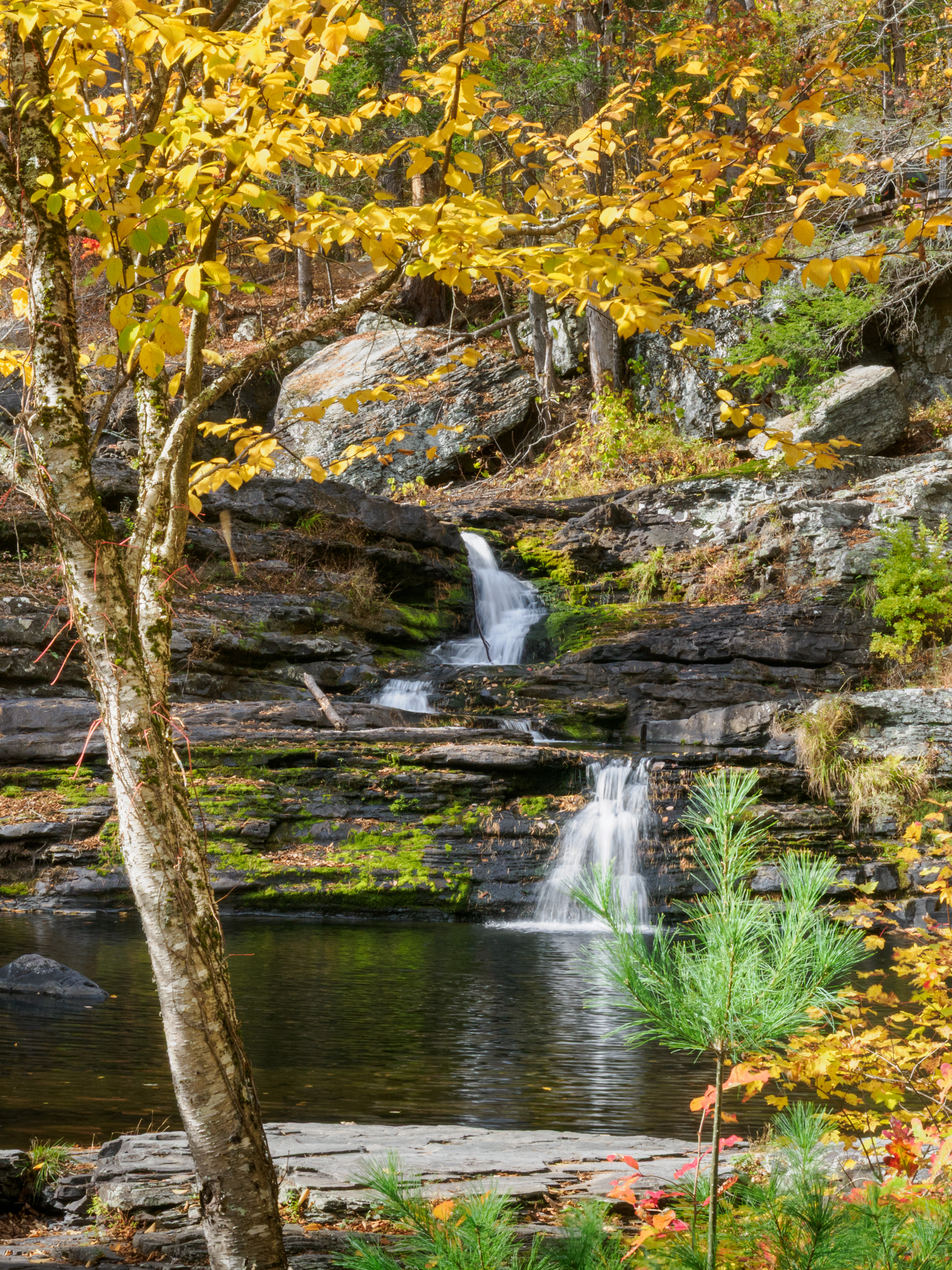
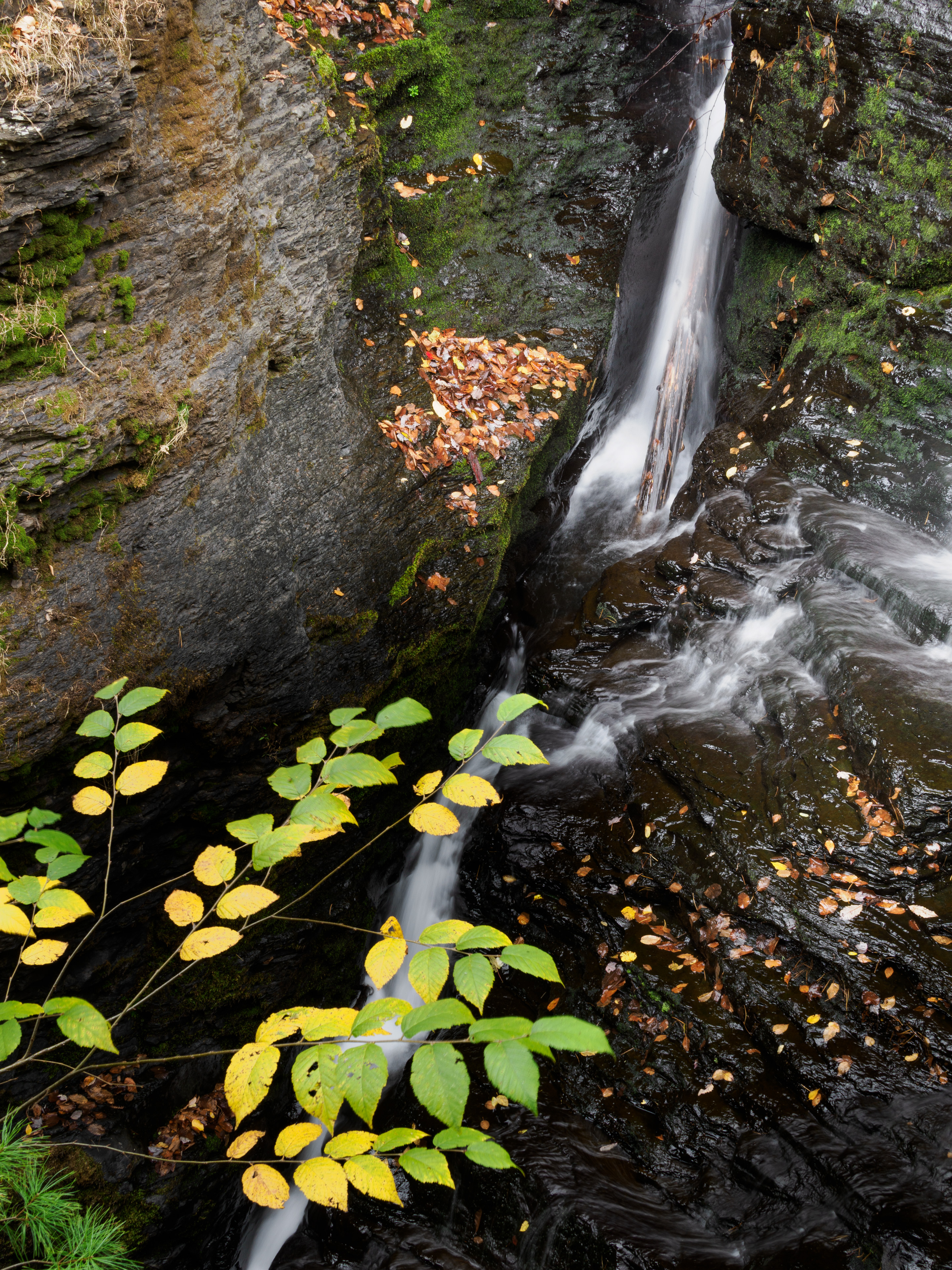
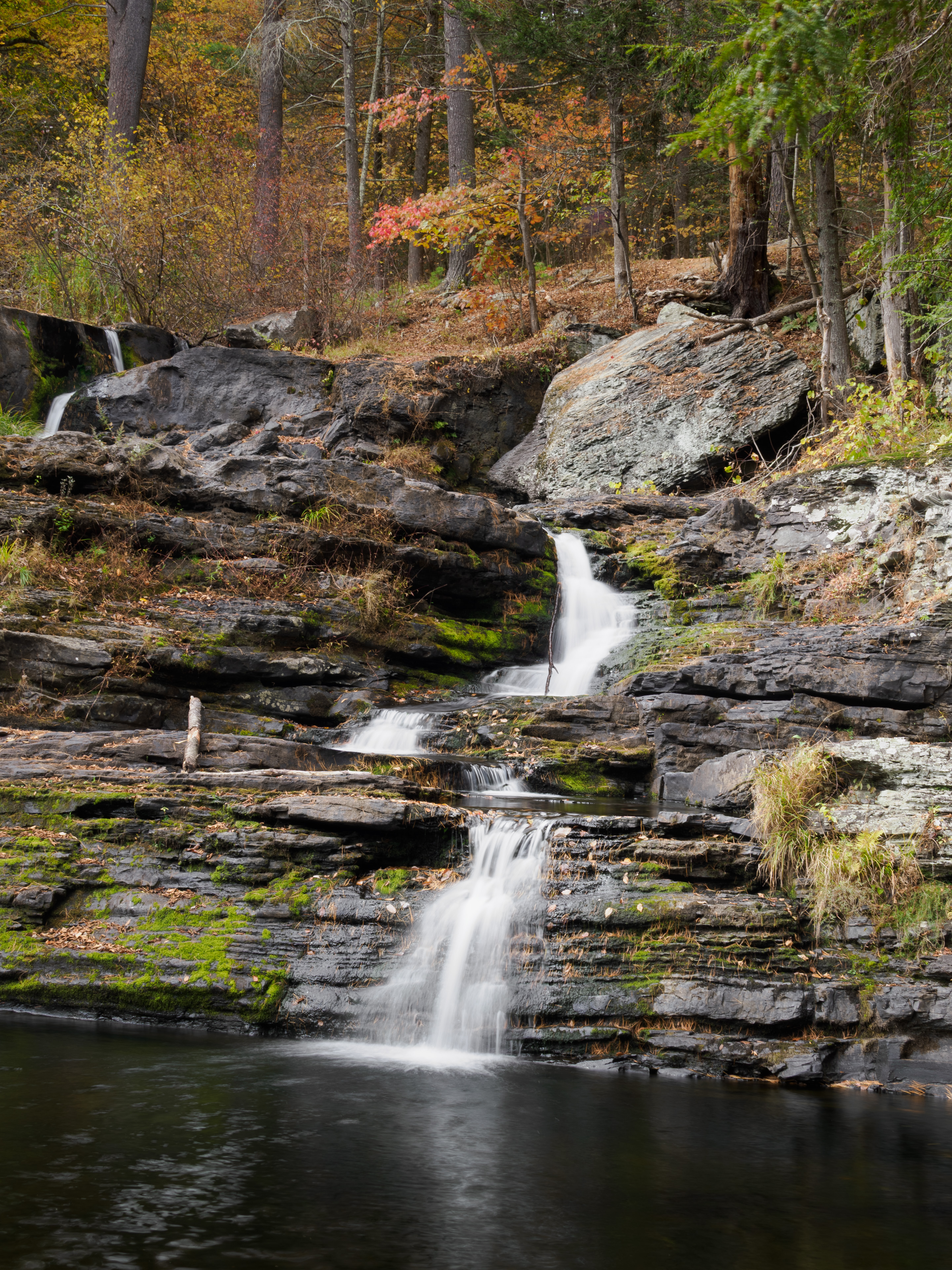
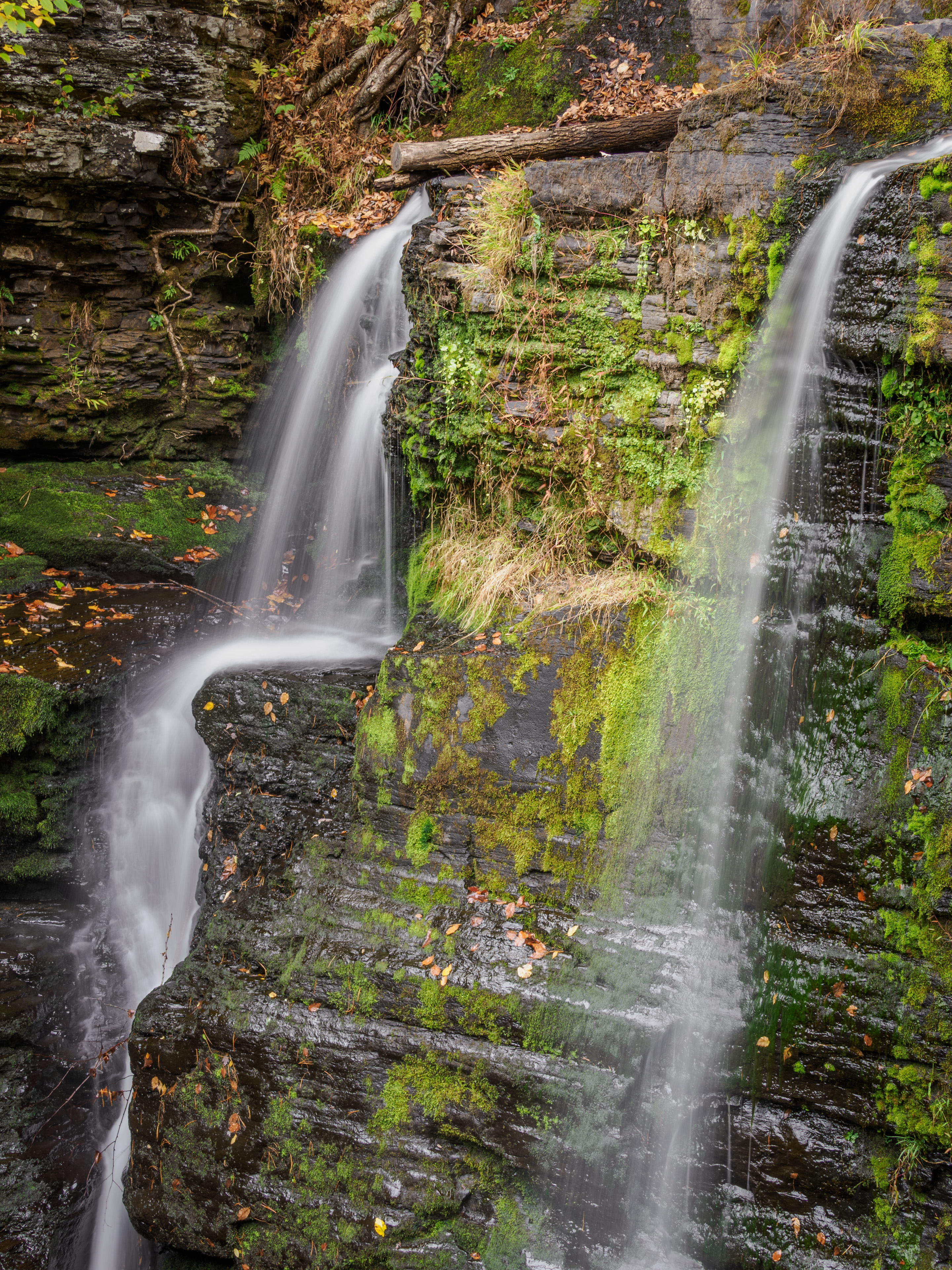
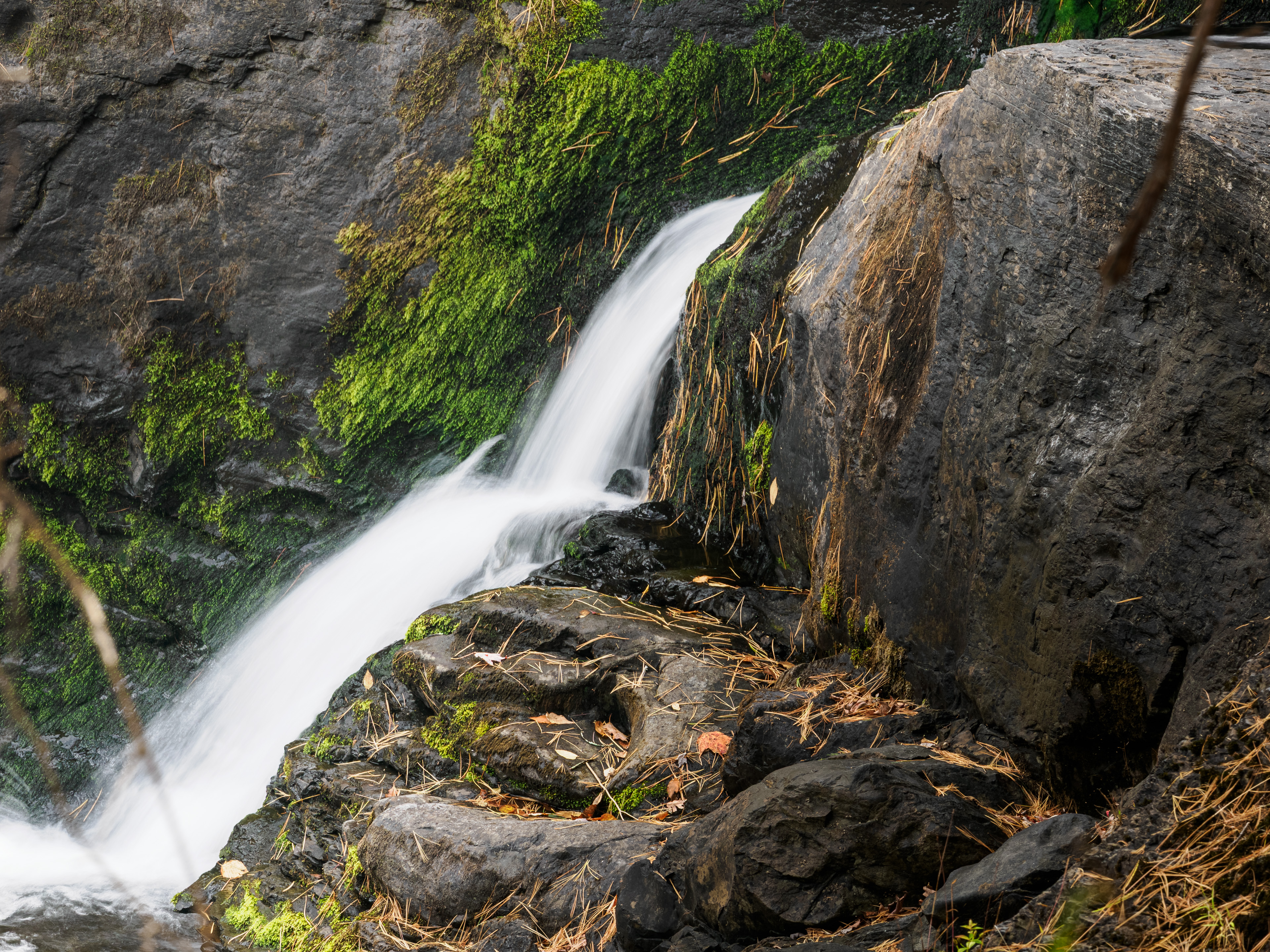
George W. Childs Park, part of the Delaware Water Gap National Recreation Area, was named after philanthropist George W. Childs, who purchased the land in 1892 to create a public park. His widow deeded the land to Pennsylvania in 1912. The park features expansive hemlock groves, cascading waterfalls, a picnic area, comfort facilities, and a short hiking trail. The site includes three main waterfalls: Factory Falls, Fulmer Falls, and Deer Leap Falls. Visitors must stay on the trail, and pets, swimming, and wading are not permitted. The trail follows Dingmans Creek through a lush ravine, past the ruins of a mill and structures built by the Civilian Conservation Corps. Factory Falls was once home to a woolen mill run by the Brooks family from 1823 to 1832. Fulmer Falls features a rustic pavilion built by the Civilian Conservation Corps, and Deer Leap Falls is the final waterfall on the trail.

What’s in Bob’s bag

  • OM1 Mark ll
  • OM-D E-M1 Mark Ill
  • M.Zuiko 7-14mm F2.8 Pro
  • M.Zuiko 12-40mm F2.8 Pro
  • M.Zuiko 12-100mm F2.8 Pro
  • M.Zuiko 40-150mm F2.8 Pro
  • OM 100-400mm F5.0-6.3 II Lens
  • M.Zuiko ED 300mm F4.0 IS Pro
  • M.Zuiko Digital 1.4x Teleconverter MC-14
  • M.Zuiko Digital 2X Teleconverter MC-20
  • M.Zuiko ED 8mm F1.8 Fisheye Pro
  • M.Zuiko ED 60mm f2.8 Macro
  • M.Zuiko ED 20mm f/1.4 Pro
  • M.Zuiko ED 45mm f/1.2 Pro
  • Manfrotto MHXPRO-BHQ2 XPRO Ball Head
  • Manfrotto 265CB CF Tripod
  • Manfrotto 290 Carbon Fiber Monopod
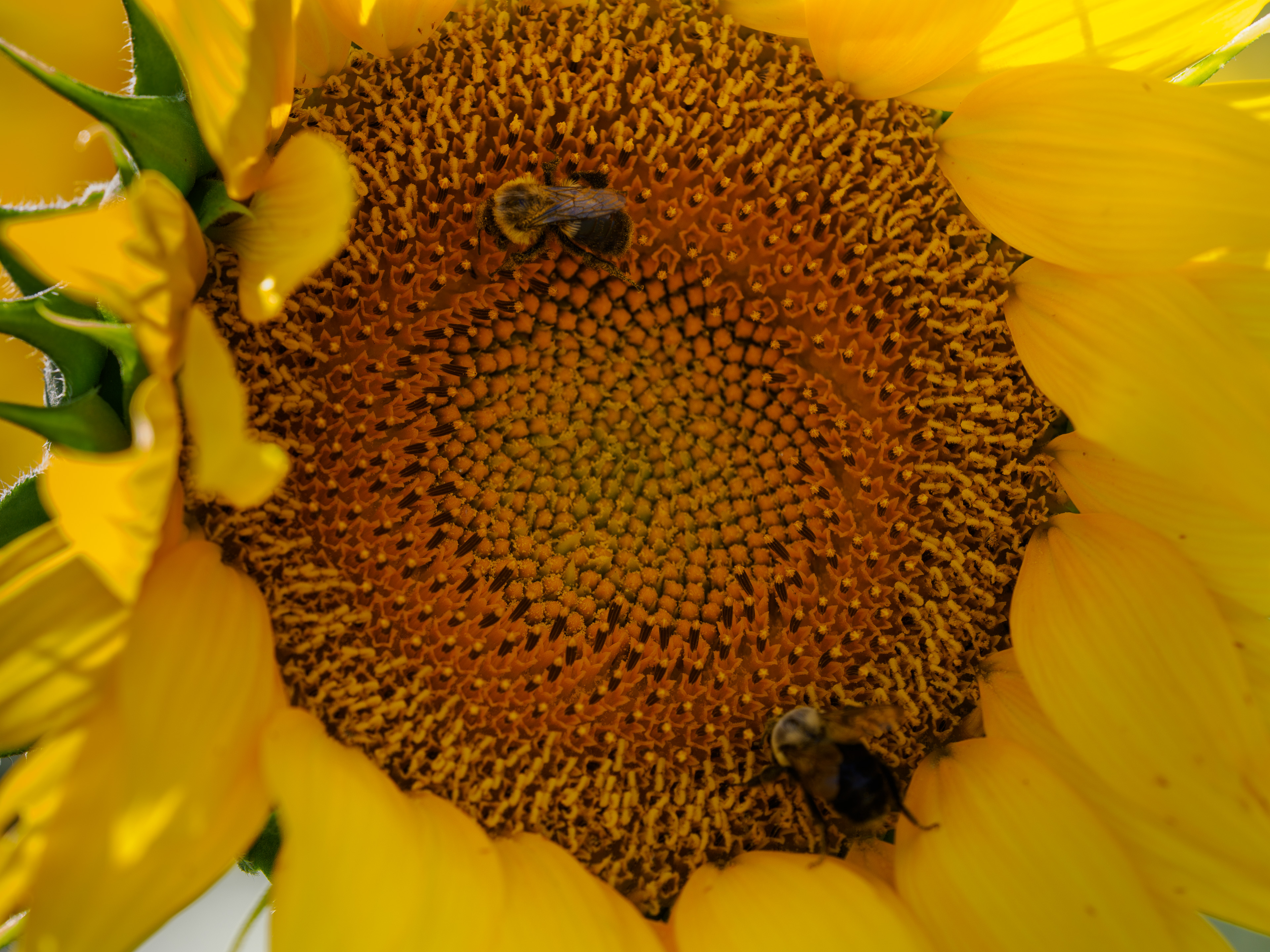
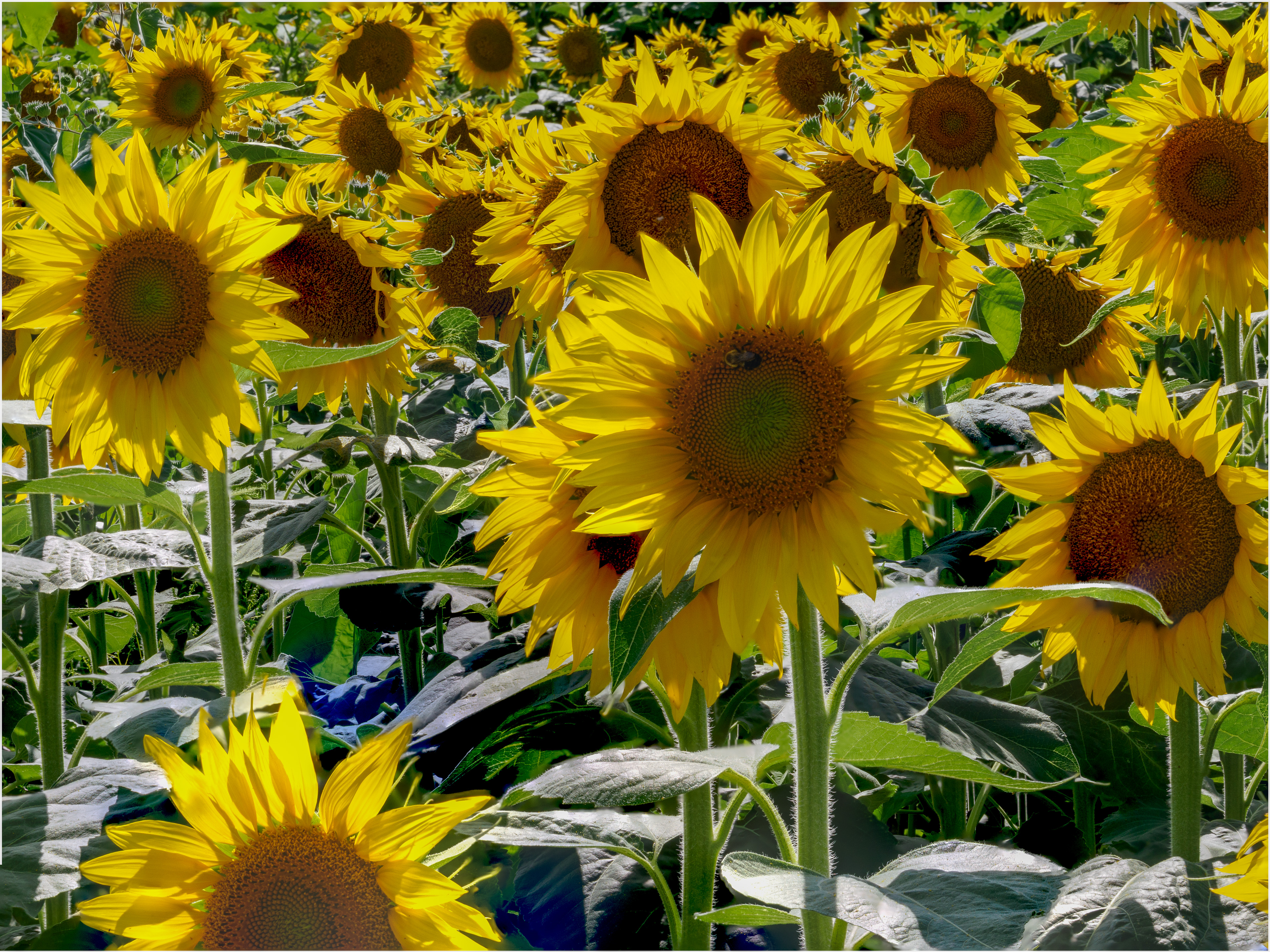
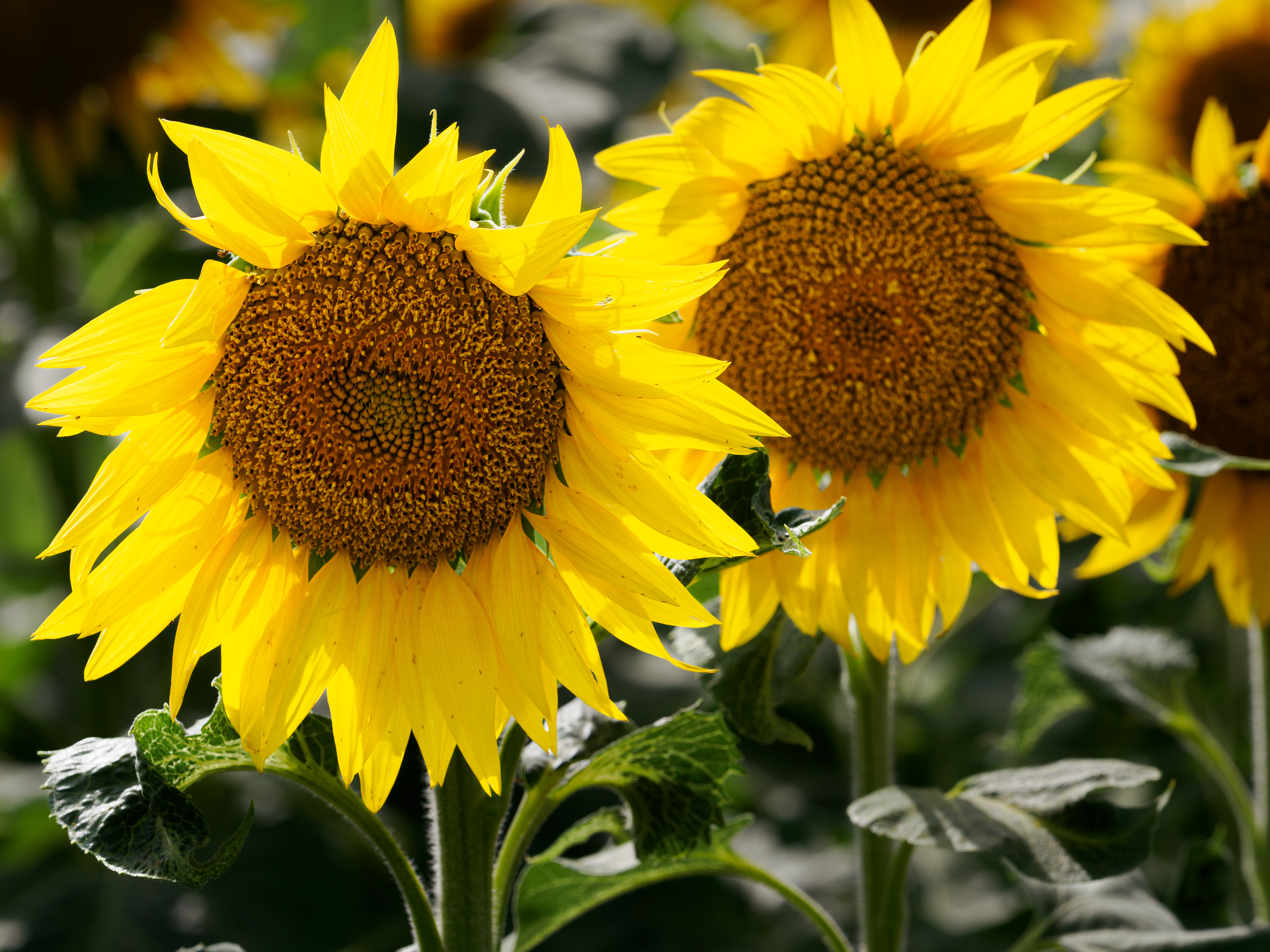
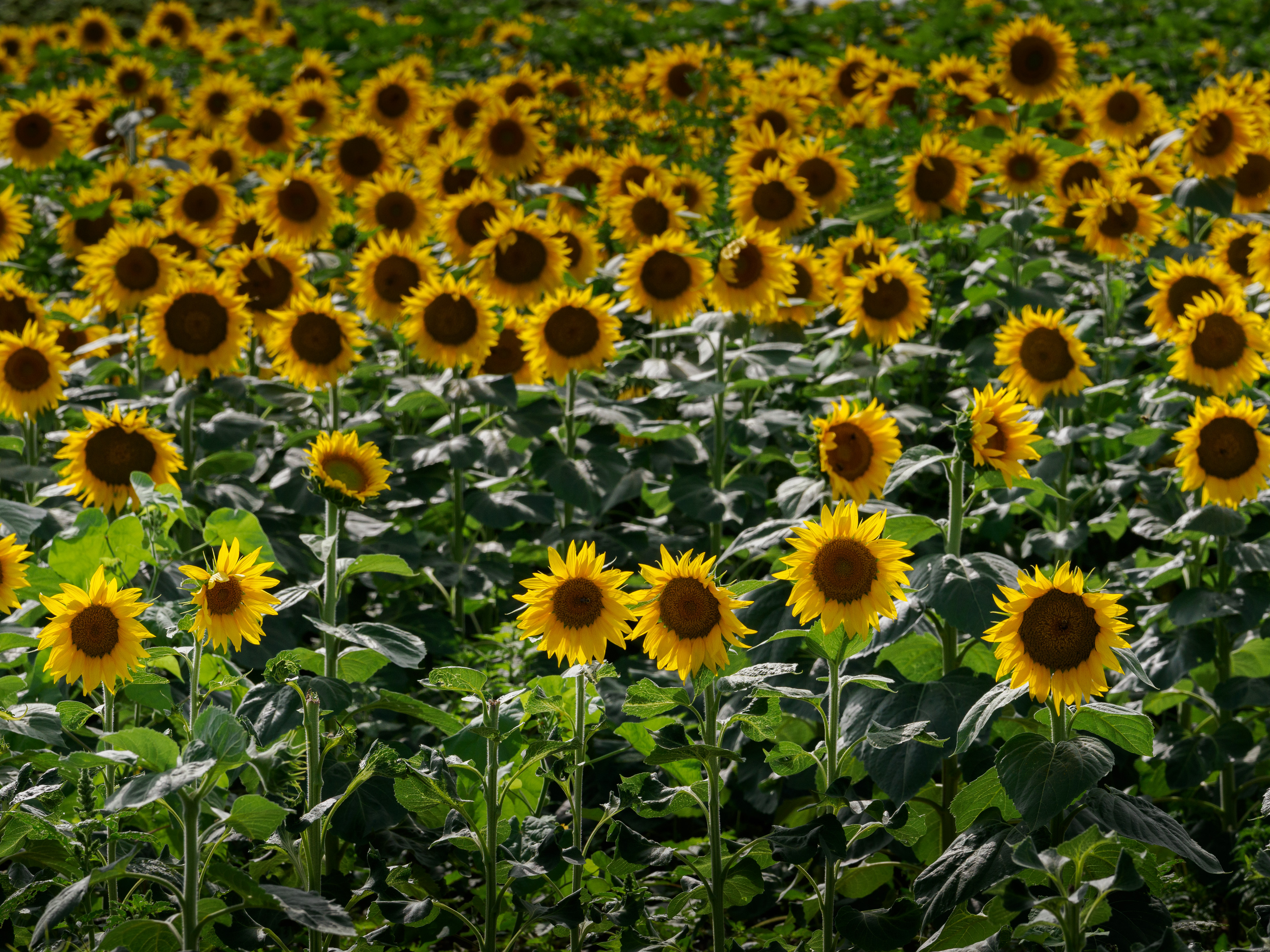
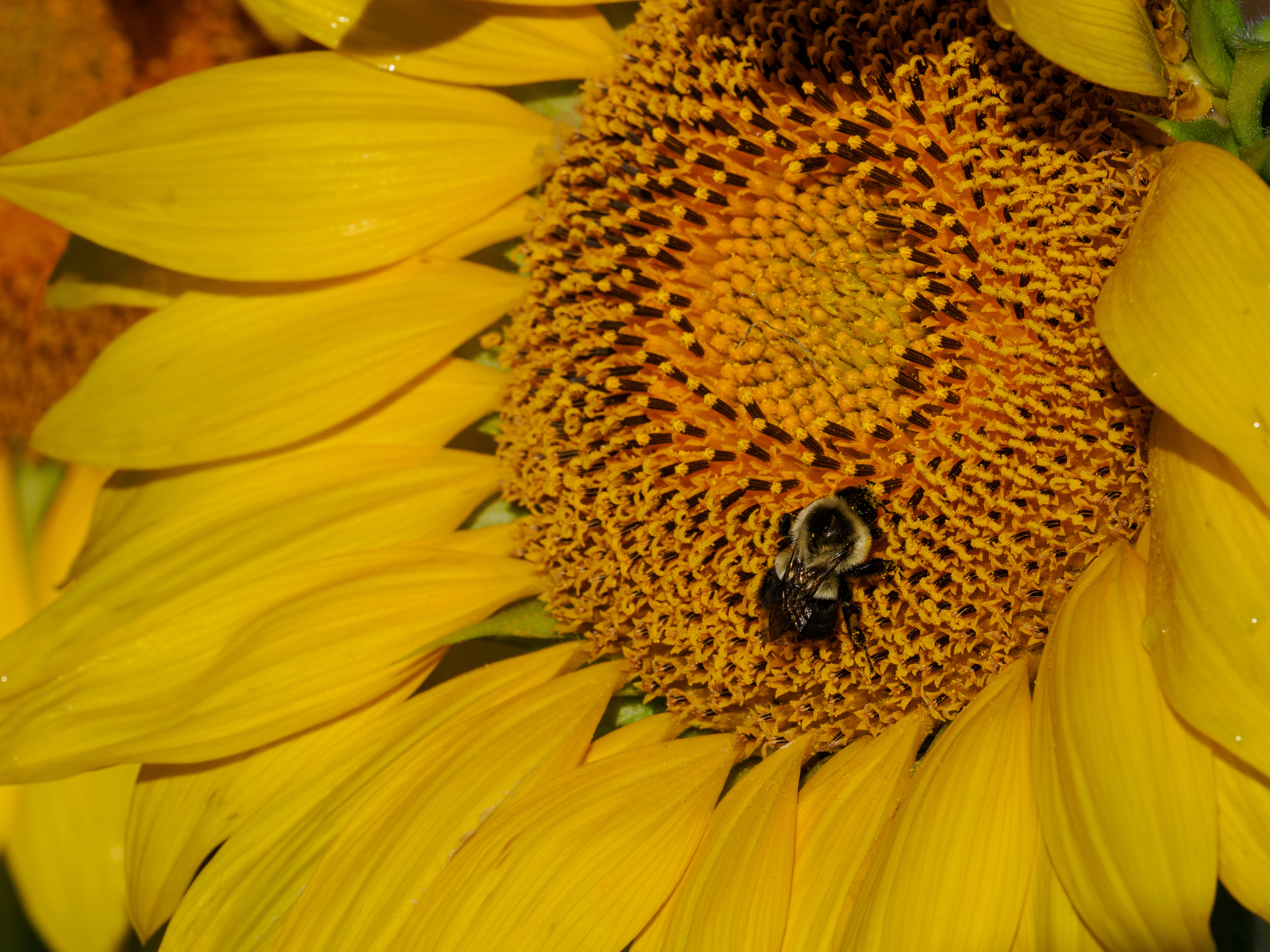
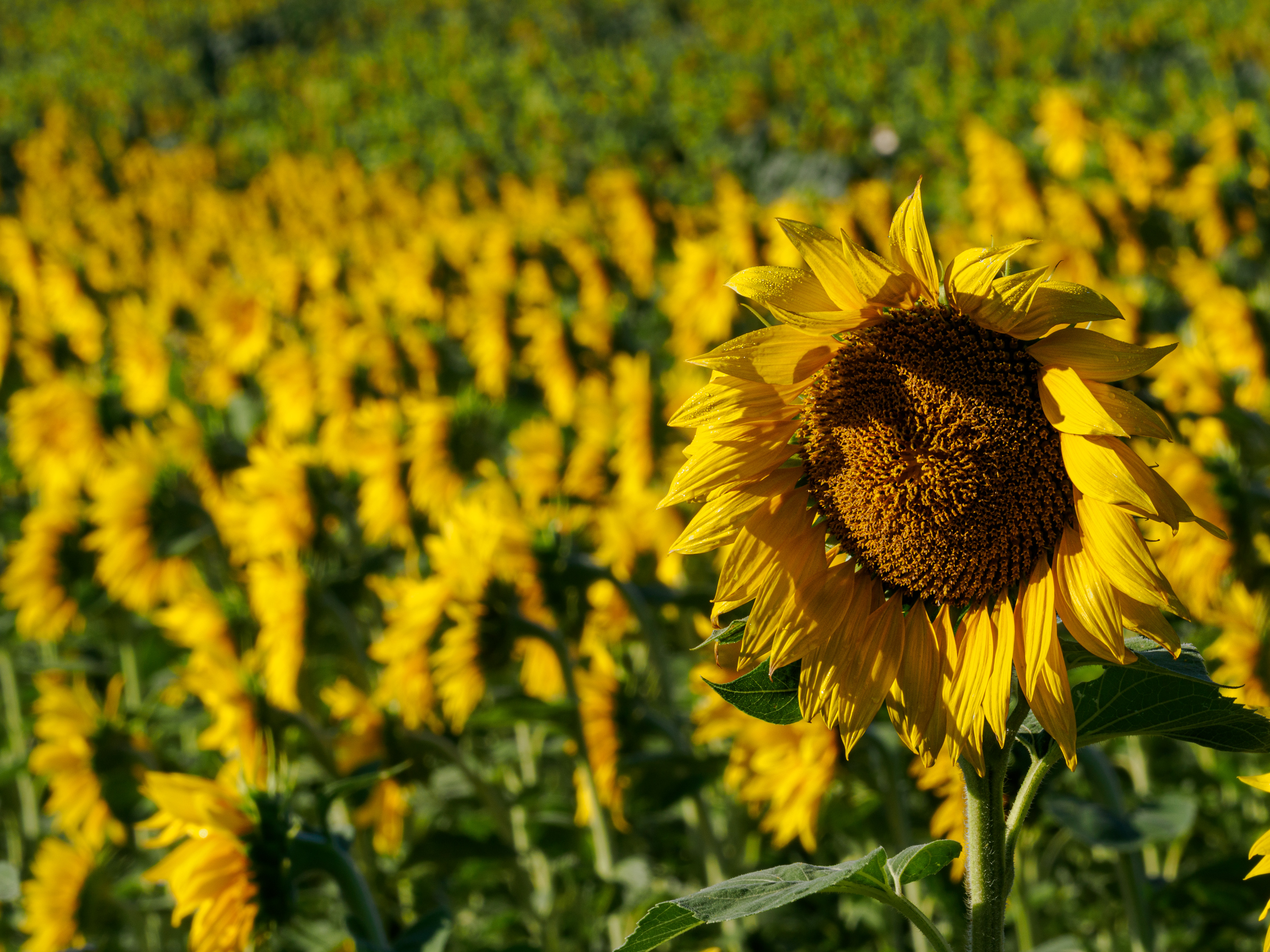
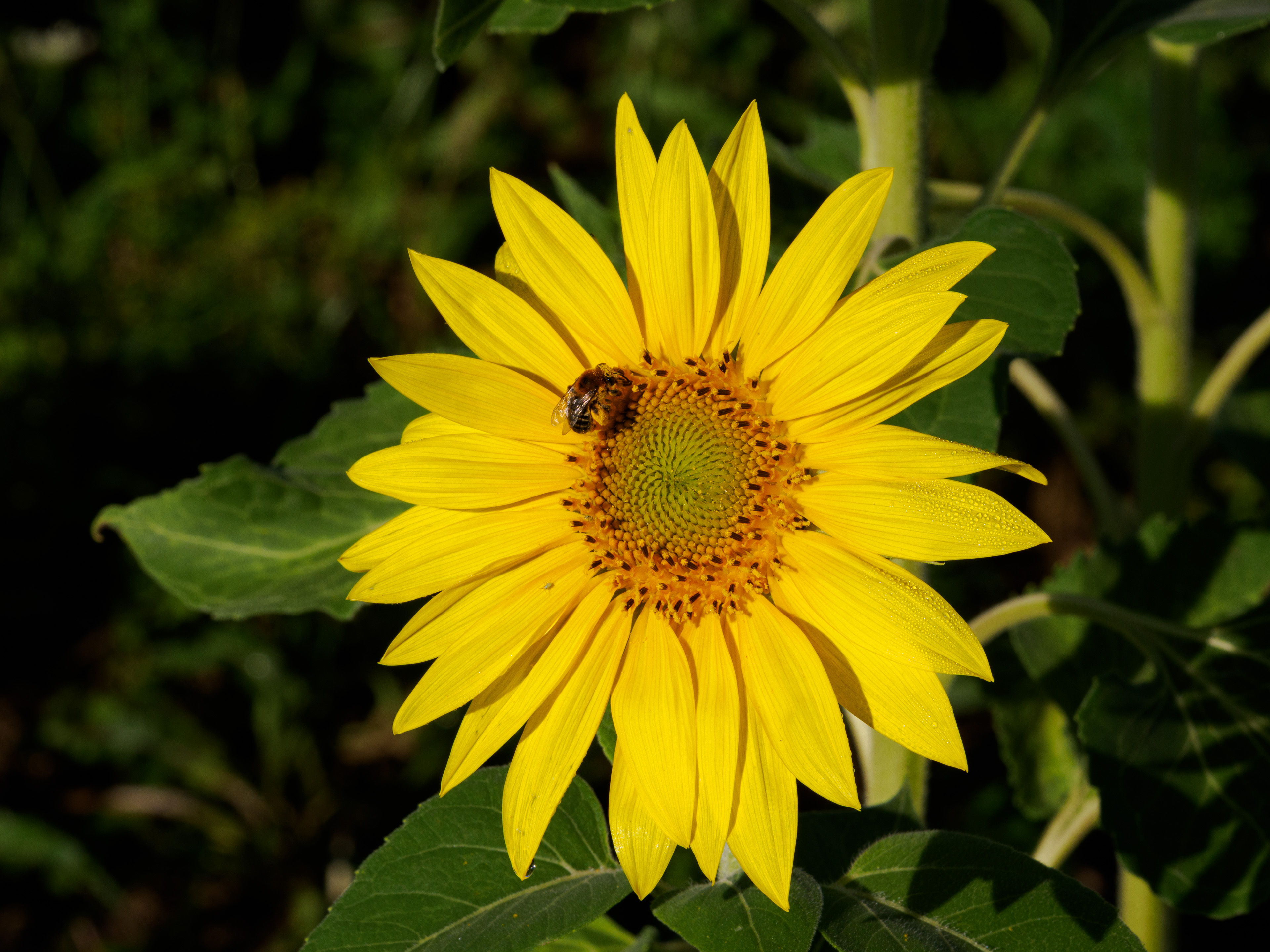
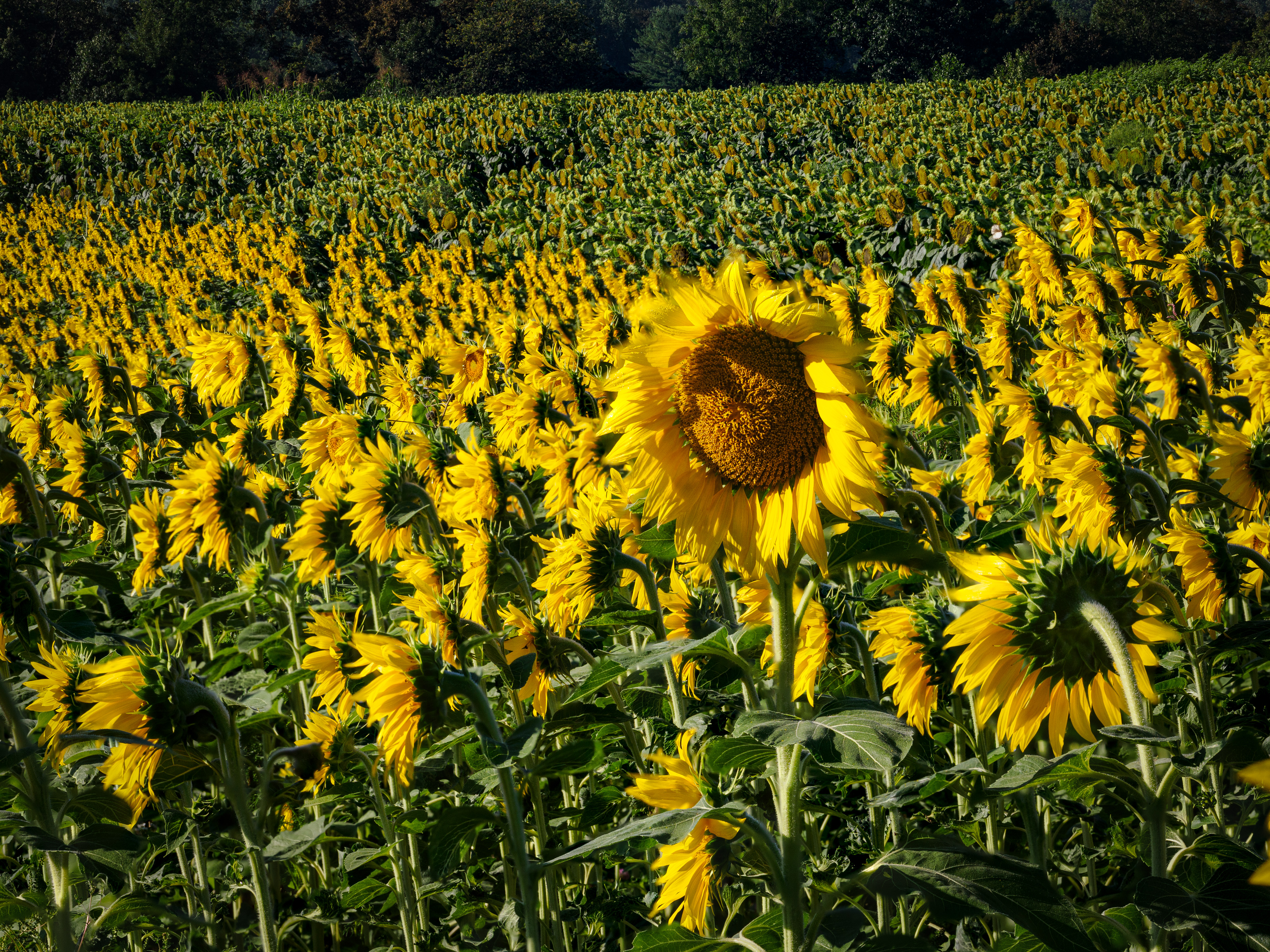
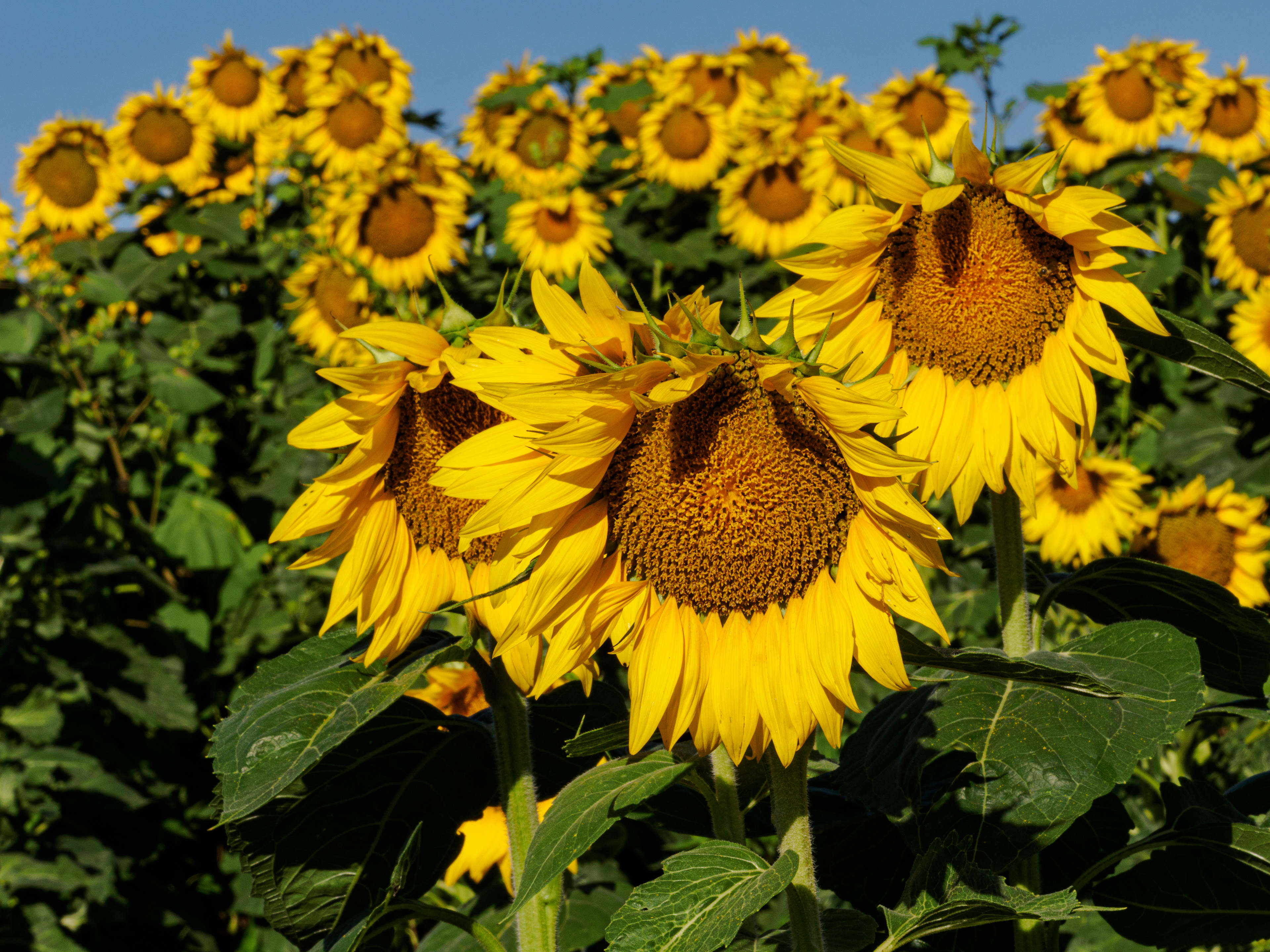
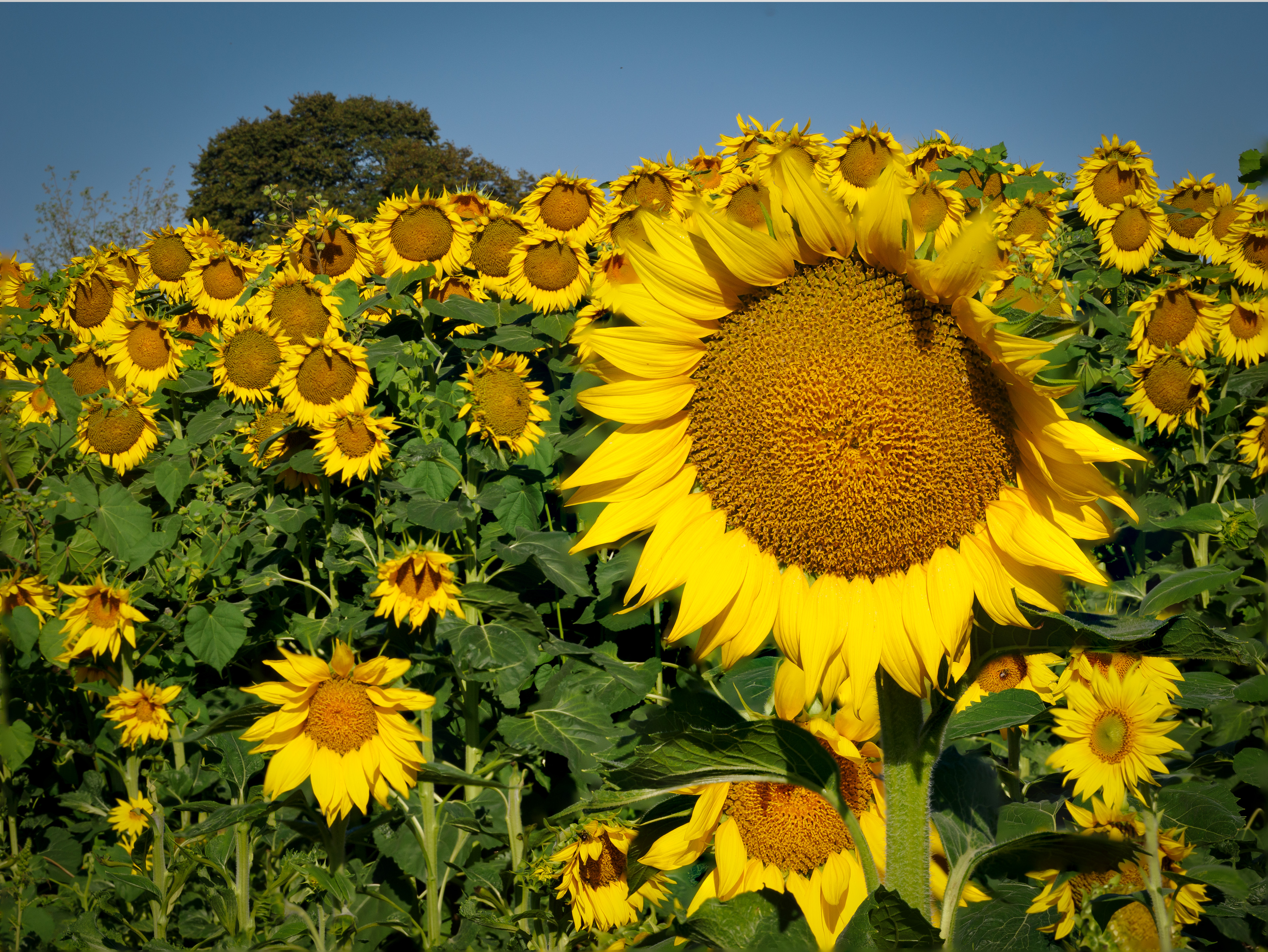
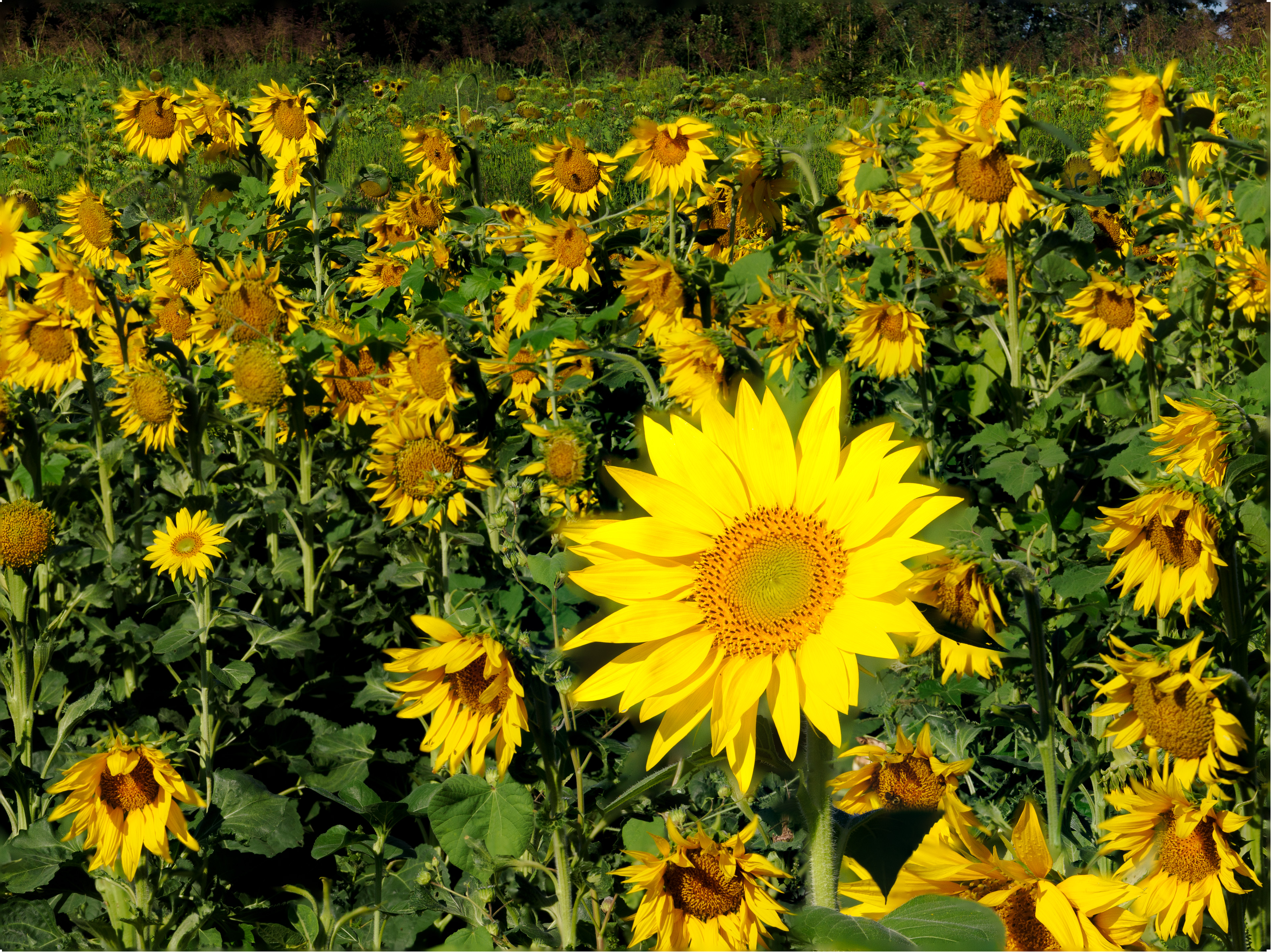
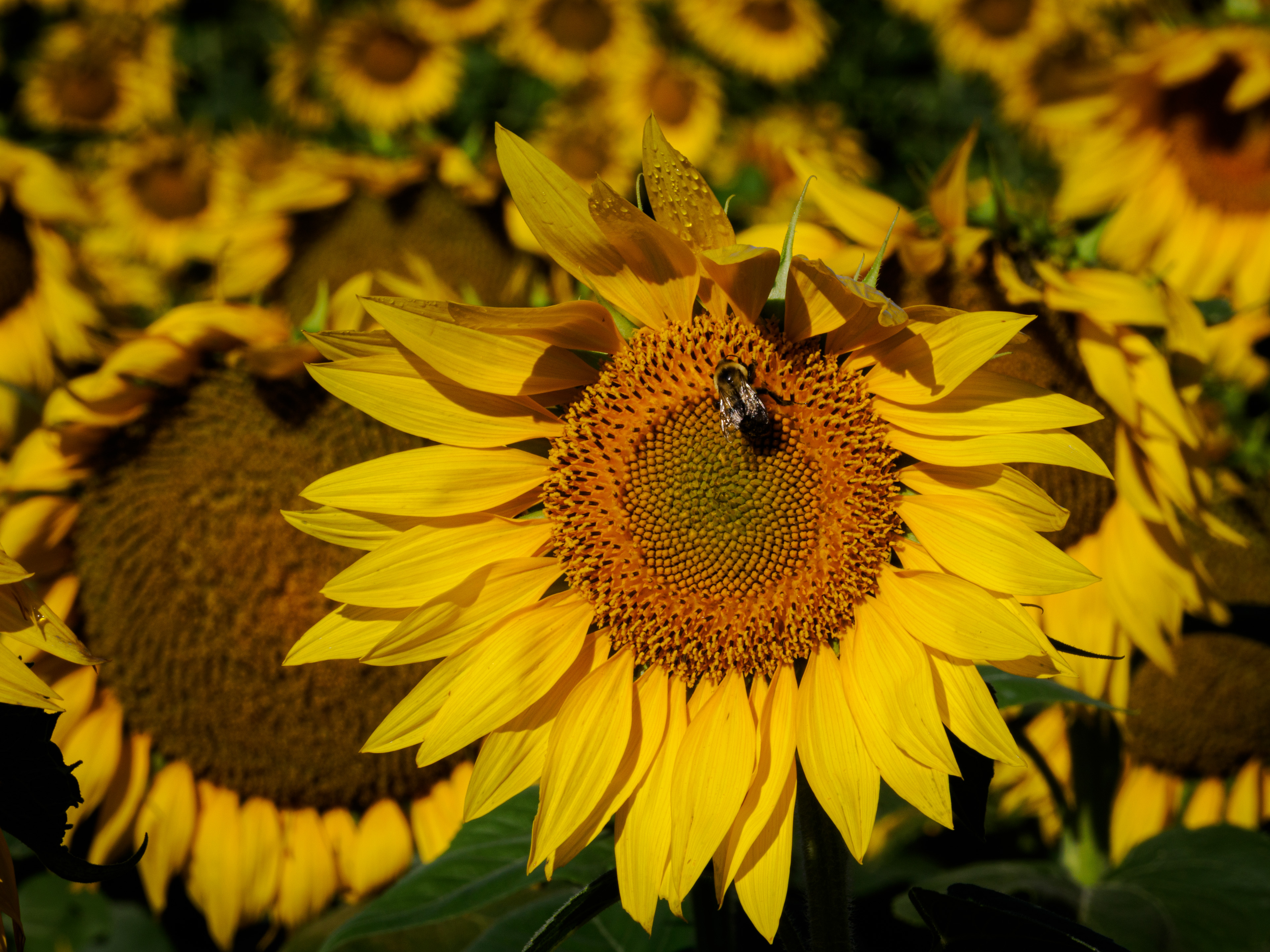
Sunflower Garden

St. Luke’s Arboretum & Gardens of St. Luke’s University Health Network was established in 2020 to foster connections between plants, people, and the community. It functions as a peaceful space where patients, visitors, and staff can enjoy nature, relax, and find comfort. The arboretum features a diverse collection of trees, plants, walking paths, and benches that create a serene environment supportive of healing and well-being. St. Luke’s Arboretum spans approximately 92 acres around St. Luke’s Anderson Campus. Of this, 56 acres are dedicated to seasonal flowers, including cosmos, canola, and crimson clover. The most popular flower field is the 8-acre sunflower field, which blooms every late summer.

The sunflower garden at St. Luke’s University Hospital Anderson Campus is a beautiful sight, bursting into bloom from late July. It features lovely pathways that meander through the field, allowing visitors to get a close-up look at the vibrant flowers, along with cozy benches to sit and enjoy the view.

Full-grown sunflowers face east and stay fixed, often backlit by the sun, creating a picturesque scene.

What’s in Bob’s bag

  • OM1 Mark ll
  • OM-D E-M1 Mark Ill
  • M.Zuiko 40-150mm F2.8 Pro
  • M.Zuiko ED 300mm F4.0 IS Pro
  • M.Zuiko Digital 1.4x Teleconverter MC-14
  • M.Zuiko Digital 2X Teleconverter MC-20
  • M.Zuiko 12-40mm F2.8 Pro
  • M.Zuiko 7-14mm F2.8 Pro
  • M.Zuiko ED 8mm F1.8 Fisheye Pro
  • M.Zuiko ED 12-100mm f4.0 IS Pro
  • M.Zuiko ED 45mm f/1.2
  • M.Zuiko ED 20mm f/1.4
  • M.Zuiko ED 60mm f2.8 Macro
  • M.Zuiko ED 20mm f/1.4 Pro
  • M.Zuiko ED 45mm f/1.2 Pro
  • Manfrotto MHXPRO-BHQ2 XPRO Ball Head
  • Manfrotto 265CB CF Tripod
  • Manfrotto 290 Carbon Fiber Monopod
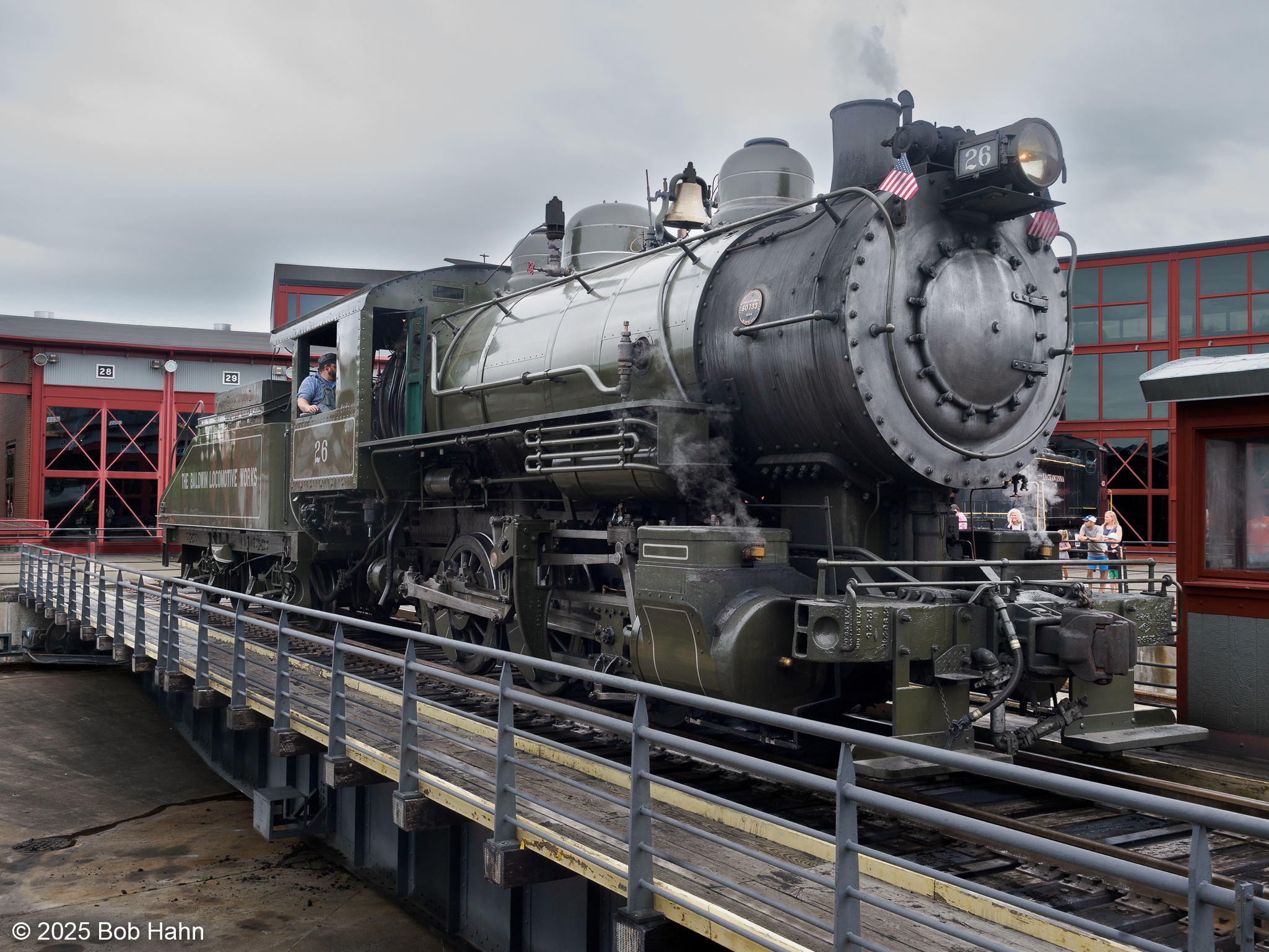
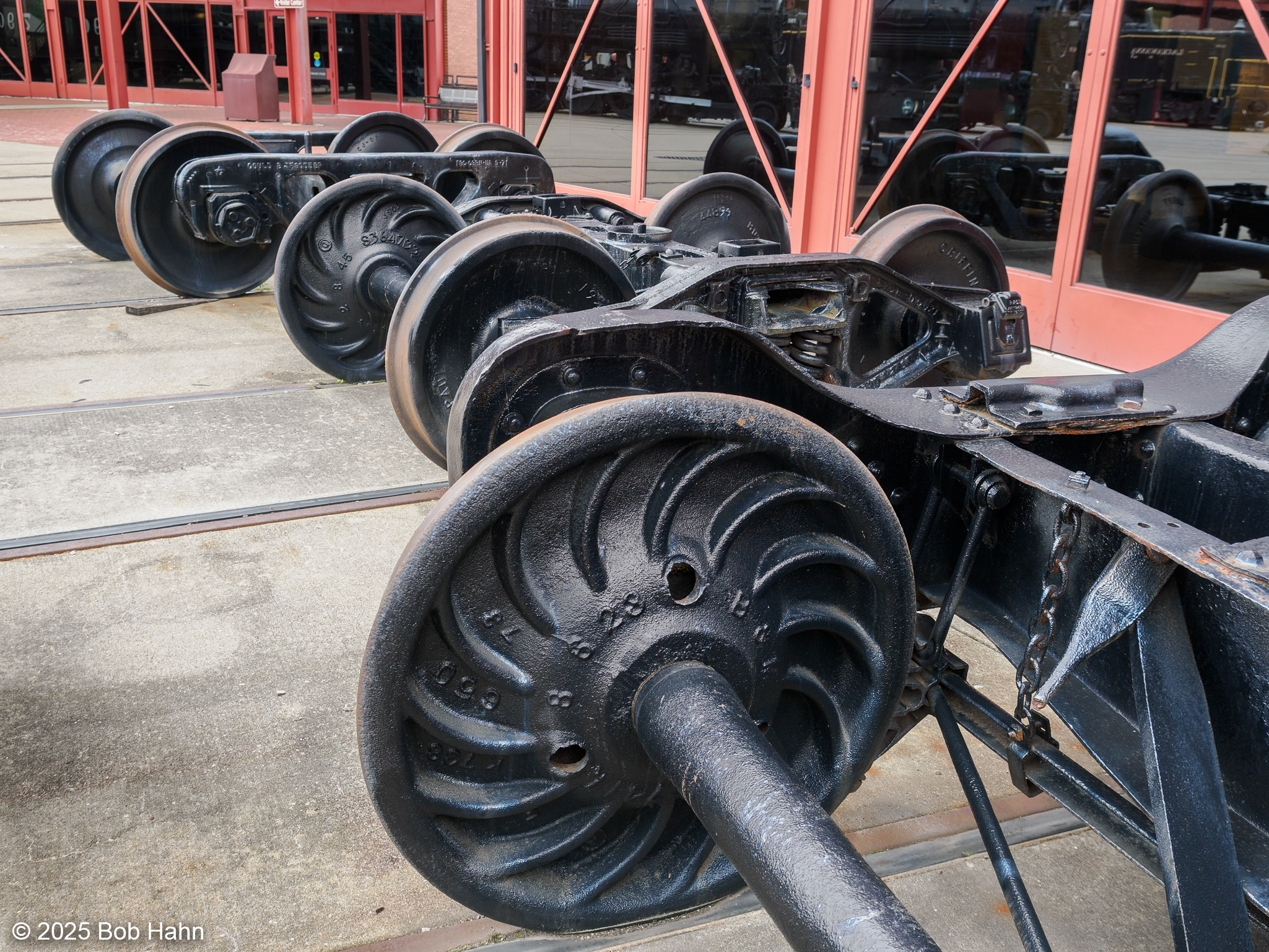
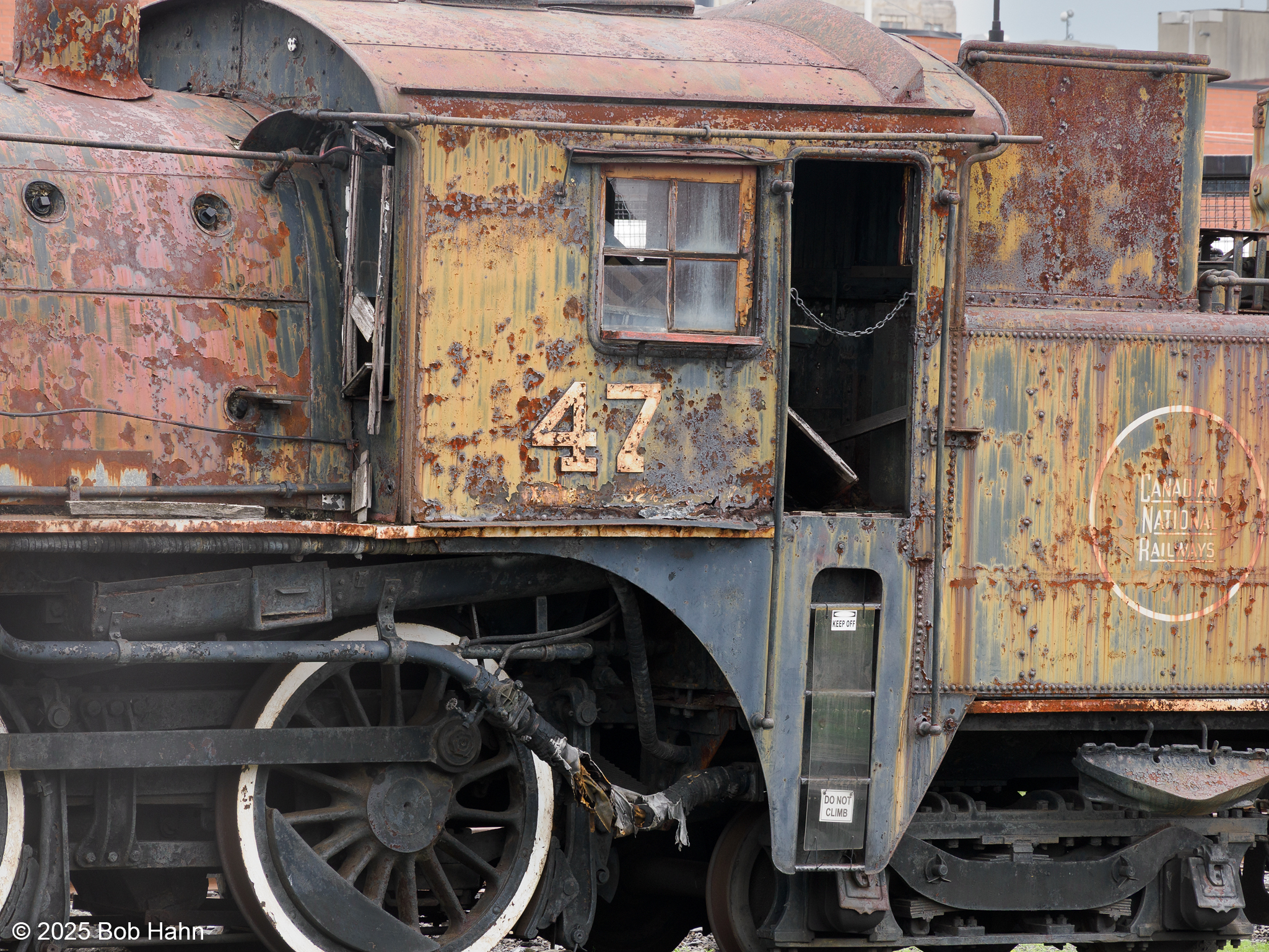
Steamtown National Historic Site

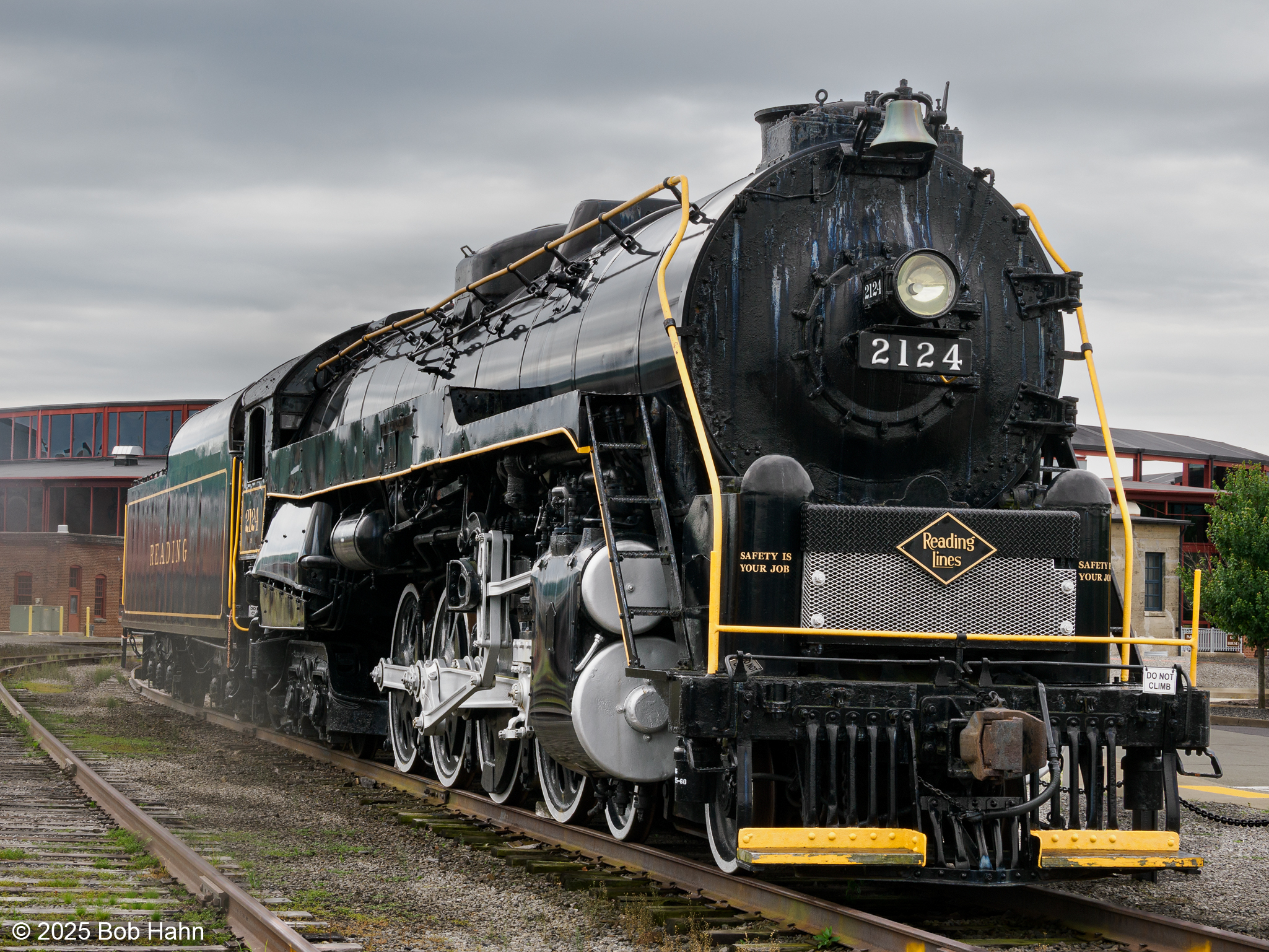
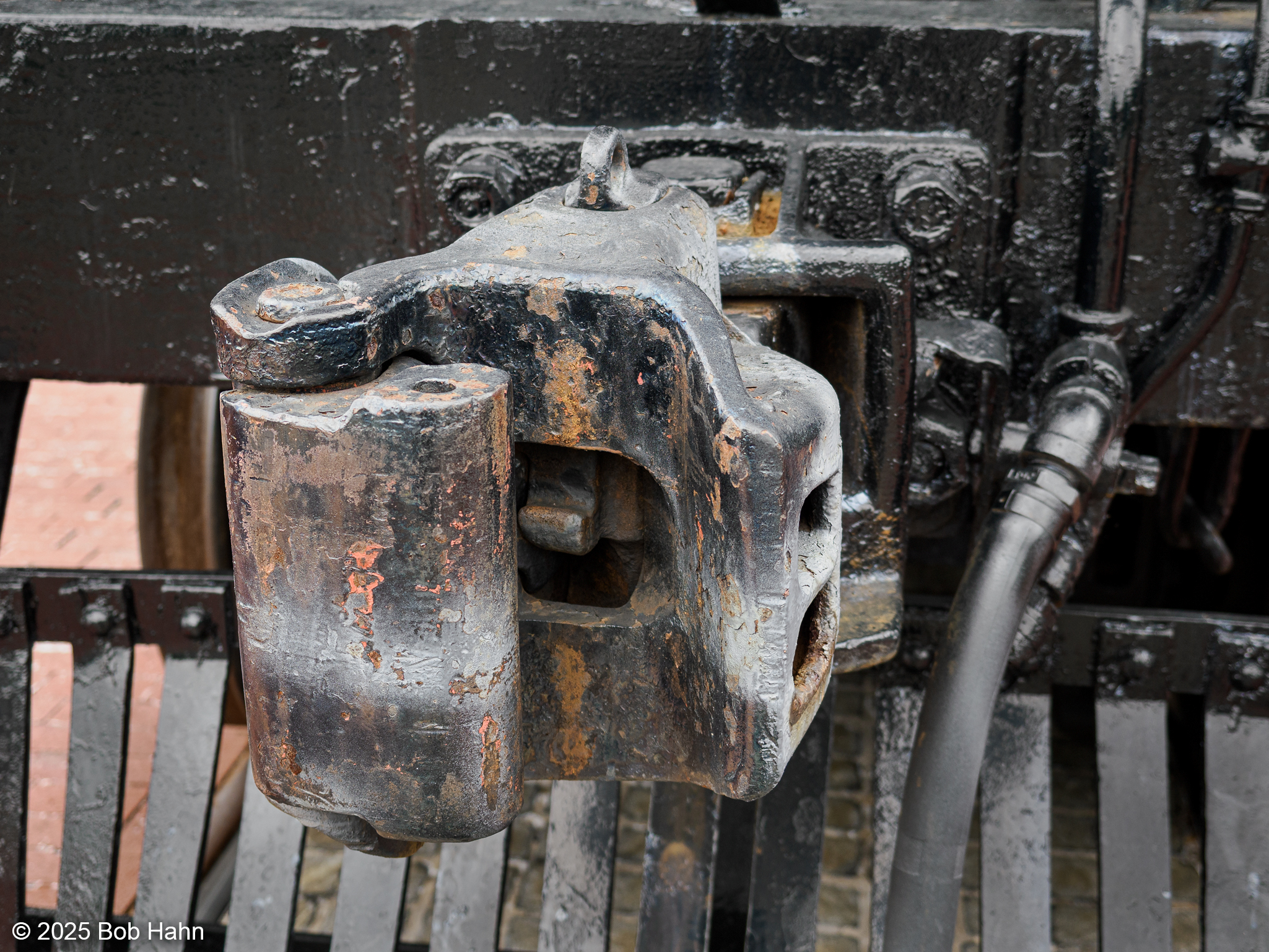
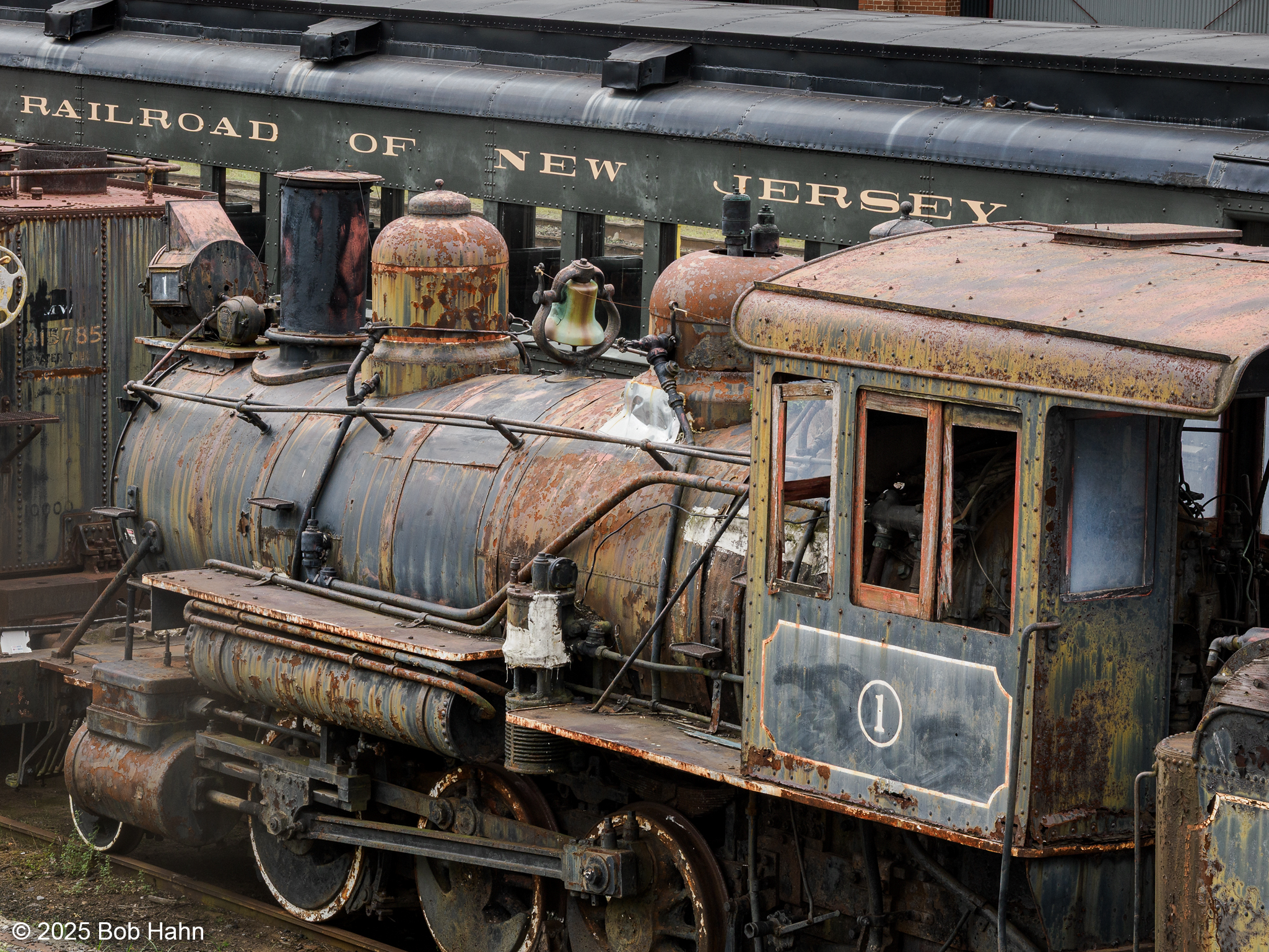
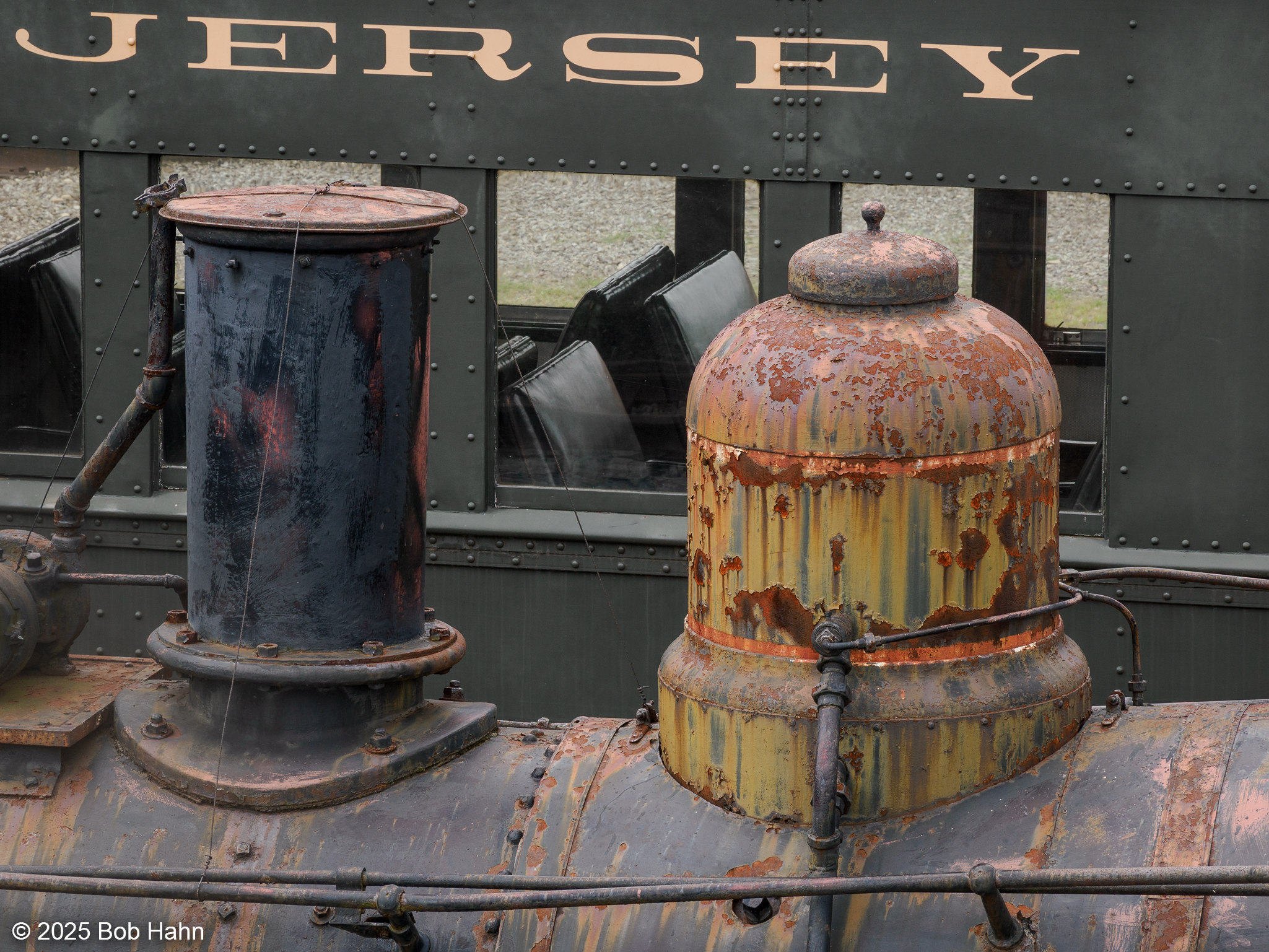
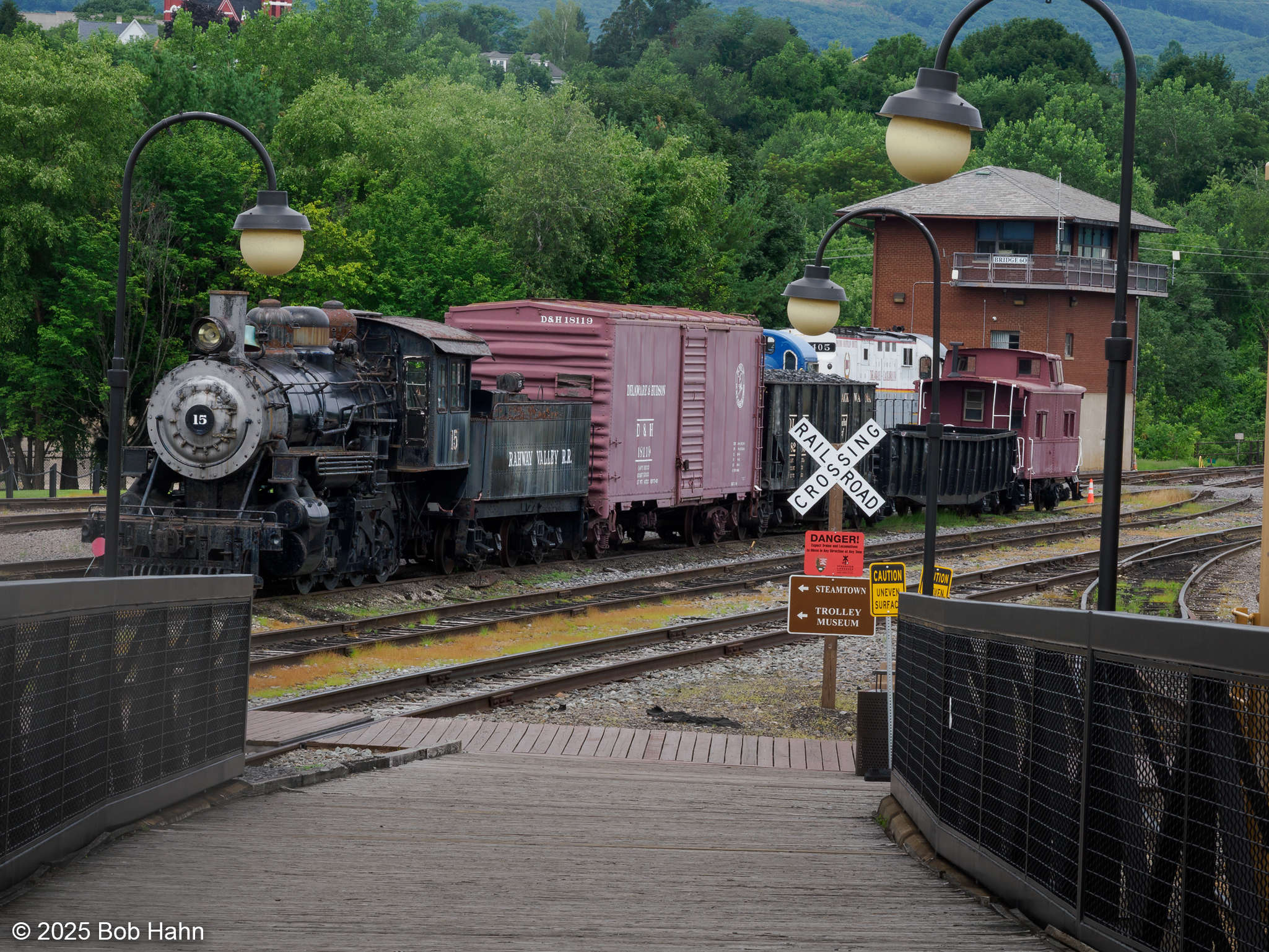
Steamtown NHS occupies about 40 acres of the Scranton railroad yard of the former Delaware, Lackawanna and Western Railroad, one of the earliest rail lines in northeastern Pennsylvania. At the heart of the park is the large collection of standard-gauge steam locomotives and freight and passenger cars that New England seafood processor F. Nelson Blount assembed in the 1950s and 1960s. In 1984, 17 years after Blount’s untimely death, the Steamtown Foundation for the Preservation of Steam and Railroad Americana, Inc., brought the collection to Scranton, where it occupied the former DL&W yard. When Steamtown National Historic Site was created, the yard and the collection became part of the National Park System.

The Steamtown Collection consists of locomotives, freight cars, passenger cars, and maintenance-of-way equipment from several historic railroads. The locomotives range in size from a tiny industrial switcher engine built in 1937 by the H.K. Porter Company for the Bullard Company, to a huge Union Pacific “Big Boy” built in 1941 by the American Locomotive Company (Alco). The oldest locomotive is a freight engine built by American Locomotive Company in 1903 for the Chicago Union Transfer Railway Company.

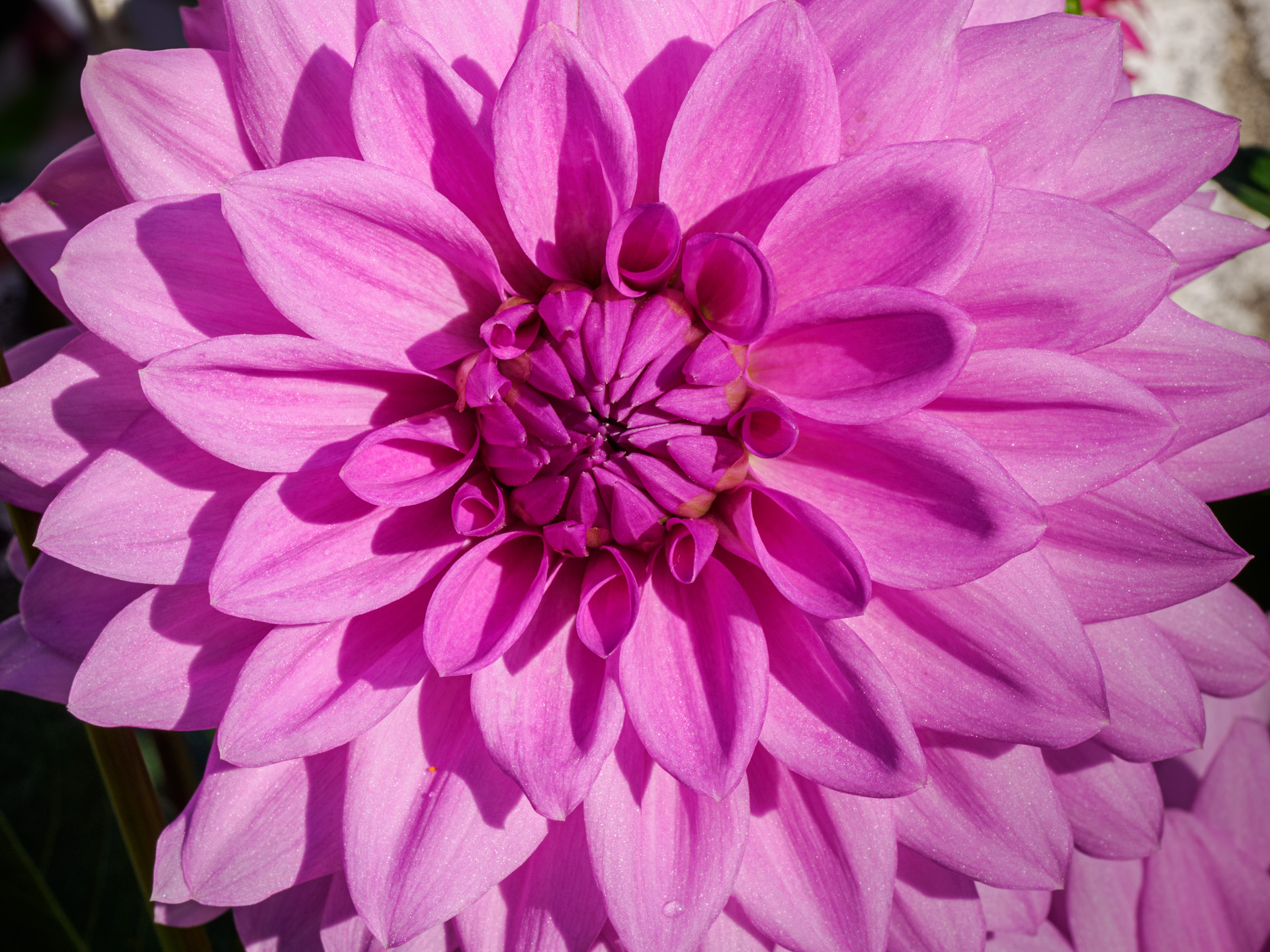
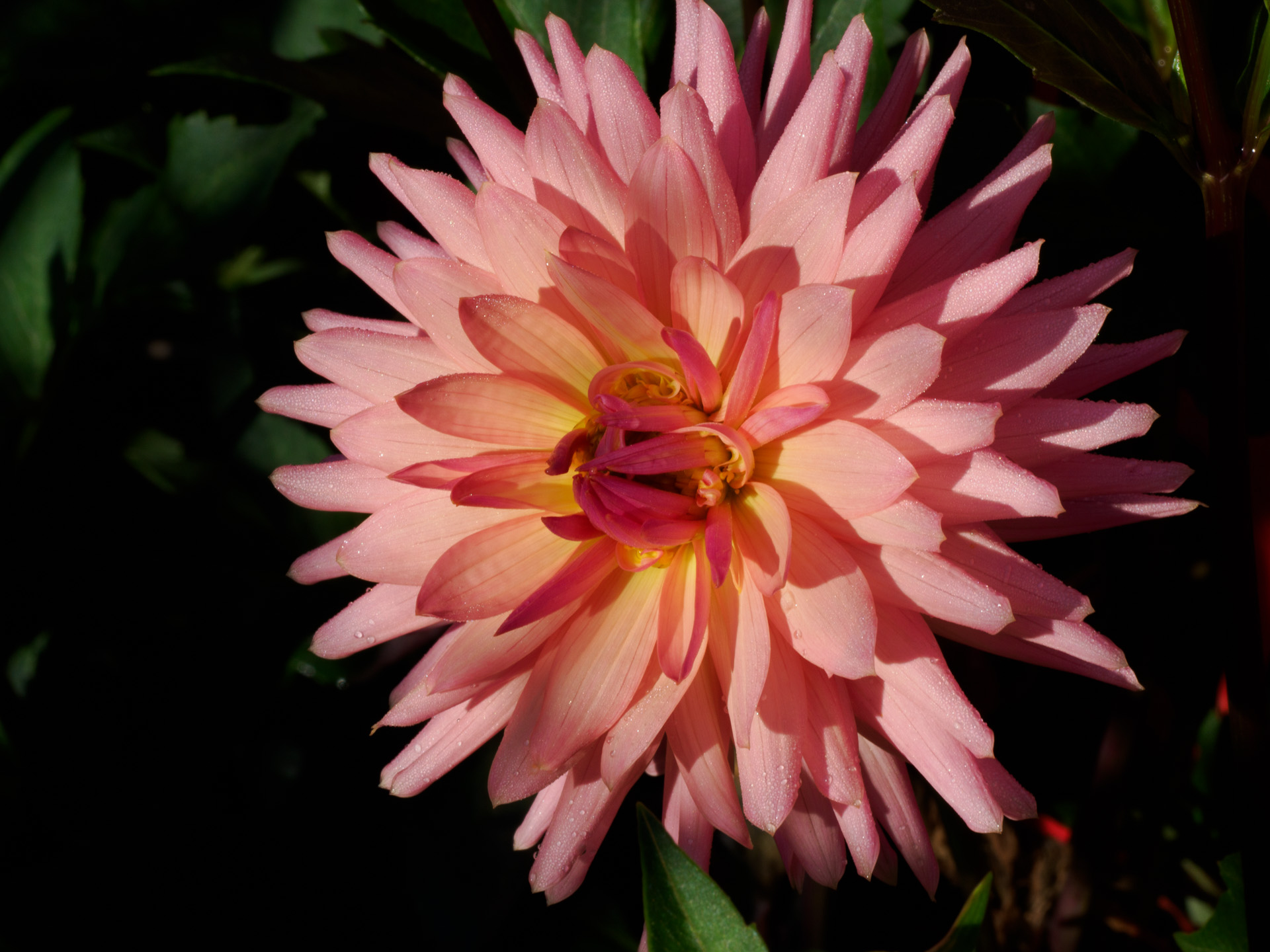
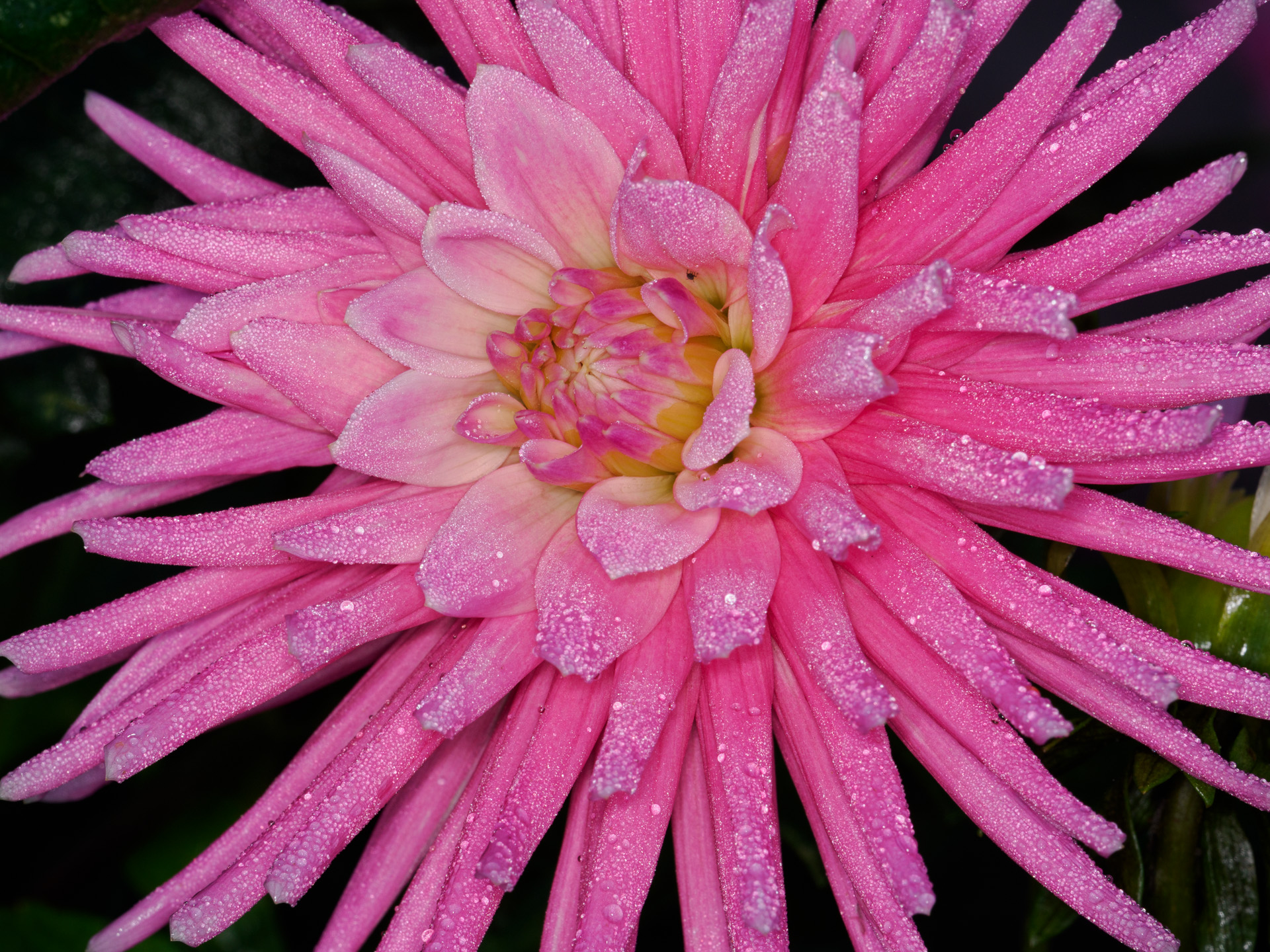
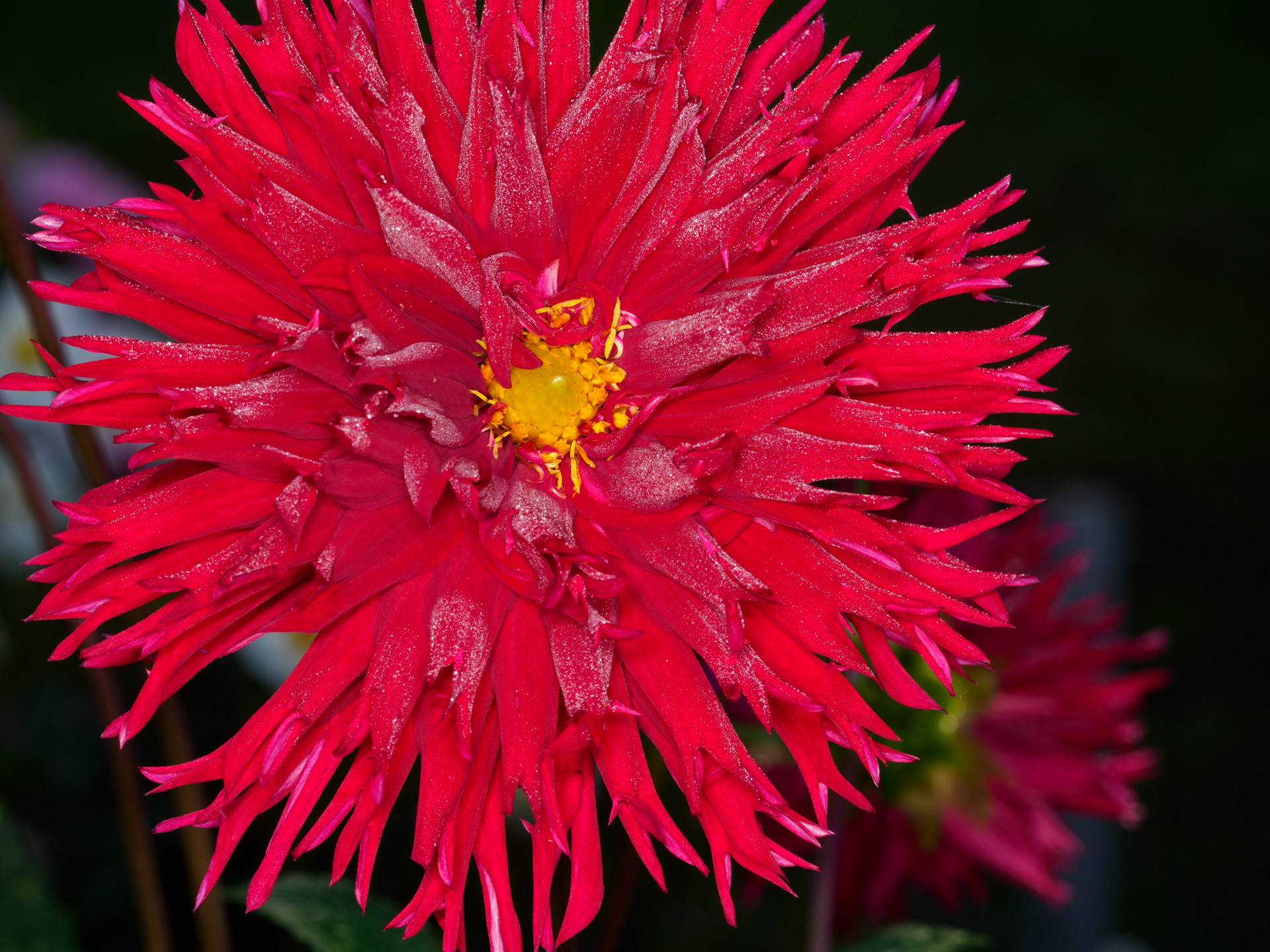
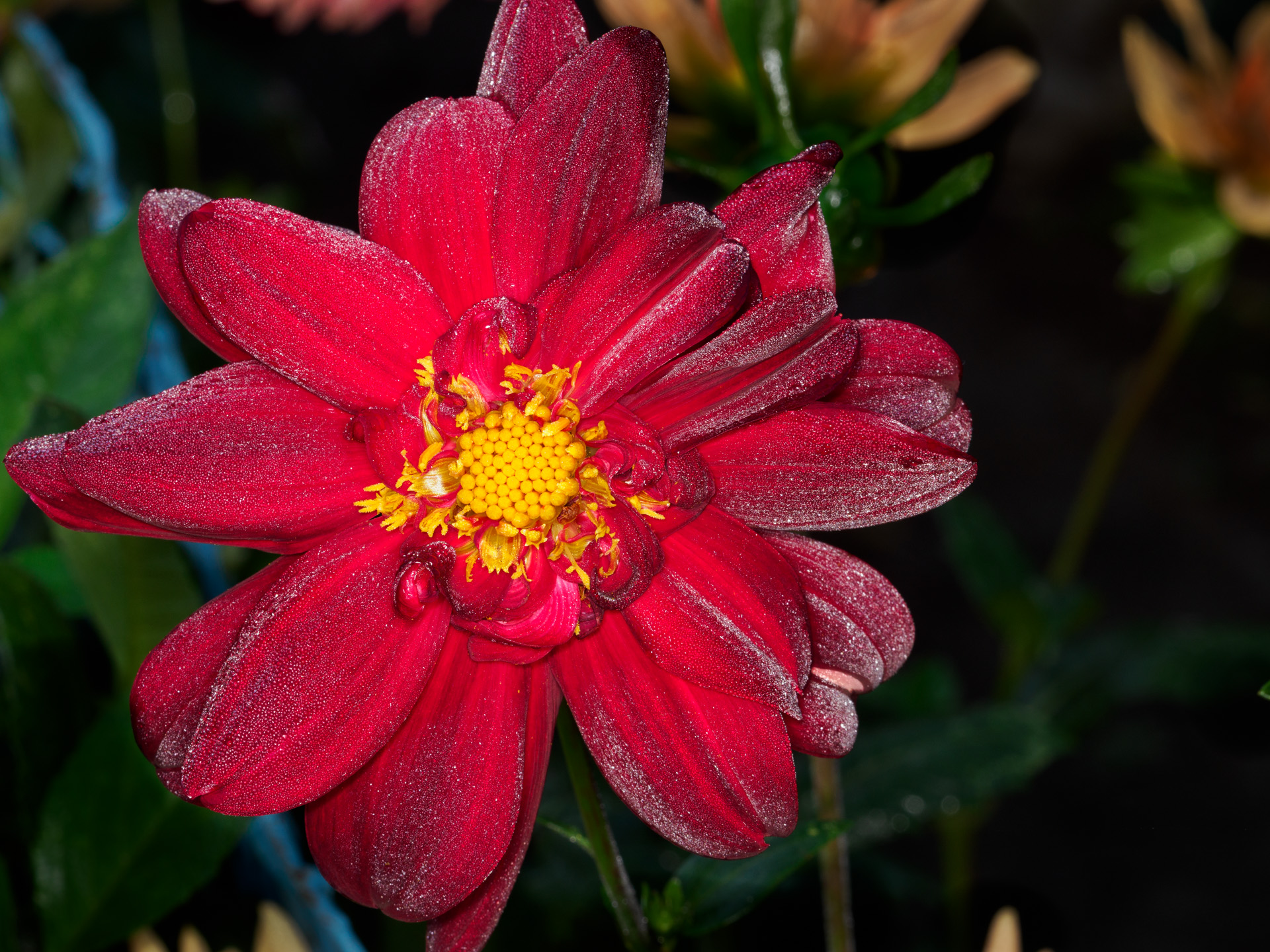
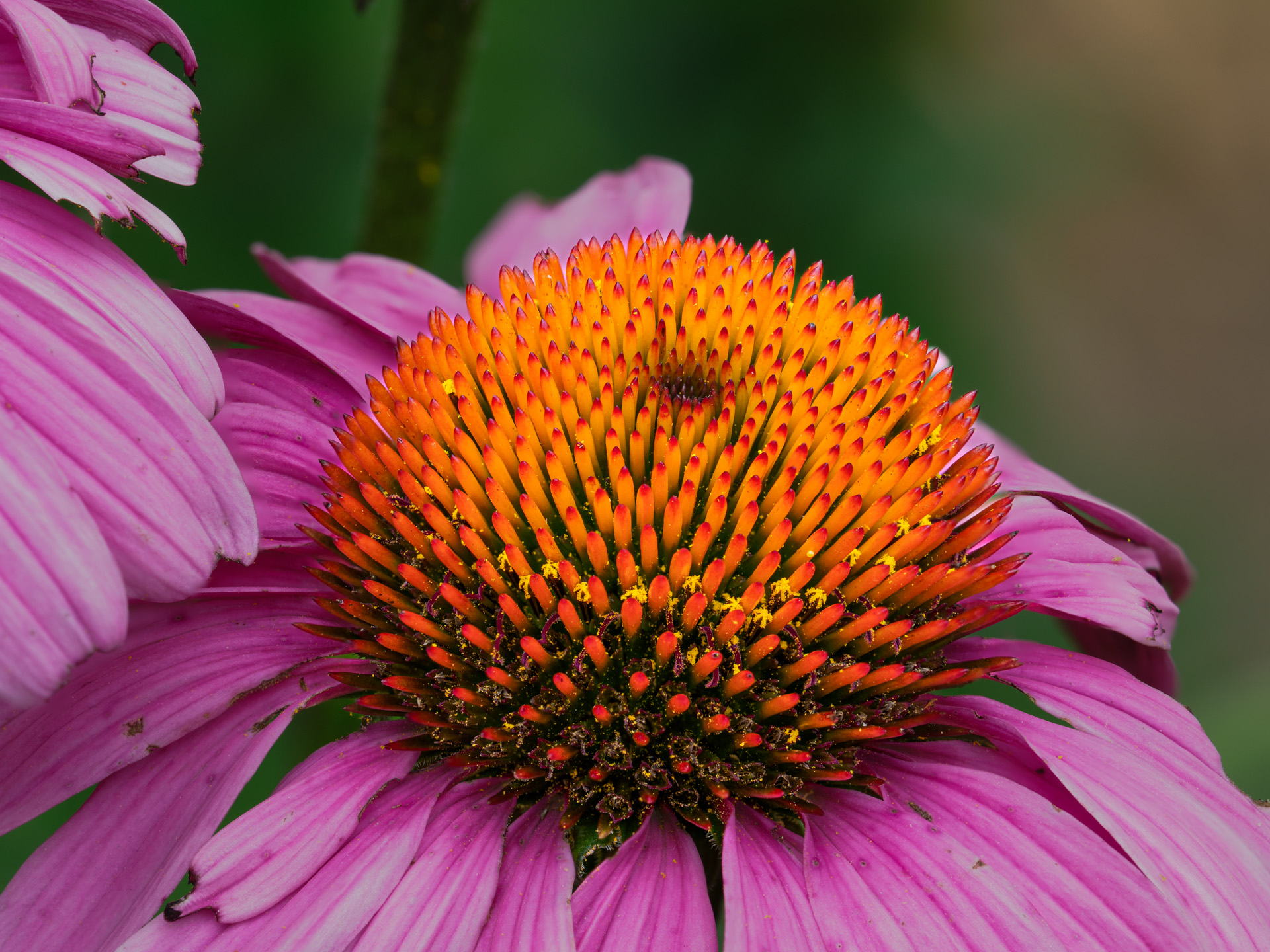
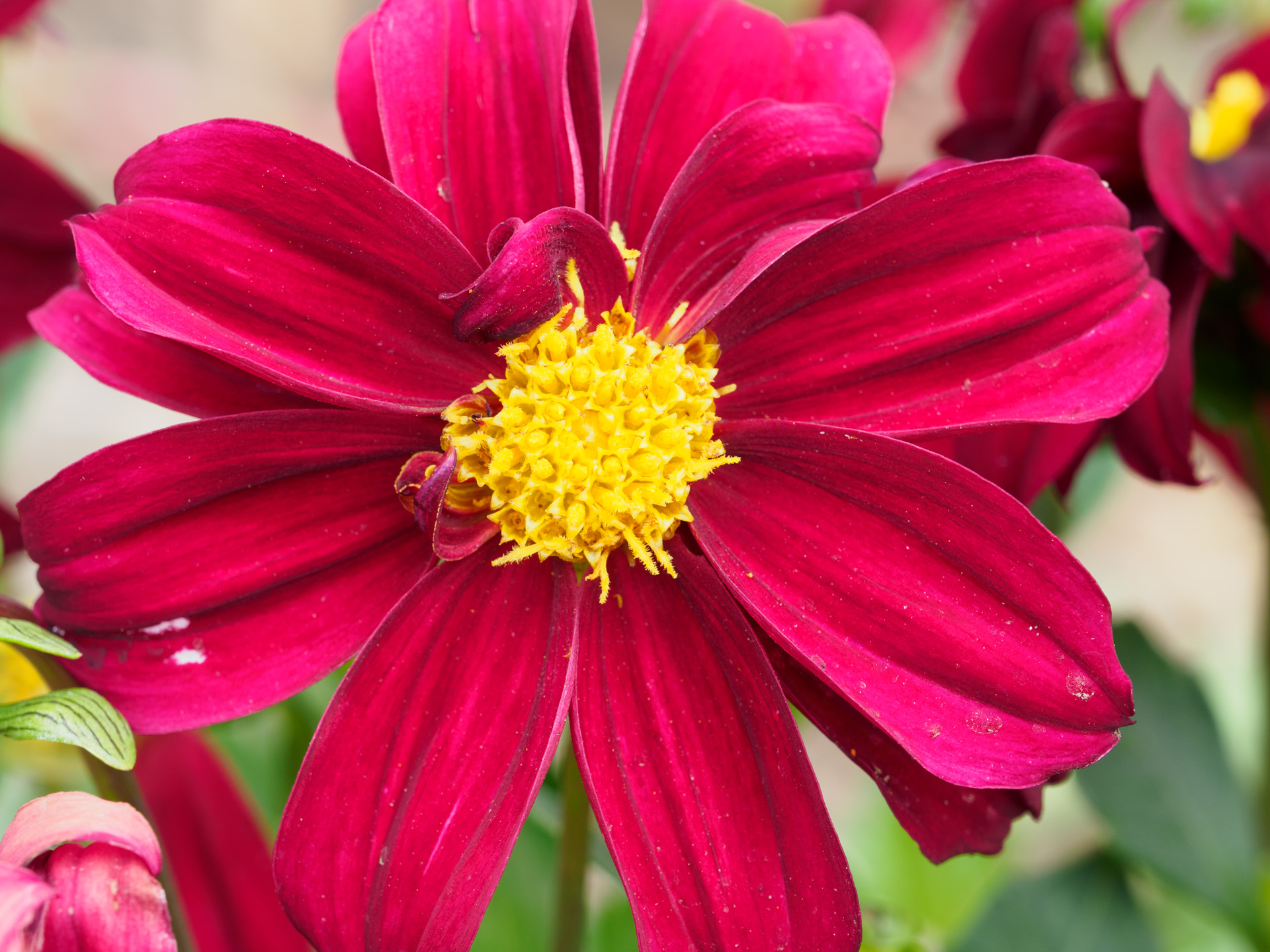
Dahlias

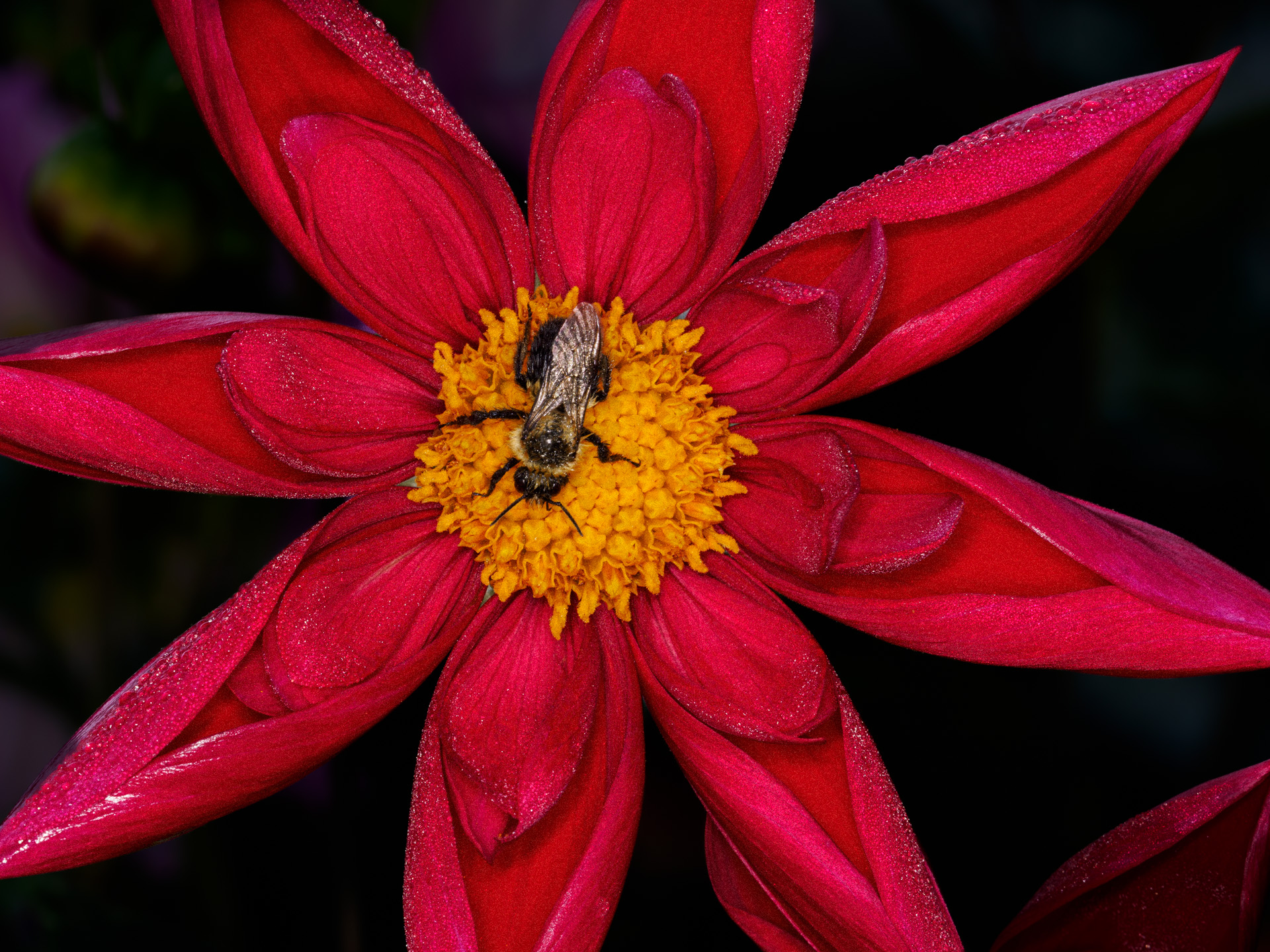
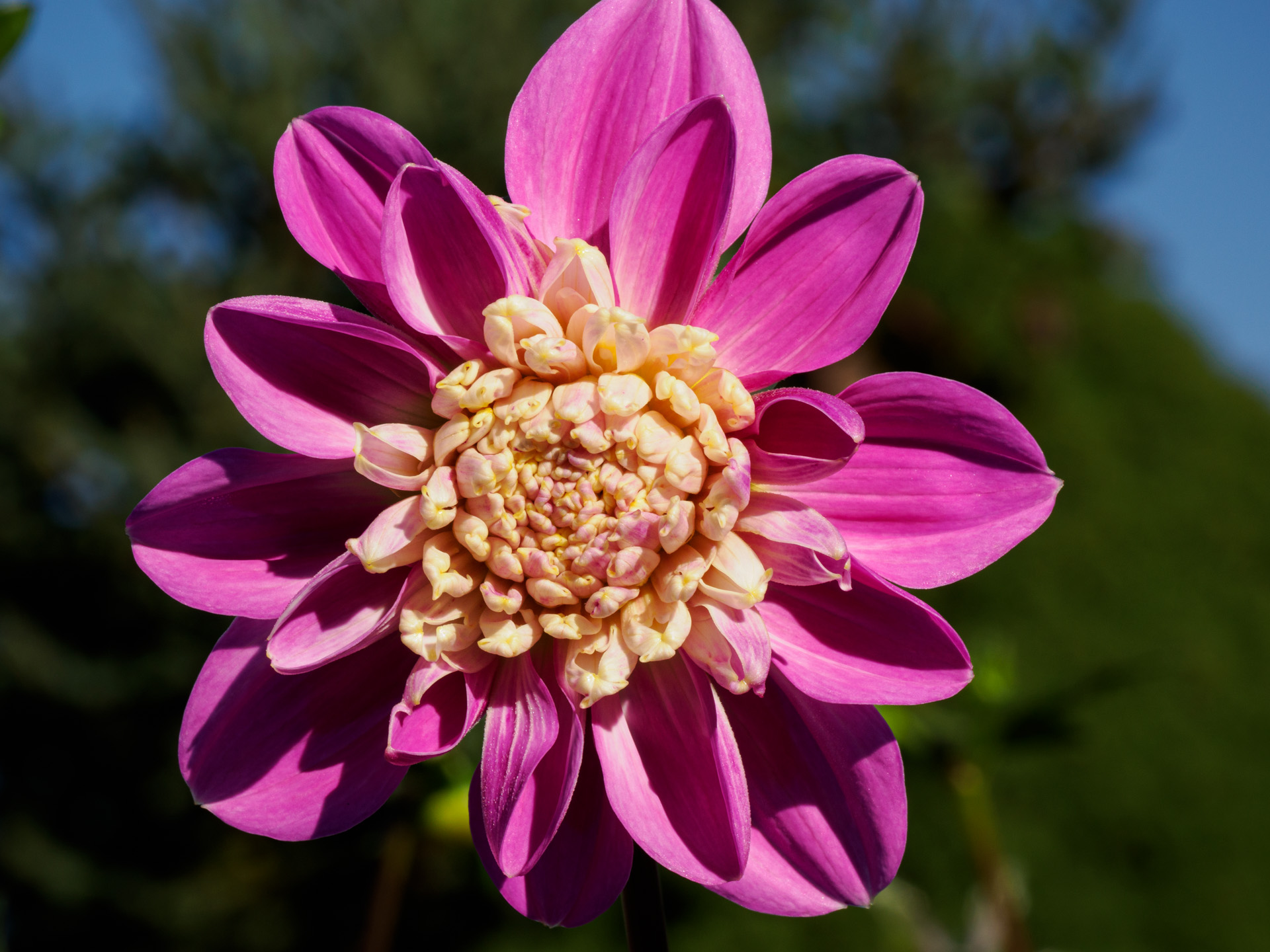
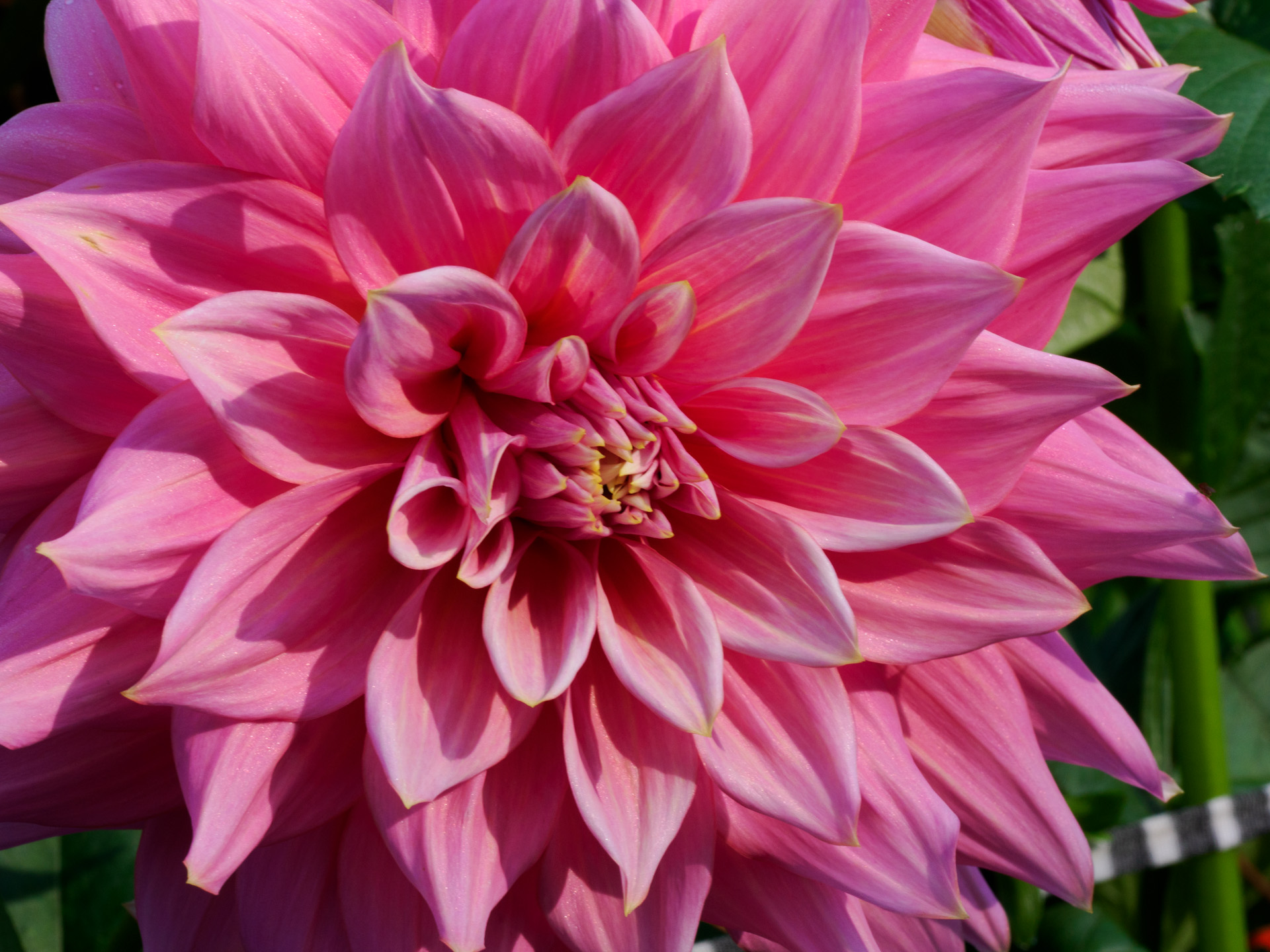
Dahlias are perennial plants with tuberous roots, though they are grown as annuals in some regions with cold winters. While some have herbaceous stems, others have stems that lignify in the absence of secondary tissue and resprout following winter dormancy, allowing further seasons of growth. As a member of the Asteraceae, the dahlia has a flower head that is a composite with both central disc florets and surrounding ray florets. Each floret is a flower in its own right but is often incorrectly described as a petal. The modern name Asteraceae refers to the appearance of a star with surrounding rays.

Photographs taken at Delightful Dahlias on Mockingbird Hill Road, Lower Saucon Township, PA. There are more than 100 varieties of dahlias bloom in four separate gardens spread across one-and-a-half acres 

What’s in Bob’s bag?

  • OM1 Mark ll
  • OM-D E-M1 Mark Ill
  • M.Zuiko 40-150mm F2.8 Pro
  • M.Zuiko ED 300mm F4.0 IS Pro
  • M.Zuiko Digital 1.4x Teleconverter MC-14
  • M.Zuiko Digital 2X Teleconverter MC-20
  • M.Zuiko 12-40mm F2.8 Pro
  • M.Zuiko 7-14mm F2.8 Pro
  • M.Zuiko ED 8mm F1.8 Fisheye Pro
  • M.Zuiko ED 12-100mm f4.0 IS Pro
  • M.Zuiko ED 45mm f/1.2
  • M.Zuiko ED 20mm f/1.4
  • M.Zuiko ED 60mm f2.8 Macro
  • M.Zuiko ED 20mm f/1.4 Pro
  • M.Zuiko ED 45mm f/1.2 Pro
  • Manfrotto MHXPRO-BHQ2 XPRO Ball Head
  • Manfrotto 265CB CF Tripod
  • Manfrotto 290 Carbon Fiber Monopod
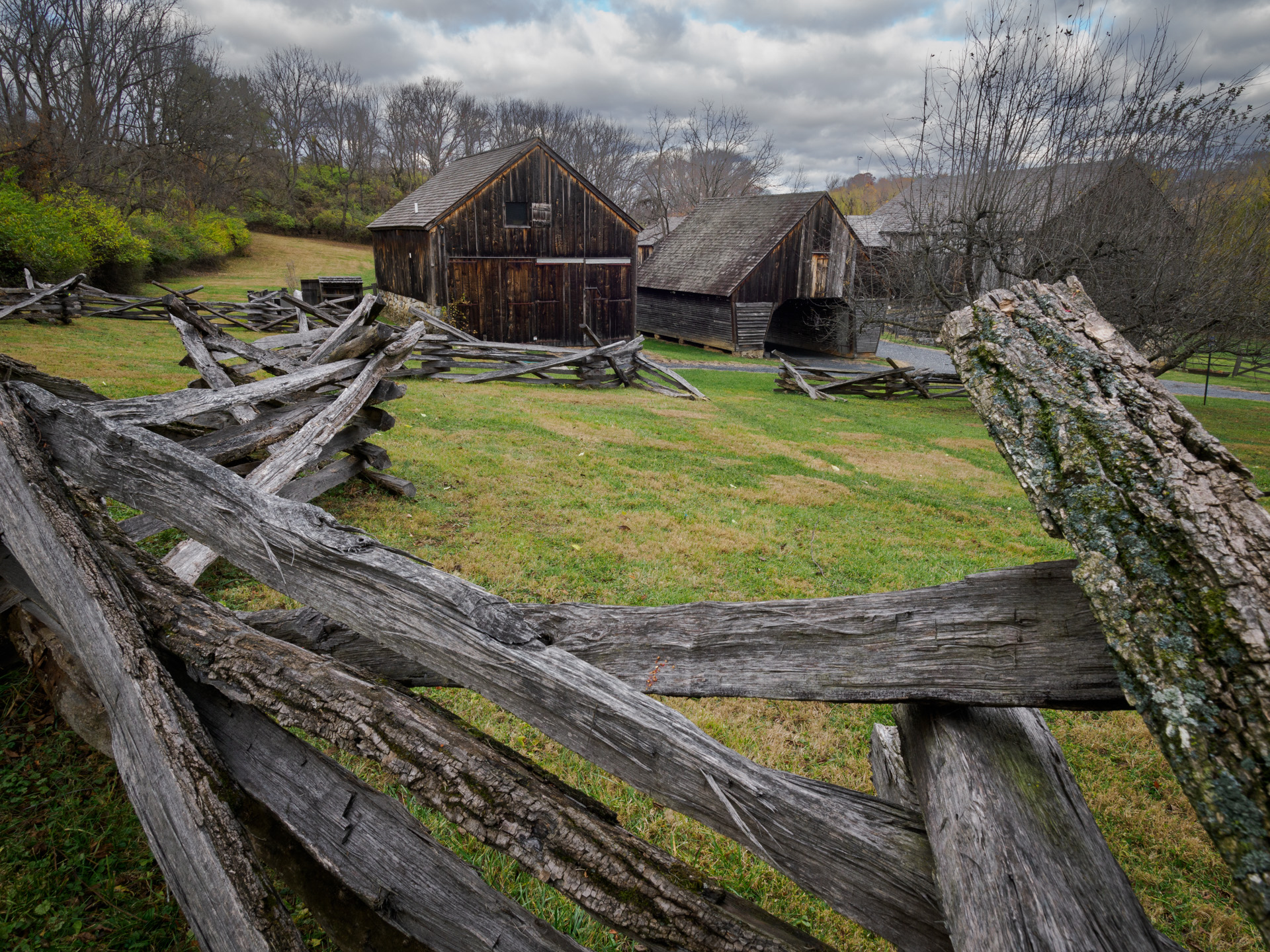
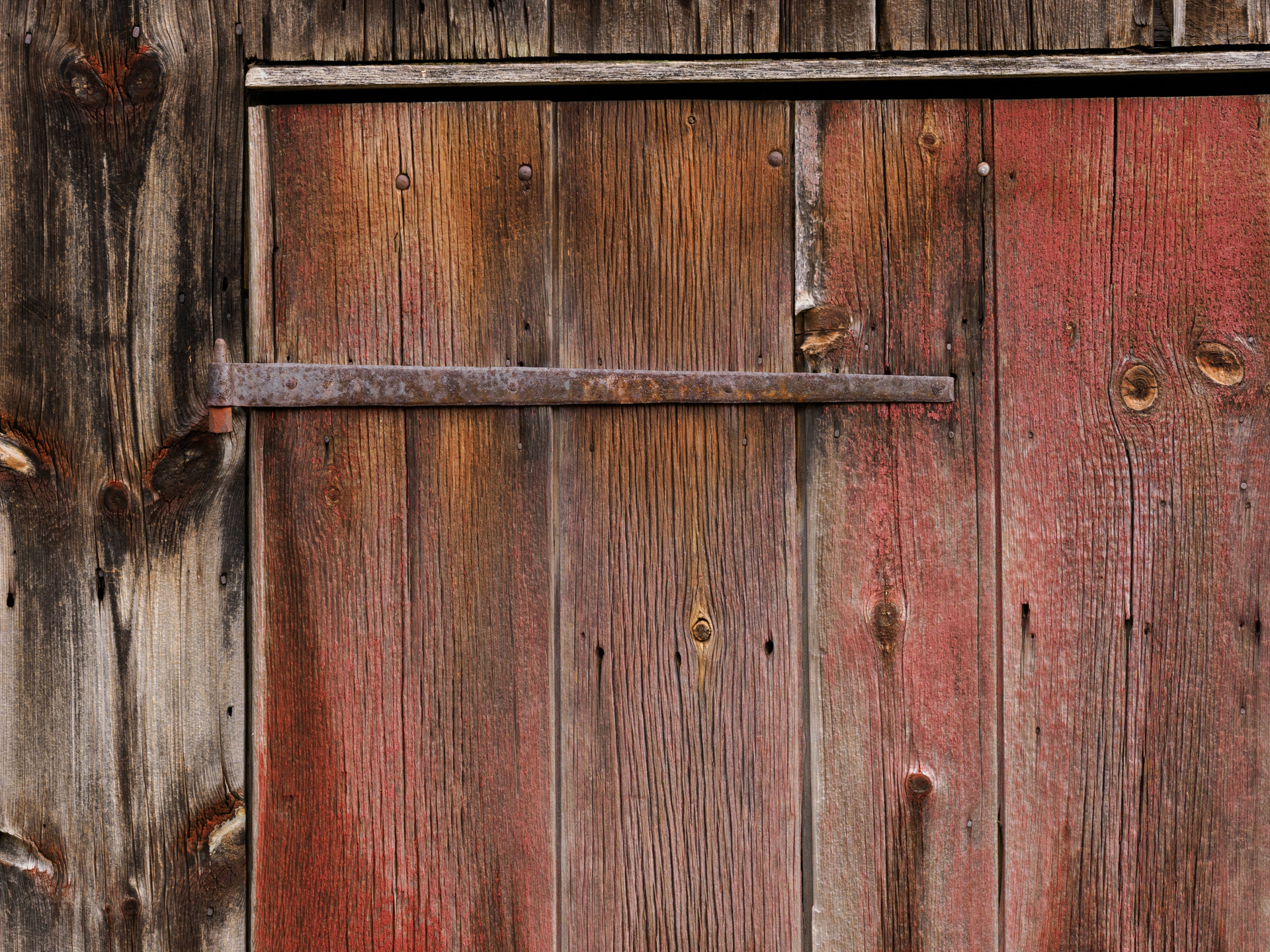
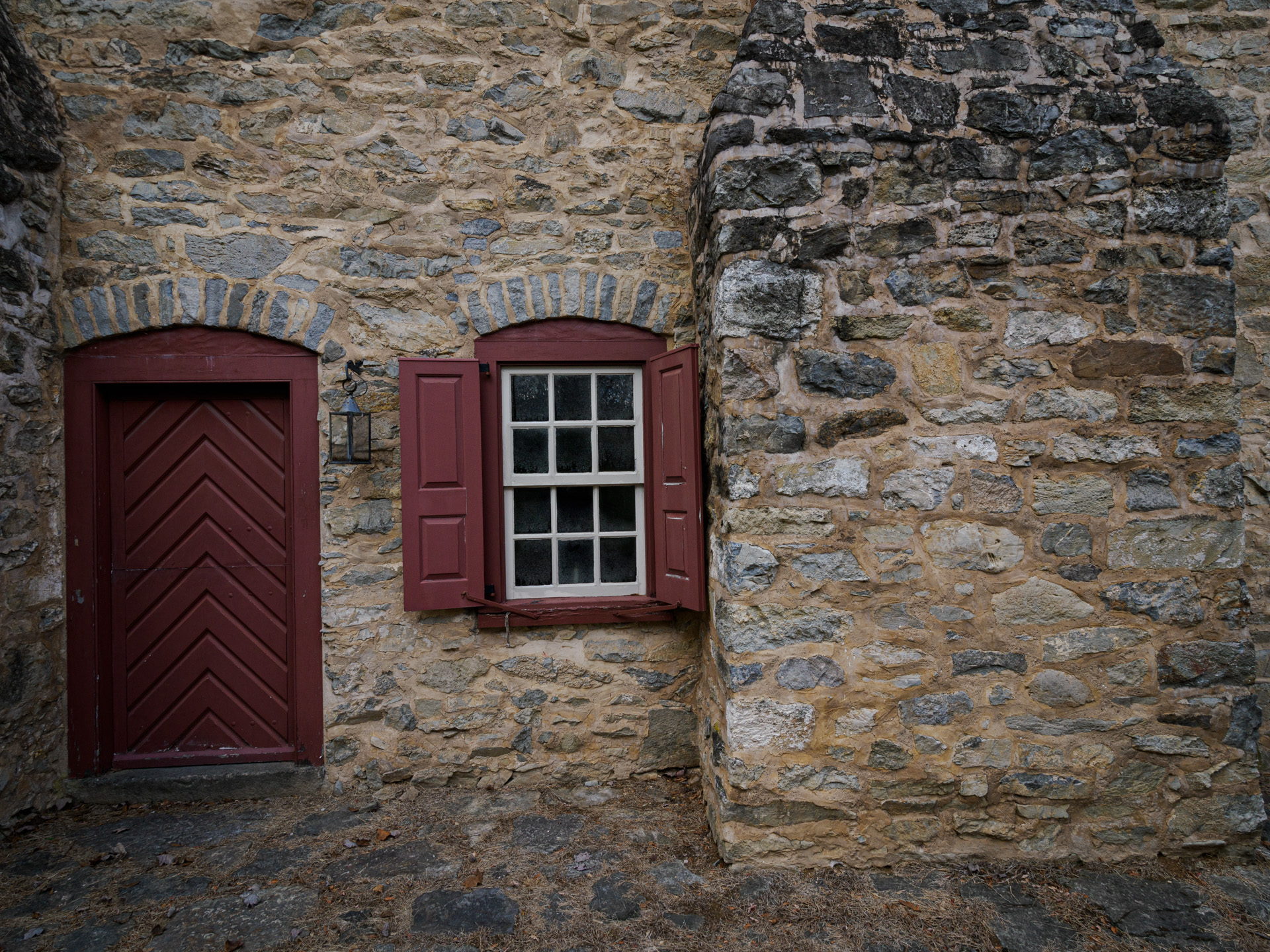
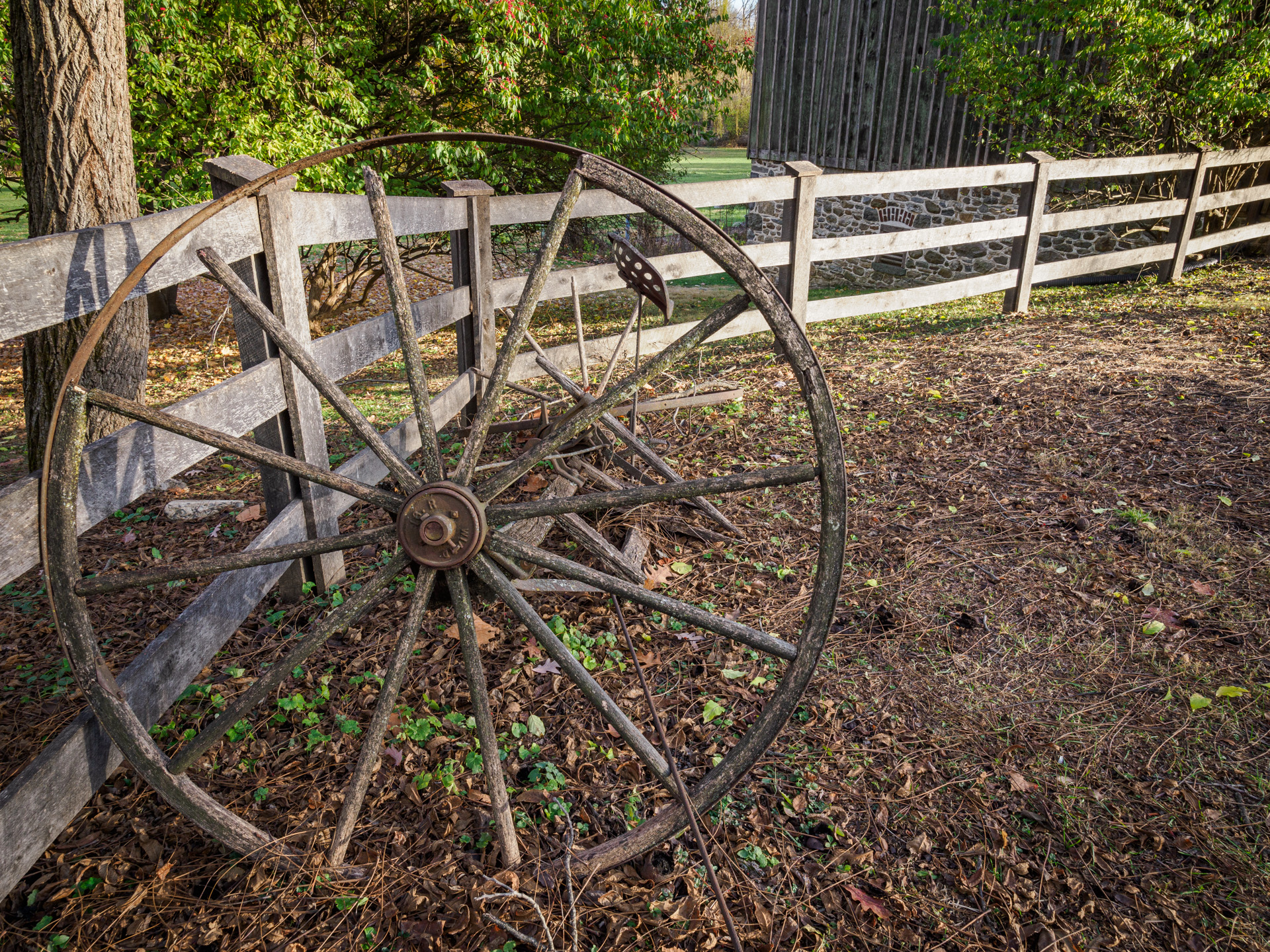
    Burnside Plantation

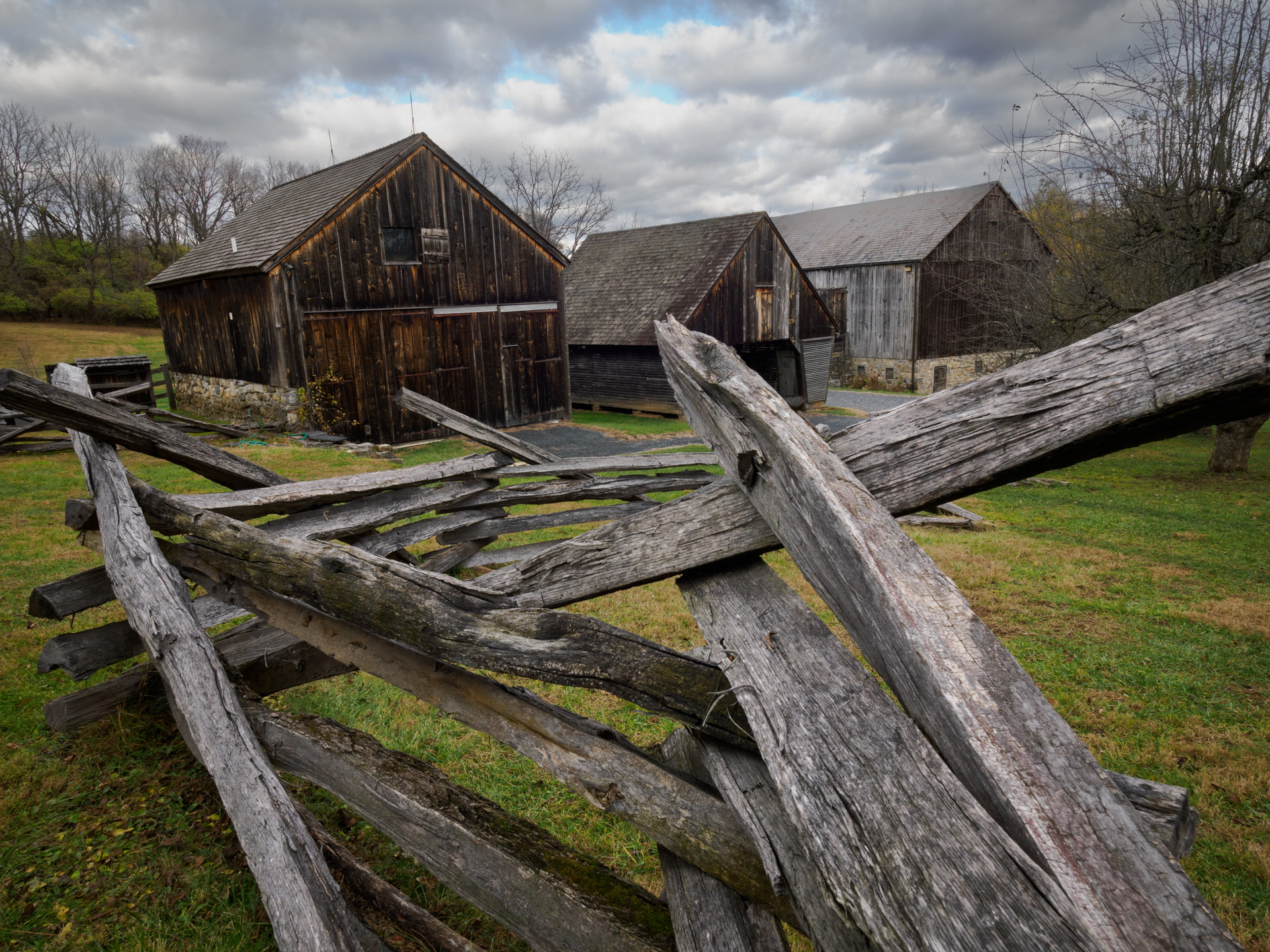
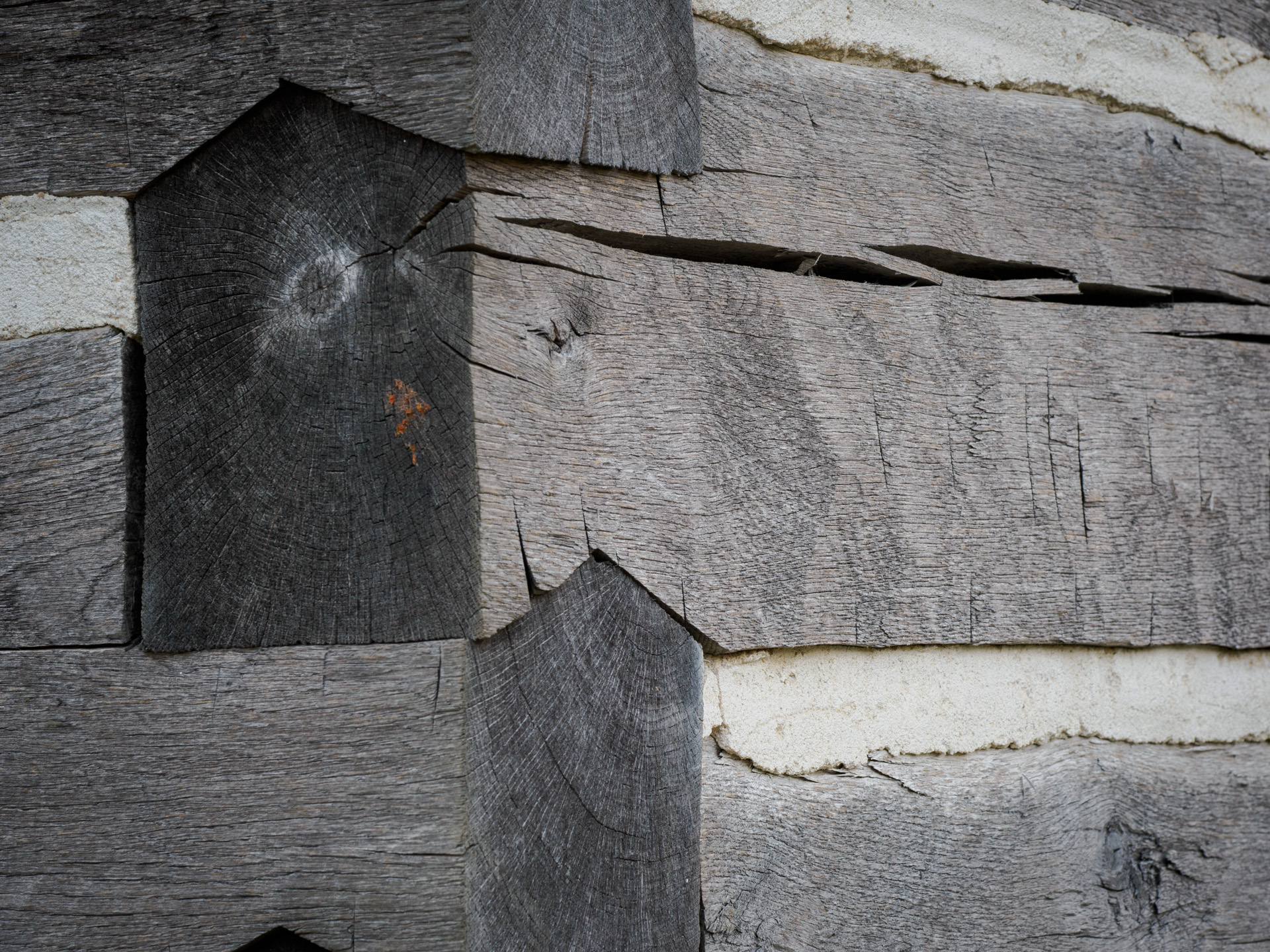
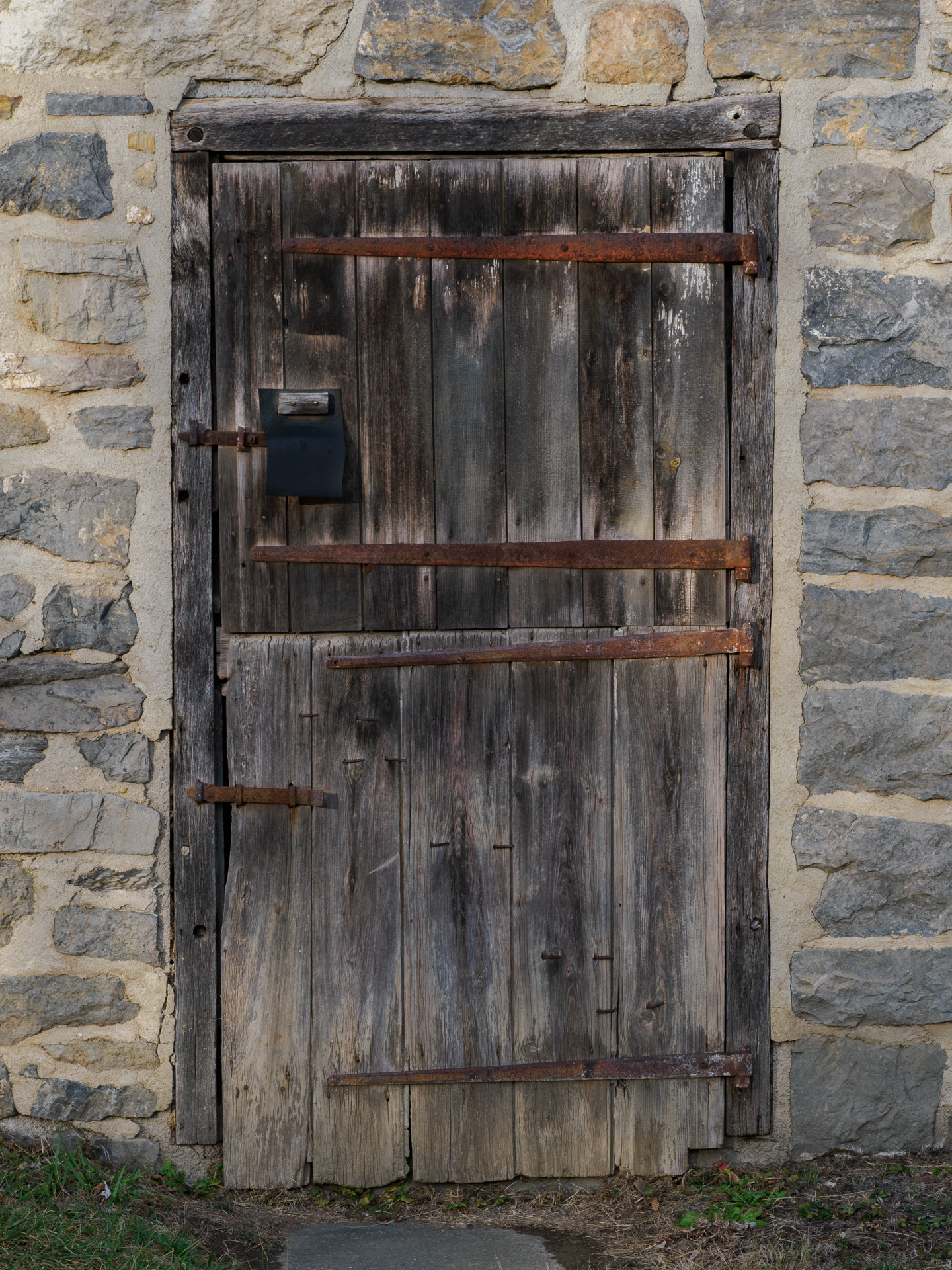
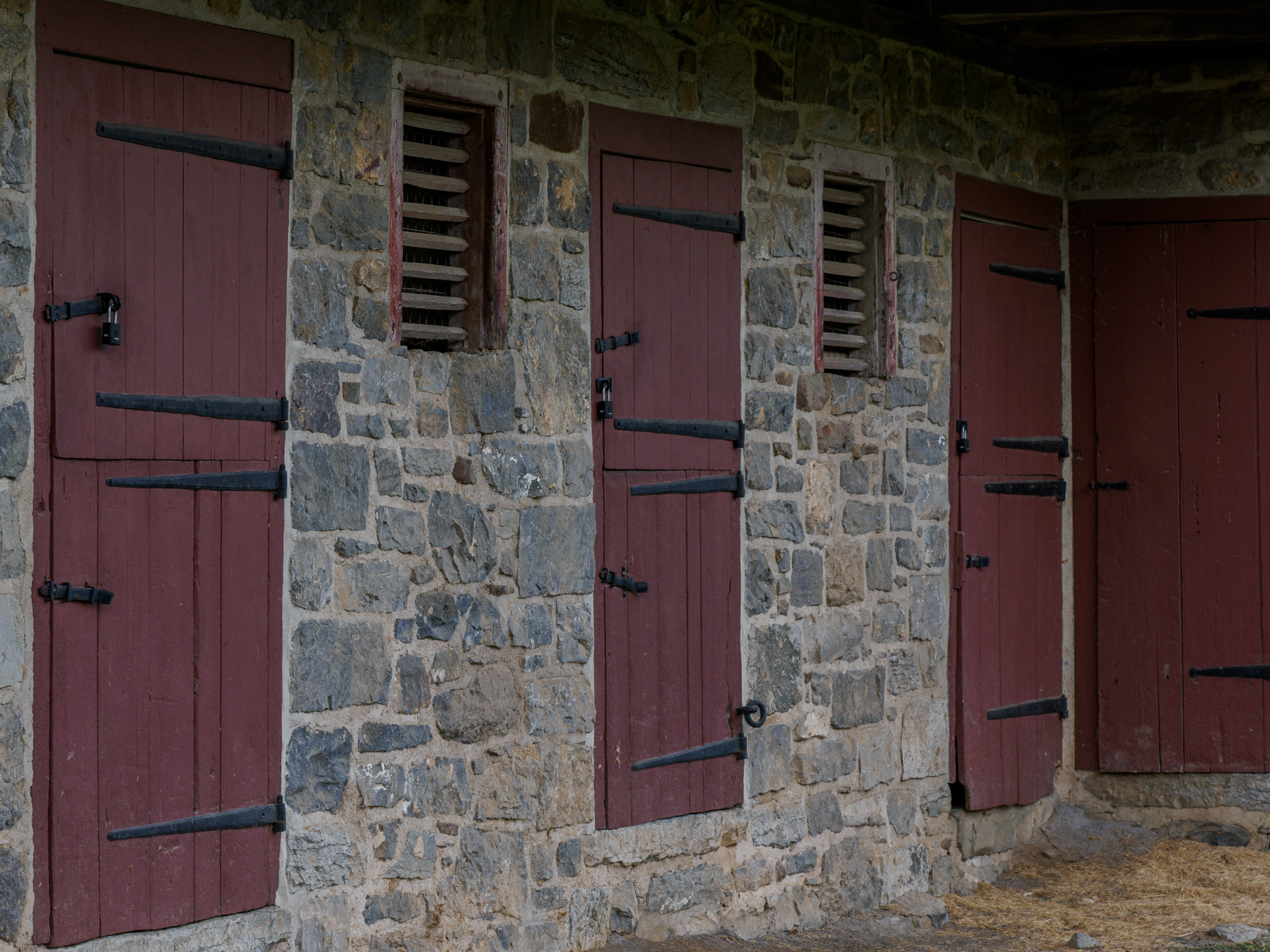
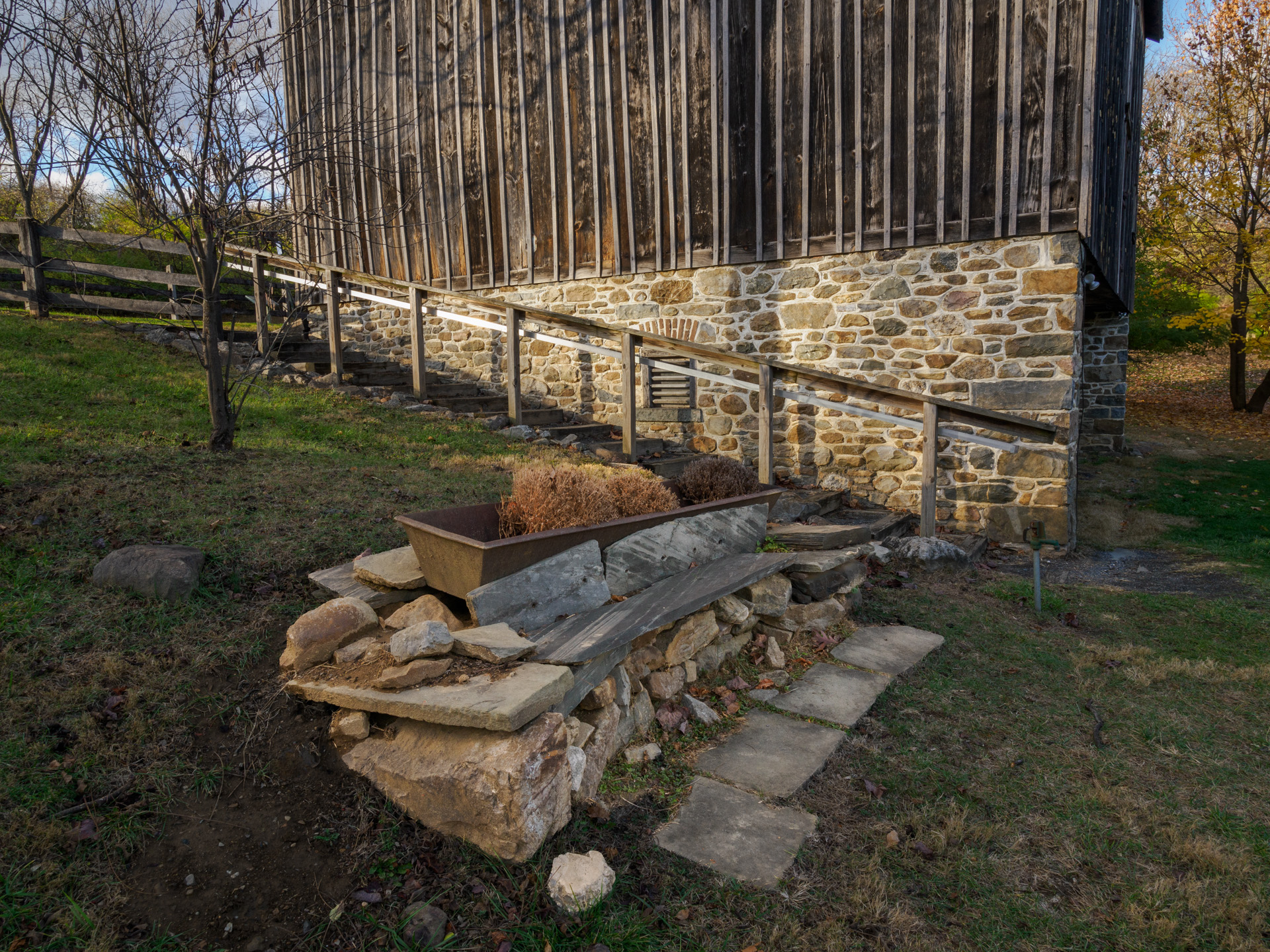
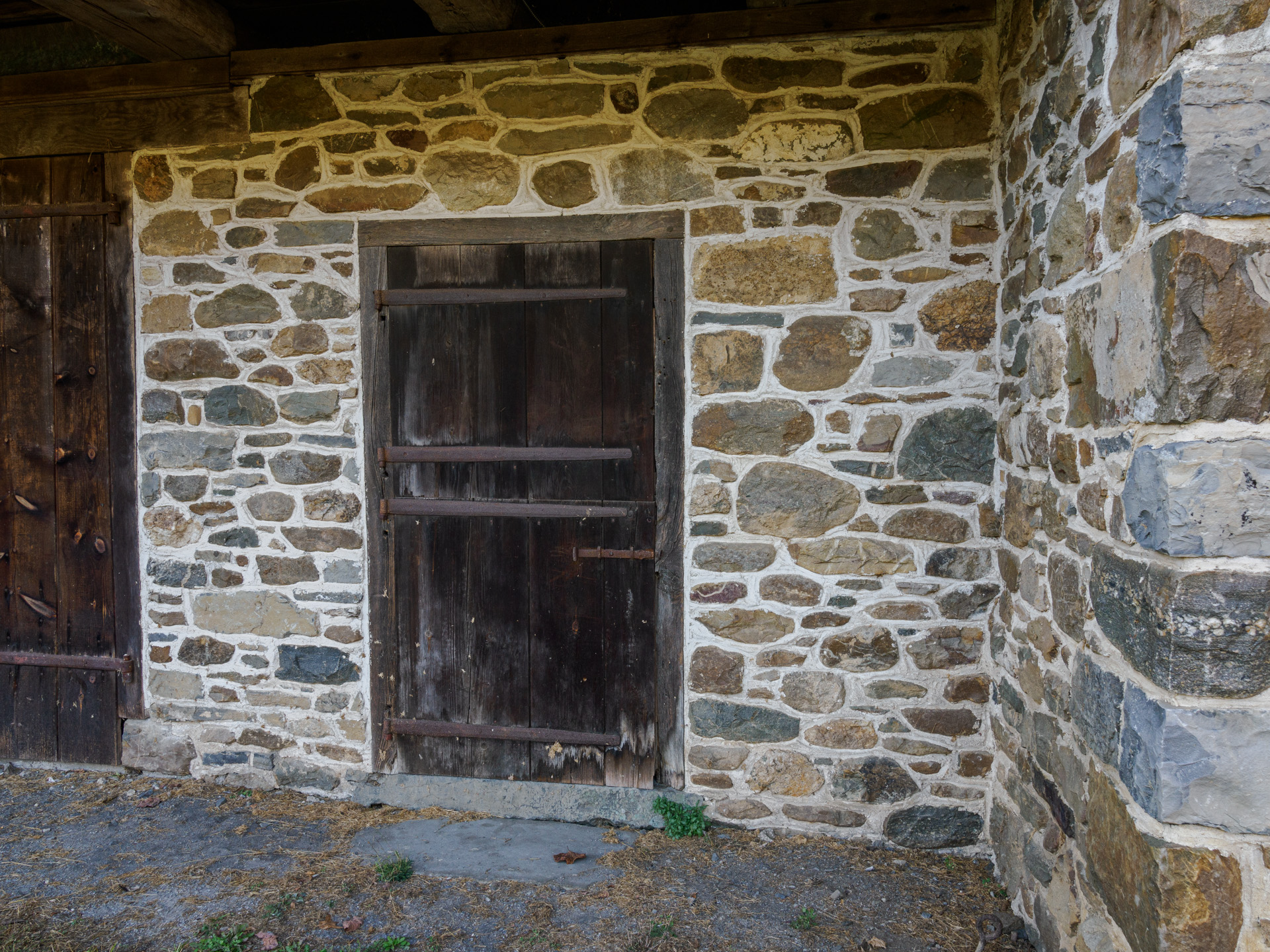
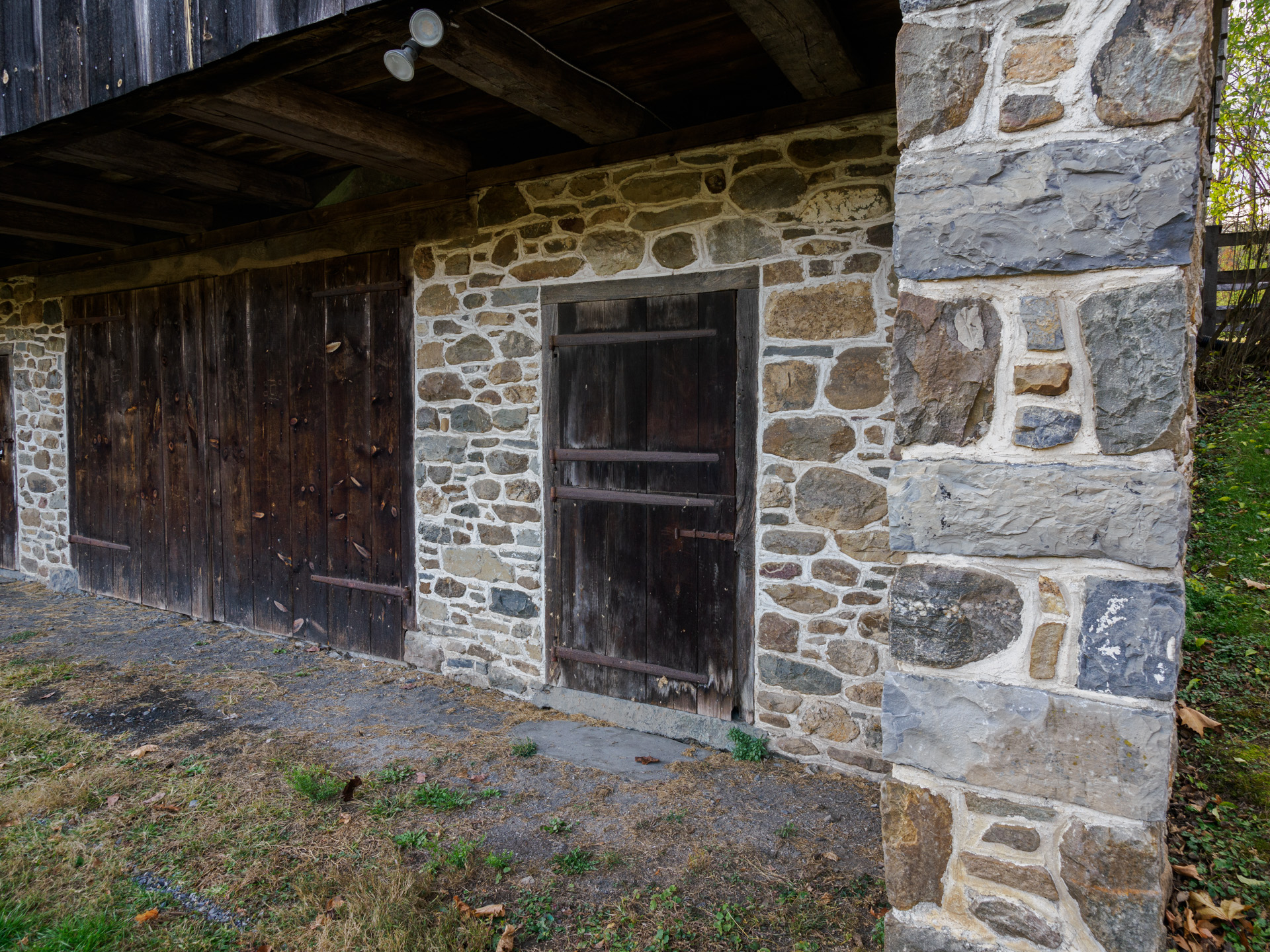
    This historic 6.5-acre farm-in-the-city opened doors to early American agricultural life. The property includes a restored 1748 / 1818 farmhouse, two 1840s bank barns, a large kitchen garden and orchard, a corn crib, and wagon shed.

    James Burnside, originally from County Meath, Ireland, traveled to Georgia, and in two years suffered much tragedy – two devastating fires and the death of his first wife. He befriended a member of the Moravian Church in Georgia and came north eventually becoming a Moravian missionary. His daughter Rebecca died at the age of six of smallpox. The following year, he married Mary Wendover, a Moravian widow from the Moravian congregation in New York. In 1747, James and Mary Burnside decided to not follow the choir system of Moravian Bethlehem and purchased 500 acres just north of the Moravian settlement of Bethlehem. Their farm, Burnside Plantation, was the first privately held property in the settlement and first private home. In 1752, James was elected as the first representative to the Pennsylvania Provincial Assembly from the newly formed Northampton County. He was a contemporary of Benjamin Franklin serving with him on the Committee for Indian Affairs. Three years after his death, Mary sold the farm to the Moravian Church, and it became Plantation #4 in the Moravian farming system. Three Moravian plantations were located in what is now South Bethlehem.

    The use of the word plantation comes from a German word meaning “plantings.” A Moravian plantation was a working farm that produced crops for the entire community.

    What’s in Bob’s Bag?

    • OM1 Mark II
    • OM-D E-M1 Mark III
    • M.Zuiko 40-150mm F2.8 Pro
    • M.Zuiko ED 300mm F4.0 IS Pro
    • M.Zuiko Digital 1.4x Teleconverter MC-14
    • M.Zuiko Digital 2X Teleconverter MC-20
    • M.Zuiko 12-40mm F2.8 Pro
    • M.Zuiko 7-14mm F2.8 Pro
    • M.Zuiko ED 8mm F1.8 Fisheye Pro
    • M.Zuiko ED 12-100mm f4.0 IS Pro
    • M.Zuiko ED 45mm f/1.2
    • M.Zuiko ED 20mm f/1.4
    • M.Zuiko ED 60mm f2.8 Macro
    • M.Zuiko ED 20mm f/1.4 Pro
    • M.Zuiko ED 45mm f/1.2 Pro

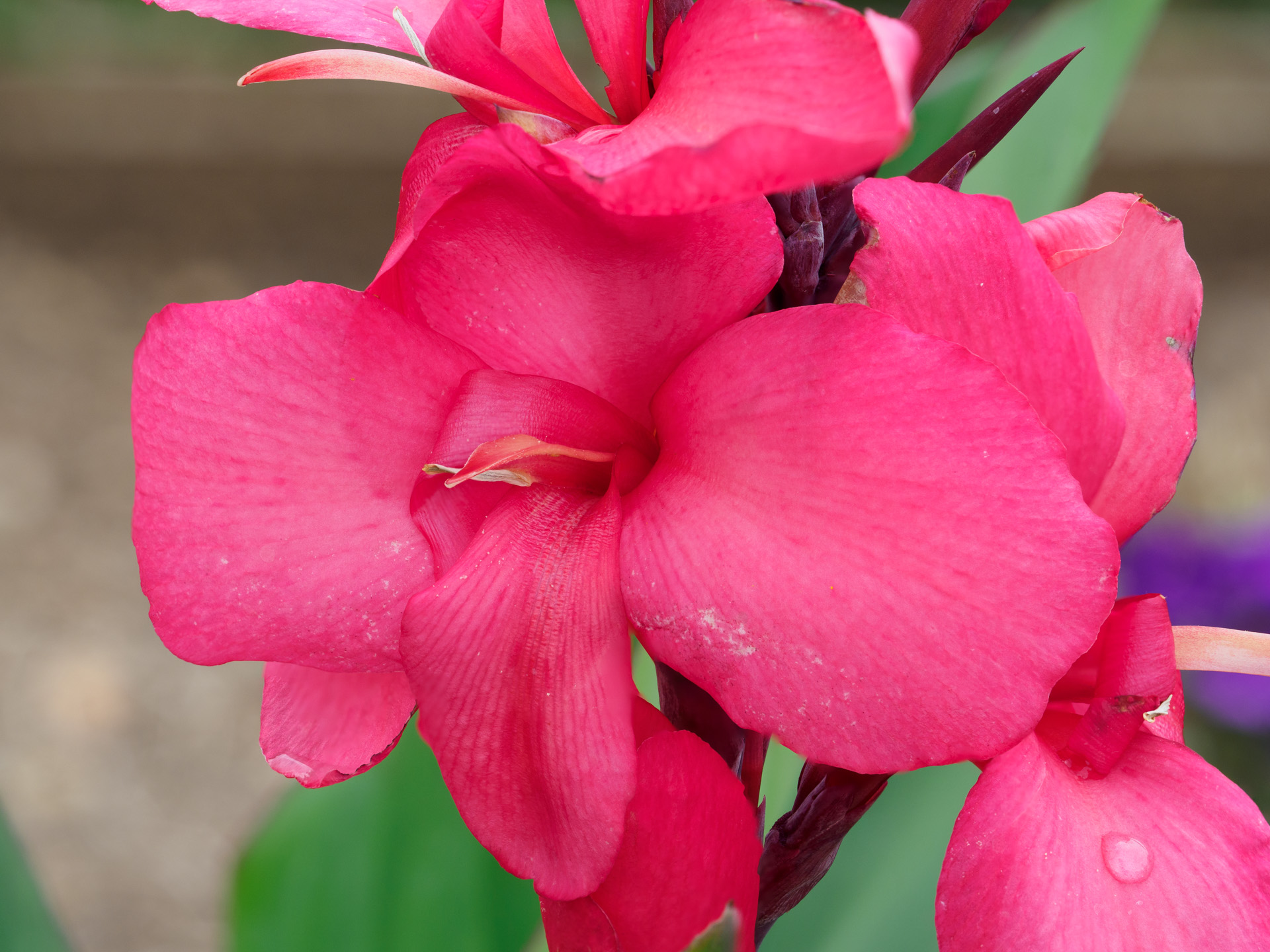
    Flowers at the Allentown, PA Rose Garden

    © 2024 Bob Hahn

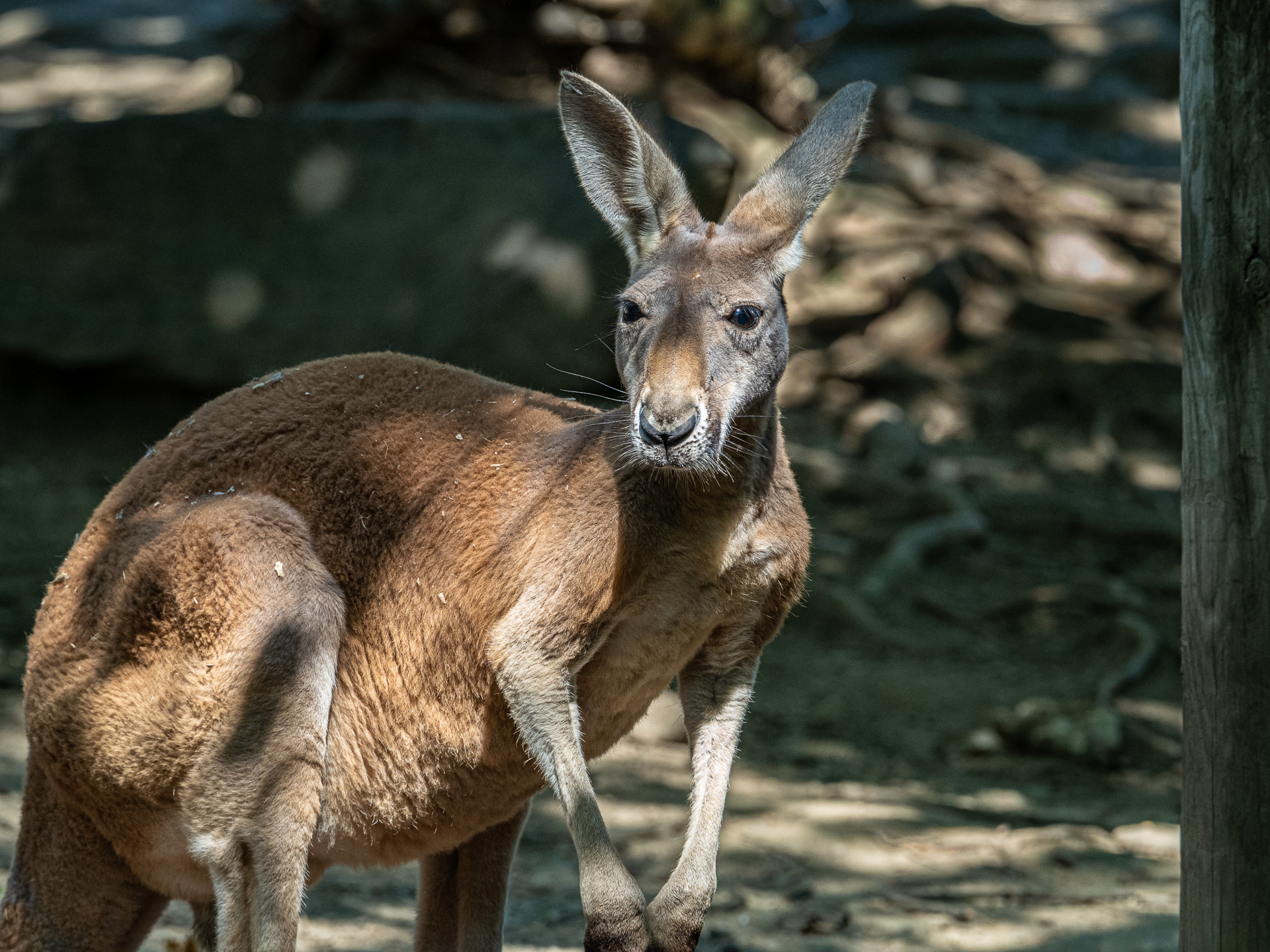
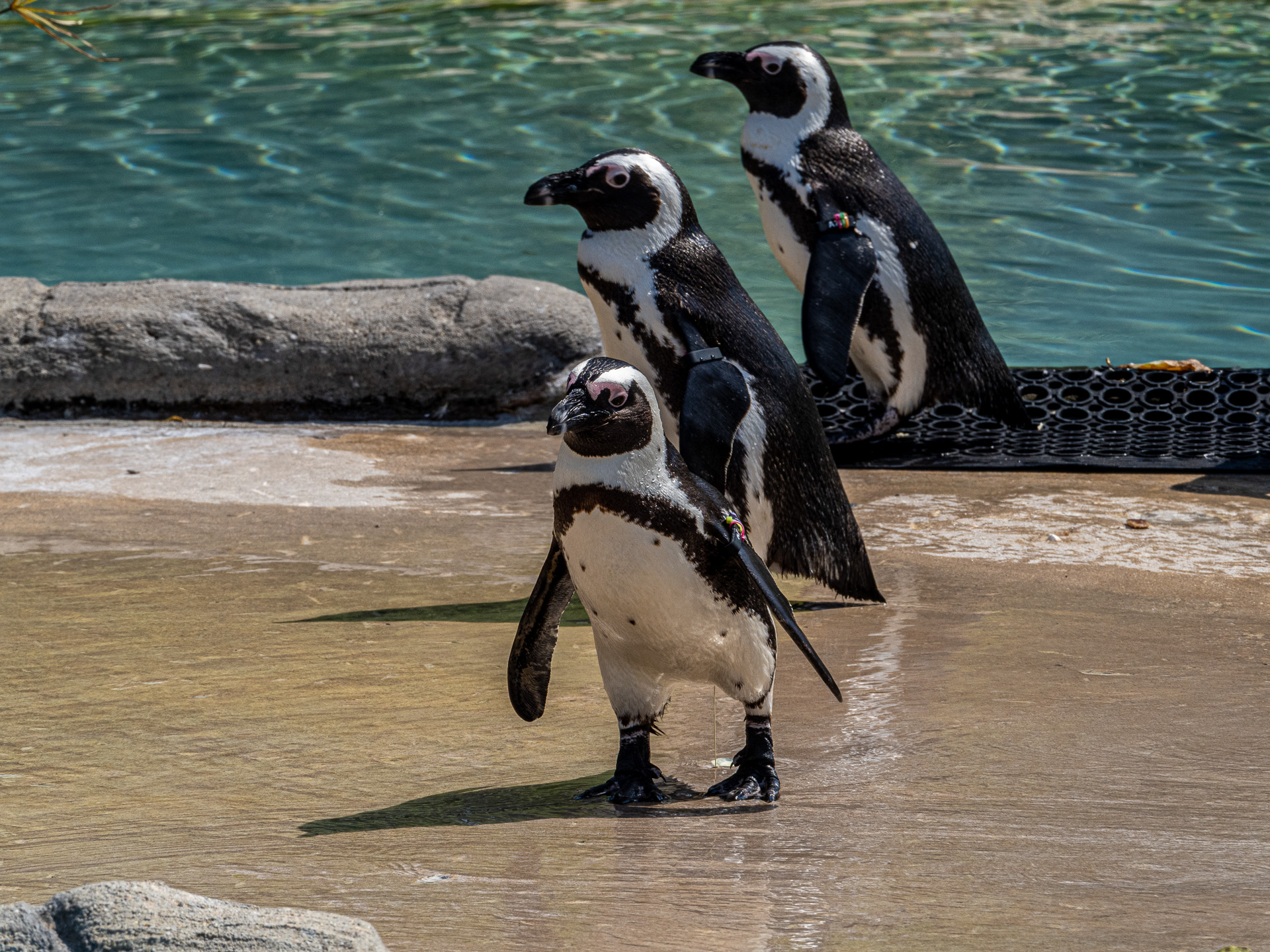
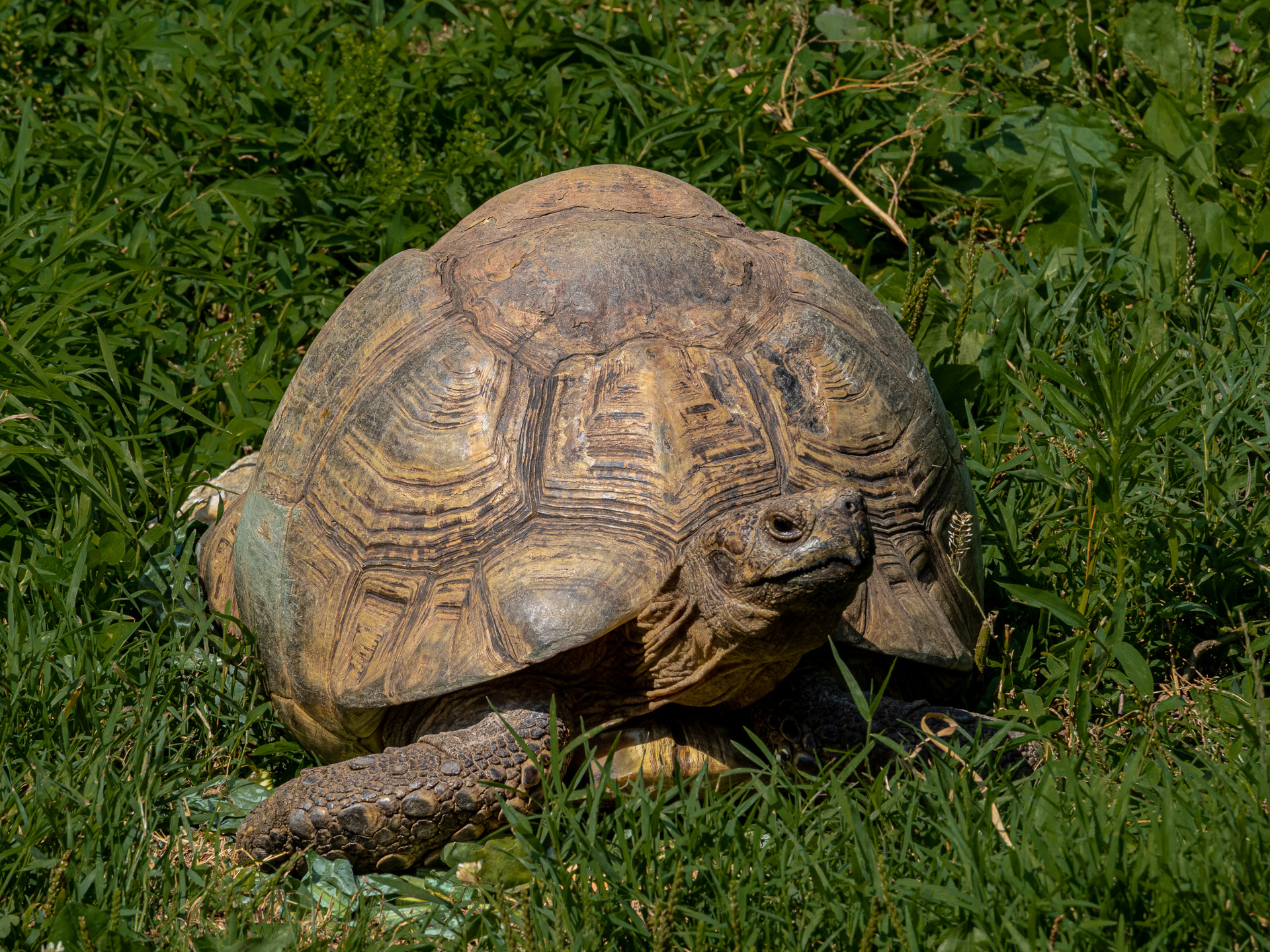
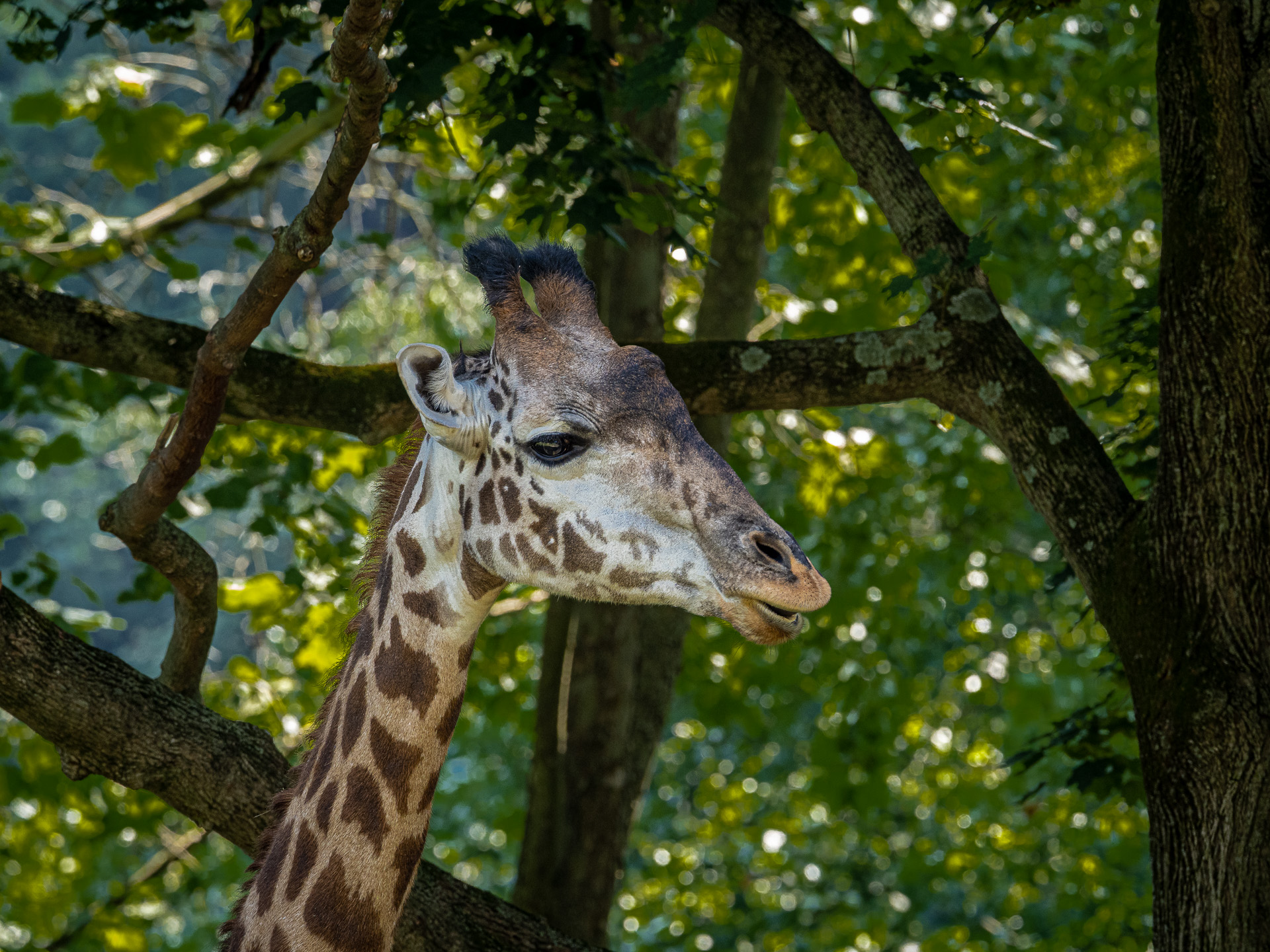
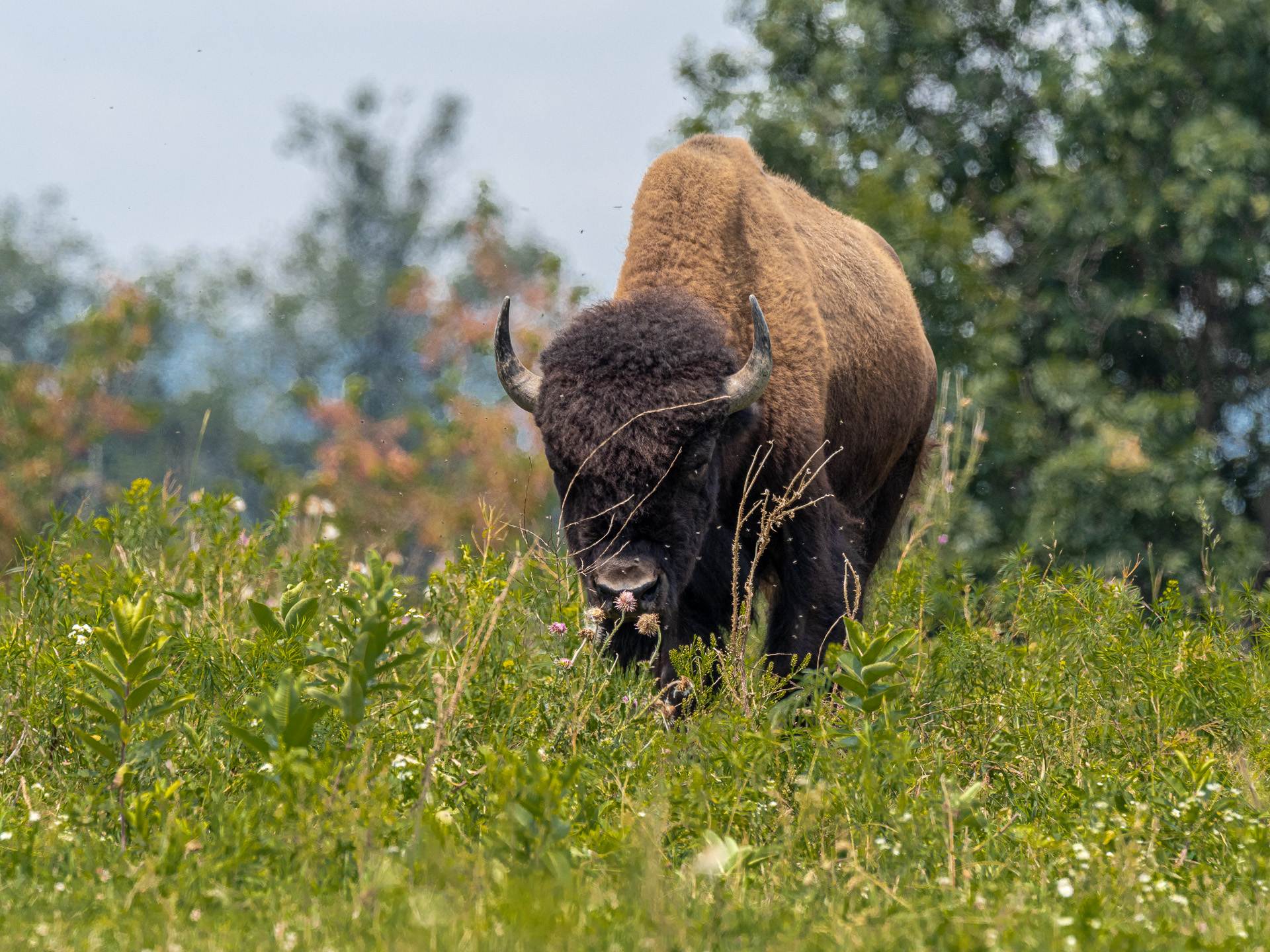
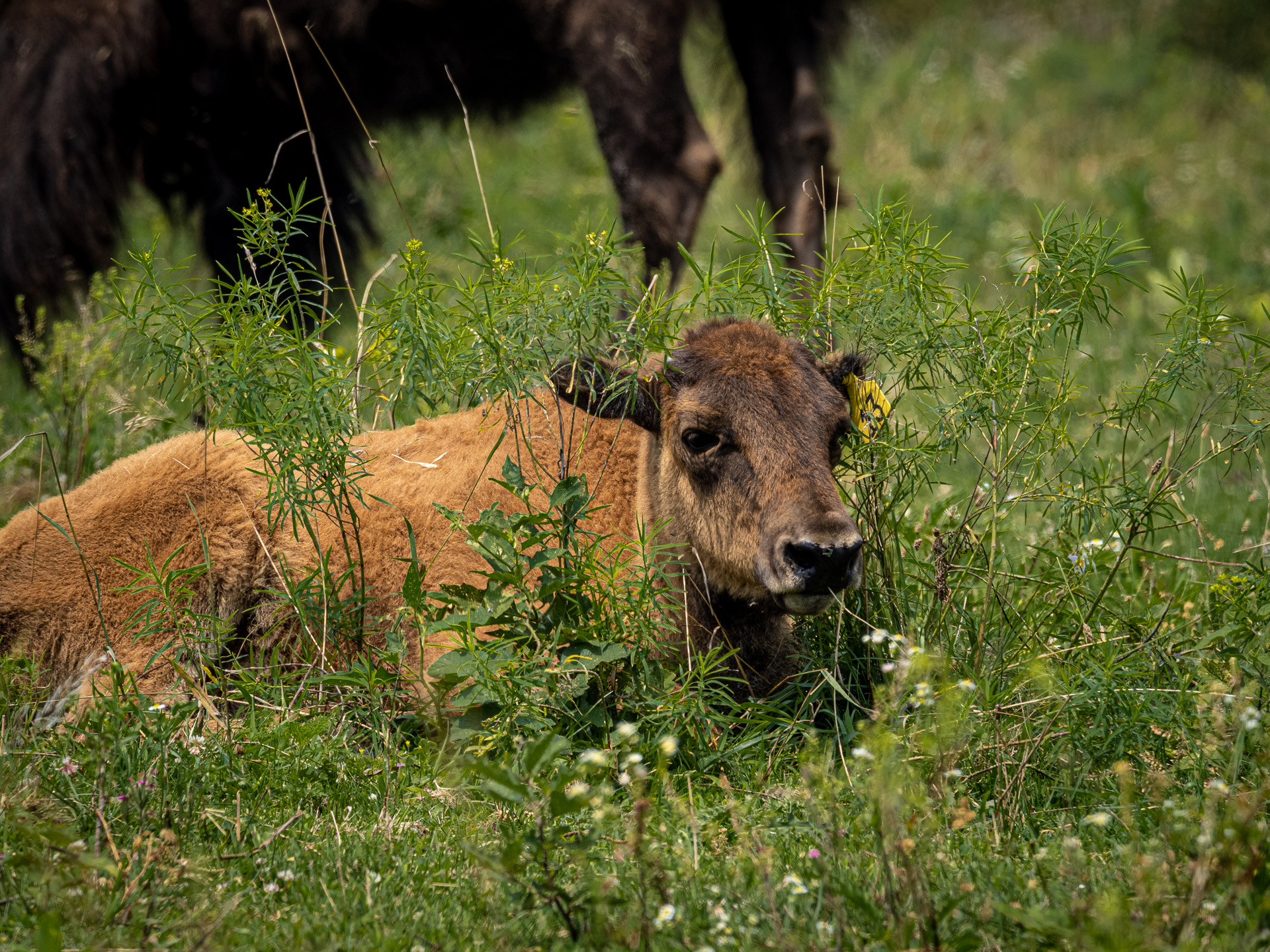
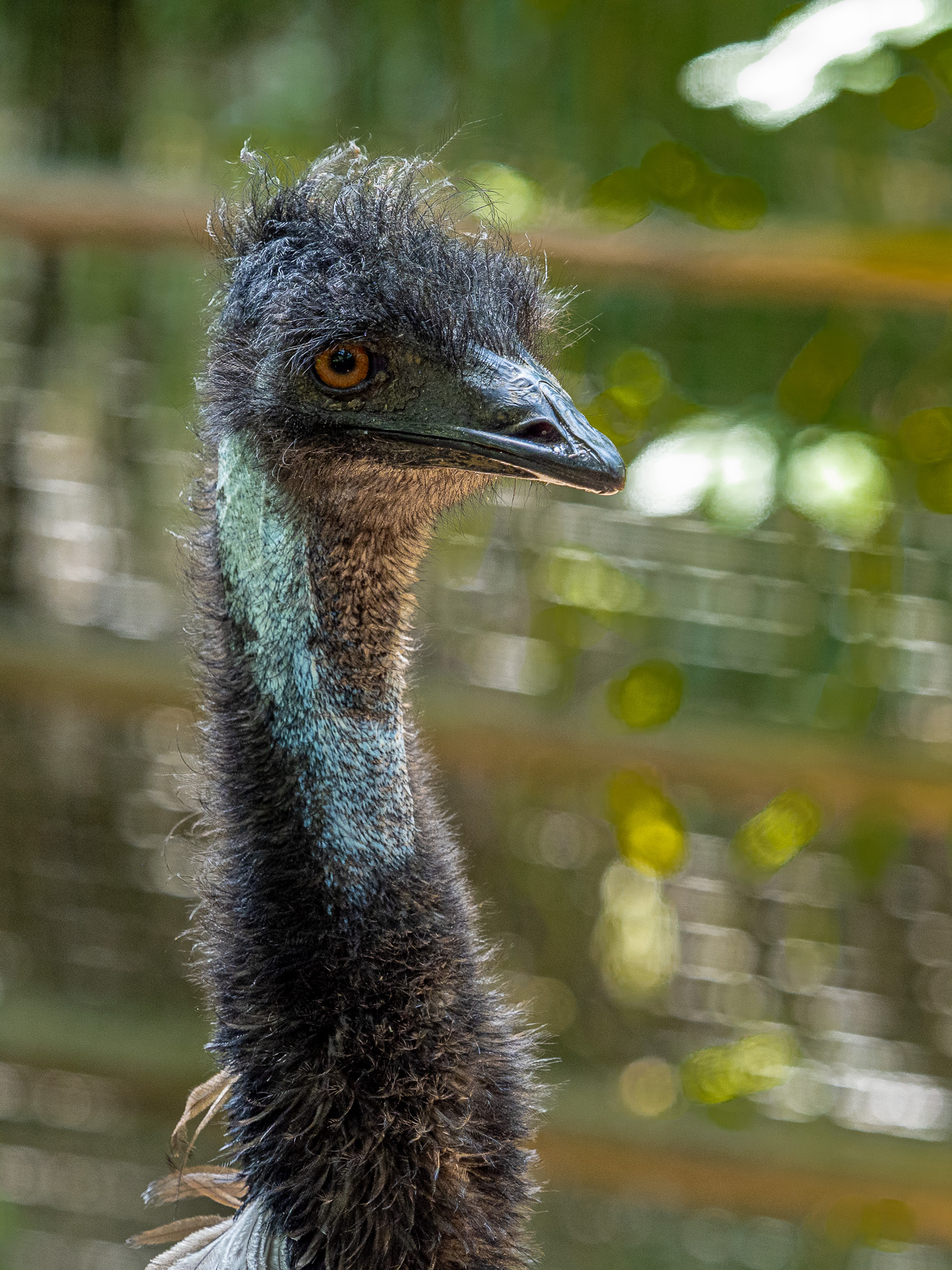
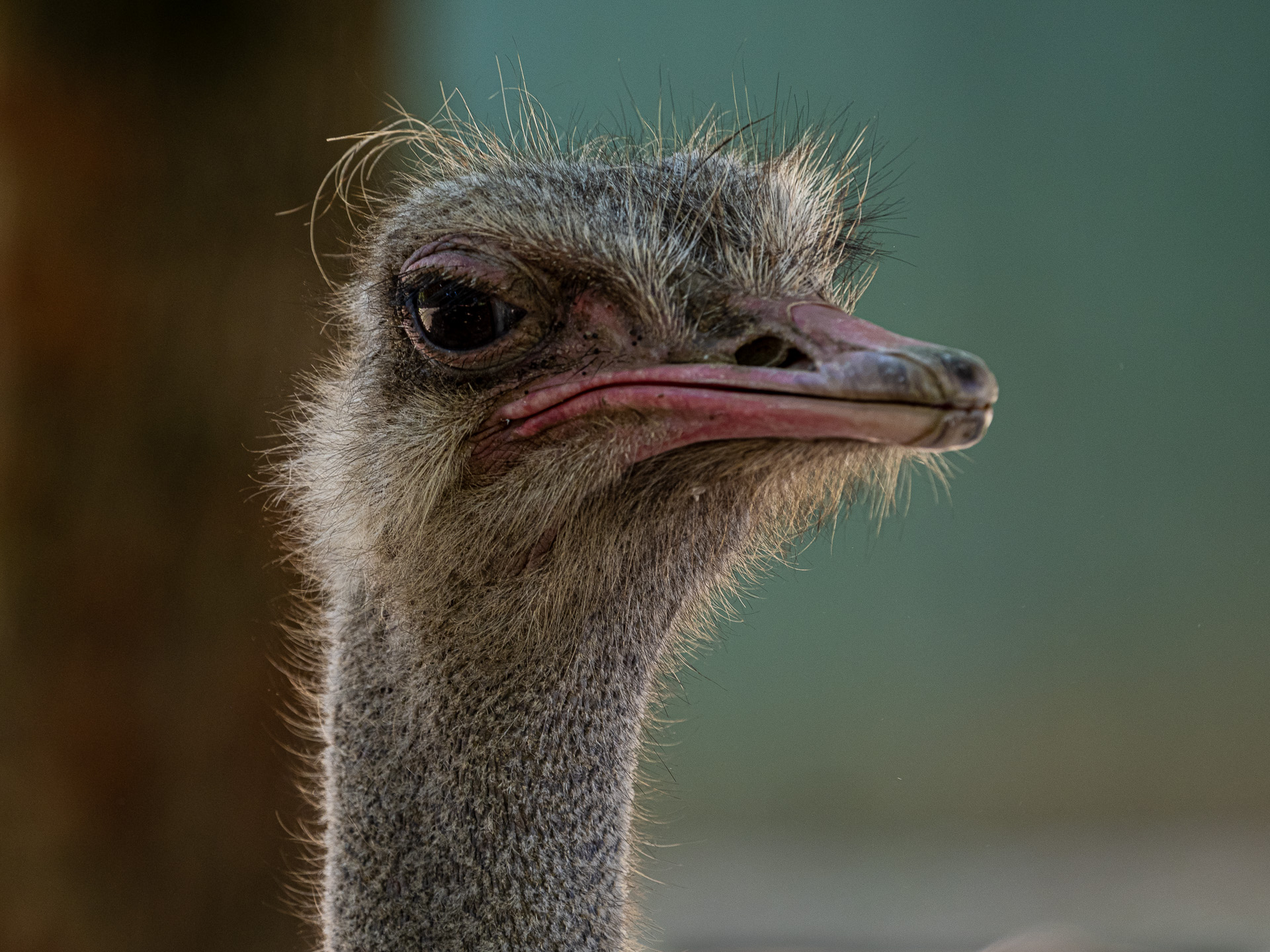
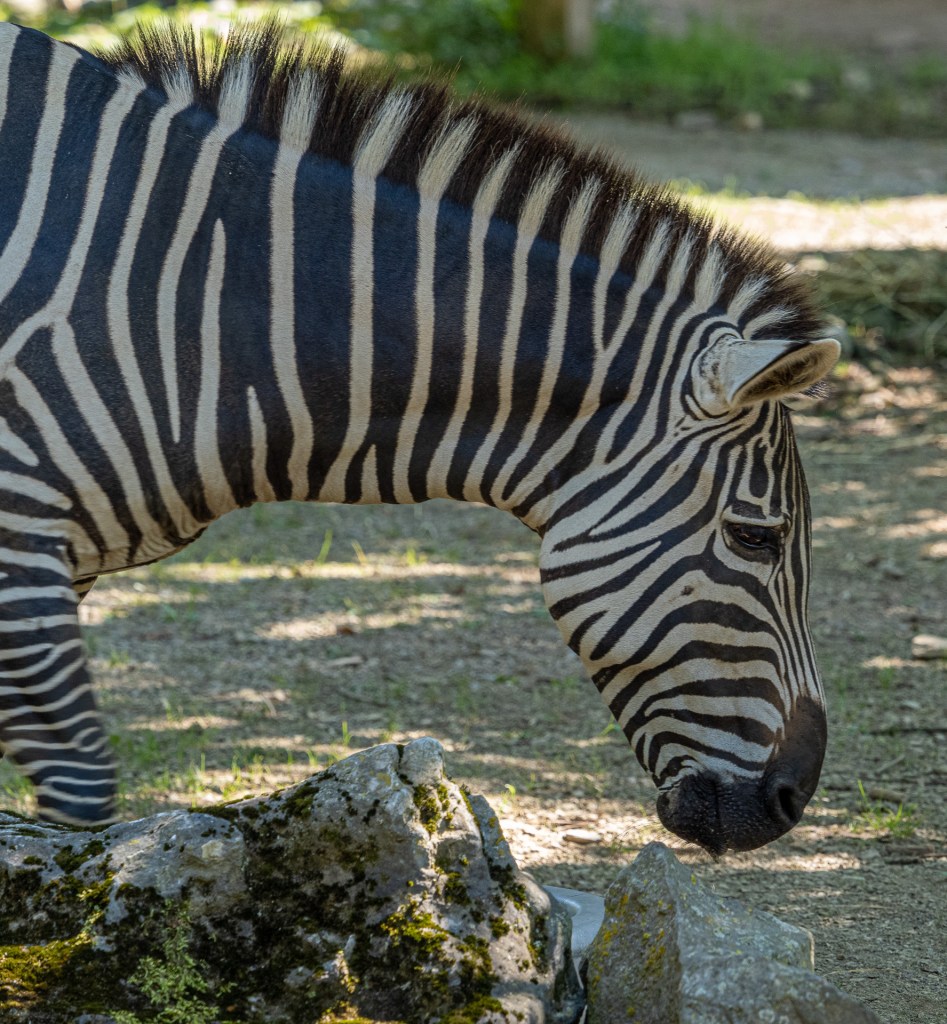
    A Day at the Zoo

    Lehigh Valley Zoo located in the heart of the Trexler Nature Preserve, is home to more than 325 animal ambassadors representing over 125 species.

    Founded in 1906 by General Harry C. Trexler, a local industrialist, the Trexler Nature Preserve has played a significant role in saving the North American bison from extinction by providing a place where both bison and elk could roam freely undisturbed. In 1935, the County of Lehigh took ownership of the Preserve and, in 1974, construction began on the Preserve’s 29-acre Zoo. In 2004, Lehigh Valley Zoological Society assumed management of the Zoo, as well as the daily management of the bison and elk herd and the palominos in the 1,100-acre Trexler Nature Preserve.

    2020 Aruba Underwater Photo Safari

    Aruba is famous for its excellent wreck diving, catering to divers of all levels. Sunken vessels range from tugboats to cargo ships, and even plane fuselages.

    Coral reefs lace the island’s leeward shore. Some of the best reef dive sites include Skalahein Reef, Plonco Reef, Barcadera Reef, De Palm Reef, and Mas Bango Reef, which is also excellent for snorkeling.

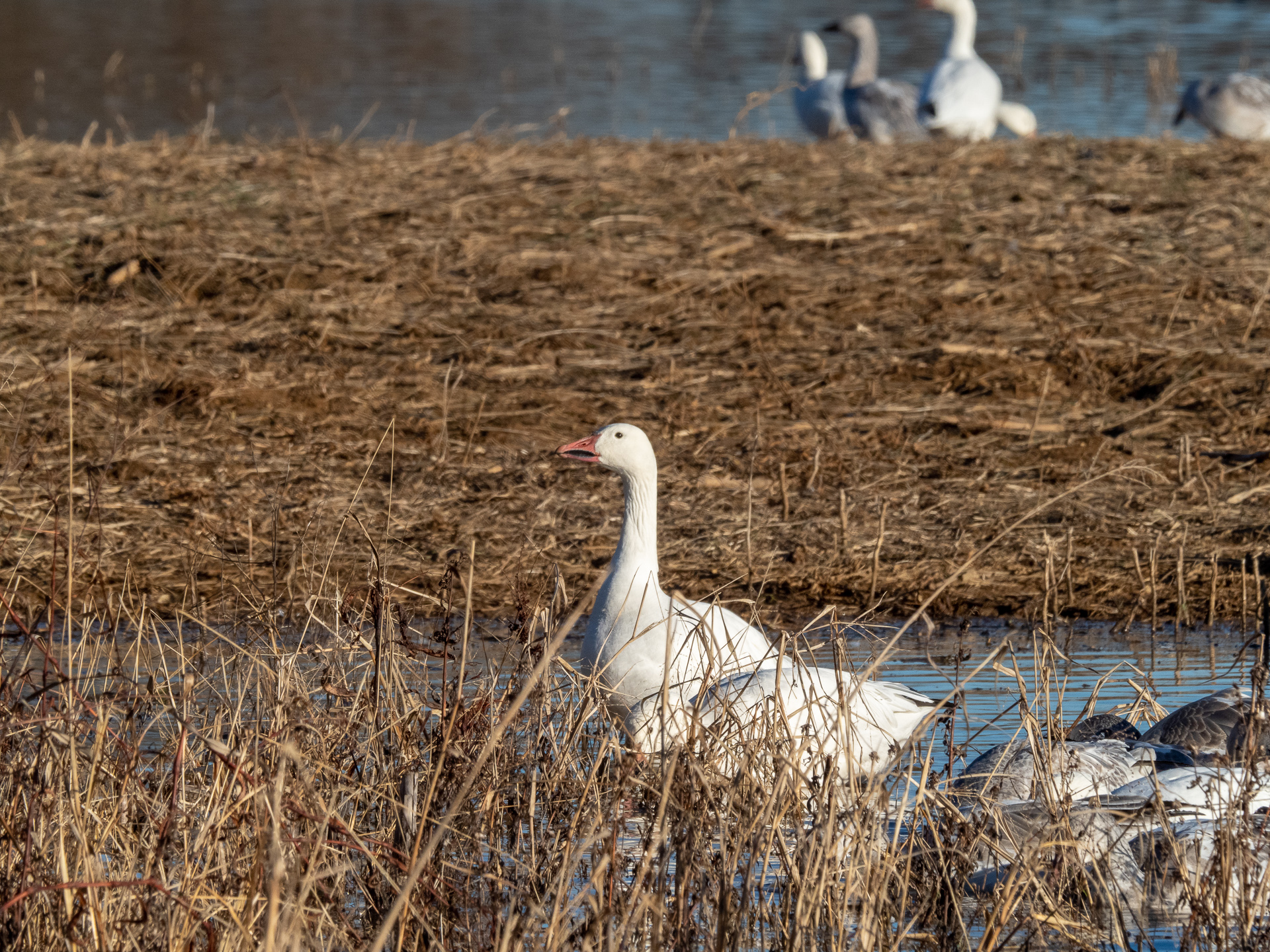
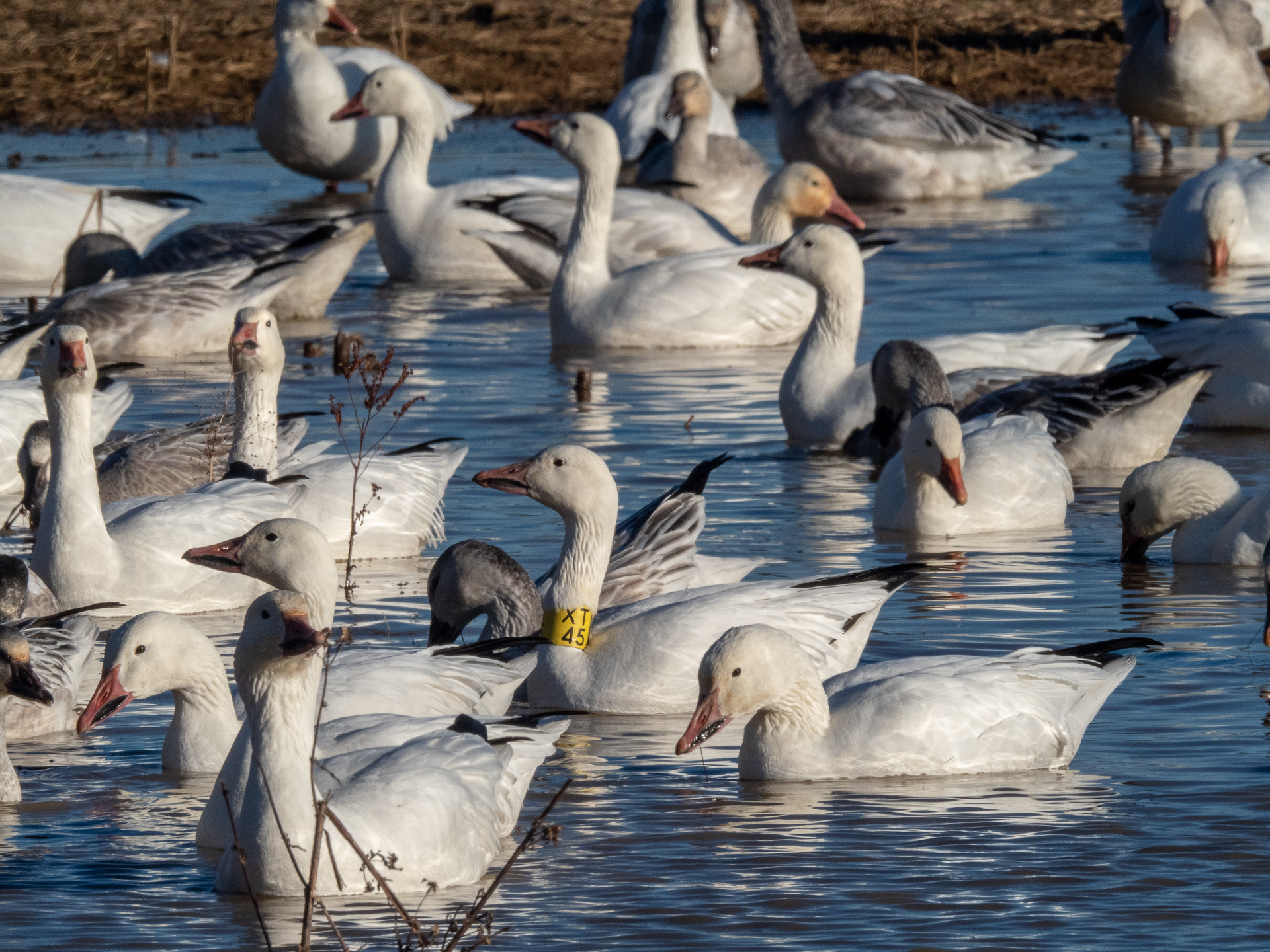
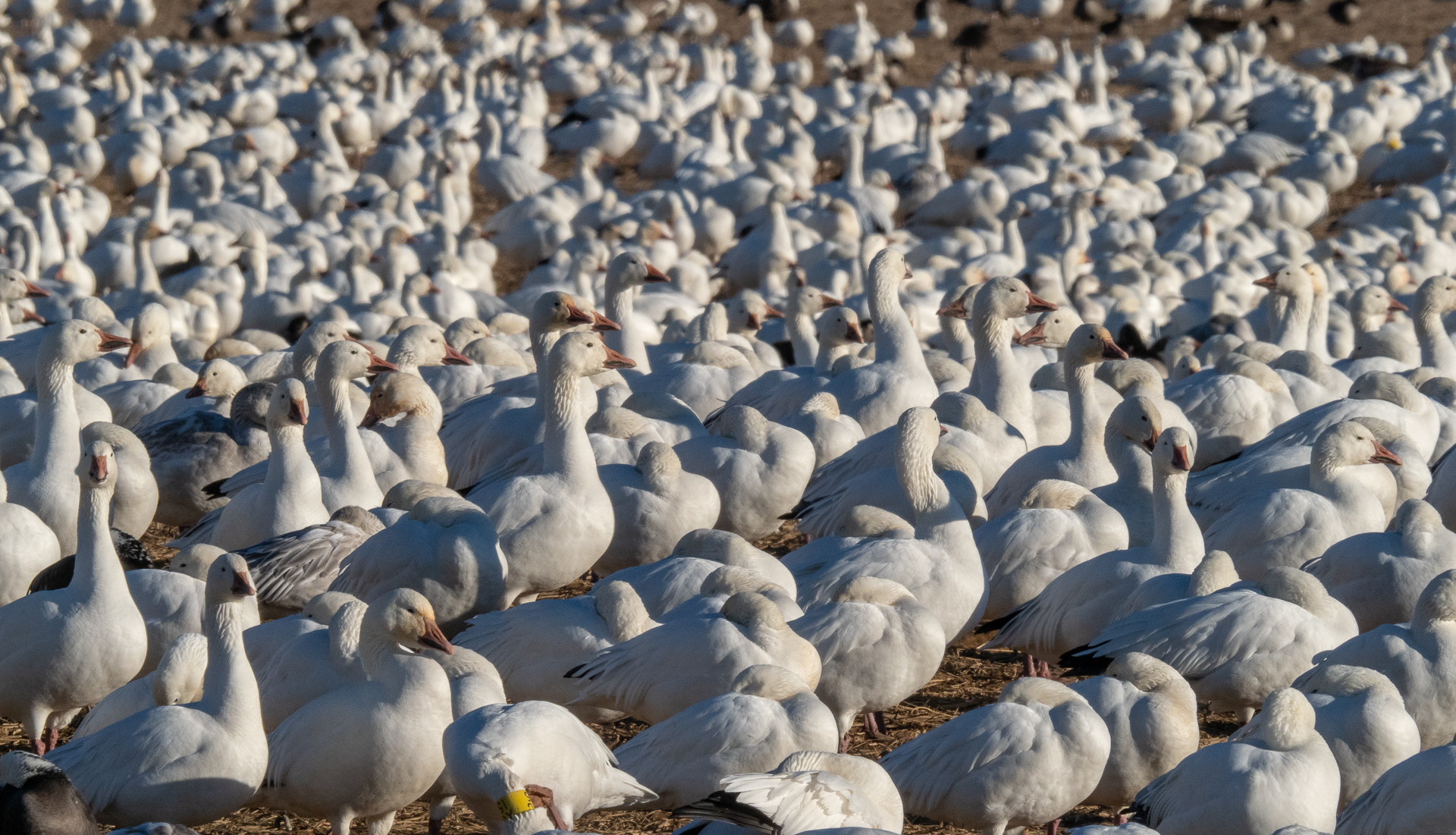
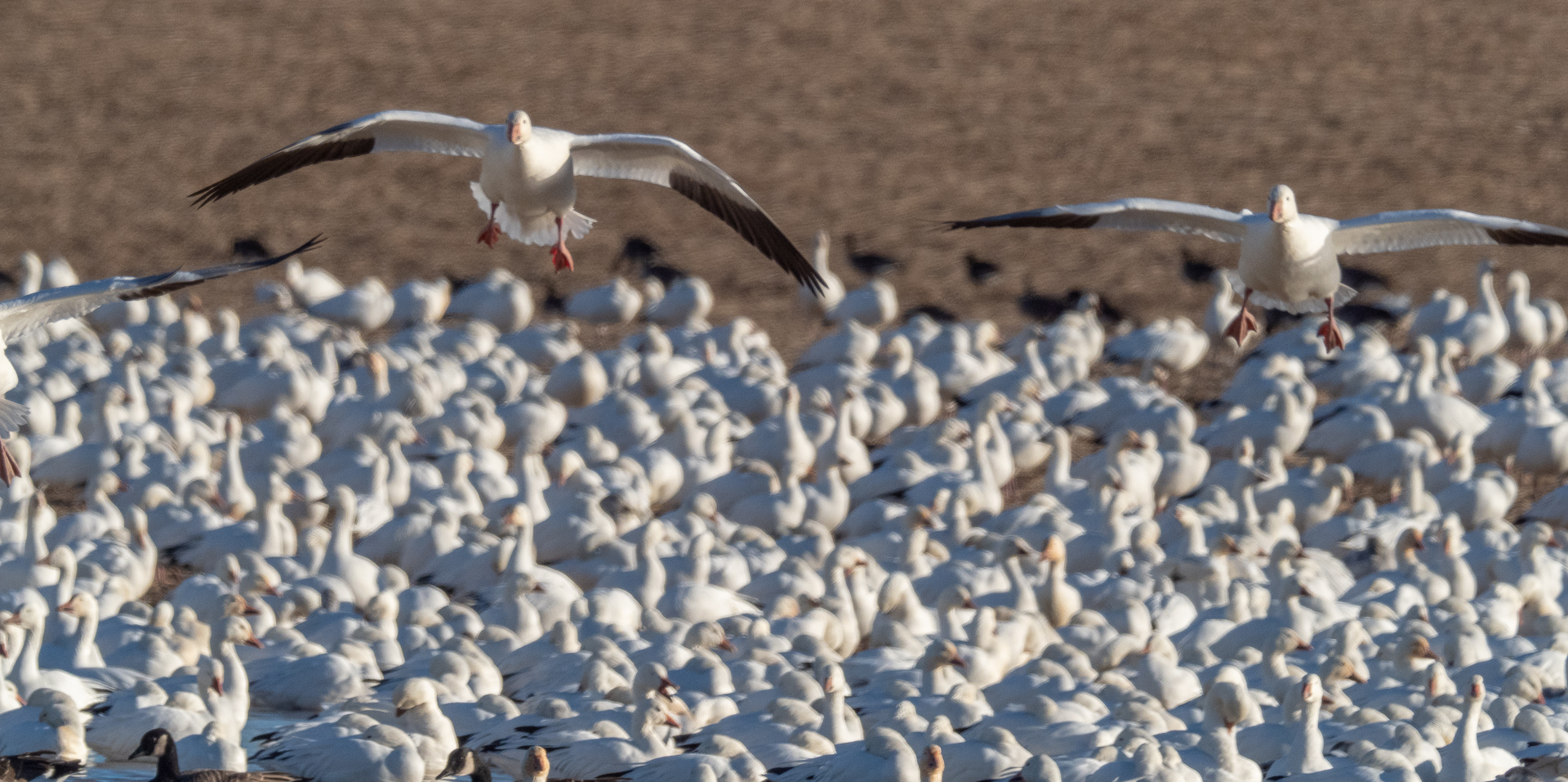
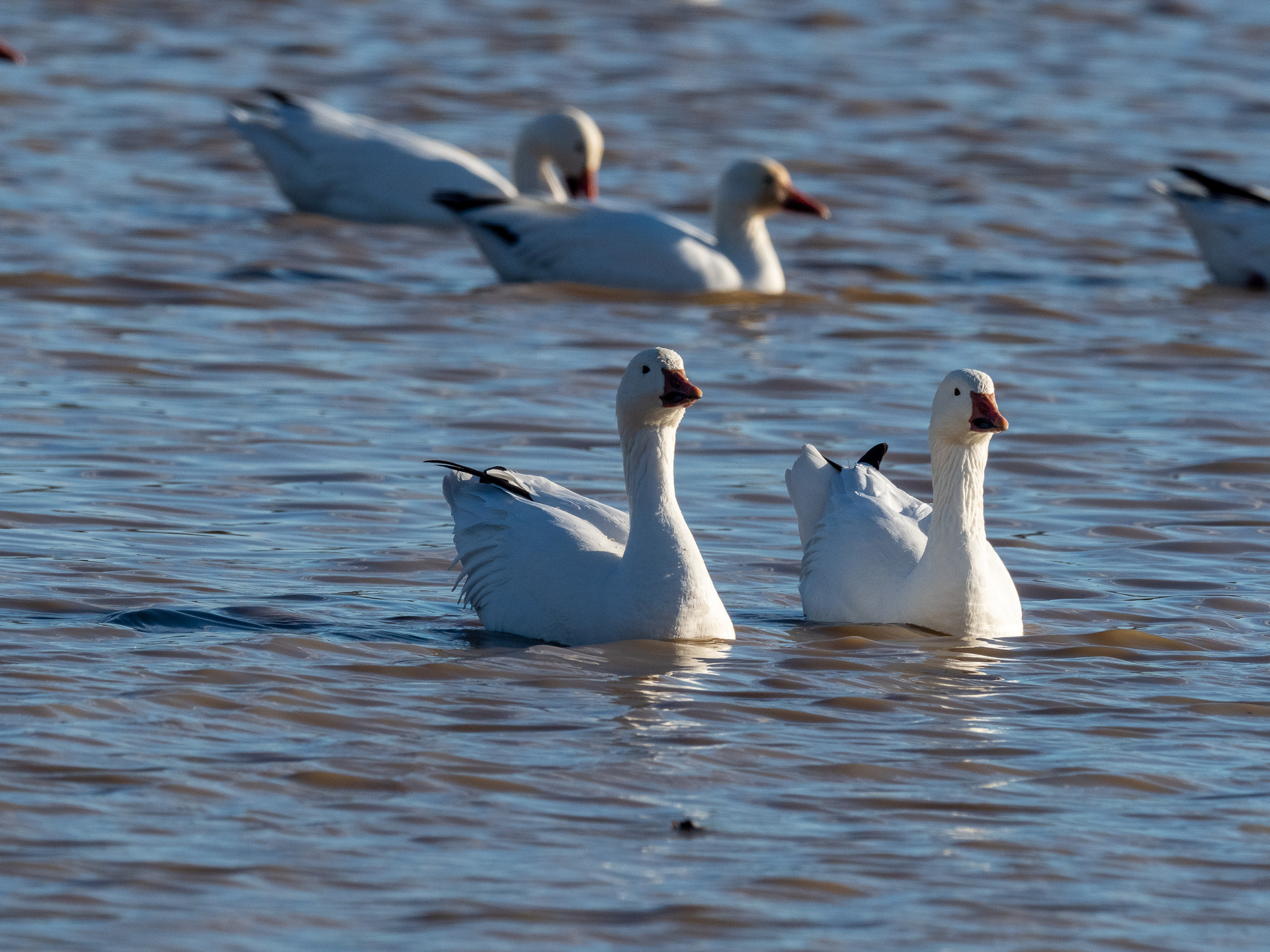
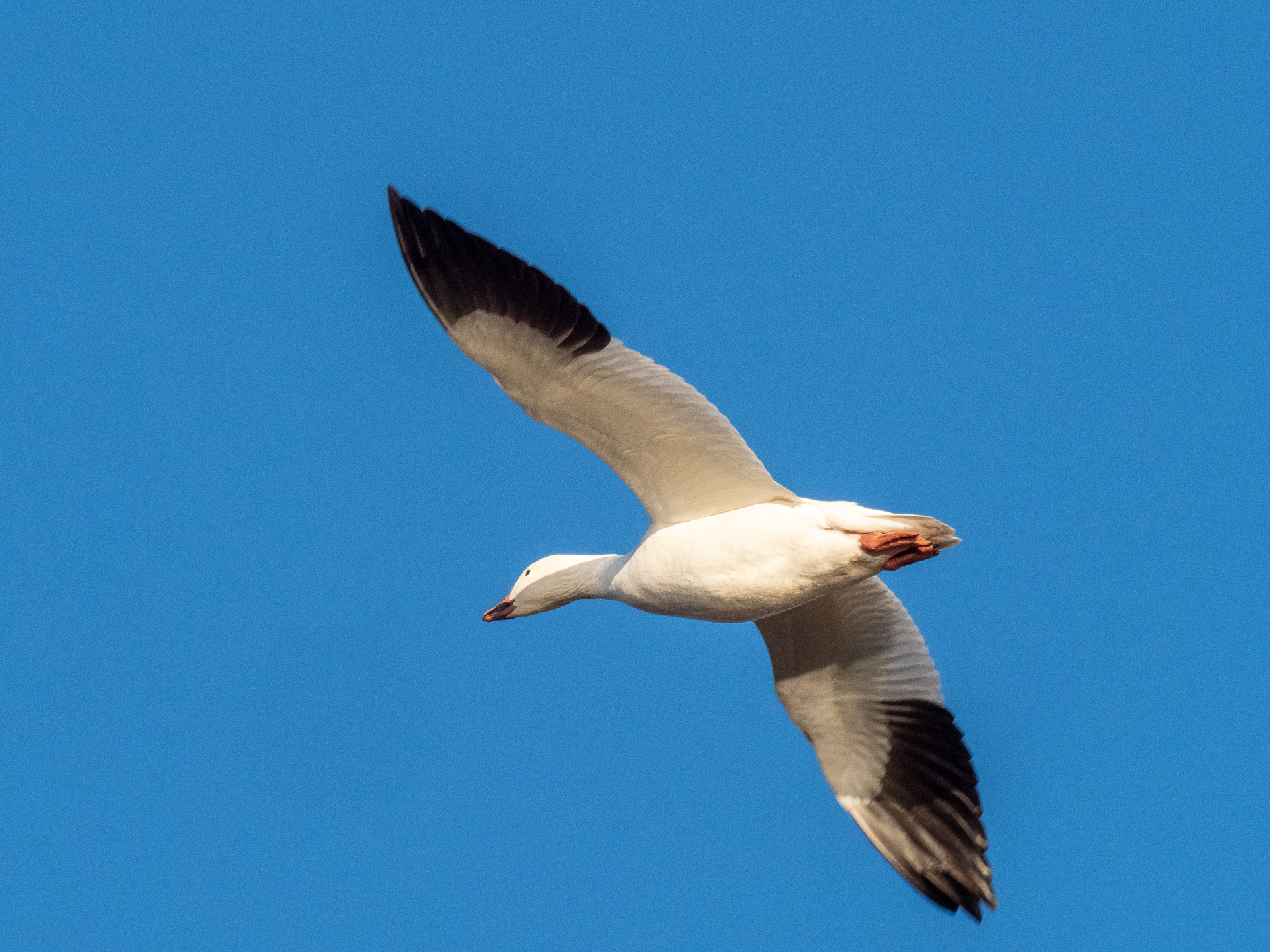
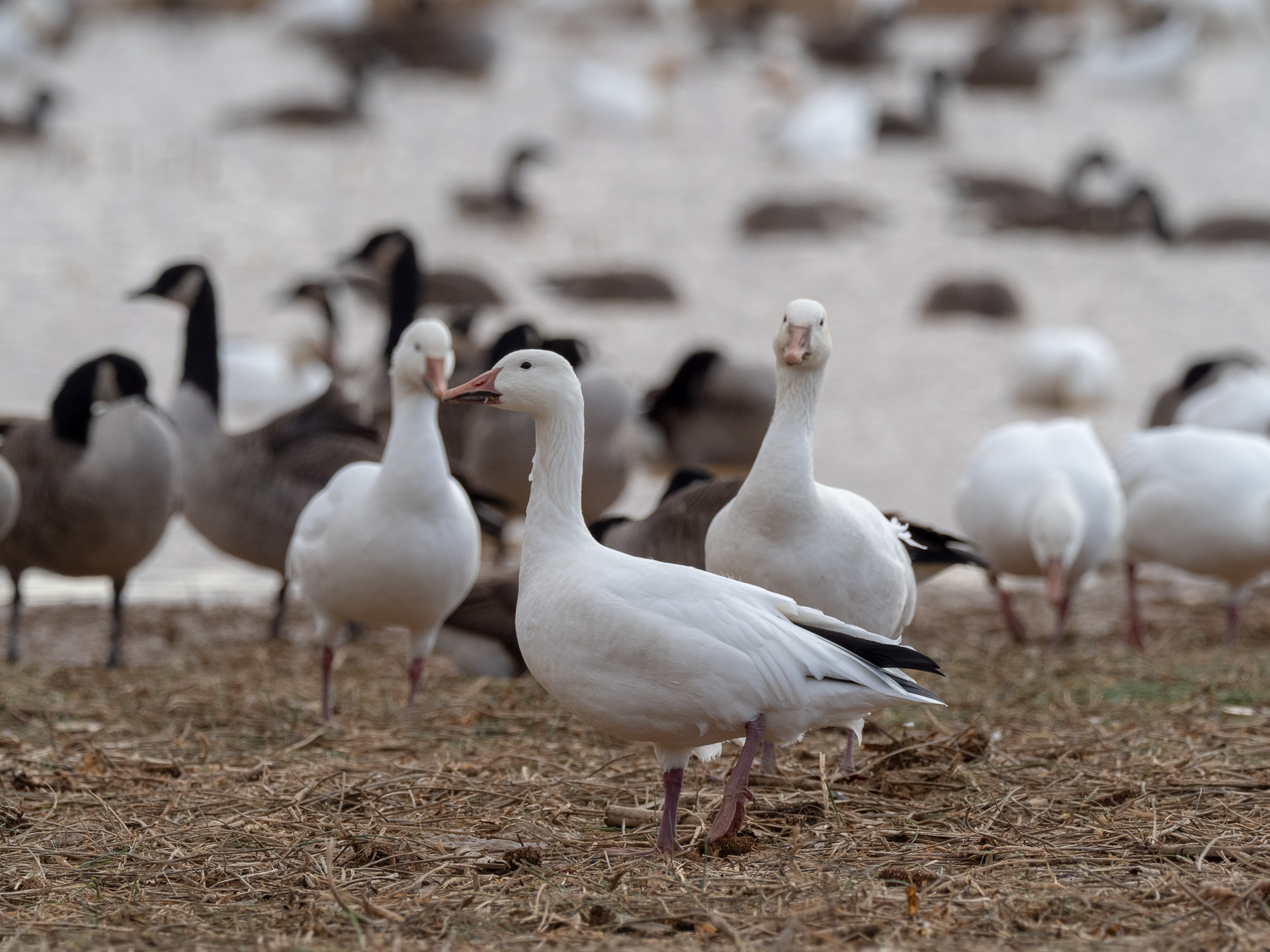
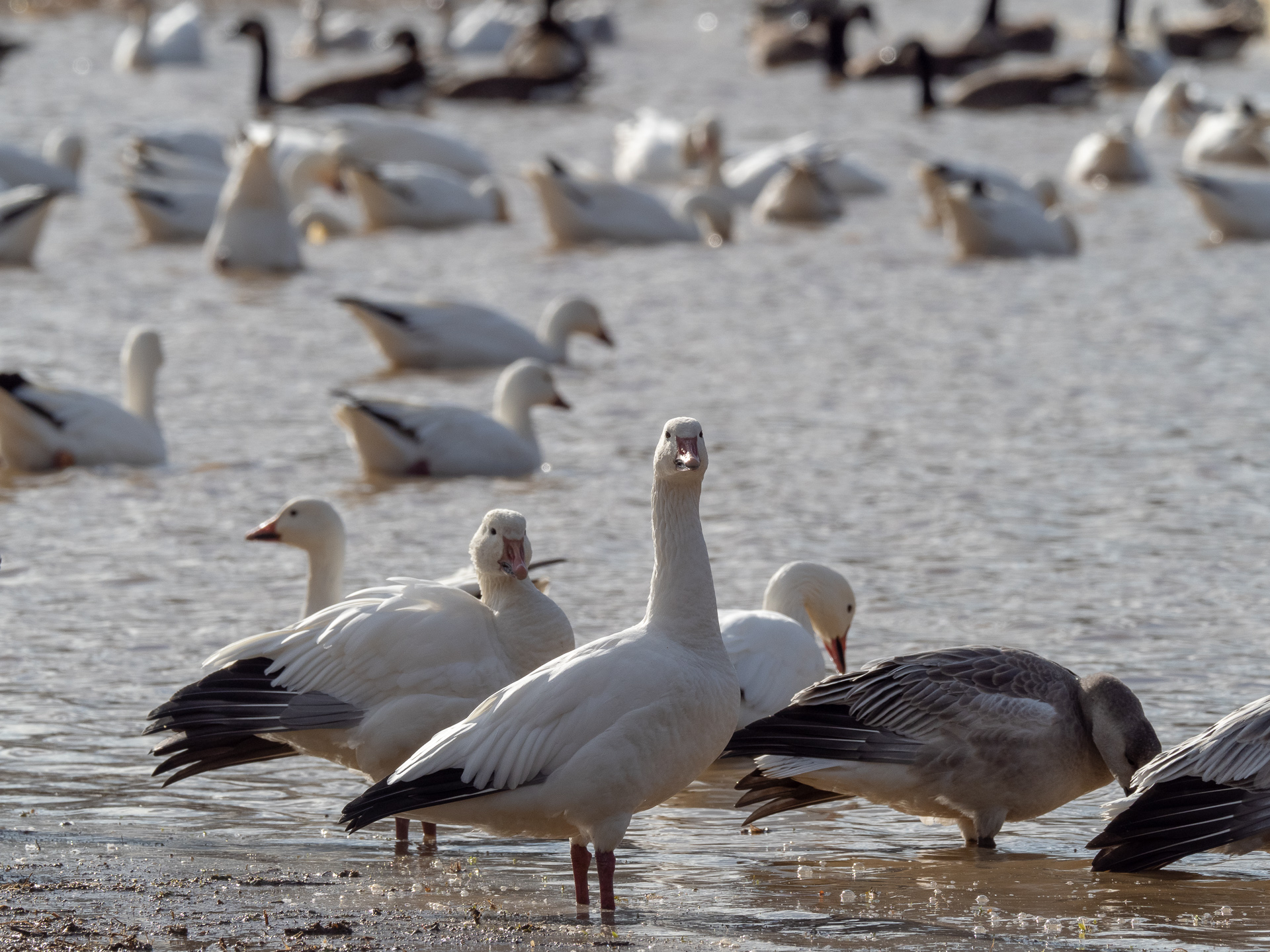
    Snow Geese at Green Pond Marsh

    Green Pond Marsh, a small wetland (about 20 acres) in Bethlehem Township, PA is an Audubon Society IBA (Important Bird Area) where over 180 species of birds have been sighted.

    The flooded fields of Green Pond Marsh is located on Green Pond Road in Bethlehem Township, Northampton County is one of the best areas for wetland birds in the Lehigh Valley. This area has been attracting birds since the 1970’s. Wet areas such as this provide important resting and feeding stops for migratory waterfowl, shorebirds, and other species.

    Green Pond Marsh has attracted over 20 species of migratory waterfowl.


    What’s in Bob’s bag?

    • OM-D E-M1 Mark II
    • M.Zuiko 40-150mm F2.8 Pro
    • M.Zuiko ED 300mm F4.0 IS Pro
    • M.Zuiko Digital 1.4x Teleconverter MC-14
    • M.Zuiko 12-40mm F2.8 Pro
    • M.Zuiko 7-14mm F2.8 Pro
    • M.Zuiko ED 8mm F1.8 Fisheye Pro
    • M.Zuiko ED 12-100mm f4.0 IS Pro
    • M.Zuiko 17mm f:2.8 Lens
    • M.Zuiko ED 60mm f2.8 Macro
    • Manfrotto MHXPRO-BHQ2 XPRO Ball Head
    • Manfrotto 265CB CF Tripod
    • Manfrotto 290 Carbon Fiber Monopod