Sunflower Garden

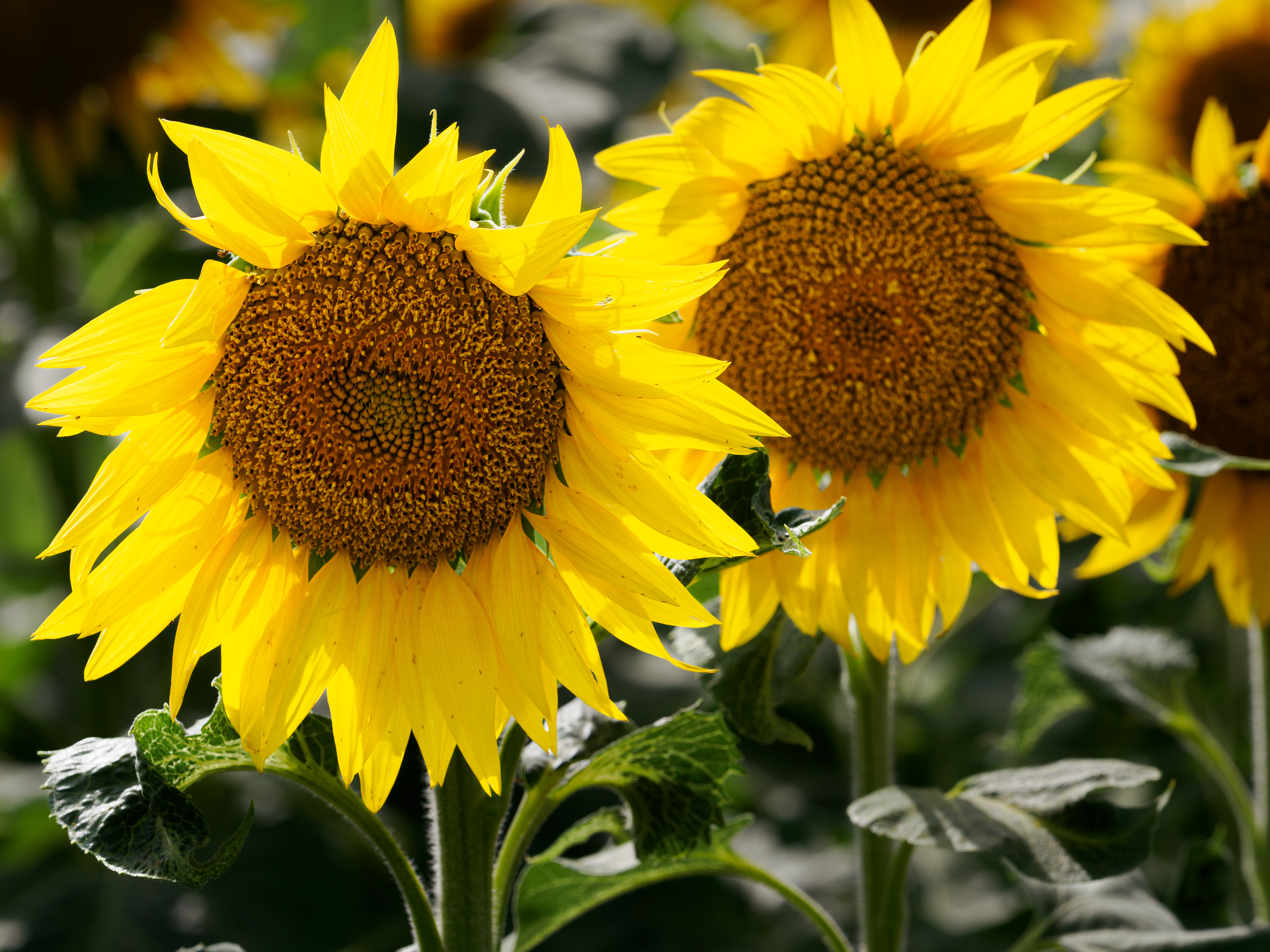
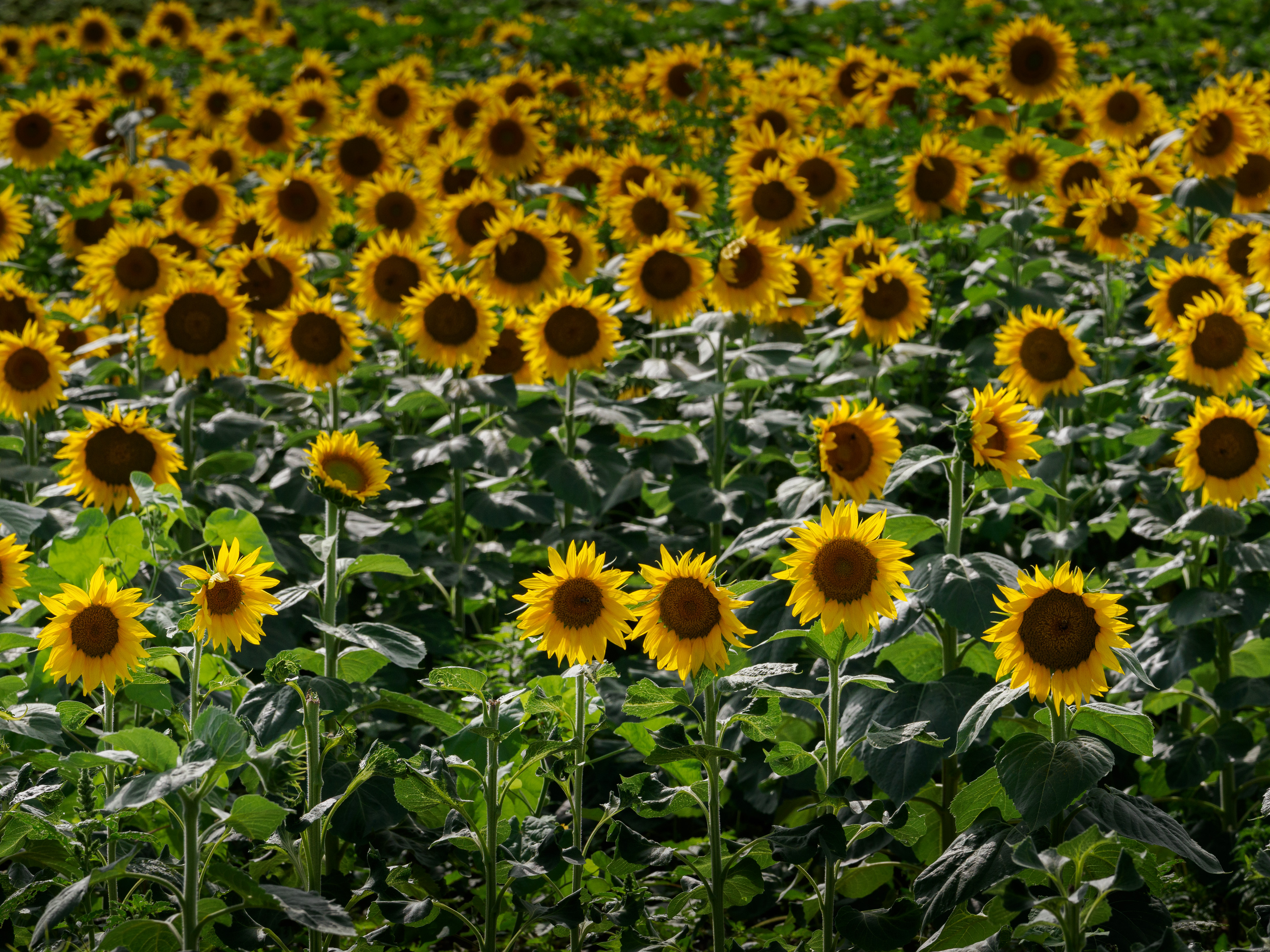
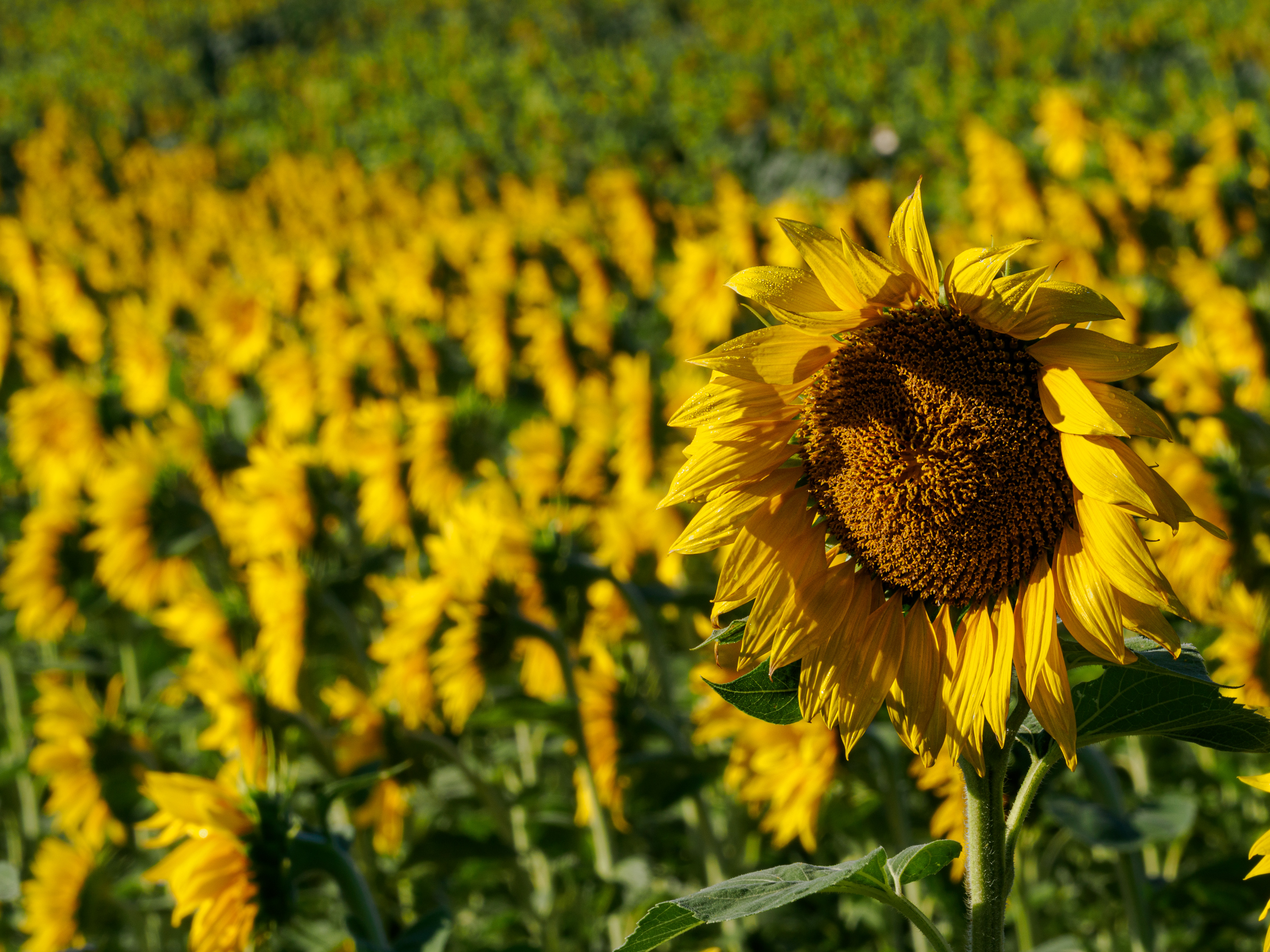
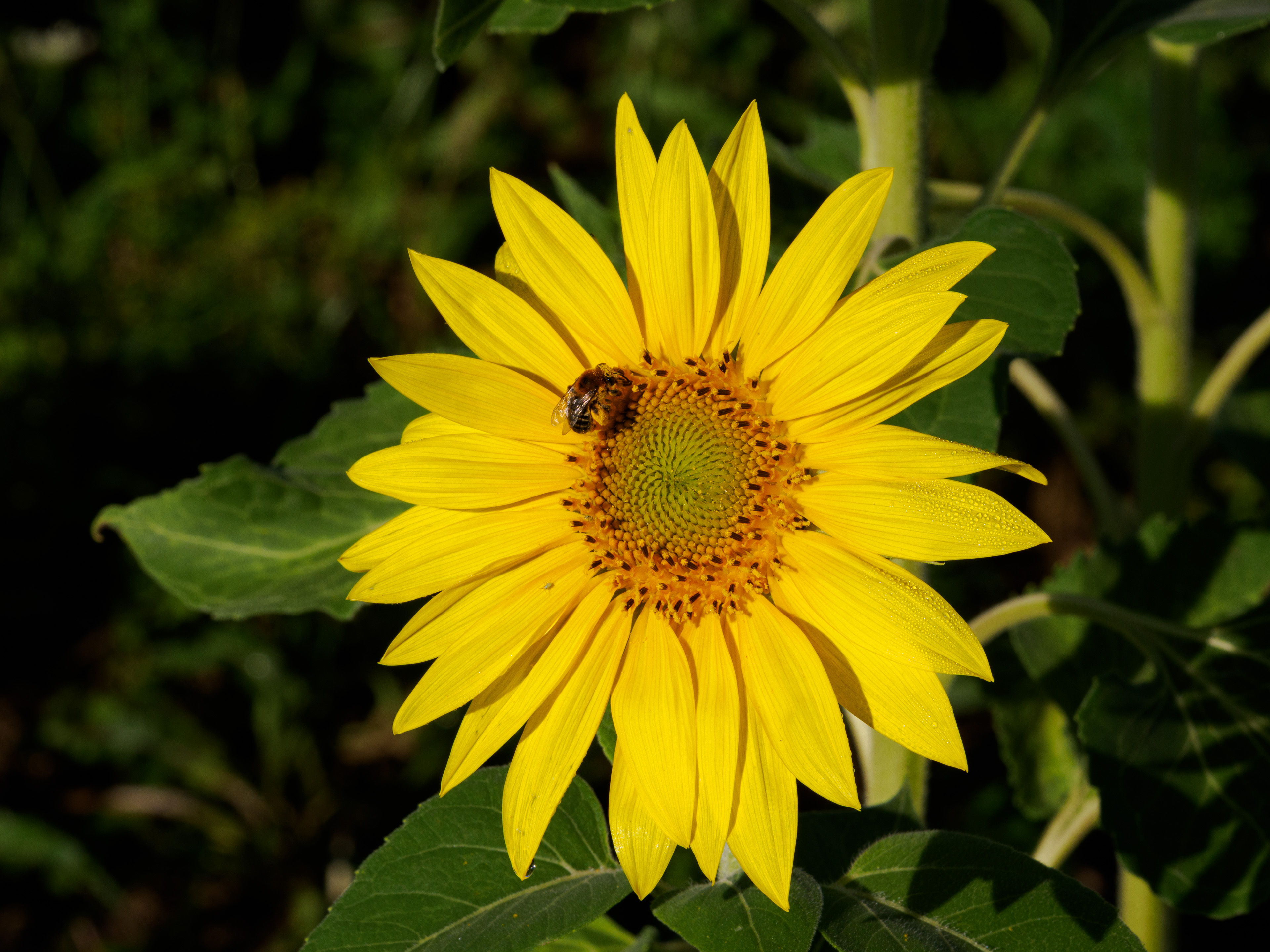
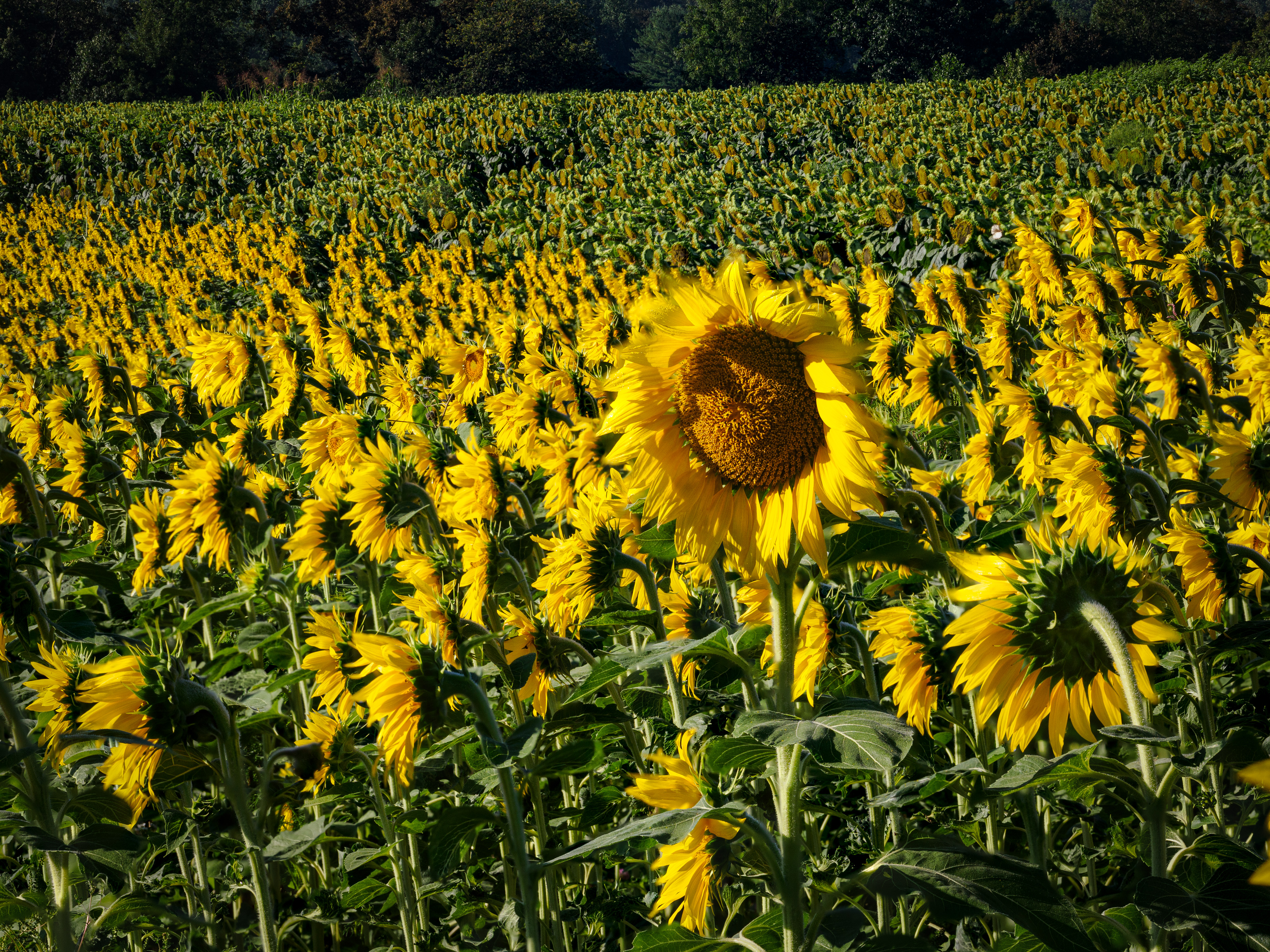
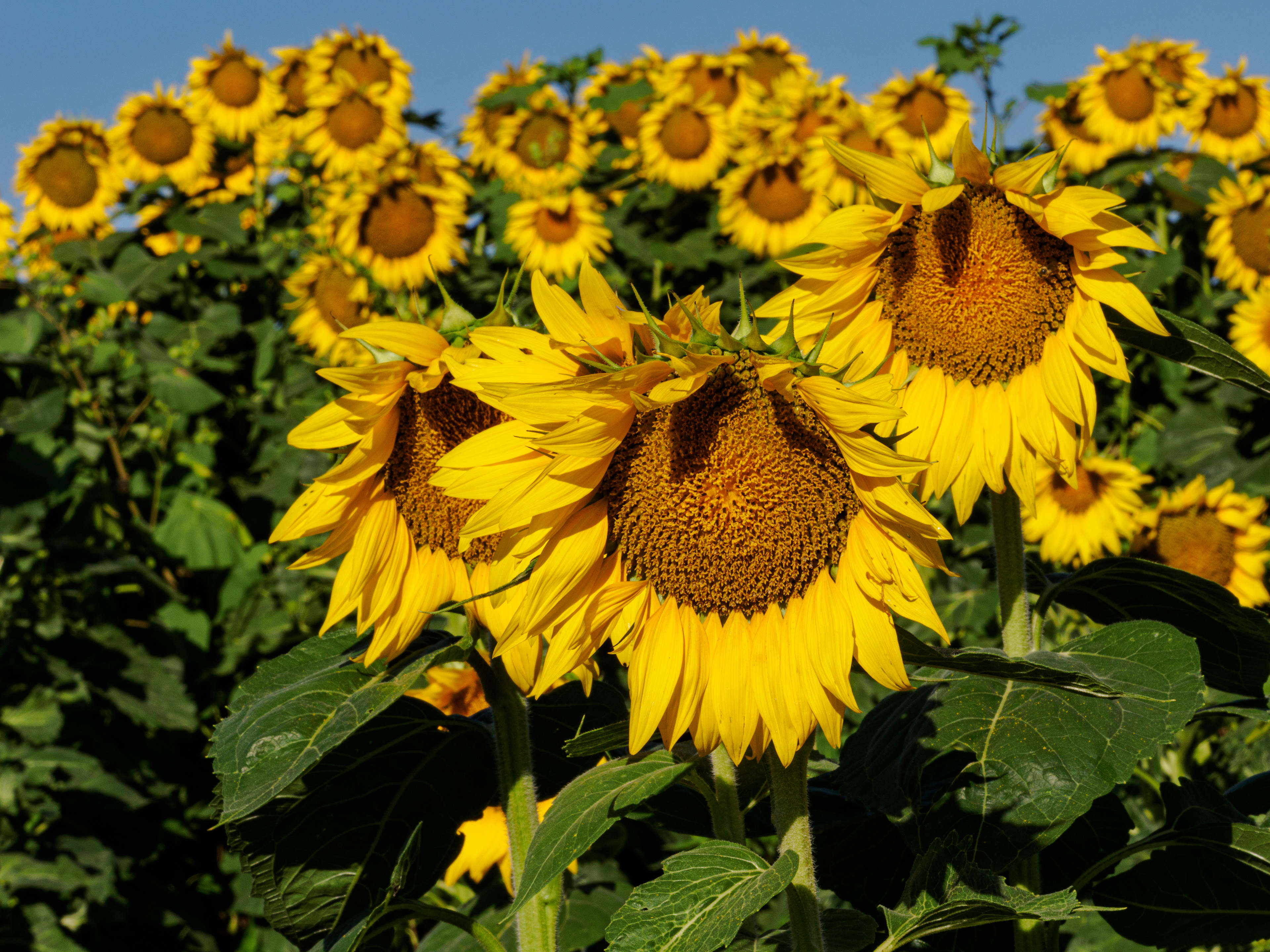
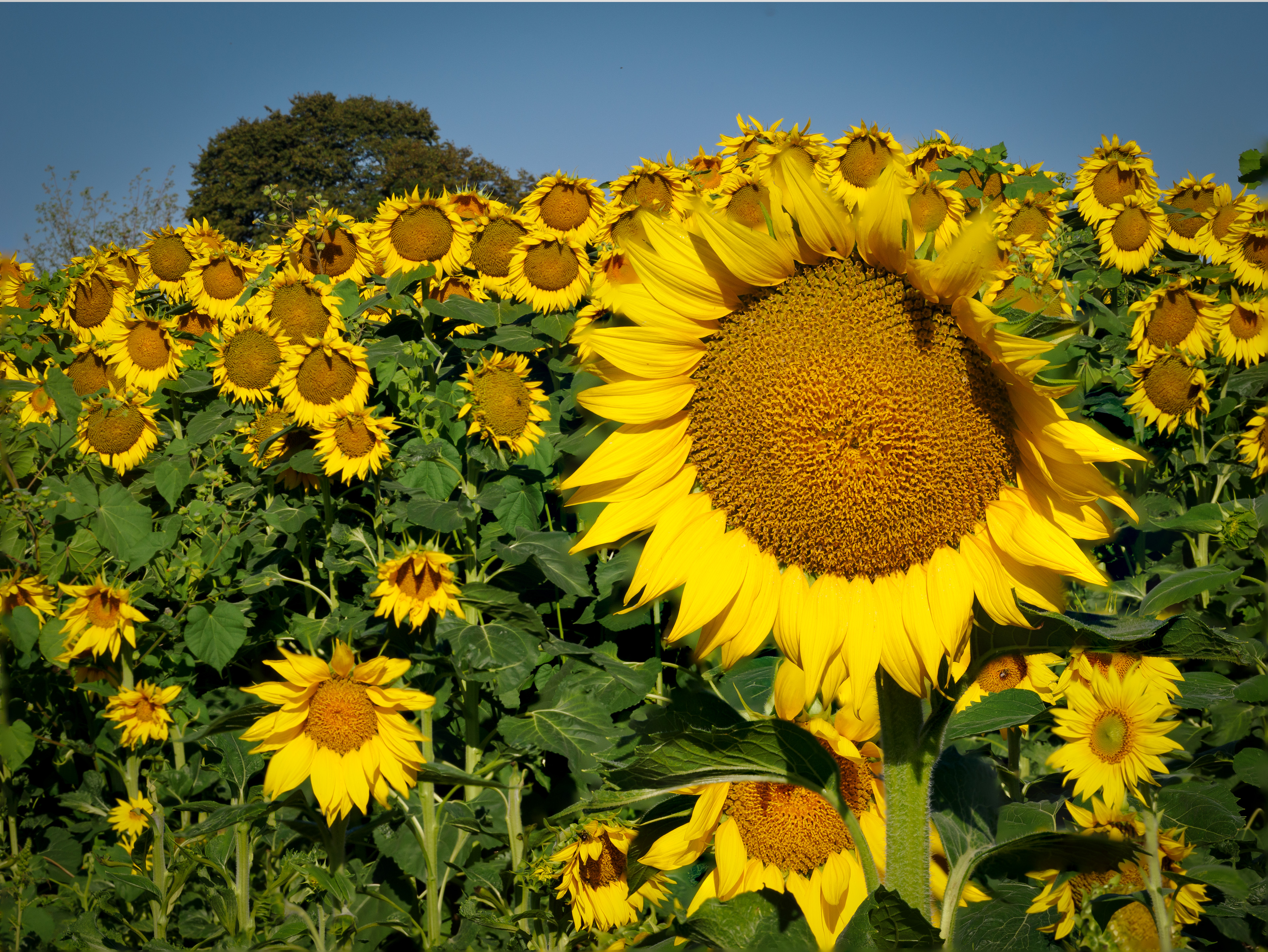
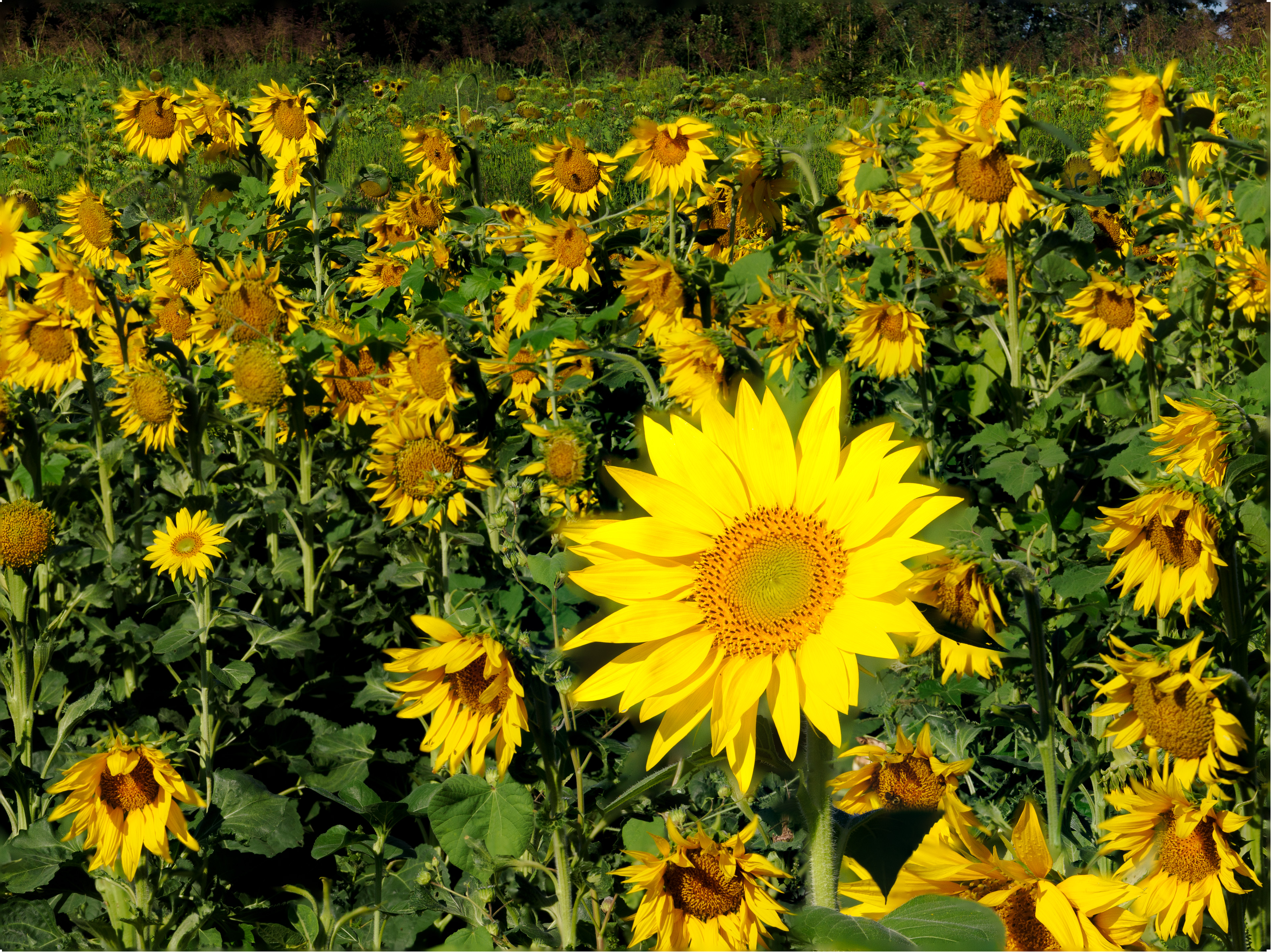
St. Luke’s Arboretum & Gardens of St. Luke’s University Health Network was established in 2020 to foster connections between plants, people, and the community. It functions as a peaceful space where patients, visitors, and staff can enjoy nature, relax, and find comfort. The arboretum features a diverse collection of trees, plants, walking paths, and benches that create a serene environment supportive of healing and well-being. St. Luke’s Arboretum spans approximately 92 acres around St. Luke’s Anderson Campus. Of this, 56 acres are dedicated to seasonal flowers, including cosmos, canola, and crimson clover. The most popular flower field is the 8-acre sunflower field, which blooms every late summer.

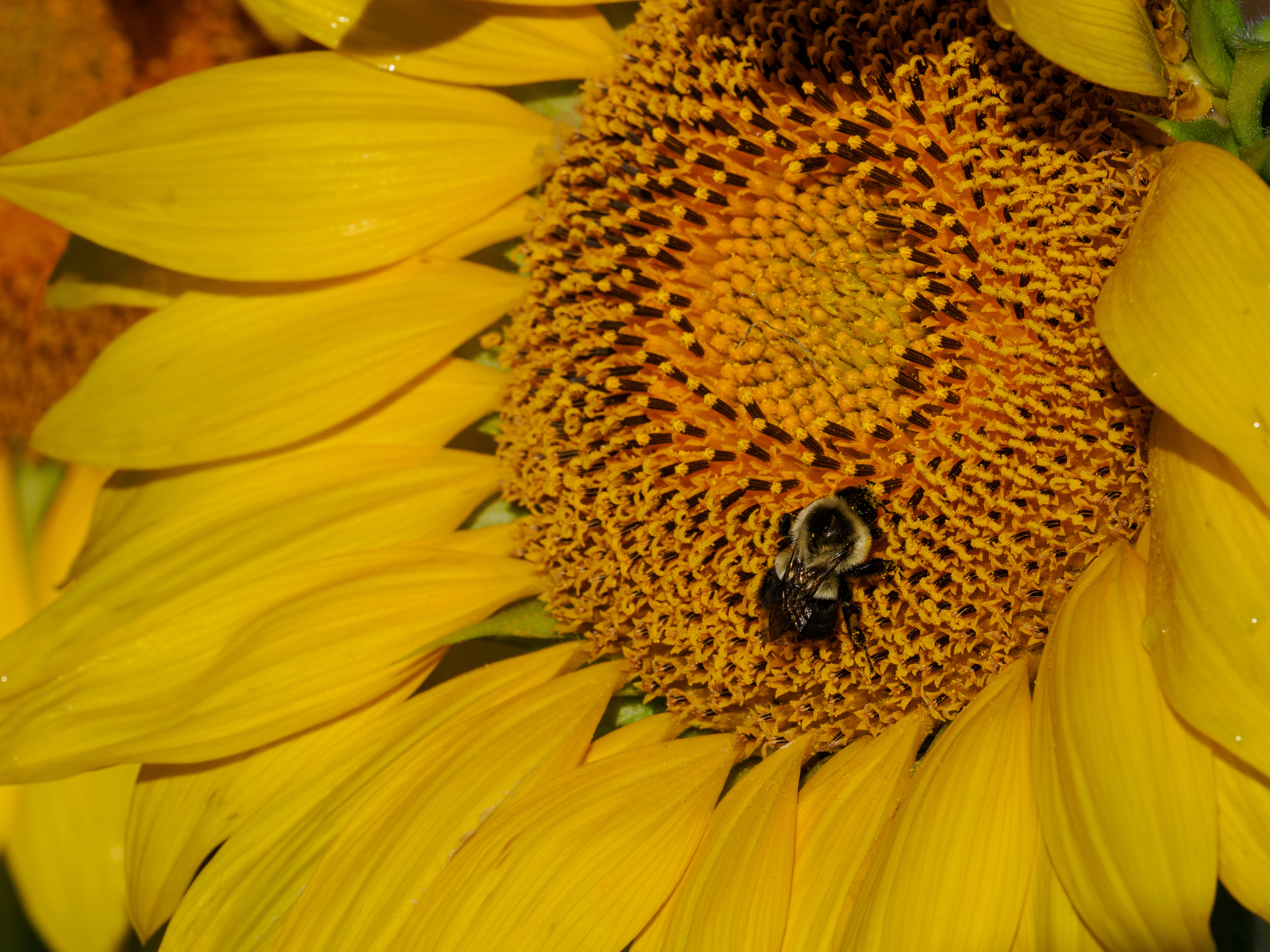
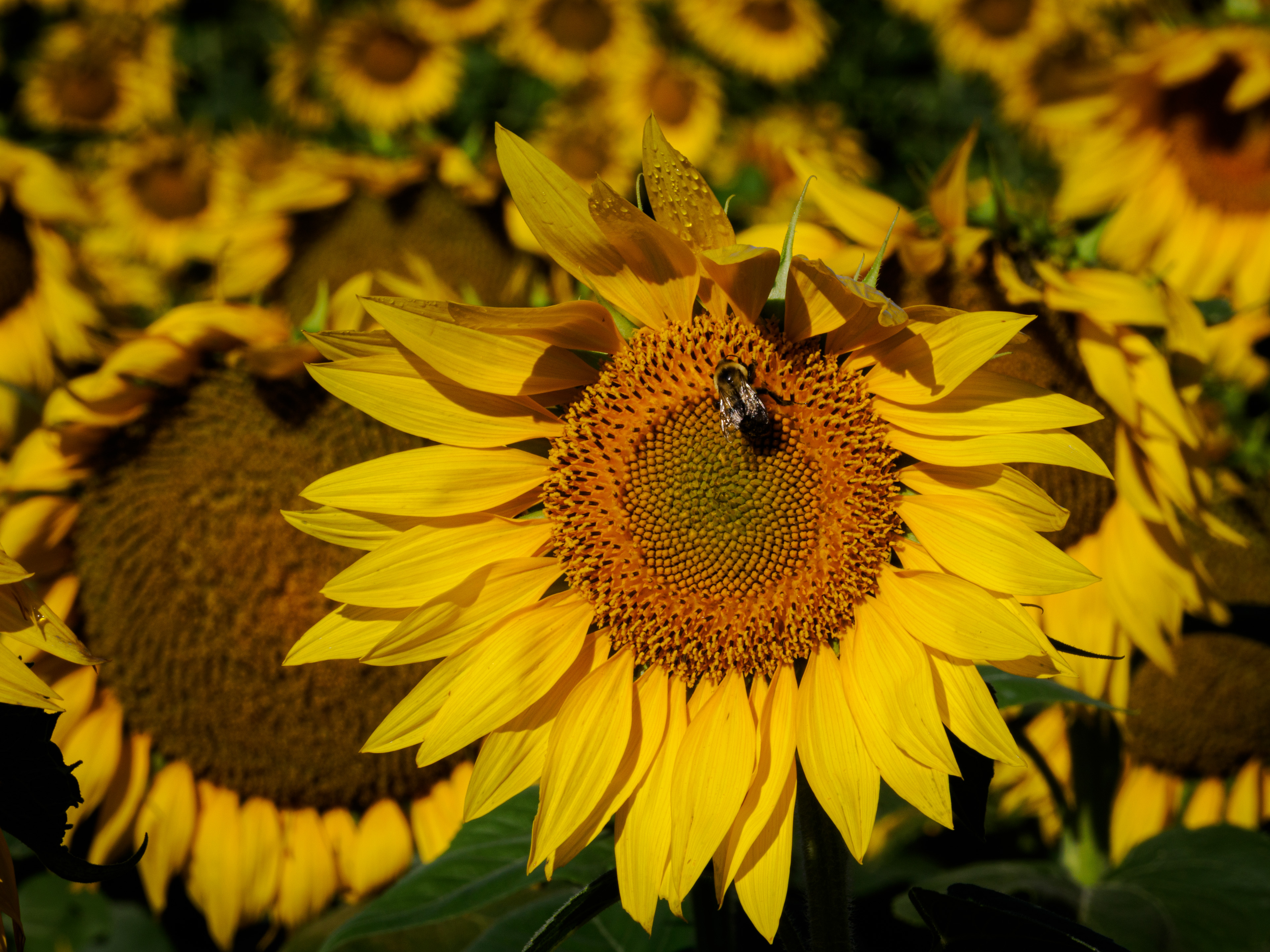
The sunflower garden at St. Luke’s University Hospital Anderson Campus is a beautiful sight, bursting into bloom from late July. It features lovely pathways that meander through the field, allowing visitors to get a close-up look at the vibrant flowers, along with cozy benches to sit and enjoy the view.
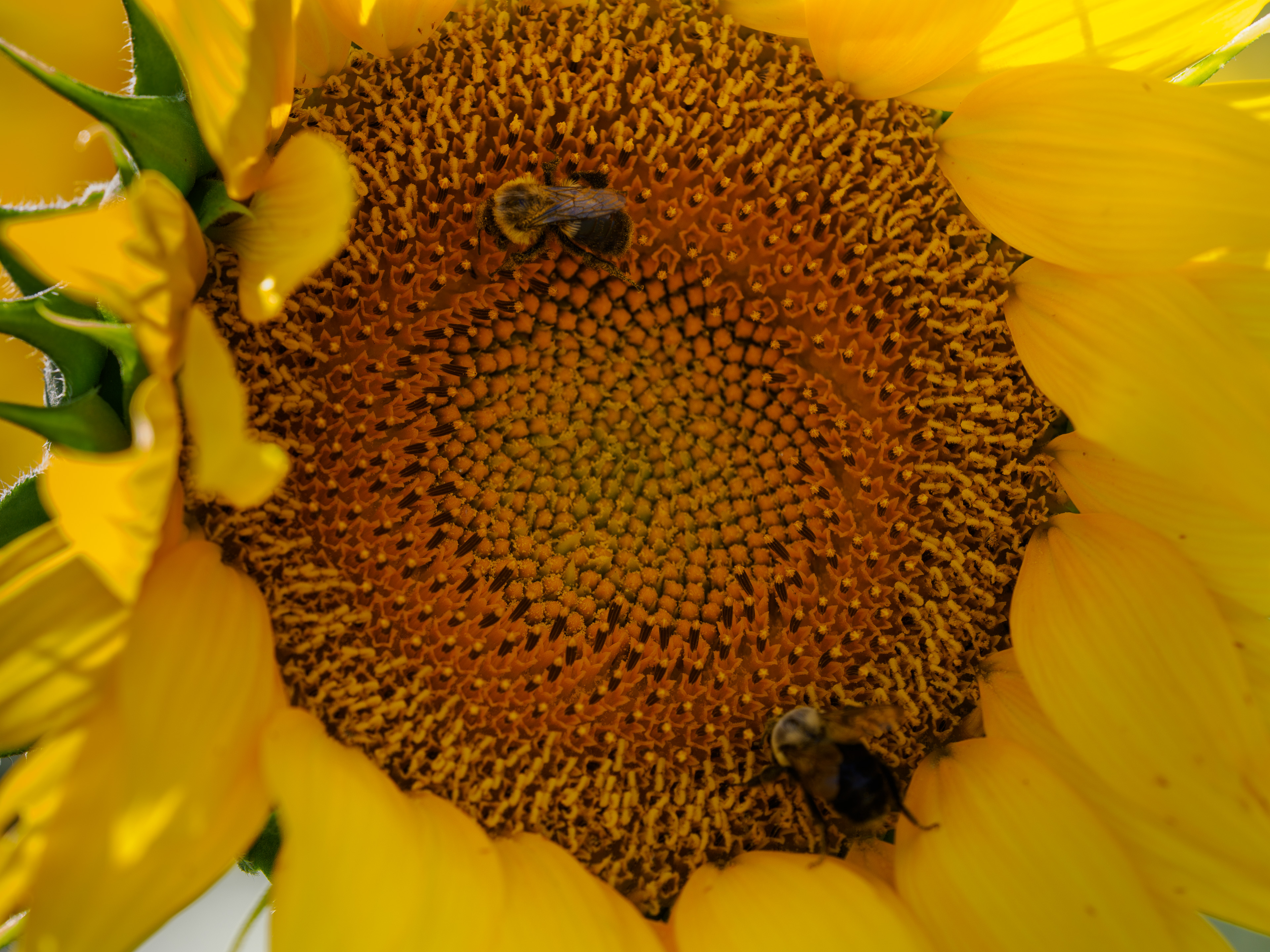
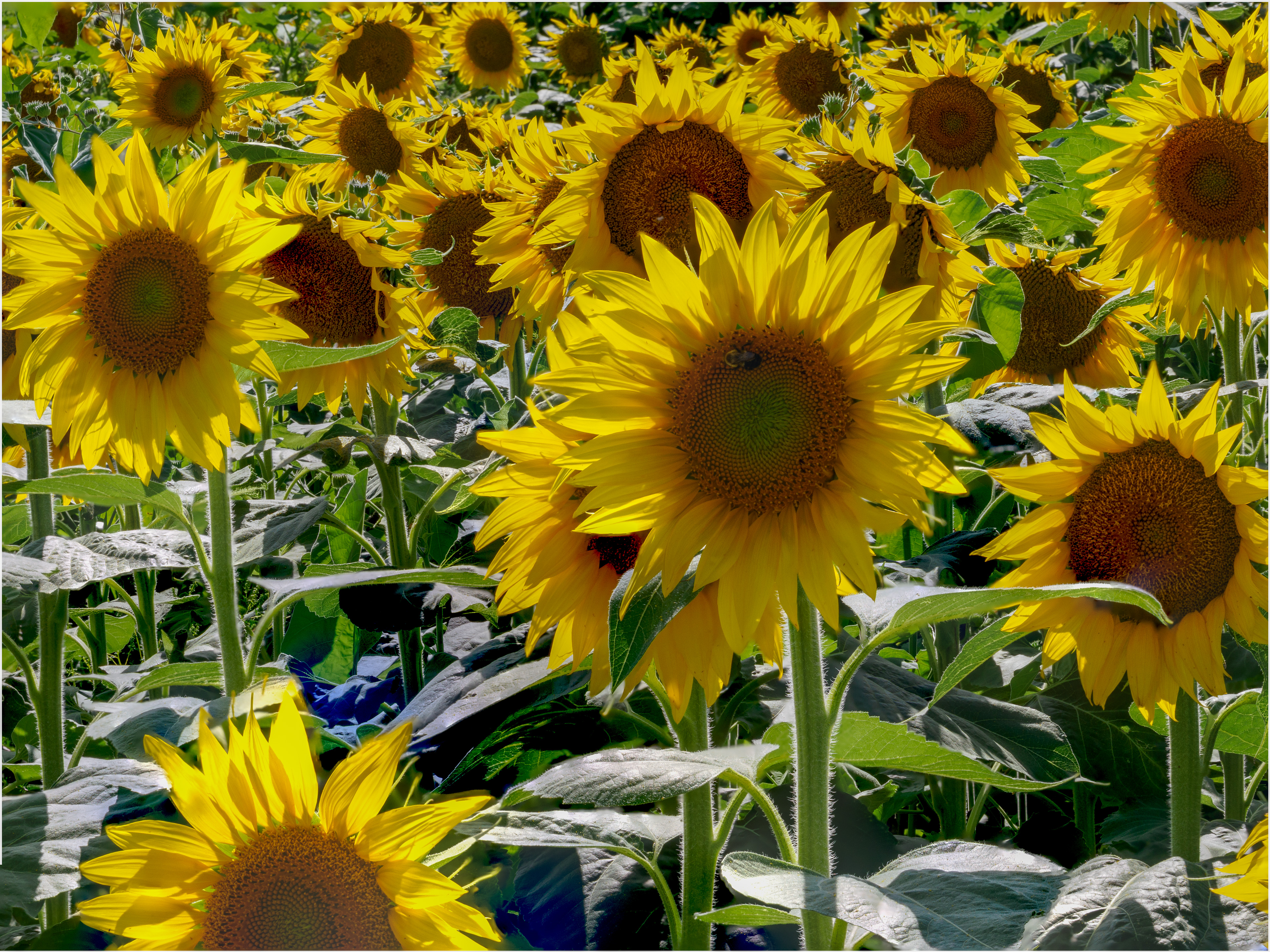
Full-grown sunflowers face east and stay fixed, often backlit by the sun, creating a picturesque scene.

What’s in Bob’s bag

  • OM1 Mark ll
  • OM-D E-M1 Mark Ill
  • M.Zuiko 40-150mm F2.8 Pro
  • M.Zuiko ED 300mm F4.0 IS Pro
  • M.Zuiko Digital 1.4x Teleconverter MC-14
  • M.Zuiko Digital 2X Teleconverter MC-20
  • M.Zuiko 12-40mm F2.8 Pro
  • M.Zuiko 7-14mm F2.8 Pro
  • M.Zuiko ED 8mm F1.8 Fisheye Pro
  • M.Zuiko ED 12-100mm f4.0 IS Pro
  • M.Zuiko ED 45mm f/1.2
  • M.Zuiko ED 20mm f/1.4
  • M.Zuiko ED 60mm f2.8 Macro
  • M.Zuiko ED 20mm f/1.4 Pro
  • M.Zuiko ED 45mm f/1.2 Pro
  • Manfrotto MHXPRO-BHQ2 XPRO Ball Head
  • Manfrotto 265CB CF Tripod
  • Manfrotto 290 Carbon Fiber Monopod
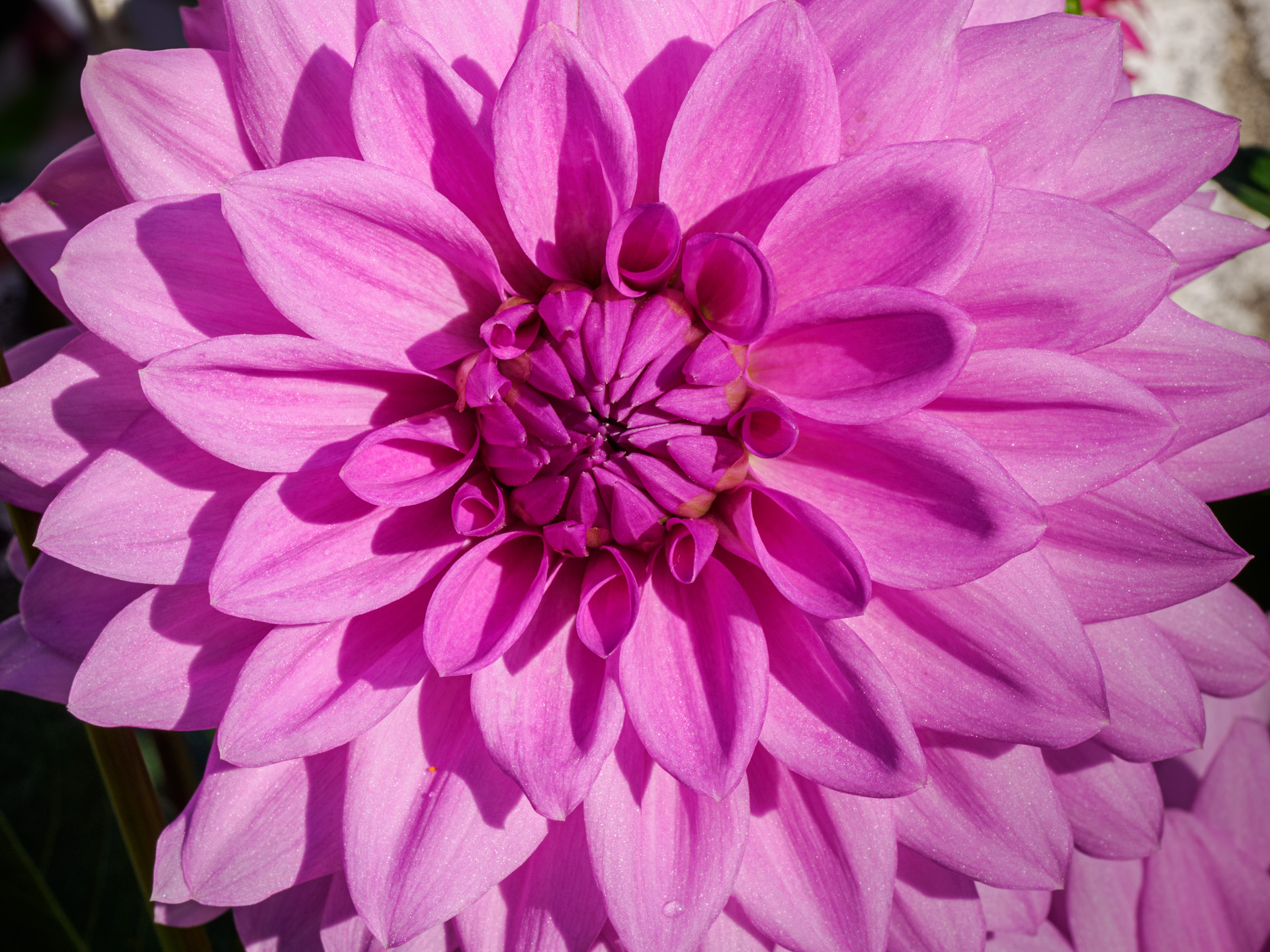
Dahlias

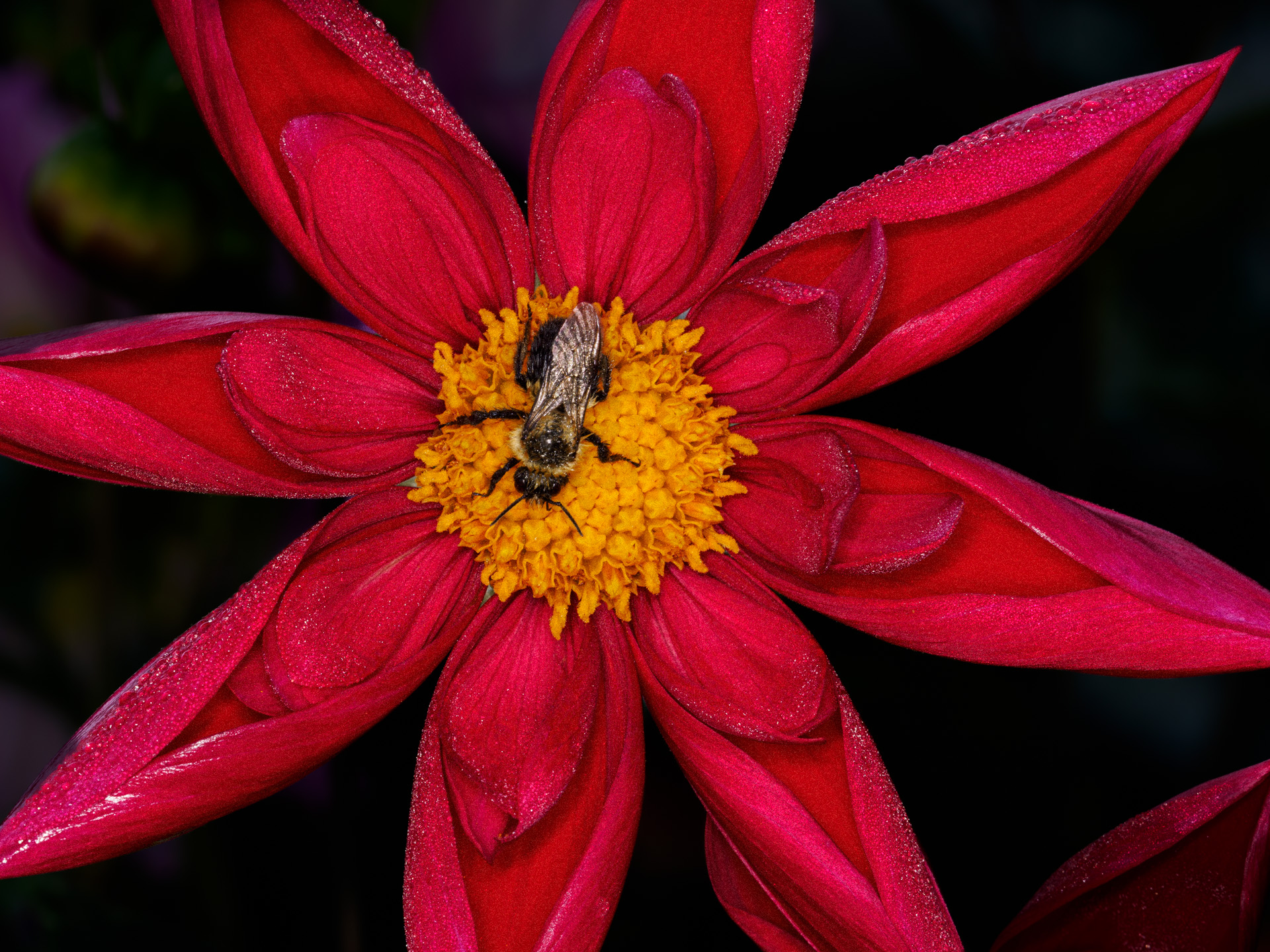
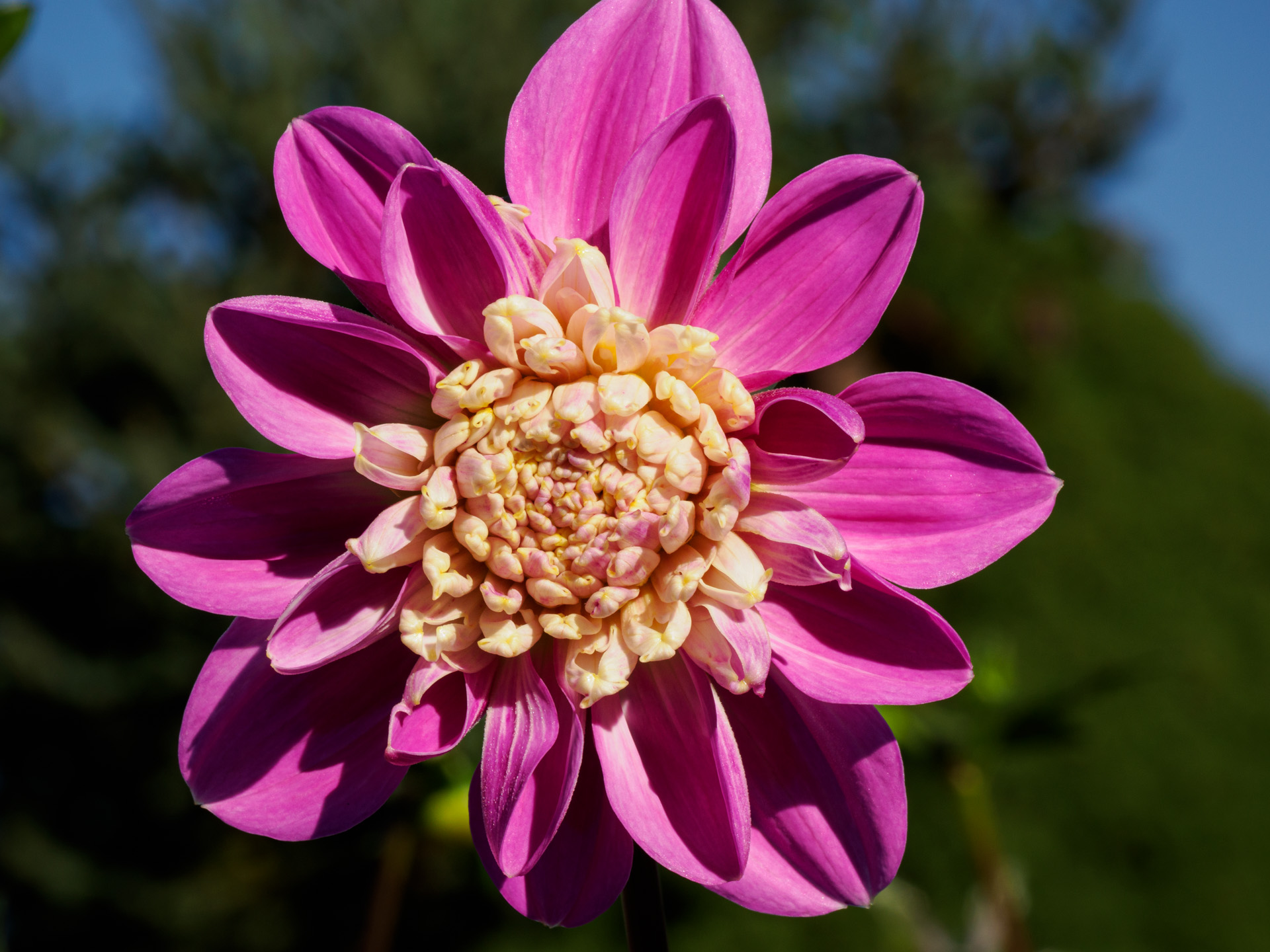
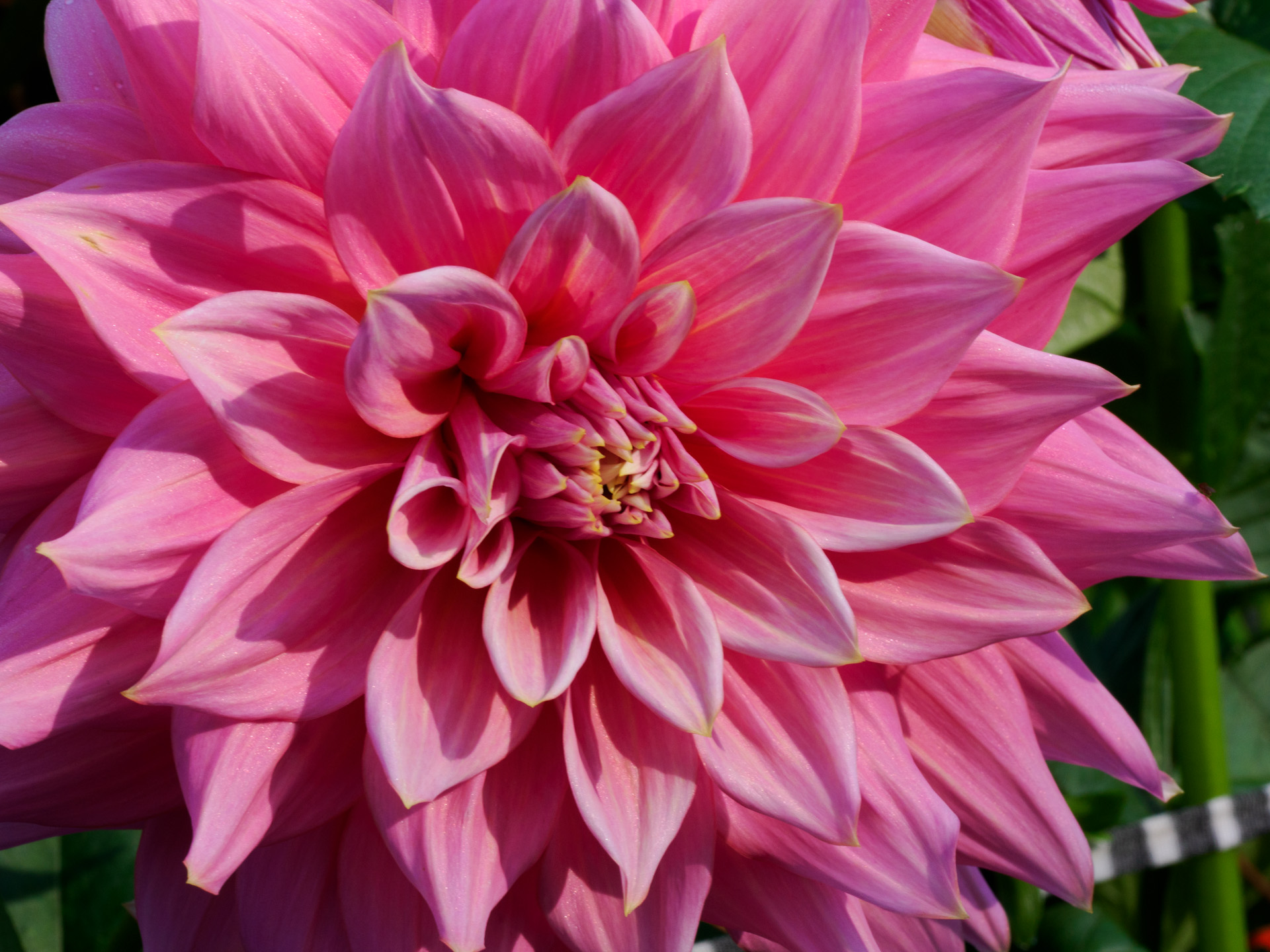
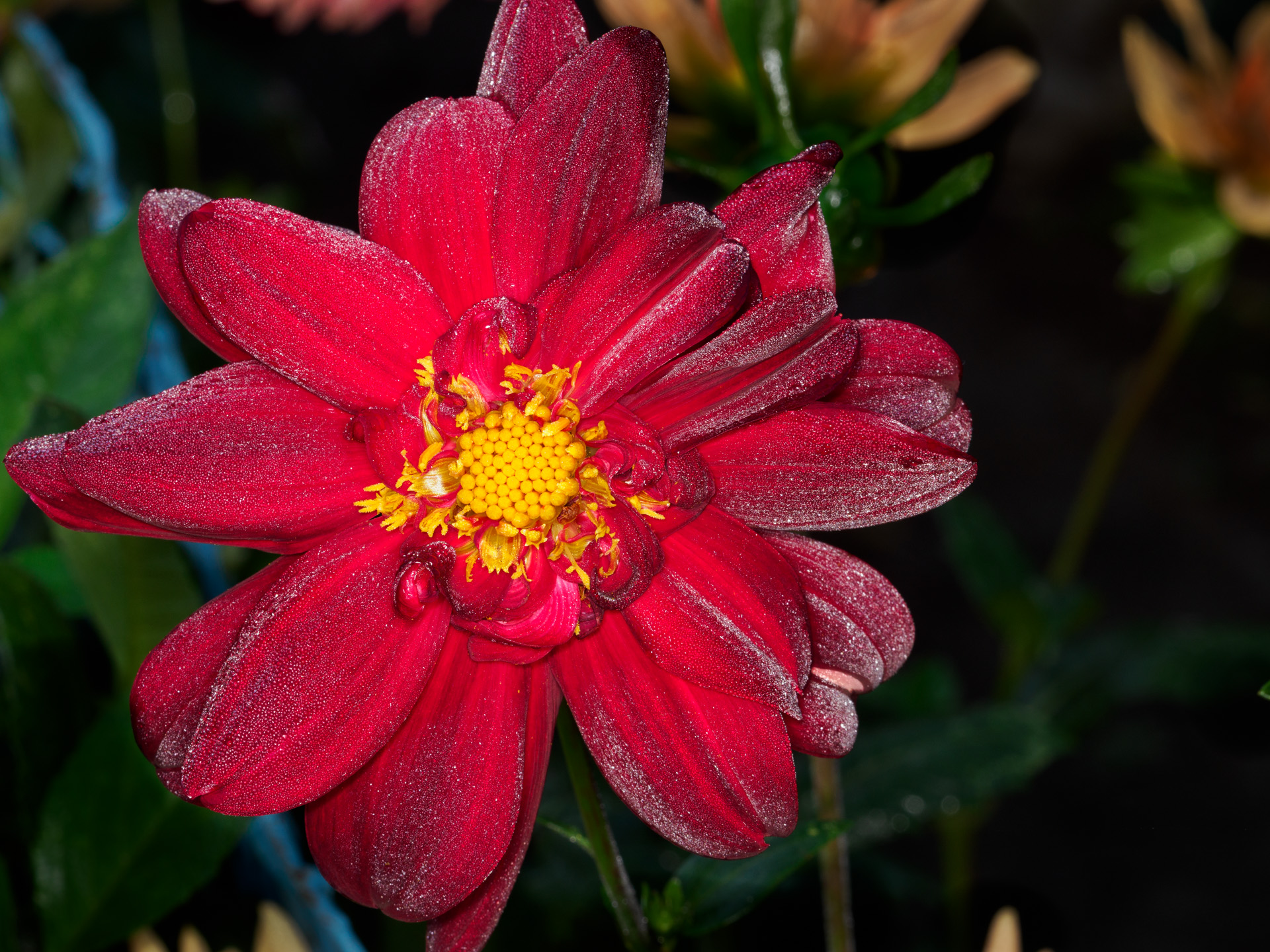
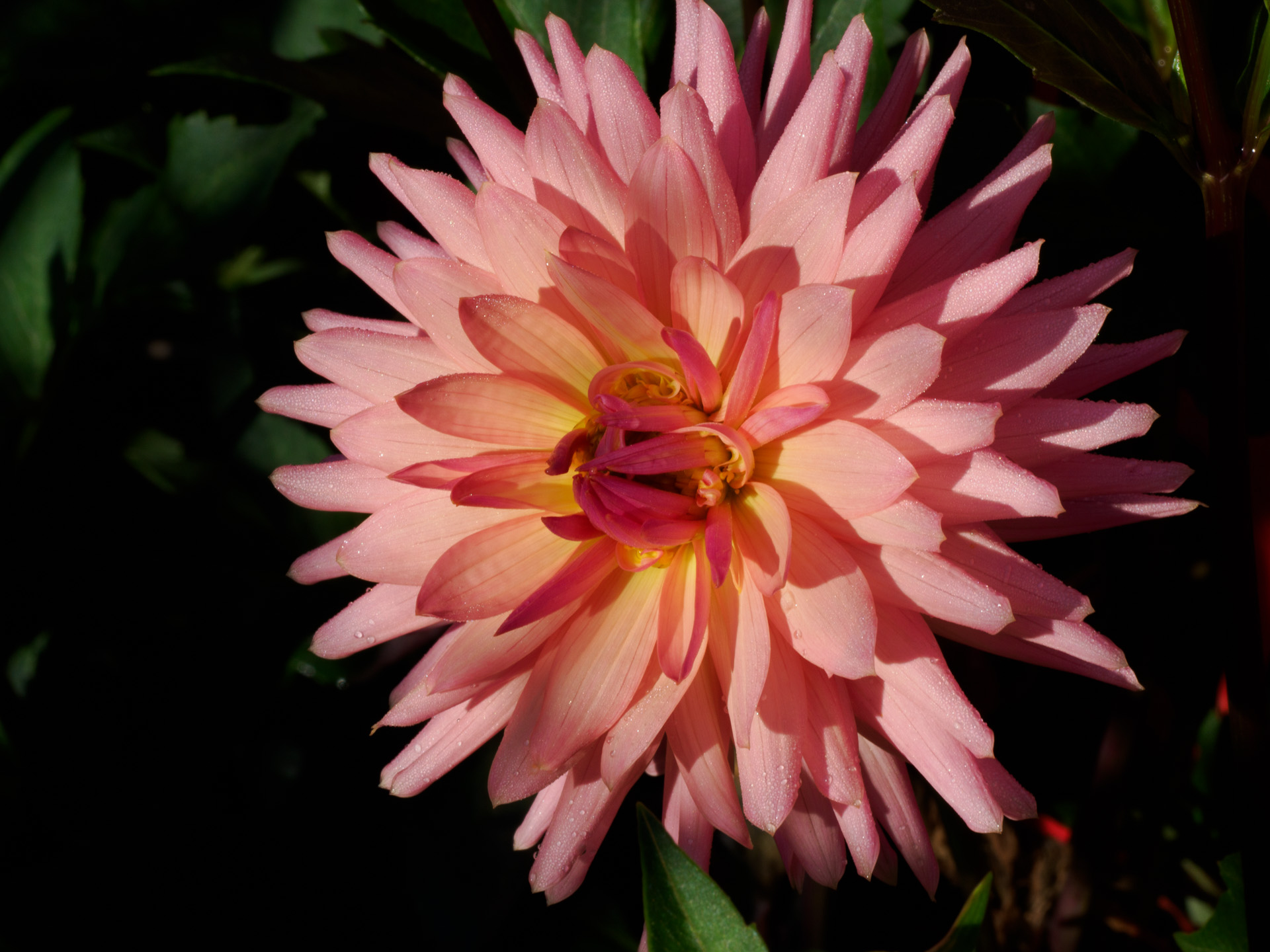
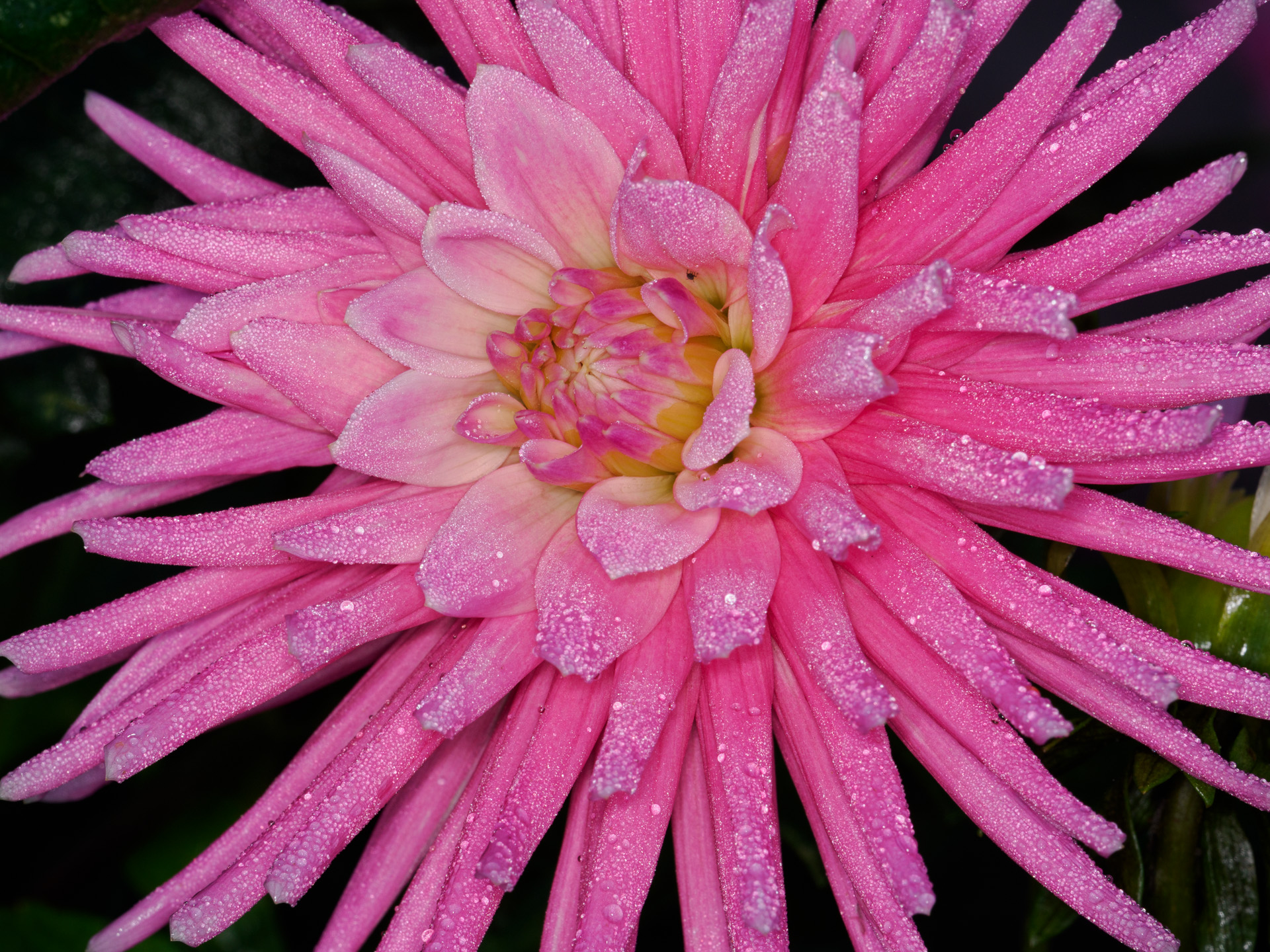
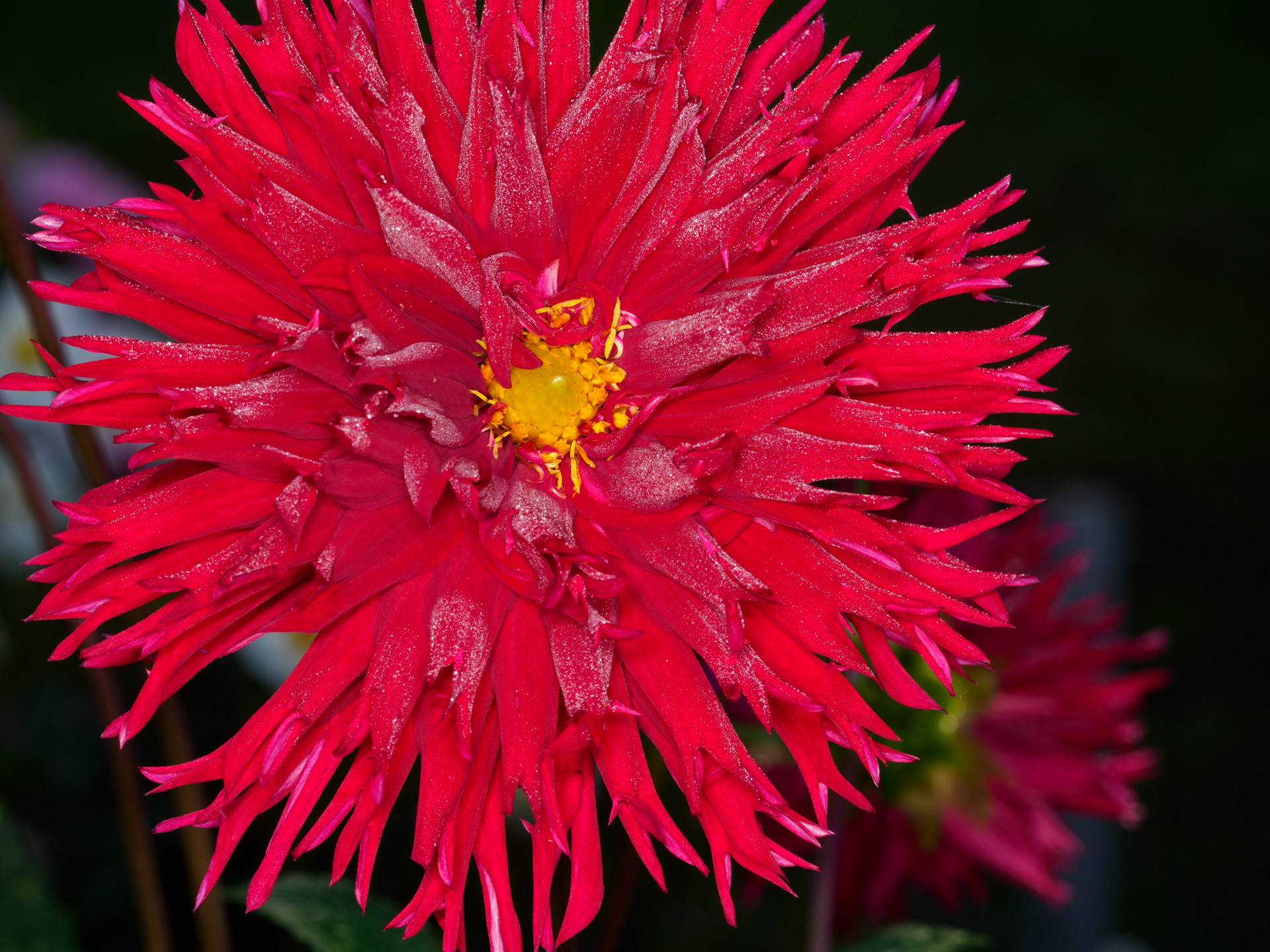
Dahlias are perennial plants with tuberous roots, though they are grown as annuals in some regions with cold winters. While some have herbaceous stems, others have stems that lignify in the absence of secondary tissue and resprout following winter dormancy, allowing further seasons of growth. As a member of the Asteraceae, the dahlia has a flower head that is a composite with both central disc florets and surrounding ray florets. Each floret is a flower in its own right but is often incorrectly described as a petal. The modern name Asteraceae refers to the appearance of a star with surrounding rays.

Photographs taken at Delightful Dahlias on Mockingbird Hill Road, Lower Saucon Township, PA. There are more than 100 varieties of dahlias bloom in four separate gardens spread across one-and-a-half acres 

What’s in Bob’s bag?

  • OM1 Mark ll
  • OM-D E-M1 Mark Ill
  • M.Zuiko 40-150mm F2.8 Pro
  • M.Zuiko ED 300mm F4.0 IS Pro
  • M.Zuiko Digital 1.4x Teleconverter MC-14
  • M.Zuiko Digital 2X Teleconverter MC-20
  • M.Zuiko 12-40mm F2.8 Pro
  • M.Zuiko 7-14mm F2.8 Pro
  • M.Zuiko ED 8mm F1.8 Fisheye Pro
  • M.Zuiko ED 12-100mm f4.0 IS Pro
  • M.Zuiko ED 45mm f/1.2
  • M.Zuiko ED 20mm f/1.4
  • M.Zuiko ED 60mm f2.8 Macro
  • M.Zuiko ED 20mm f/1.4 Pro
  • M.Zuiko ED 45mm f/1.2 Pro
  • Manfrotto MHXPRO-BHQ2 XPRO Ball Head
  • Manfrotto 265CB CF Tripod
  • Manfrotto 290 Carbon Fiber Monopod
    Burnside Plantation

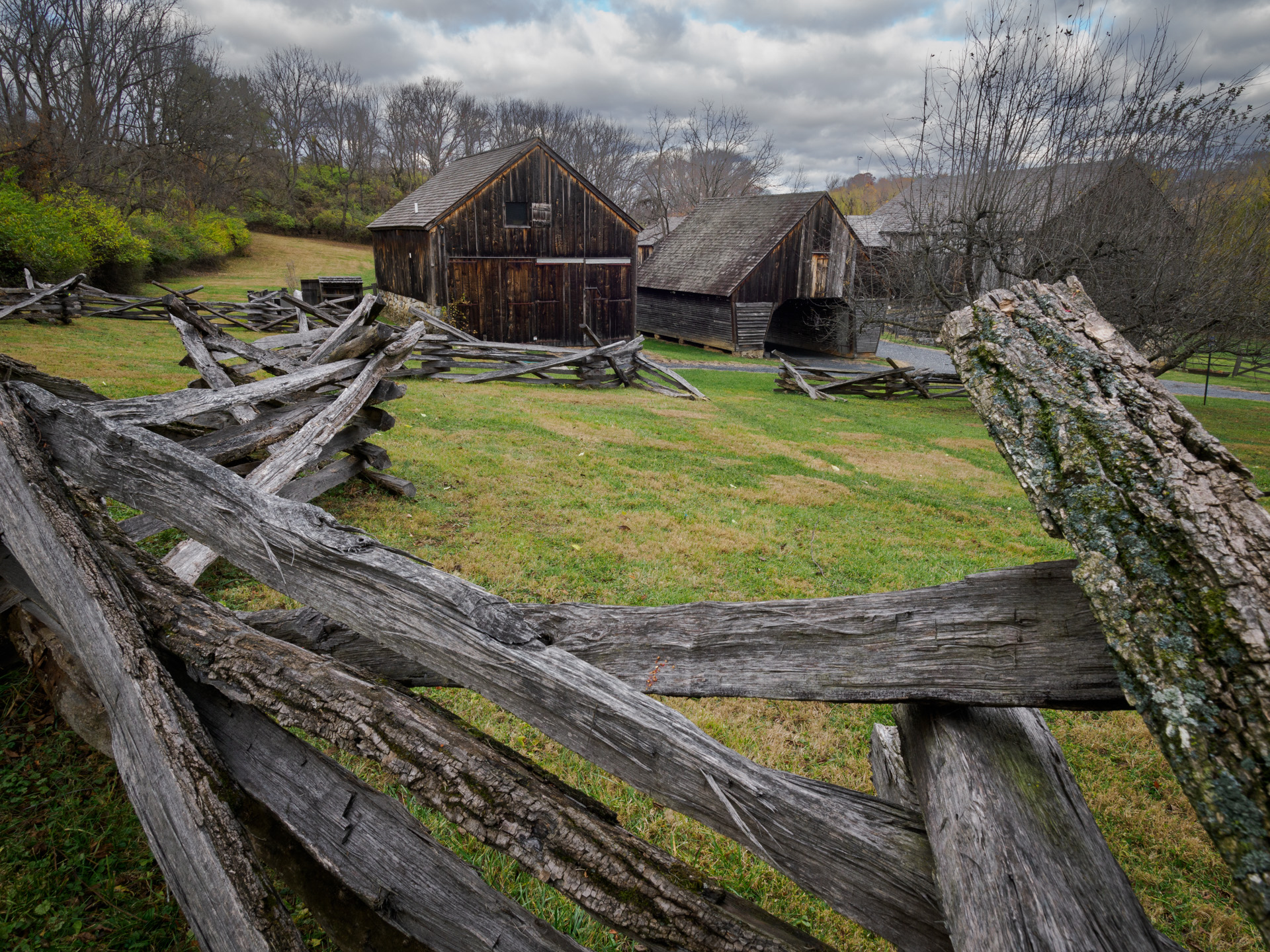
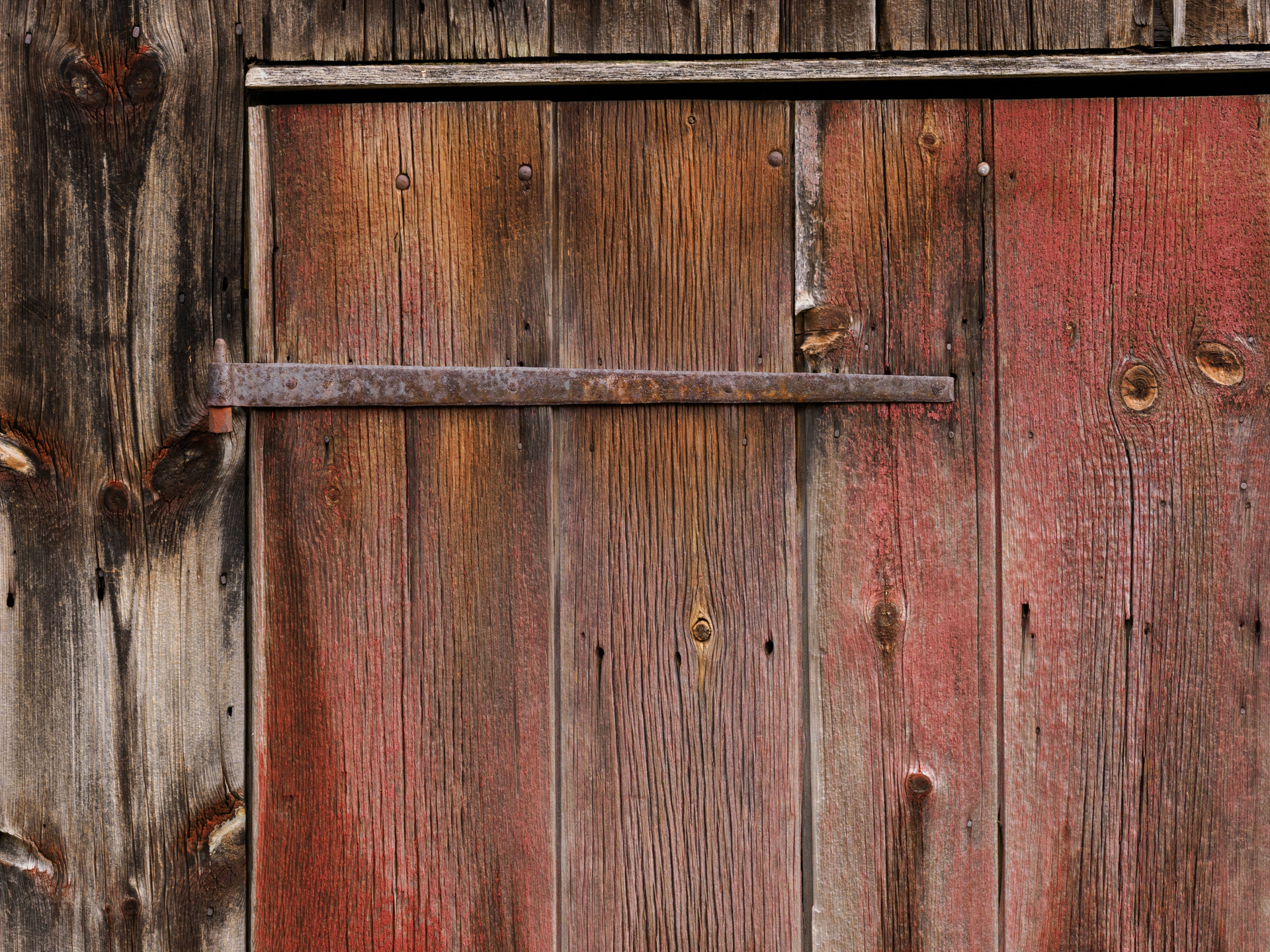
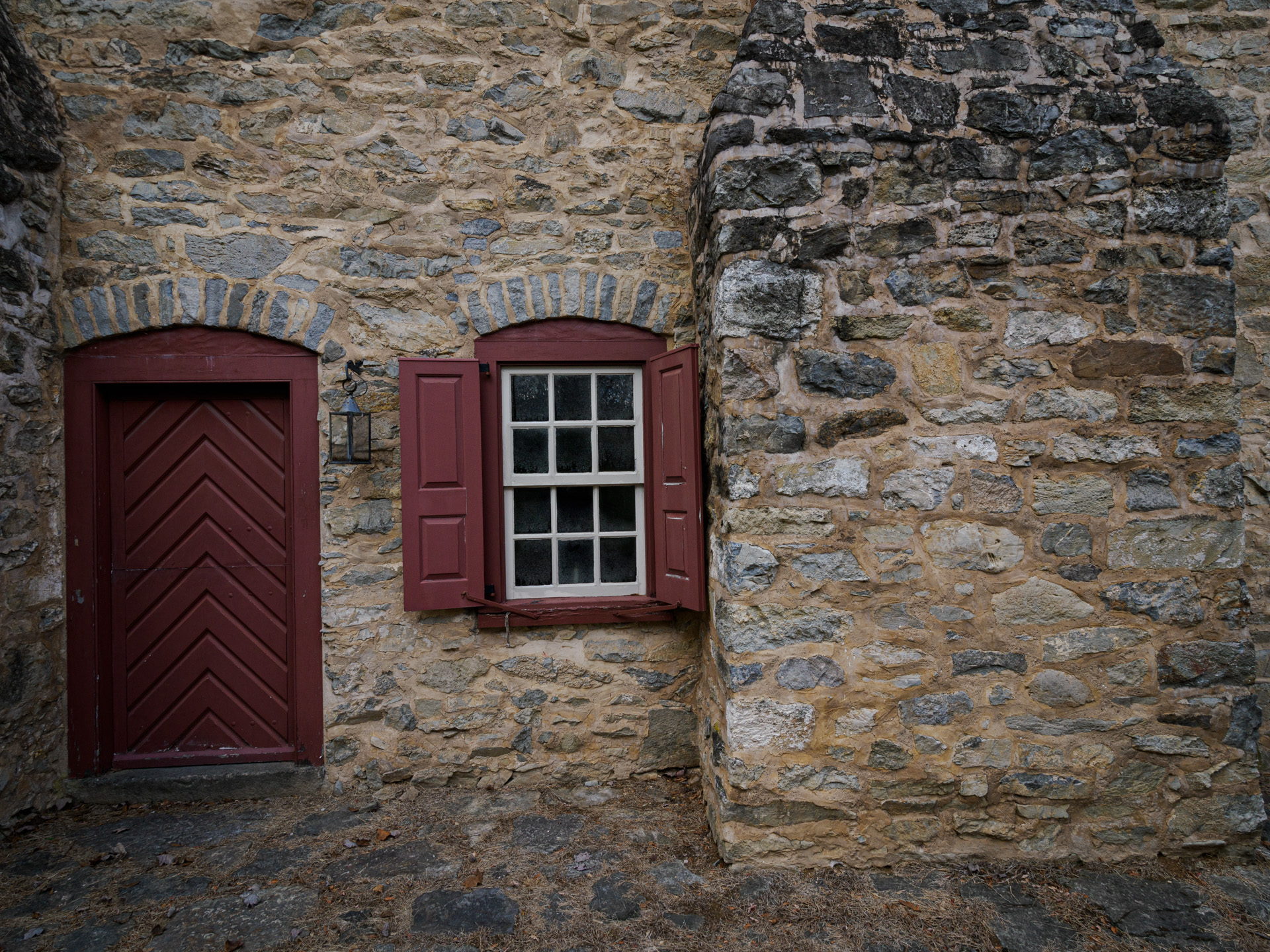
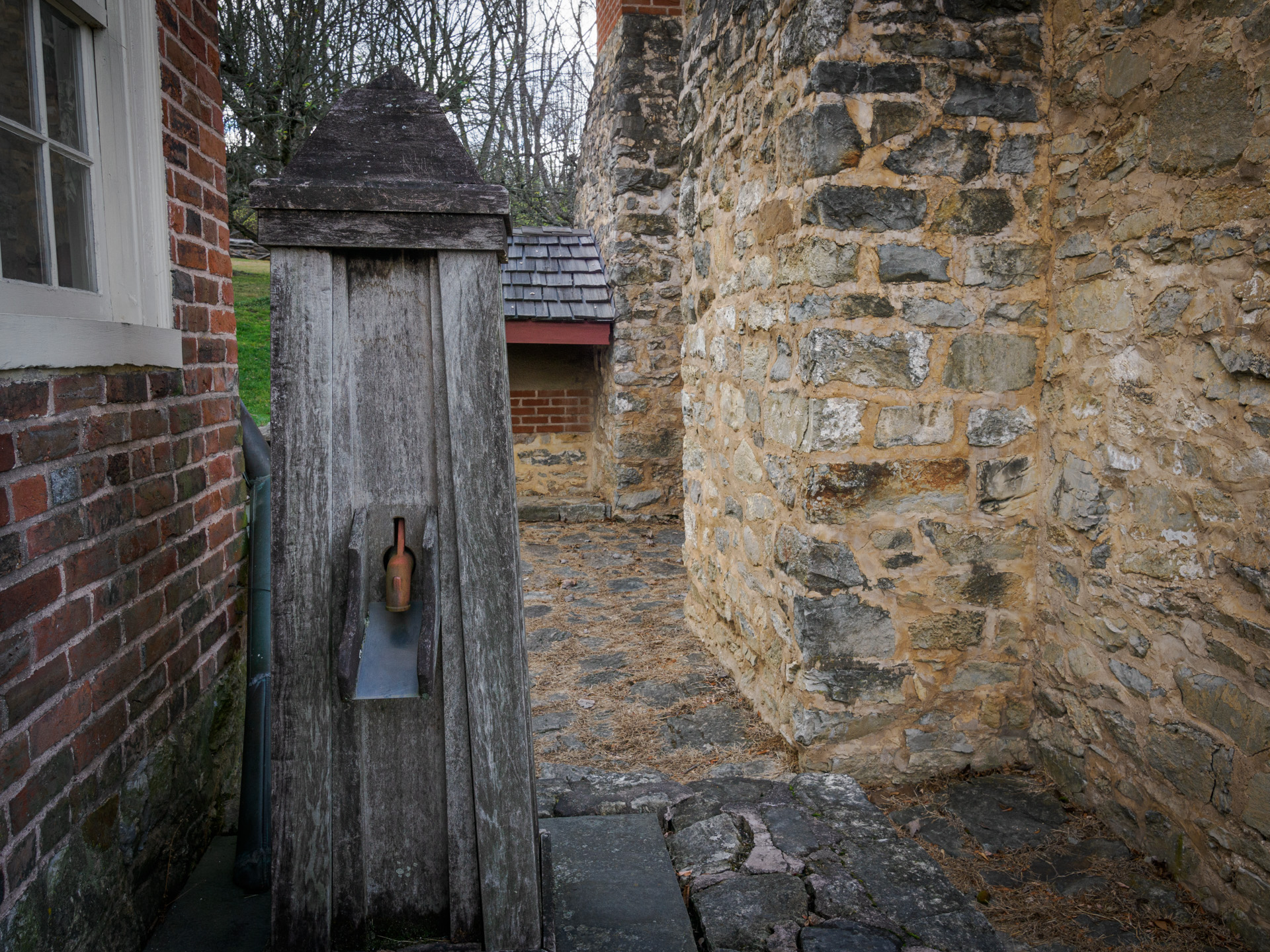
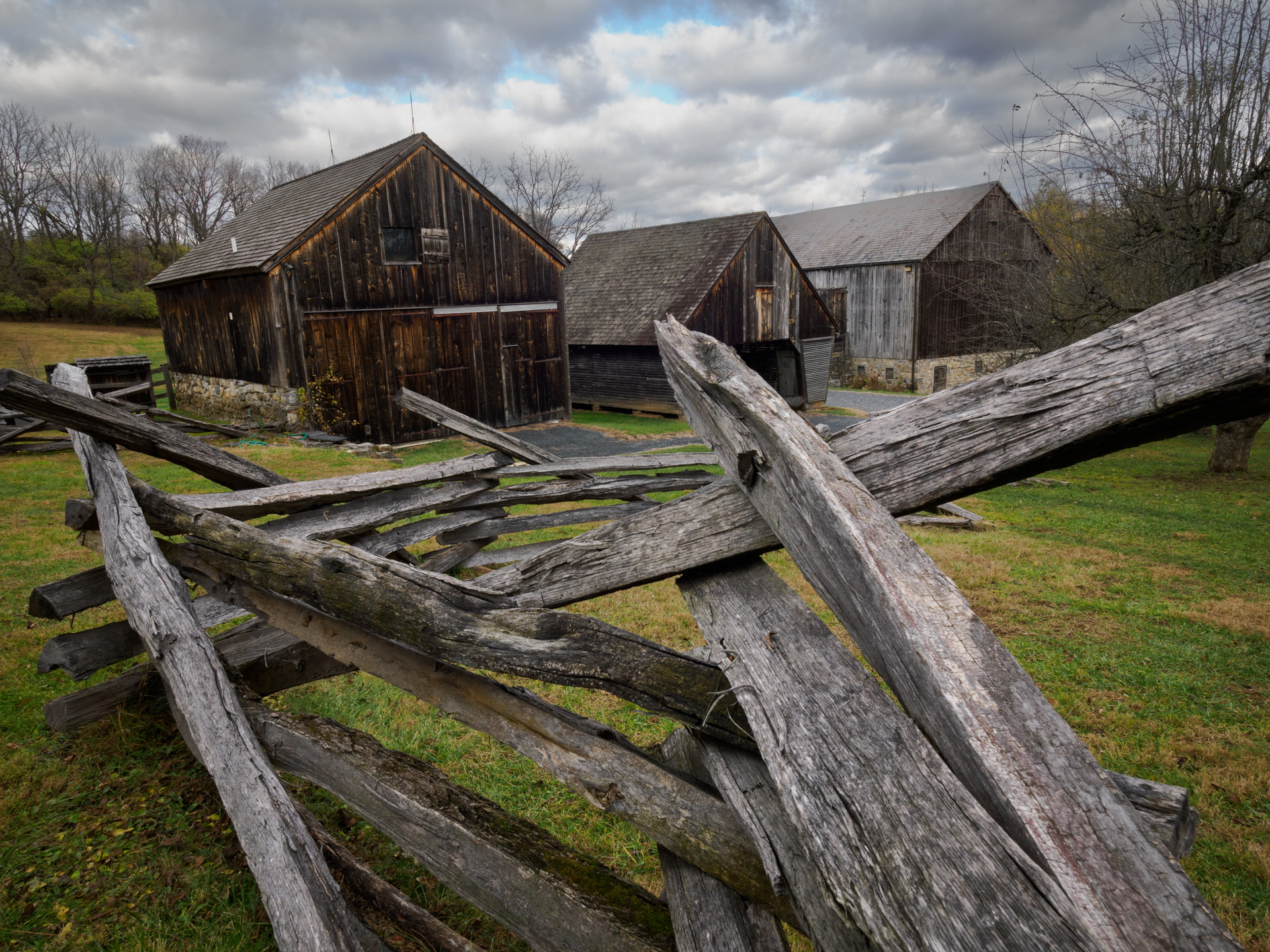
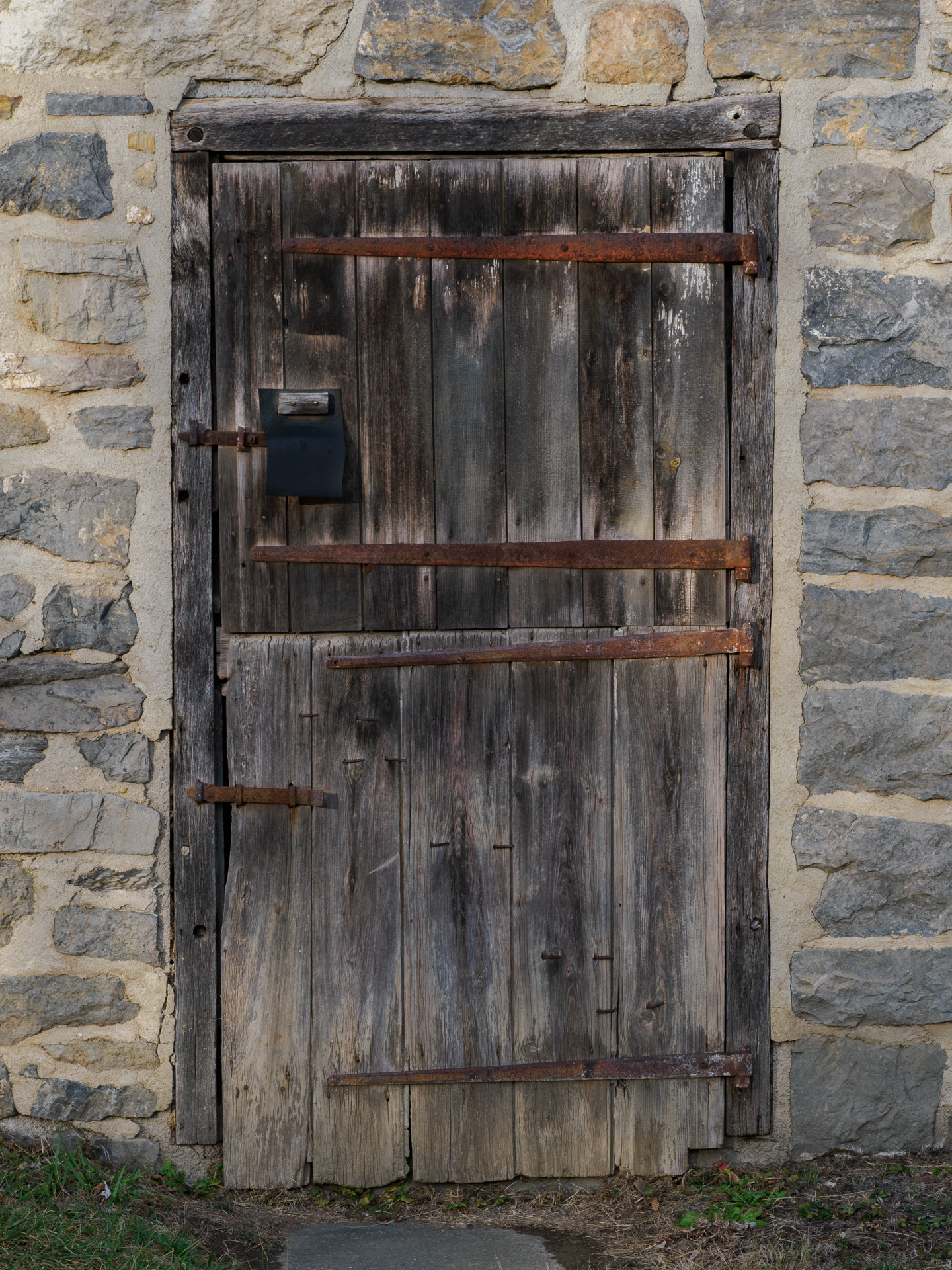
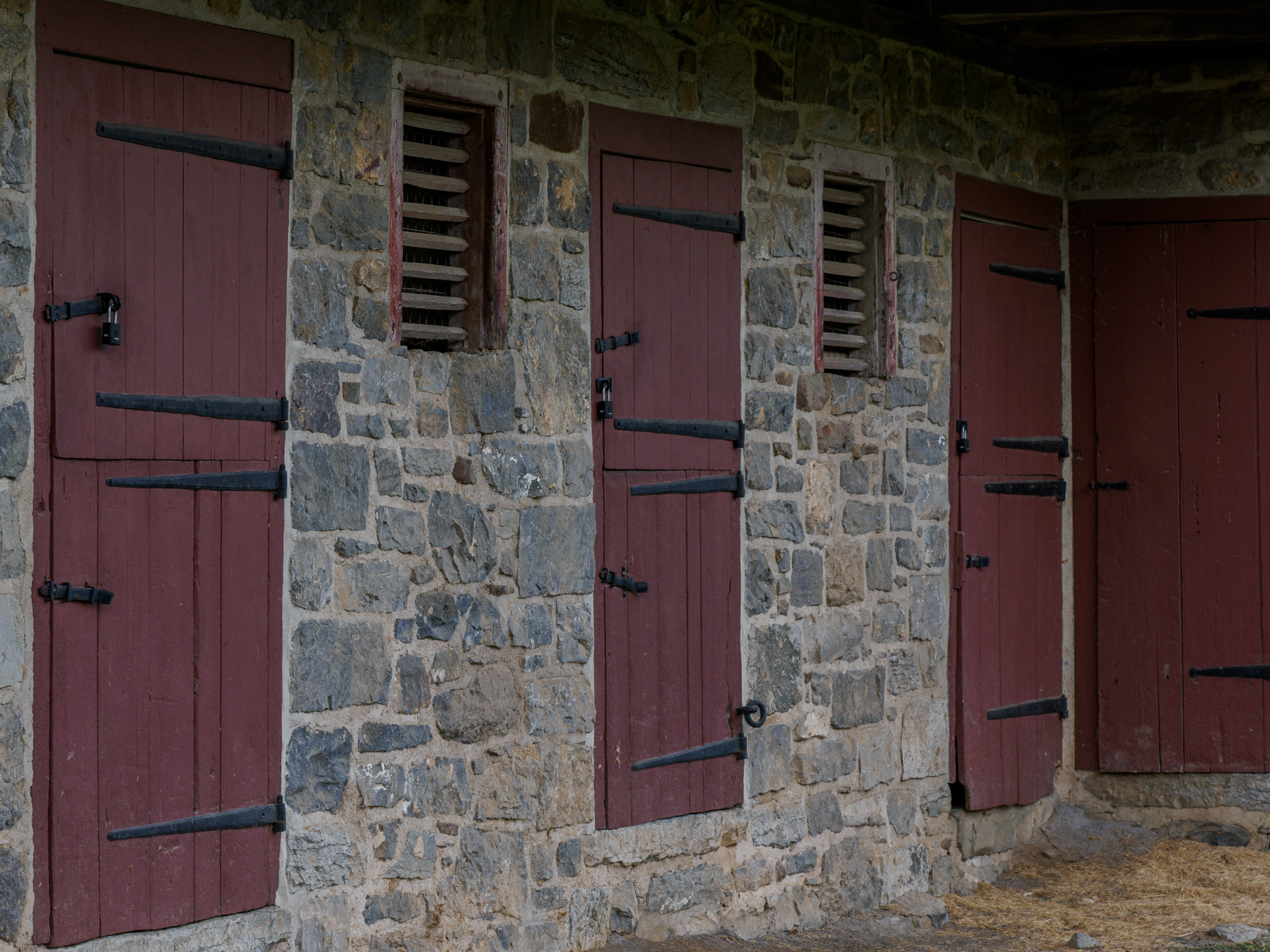
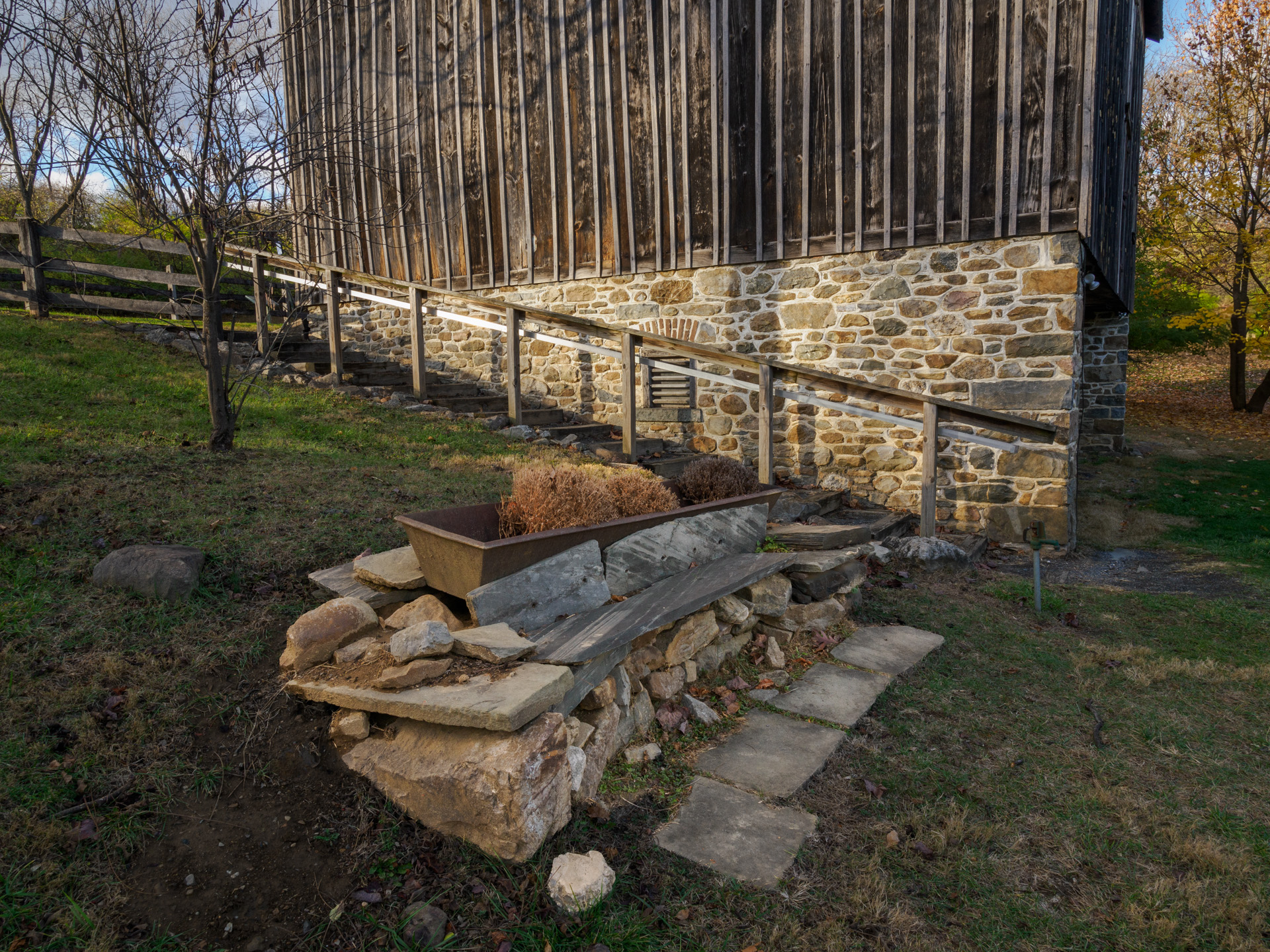
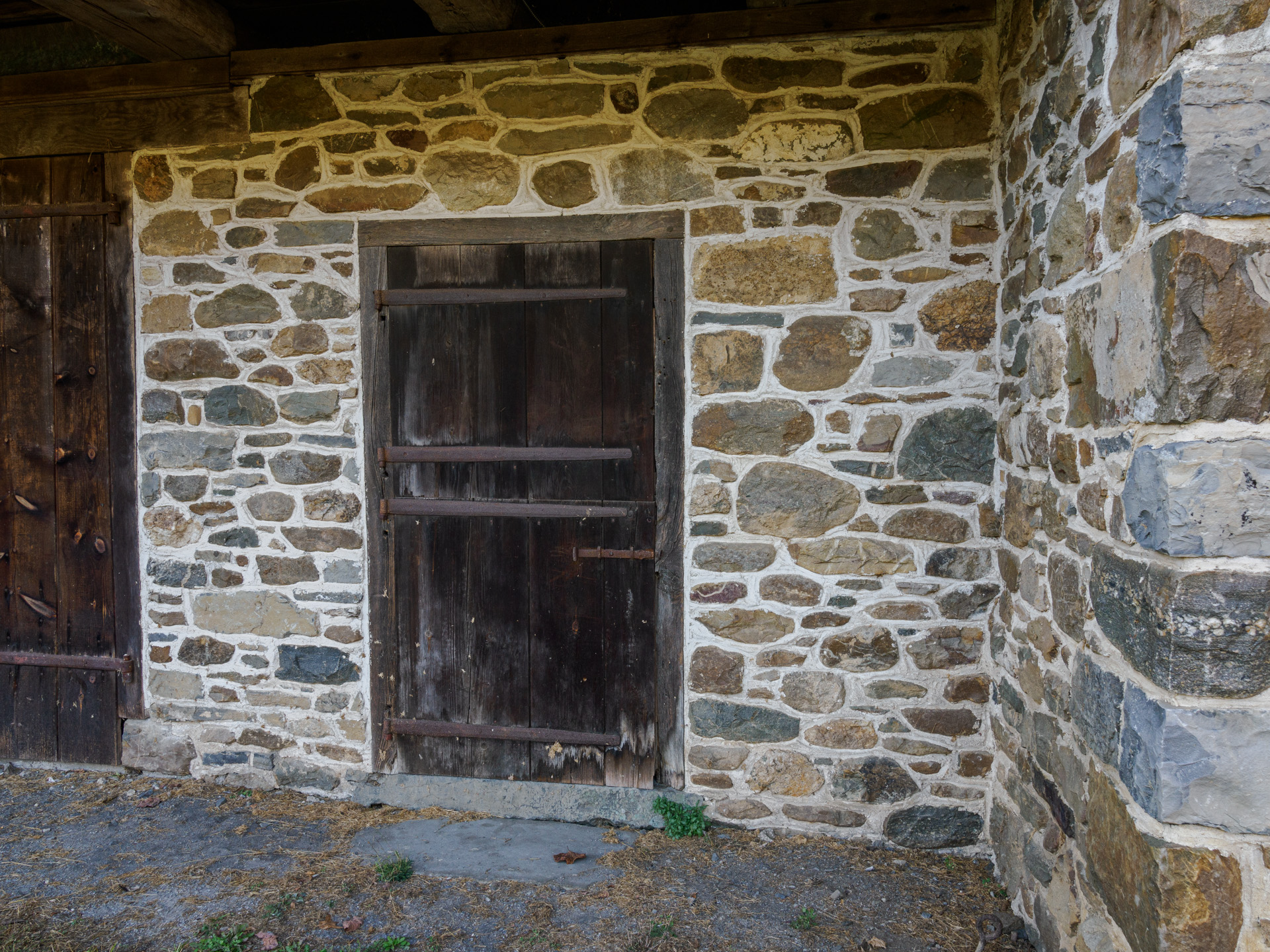
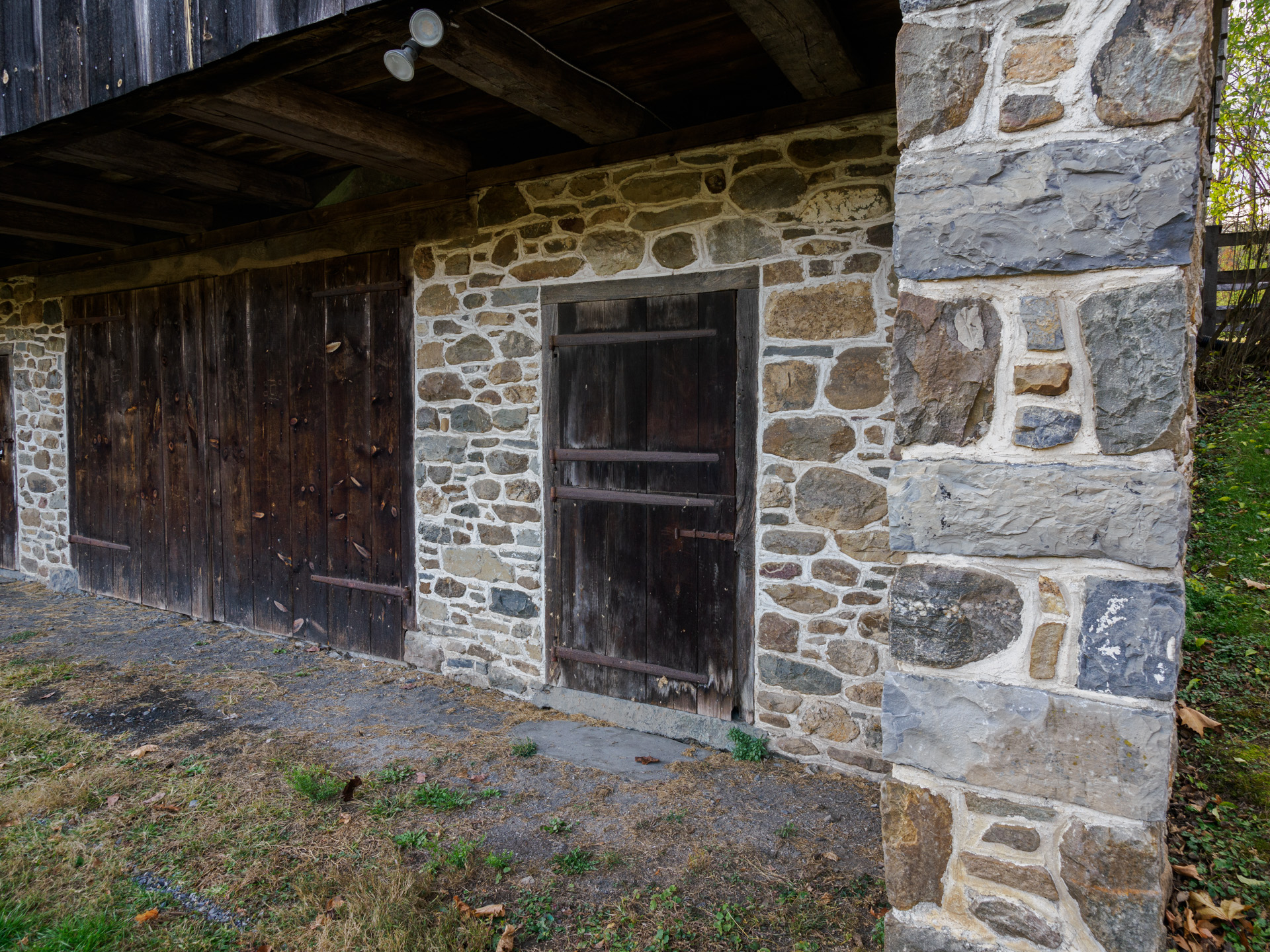
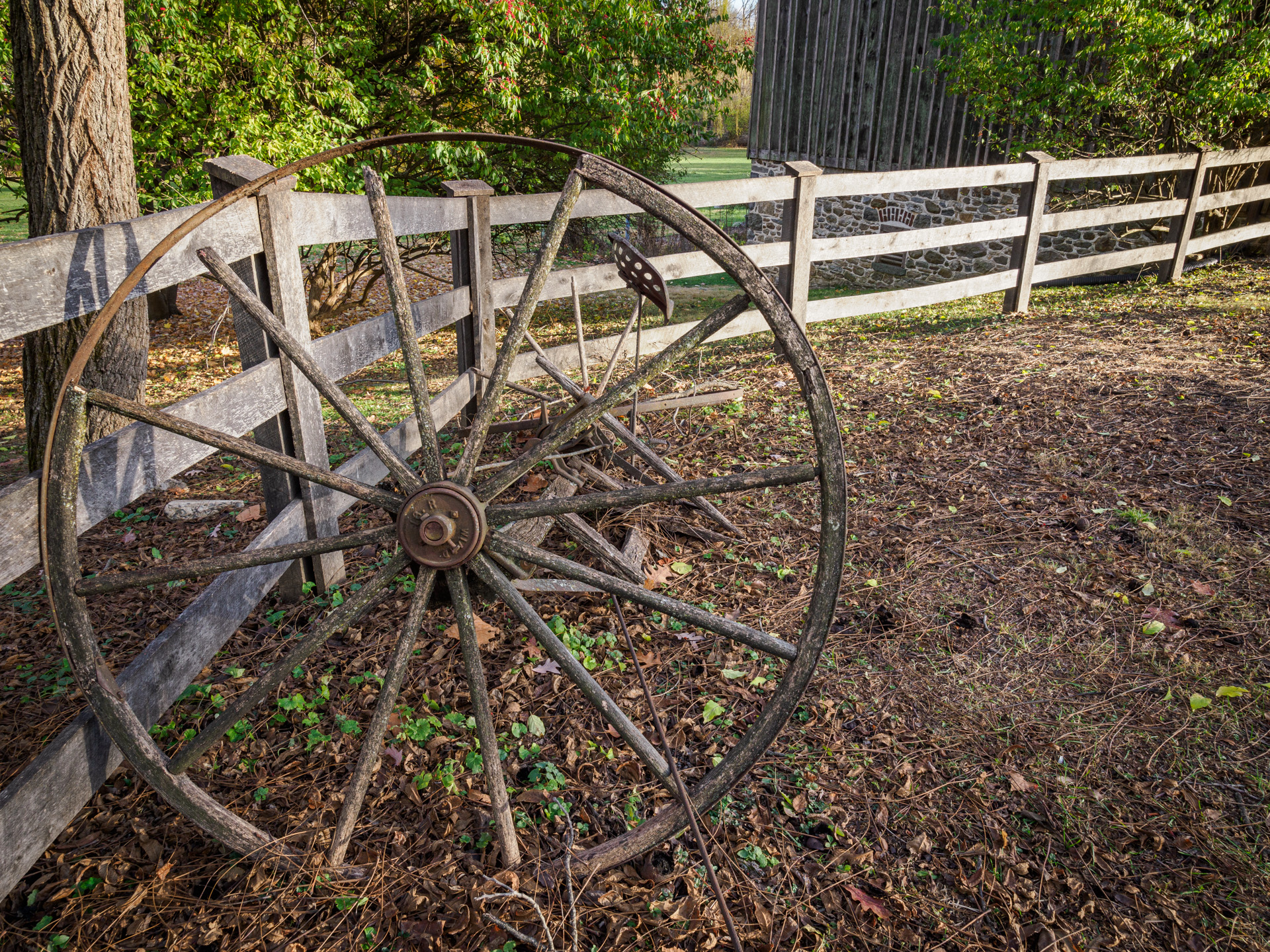
    This historic 6.5-acre farm-in-the-city opened doors to early American agricultural life. The property includes a restored 1748 / 1818 farmhouse, two 1840s bank barns, a large kitchen garden and orchard, a corn crib, and wagon shed.

    James Burnside, originally from County Meath, Ireland, traveled to Georgia, and in two years suffered much tragedy – two devastating fires and the death of his first wife. He befriended a member of the Moravian Church in Georgia and came north eventually becoming a Moravian missionary. His daughter Rebecca died at the age of six of smallpox. The following year, he married Mary Wendover, a Moravian widow from the Moravian congregation in New York. In 1747, James and Mary Burnside decided to not follow the choir system of Moravian Bethlehem and purchased 500 acres just north of the Moravian settlement of Bethlehem. Their farm, Burnside Plantation, was the first privately held property in the settlement and first private home. In 1752, James was elected as the first representative to the Pennsylvania Provincial Assembly from the newly formed Northampton County. He was a contemporary of Benjamin Franklin serving with him on the Committee for Indian Affairs. Three years after his death, Mary sold the farm to the Moravian Church, and it became Plantation #4 in the Moravian farming system. Three Moravian plantations were located in what is now South Bethlehem.

    The use of the word plantation comes from a German word meaning “plantings.” A Moravian plantation was a working farm that produced crops for the entire community.

    What’s in Bob’s Bag?

    • OM1 Mark II
    • OM-D E-M1 Mark III
    • M.Zuiko 40-150mm F2.8 Pro
    • M.Zuiko ED 300mm F4.0 IS Pro
    • M.Zuiko Digital 1.4x Teleconverter MC-14
    • M.Zuiko Digital 2X Teleconverter MC-20
    • M.Zuiko 12-40mm F2.8 Pro
    • M.Zuiko 7-14mm F2.8 Pro
    • M.Zuiko ED 8mm F1.8 Fisheye Pro
    • M.Zuiko ED 12-100mm f4.0 IS Pro
    • M.Zuiko ED 45mm f/1.2
    • M.Zuiko ED 20mm f/1.4
    • M.Zuiko ED 60mm f2.8 Macro
    • M.Zuiko ED 20mm f/1.4 Pro
    • M.Zuiko ED 45mm f/1.2 Pro

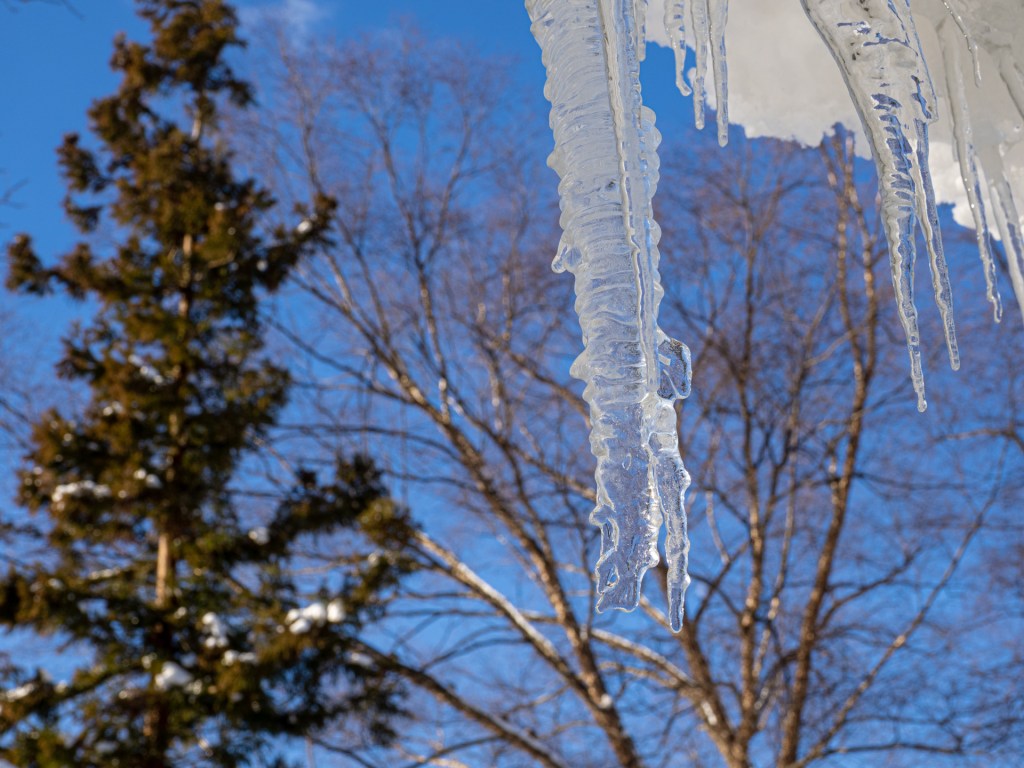
    Snow, Ice & Tress

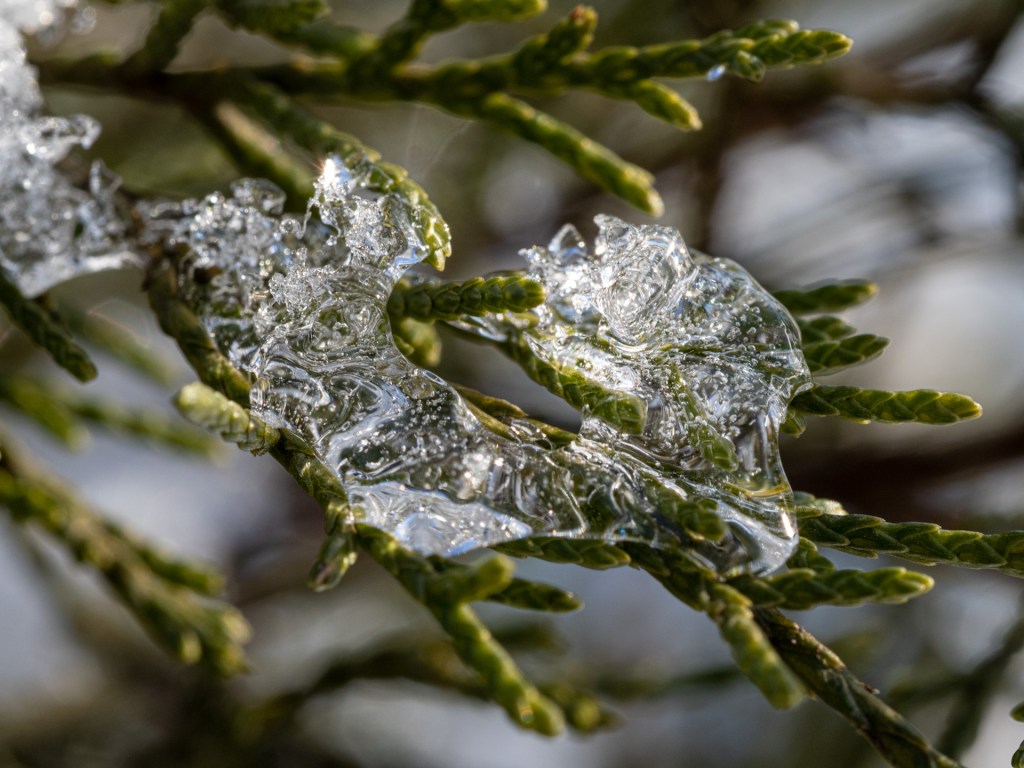
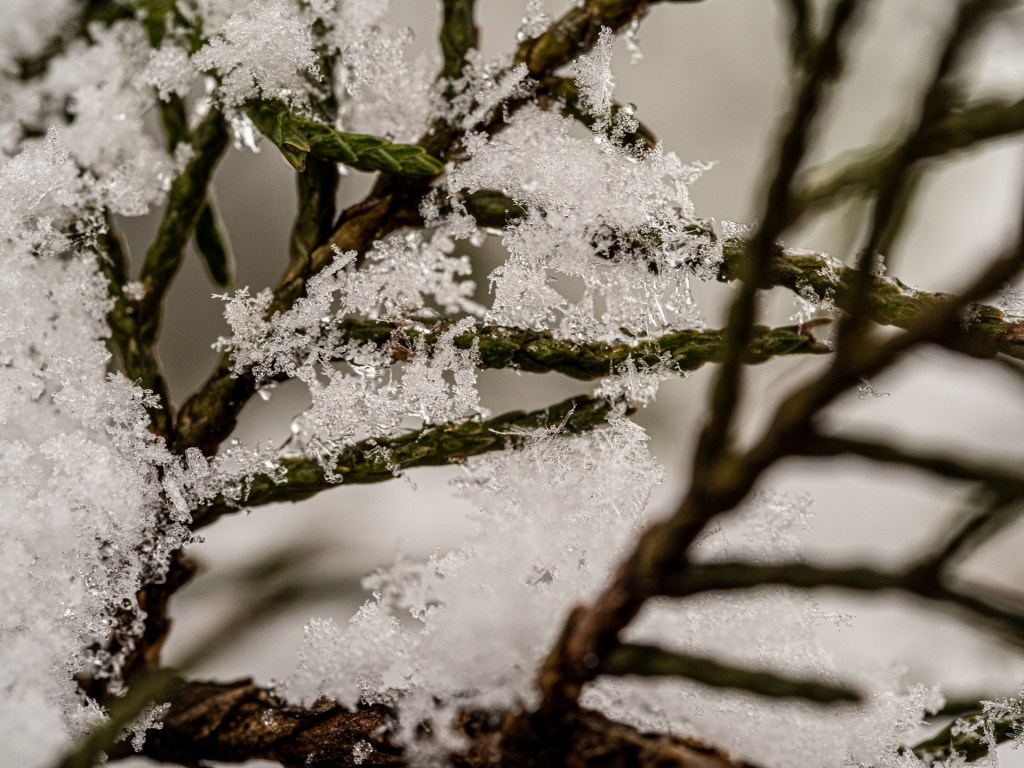
    Collection of images taken in my backyard during the last few snow storms.

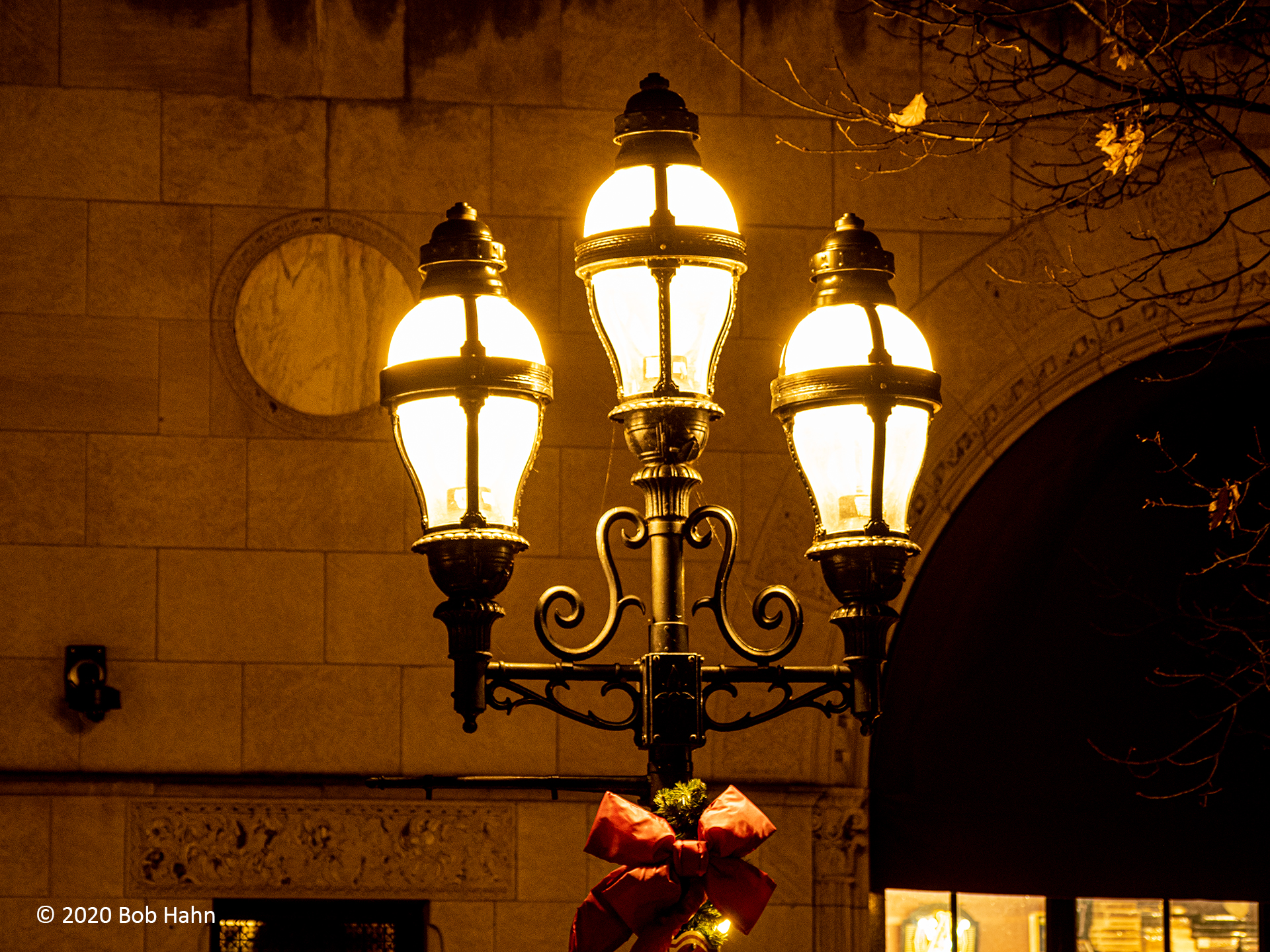
    Christmas Lights along Main St

    Bethlehem is located in the Lehigh Valley in Pennsylvania
    Count Nicholas von Zinzendorf named a small settlement of Moravian missionaries Bethlehem on Christmas Eve 1741.
    Bethlehem was named the “Christmas City” in 1937.

    What’s in Bob’s bag?
    OM-D E-M1 Mark II
    OM-D E-M1 Mark IIl
    M.Zuiko 40-150mm F2.8 Pro
    M.Zuiko ED 300mm F4.0 IS Pro
    M.Zuiko Digital 1.4x Teleconverter MC-14
    M.Zuiko Digital 2X Teleconverter MC-20
    M.Zuiko 12-40mm F2.8 Pro
    M.Zuiko 7-14mm F2.8 Pro
    M.Zuiko ED 8mm F1.8 Fisheye Pro
    M.Zuiko ED 12-100mm f4.0 IS Pro
    M.Zuiko 17mm f:2.8 Lens
    M.Zuiko ED 60mm f2.8 Macro

    Manfrotto MHXPRO-BHQ2 XPRO Ball Head
    Manfrotto 265CB CF Tripod
    Manfrotto 290 Carbon Fiber Monopod
    UV Filters

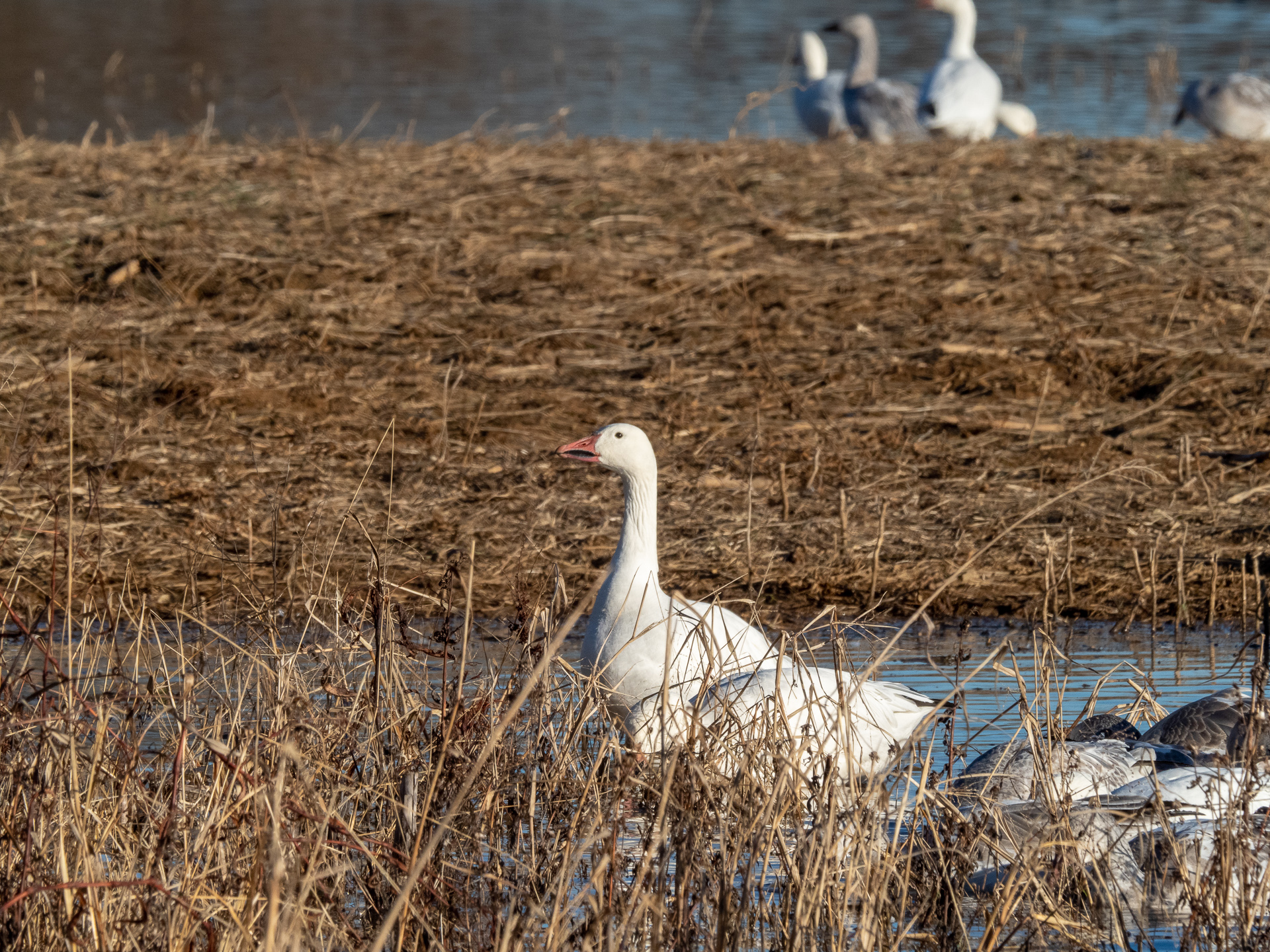
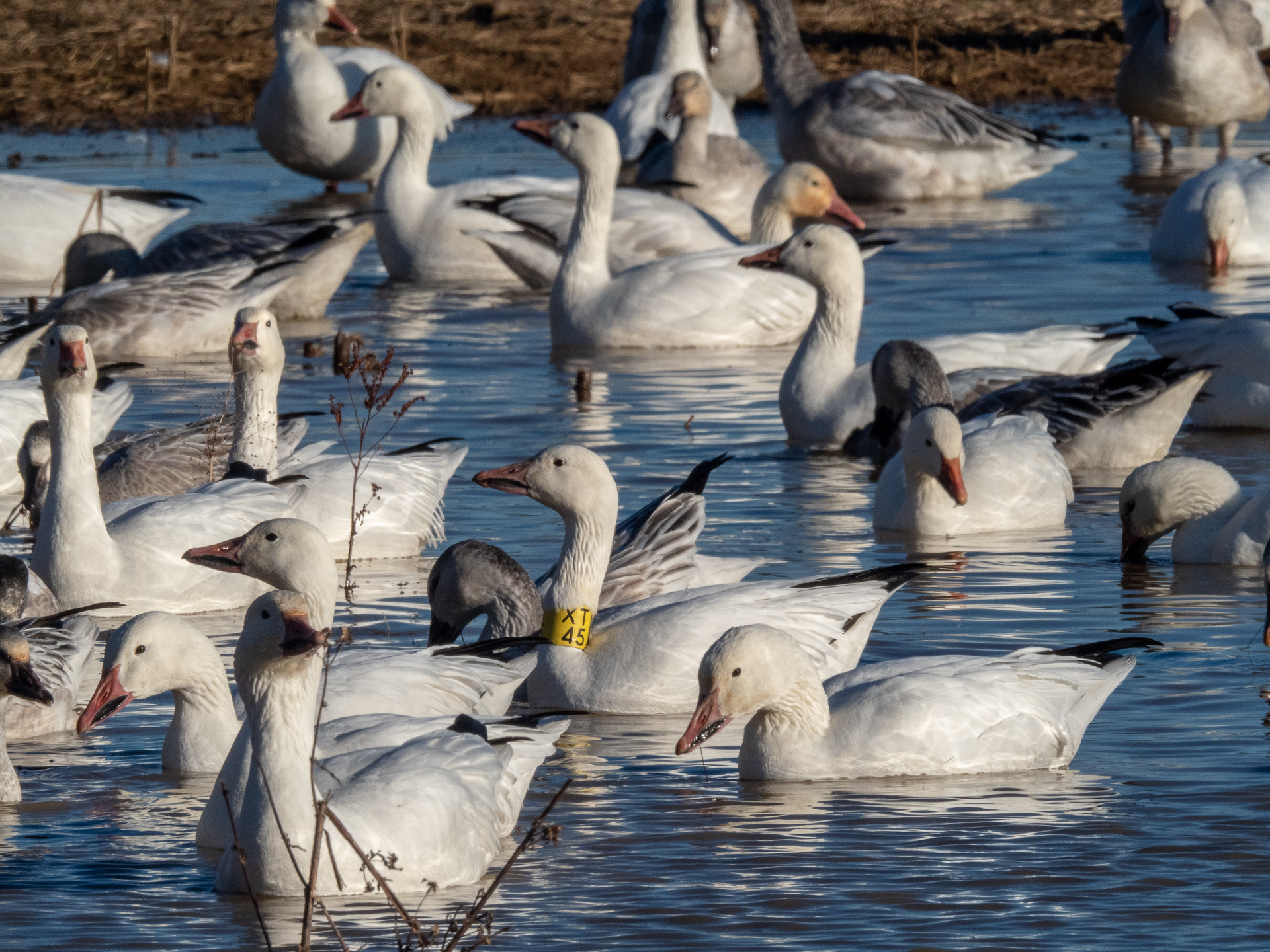
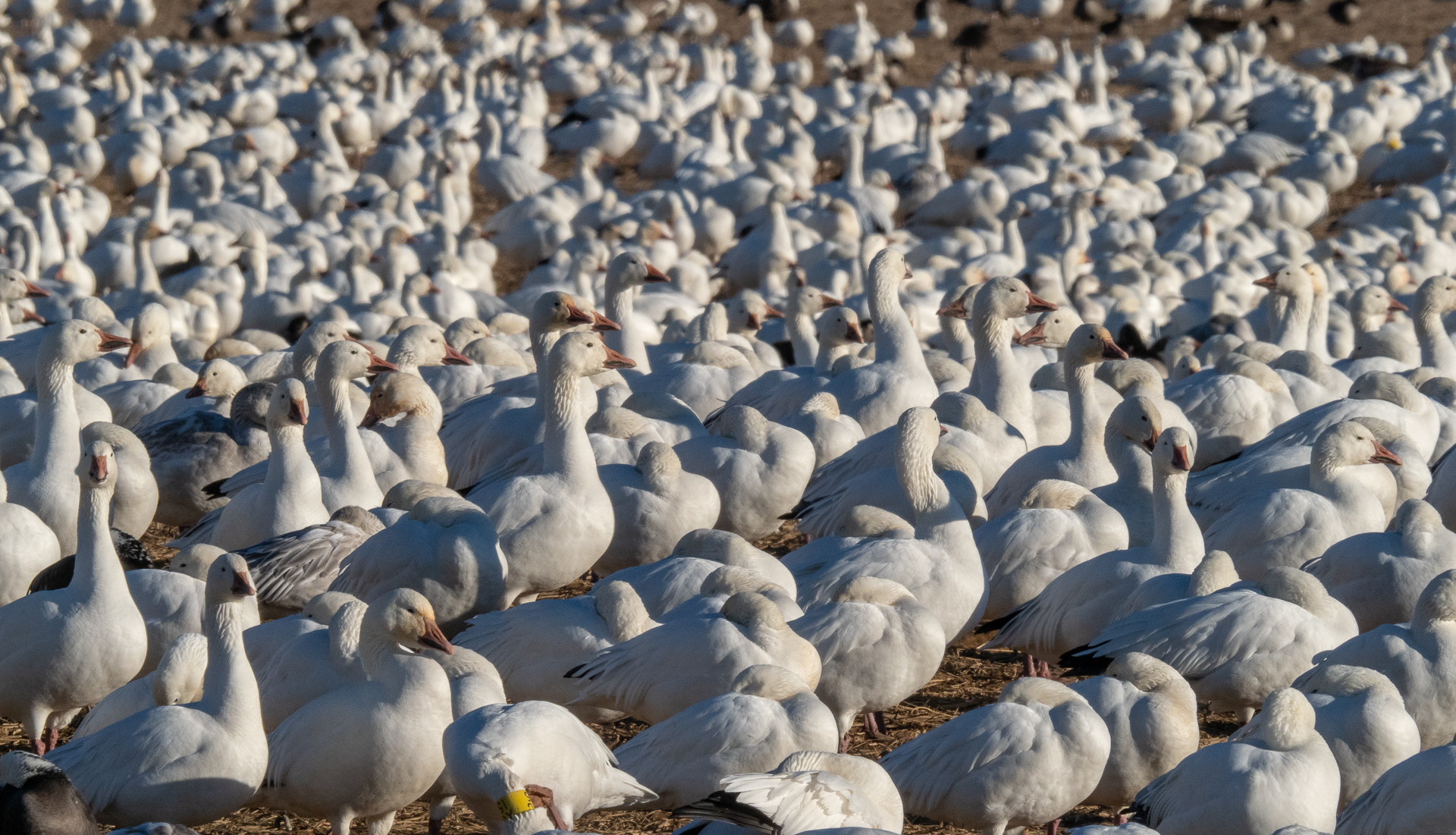
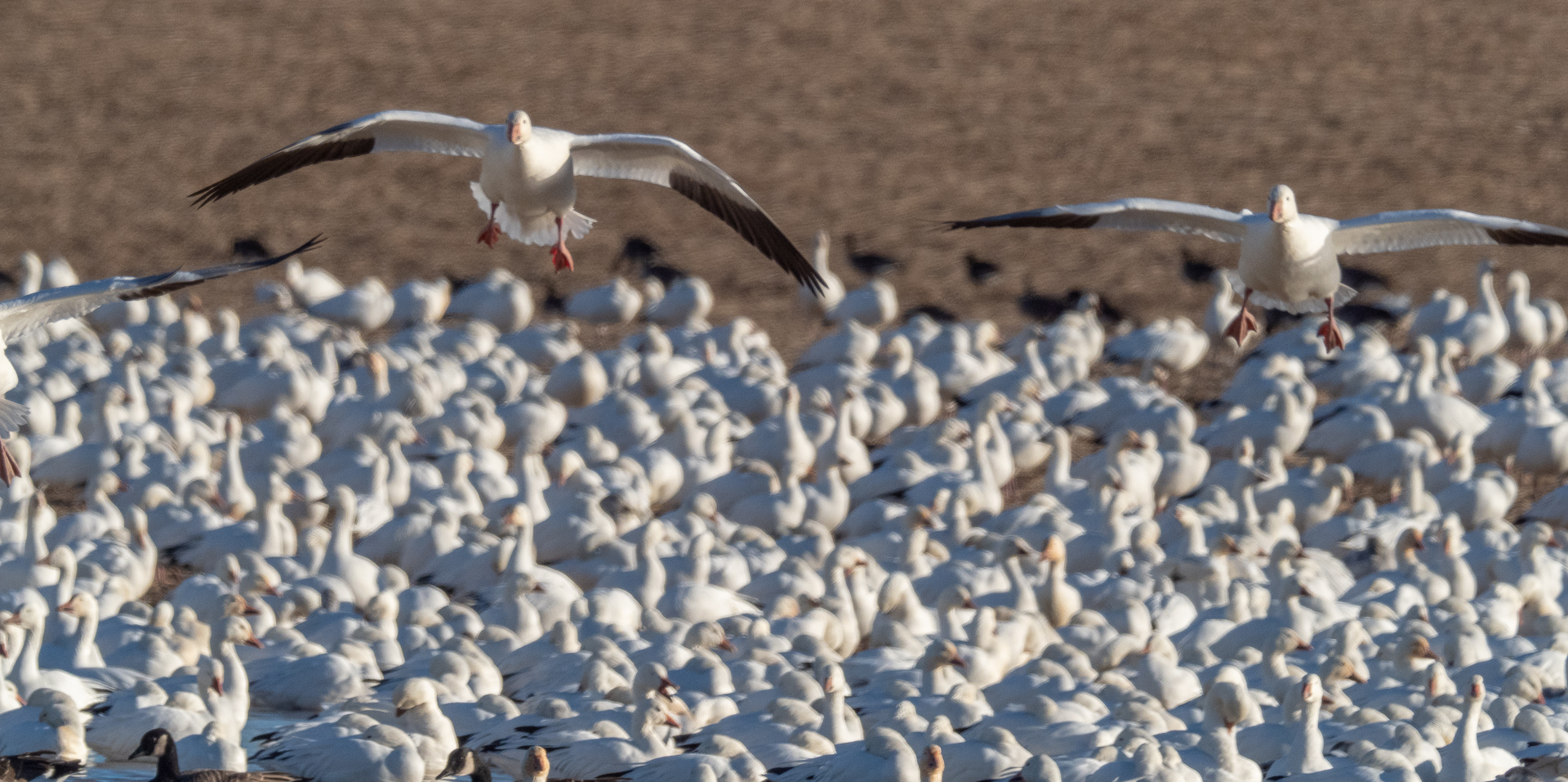
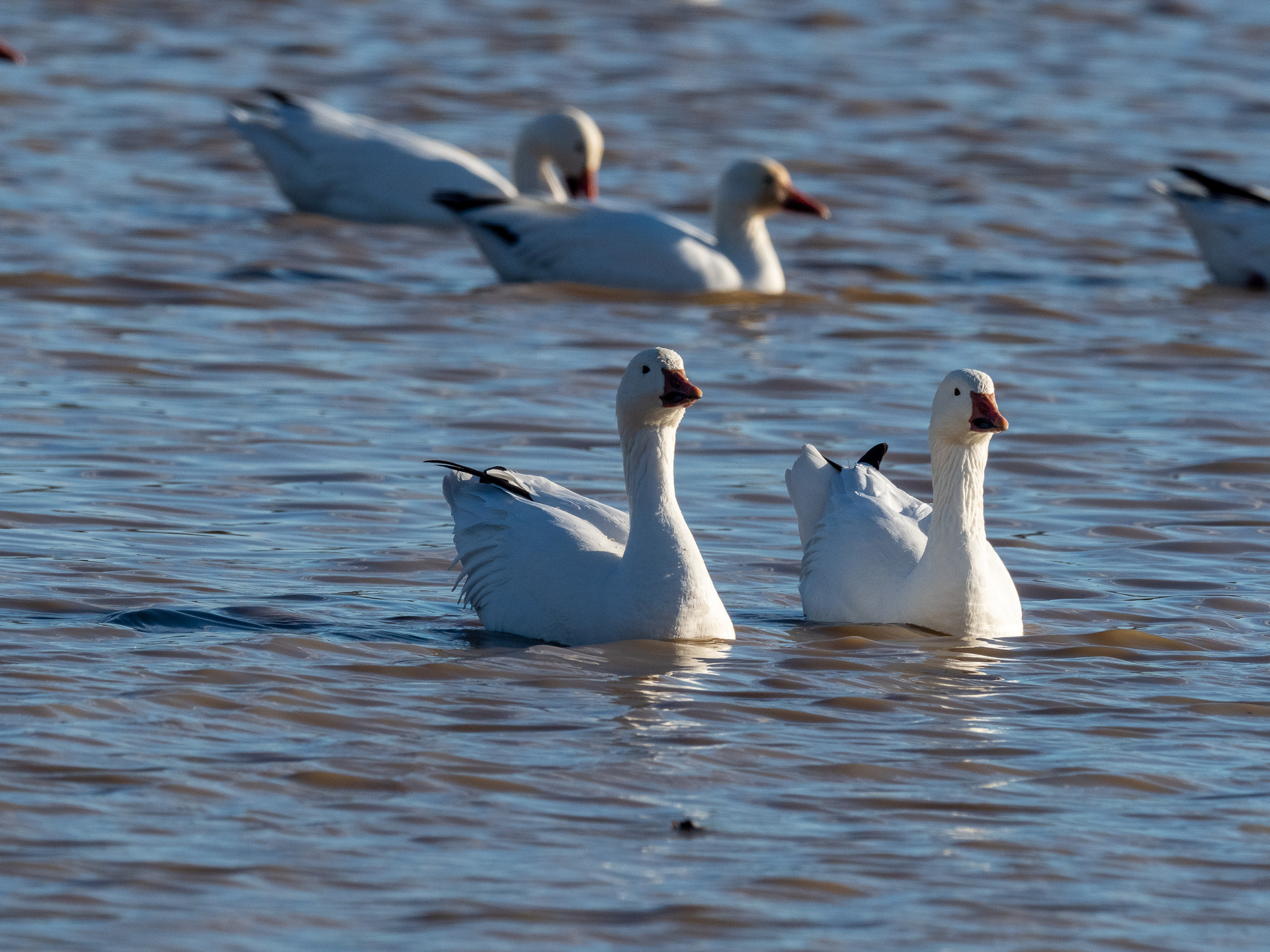
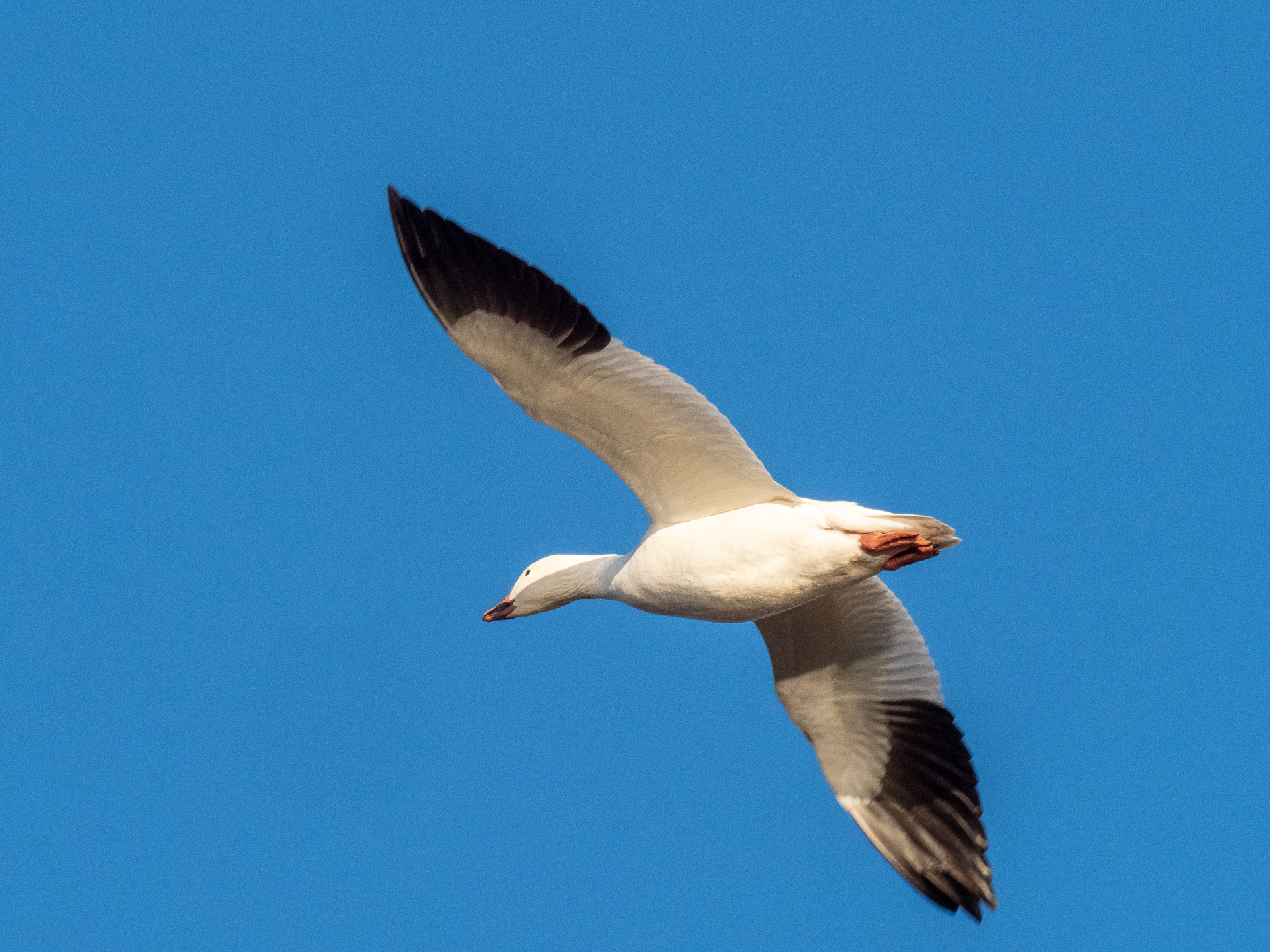
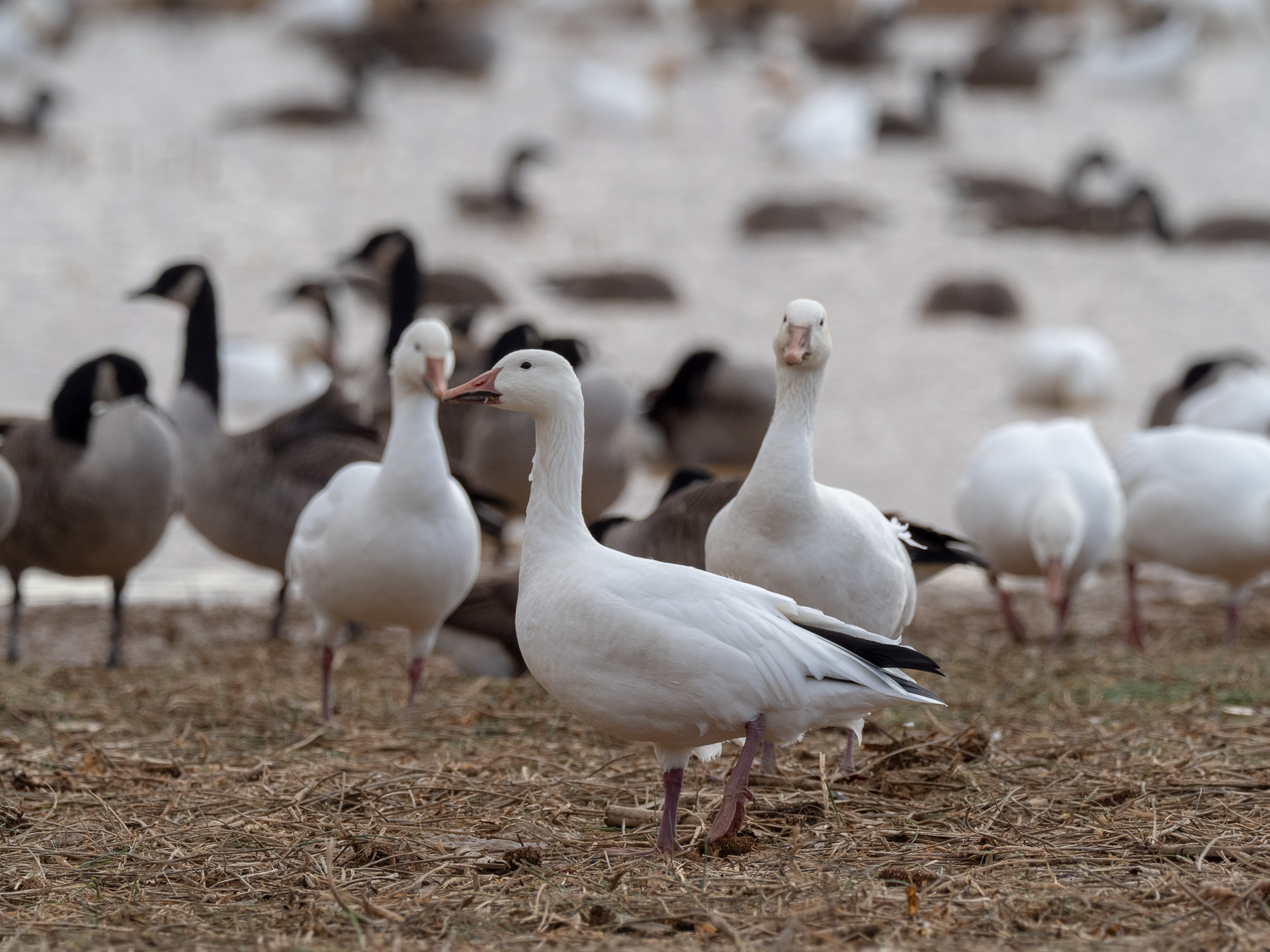
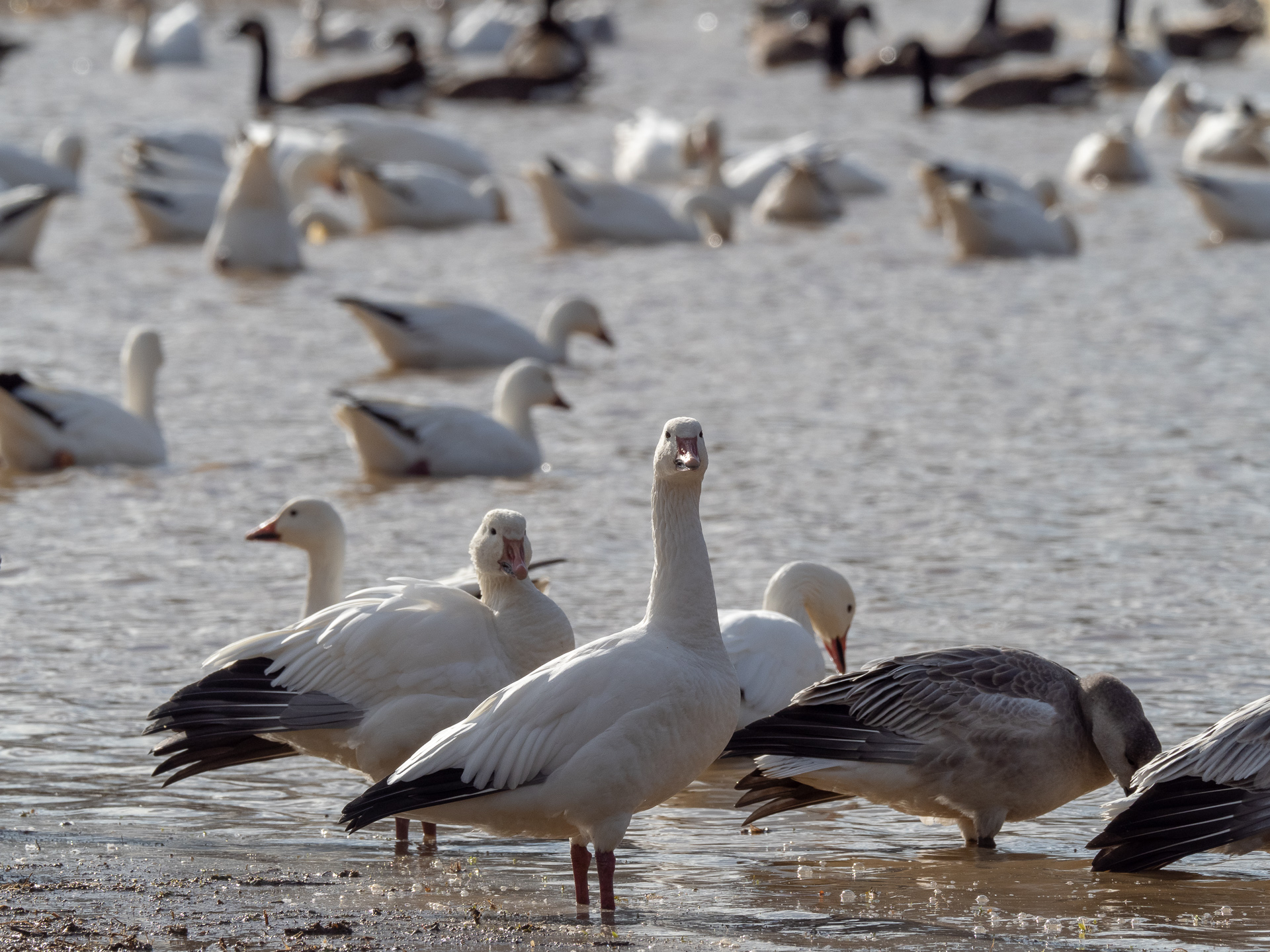
    Snow Geese at Green Pond Marsh

    Green Pond Marsh, a small wetland (about 20 acres) in Bethlehem Township, PA is an Audubon Society IBA (Important Bird Area) where over 180 species of birds have been sighted.

    The flooded fields of Green Pond Marsh is located on Green Pond Road in Bethlehem Township, Northampton County is one of the best areas for wetland birds in the Lehigh Valley. This area has been attracting birds since the 1970’s. Wet areas such as this provide important resting and feeding stops for migratory waterfowl, shorebirds, and other species.

    Green Pond Marsh has attracted over 20 species of migratory waterfowl.


    What’s in Bob’s bag?

    • OM-D E-M1 Mark II
    • M.Zuiko 40-150mm F2.8 Pro
    • M.Zuiko ED 300mm F4.0 IS Pro
    • M.Zuiko Digital 1.4x Teleconverter MC-14
    • M.Zuiko 12-40mm F2.8 Pro
    • M.Zuiko 7-14mm F2.8 Pro
    • M.Zuiko ED 8mm F1.8 Fisheye Pro
    • M.Zuiko ED 12-100mm f4.0 IS Pro
    • M.Zuiko 17mm f:2.8 Lens
    • M.Zuiko ED 60mm f2.8 Macro
    • Manfrotto MHXPRO-BHQ2 XPRO Ball Head
    • Manfrotto 265CB CF Tripod
    • Manfrotto 290 Carbon Fiber Monopod
     

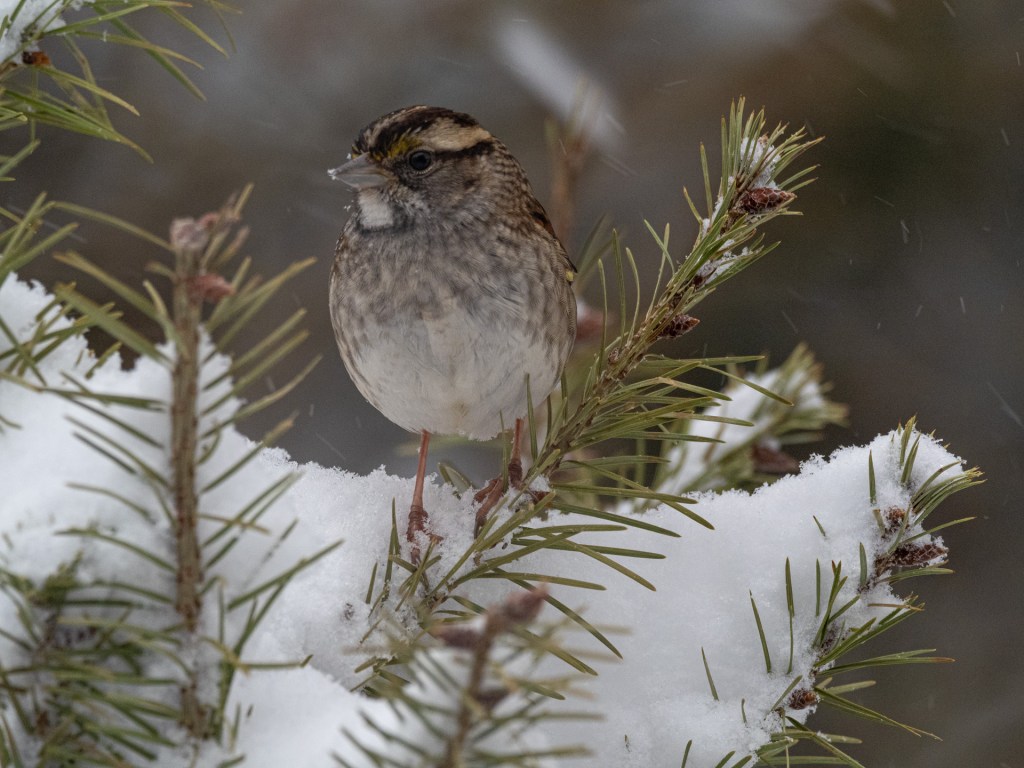
    Photographing Backyard Birds

    This is the first in a series for backyard bird photography.

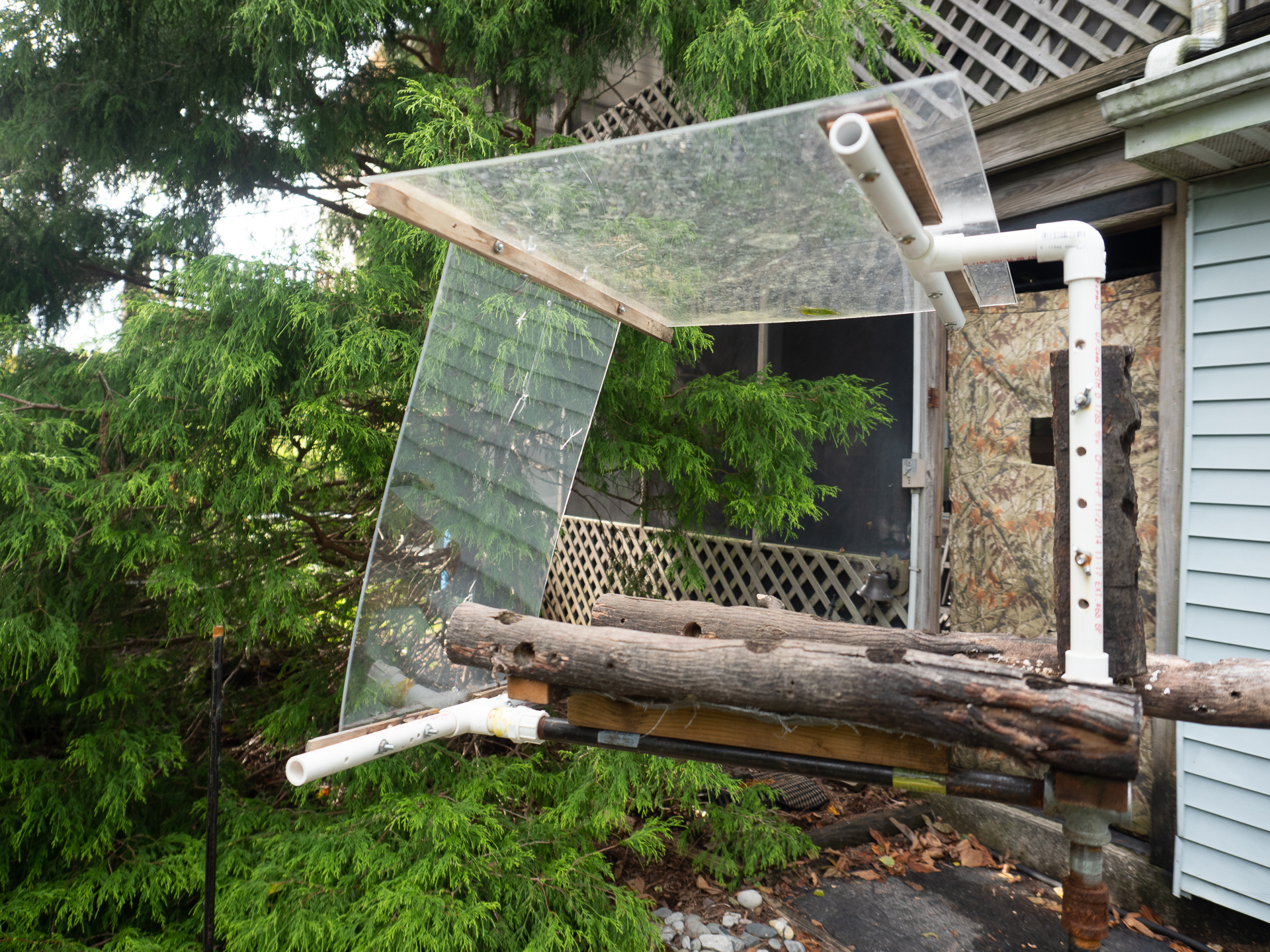
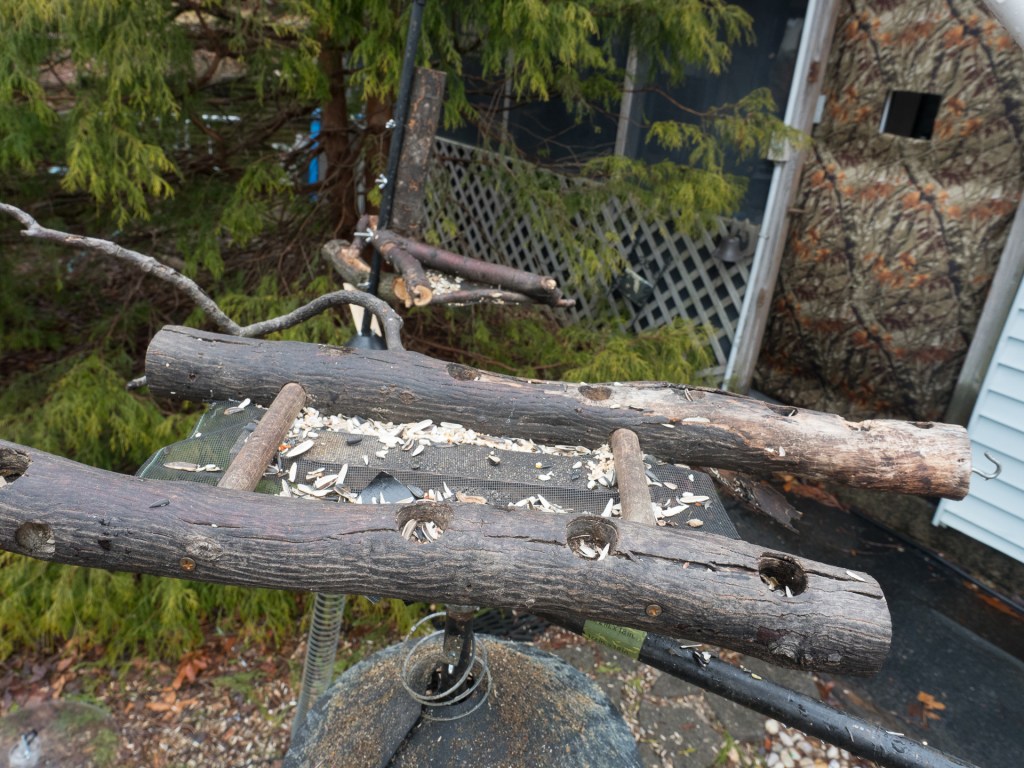
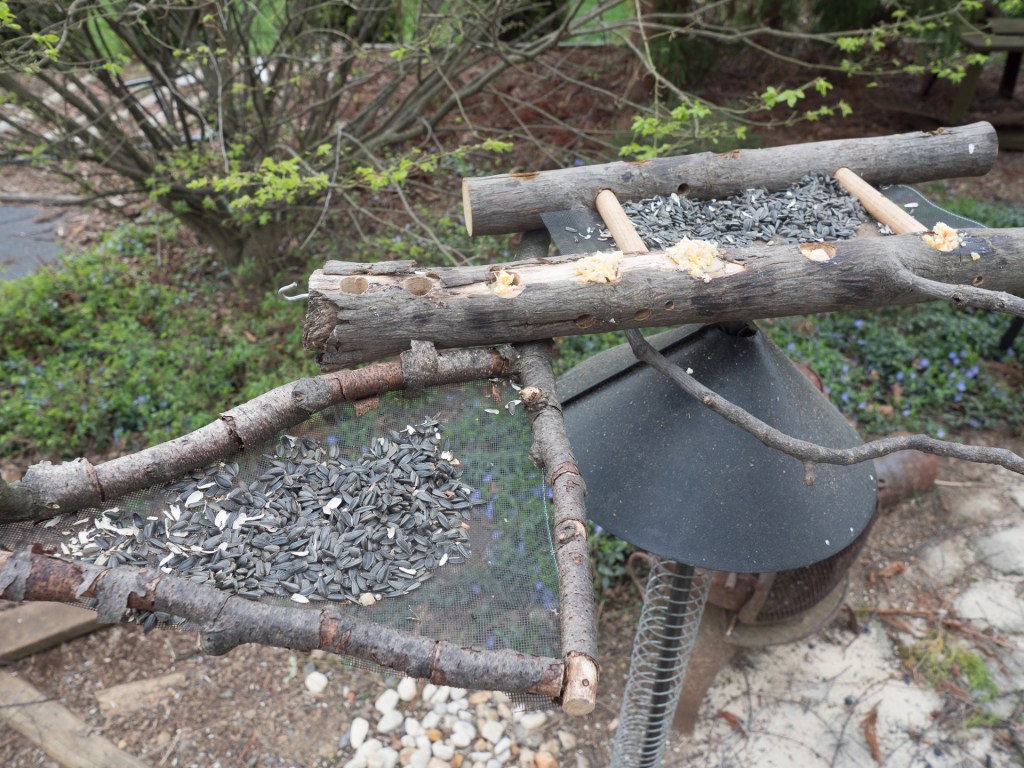
    The first part of this blog is about how to attract birds to your backyard.  First thing is to build or purchase a bird feeders.  I’m going to show you how to build feeders branches from your trees.  This will  give you a natural setting to place you feed.

    To be successful with bird photography you need to some advanced planning. To start you need a feeder to attract the birds. I build my own feeders using natural materials. 

    Building Feeders

    Plan your feeder to make it look natural. I build them out of drop off wood from my trees.
    When you place your feeder keep in mind the angle of the sun and other elements that could cause shadows. Also watch your background, be sure you are not seeing your neighbors house or car.

    I have several anchor so I can move the feeders depending on the time of the year.

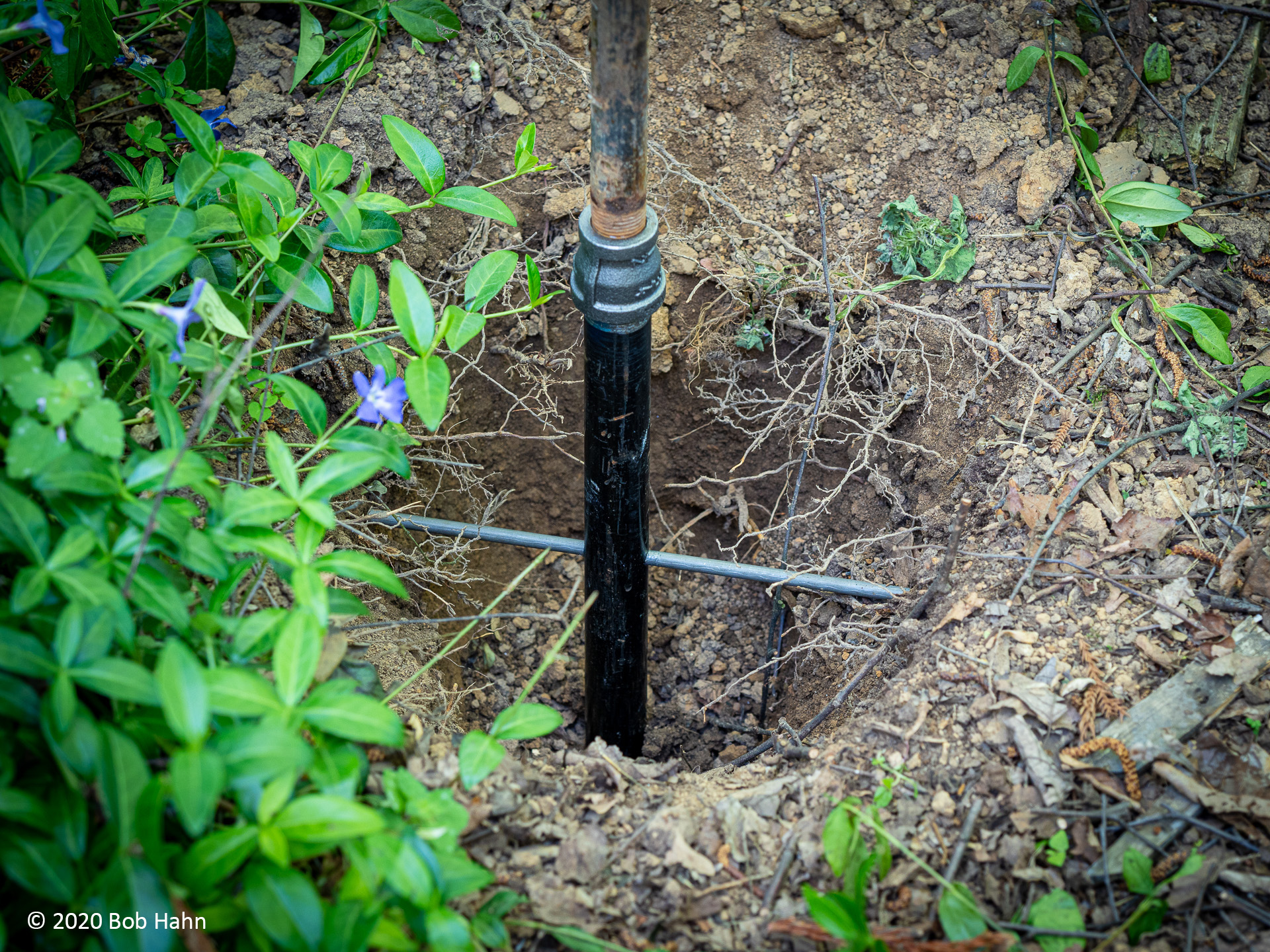
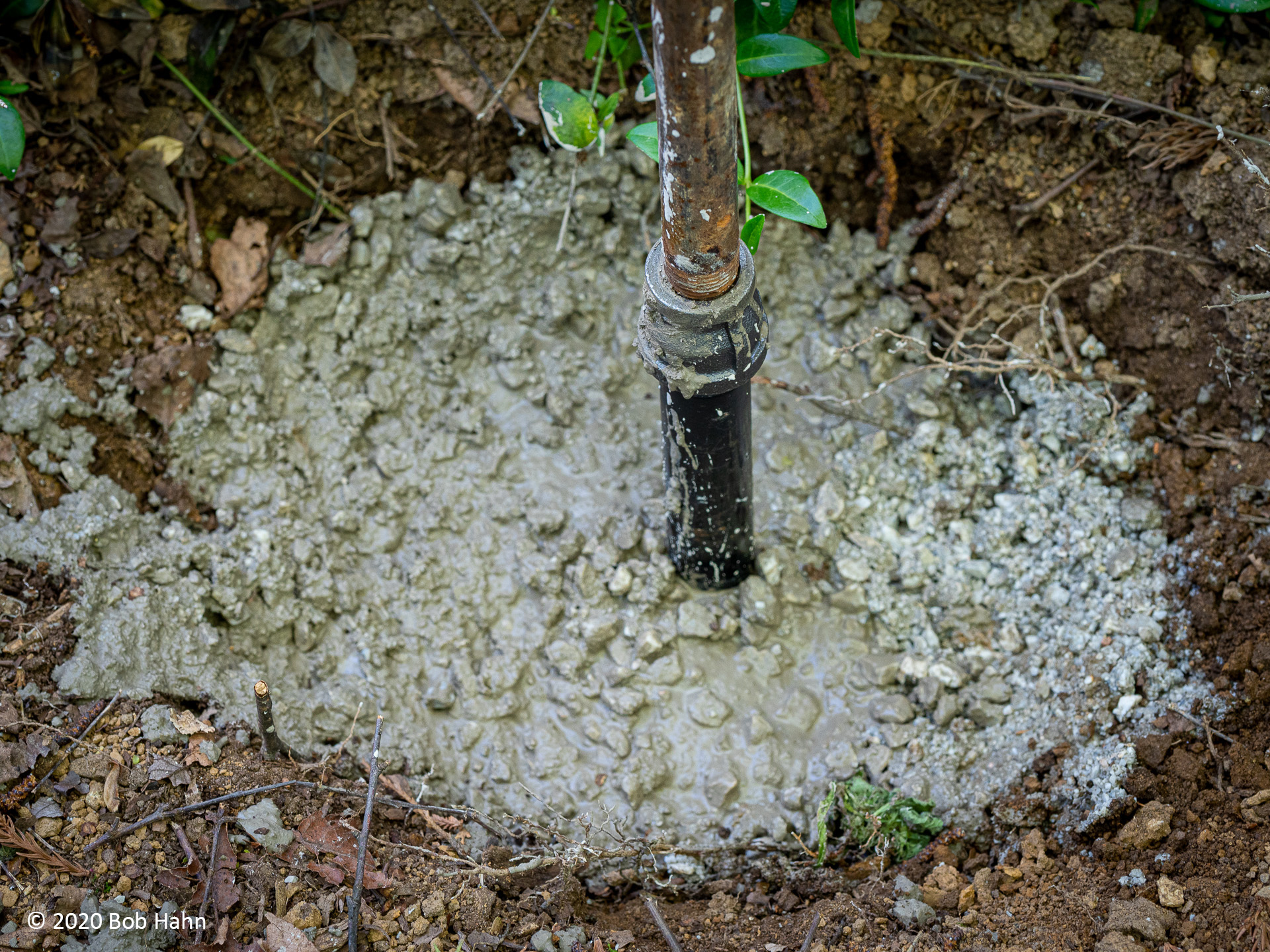
    My anchors are made of one inch black pipe set in cement three feet long placed into the ground 2 feet.

    I use Olympus Micro Four Thirds system and the Four Thirds system,, mostly the OM-D EM-1, EM-5 Mark II and now the newest model the OM-D EM-1 Mark II..

    • Olympus OM-D/E-M1
    • Olympus OM-D/E-M1 Mark II
    • OM-D EM-5 Mark II
    • Four Third Lens
      • 50-200mm
      • 75-300mm
      • 1.4 Extender
      • Adapter for Micro Third Lens
    • Micro Third Lens
      • 40-150mm f:2.8
      • 300 mm f:4
      • 1.4 Extender

    Hoover Mason Trestle Re-visited

    The Hoover Mason Trestle in the evening.

    The Hoover-Mason Trestle at Sunset

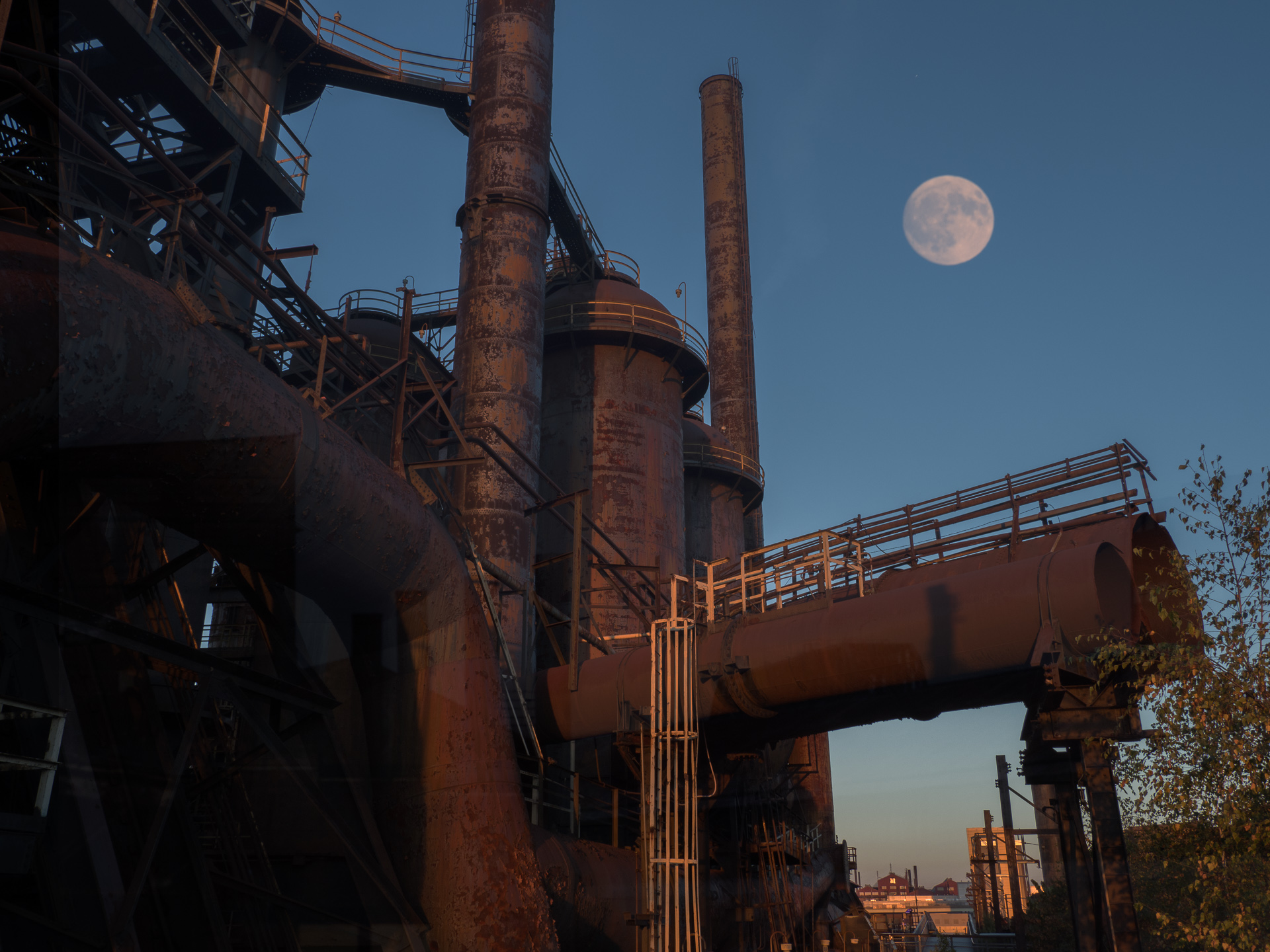
    Moon rise at the Trestle

    Hoover-Mason Trestle

    Location: SteelStacks, 711 First Street, Bethlehem, PA 18015

    Hoover Mason Trestle

    Hoover-Mason Trestle

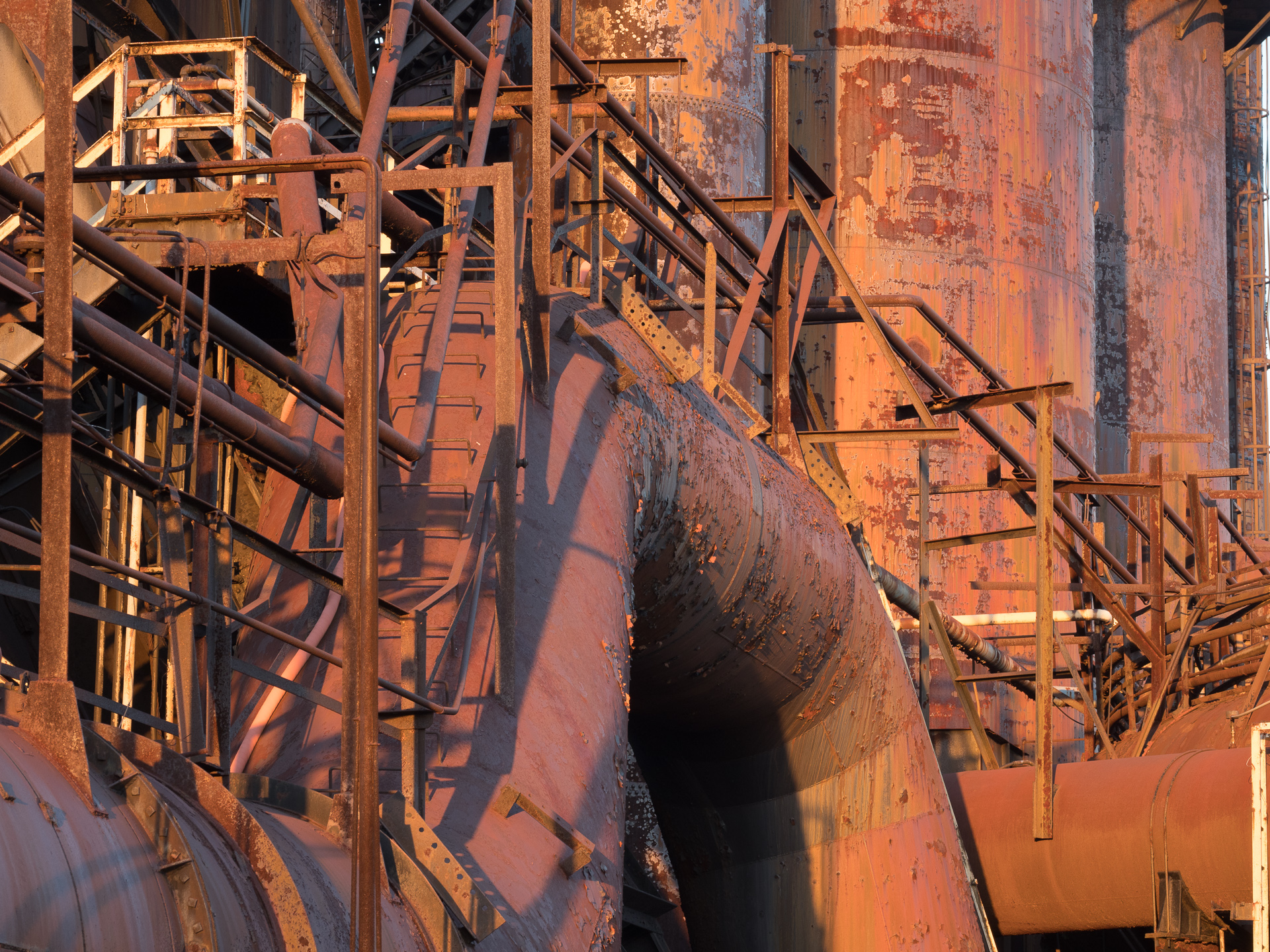
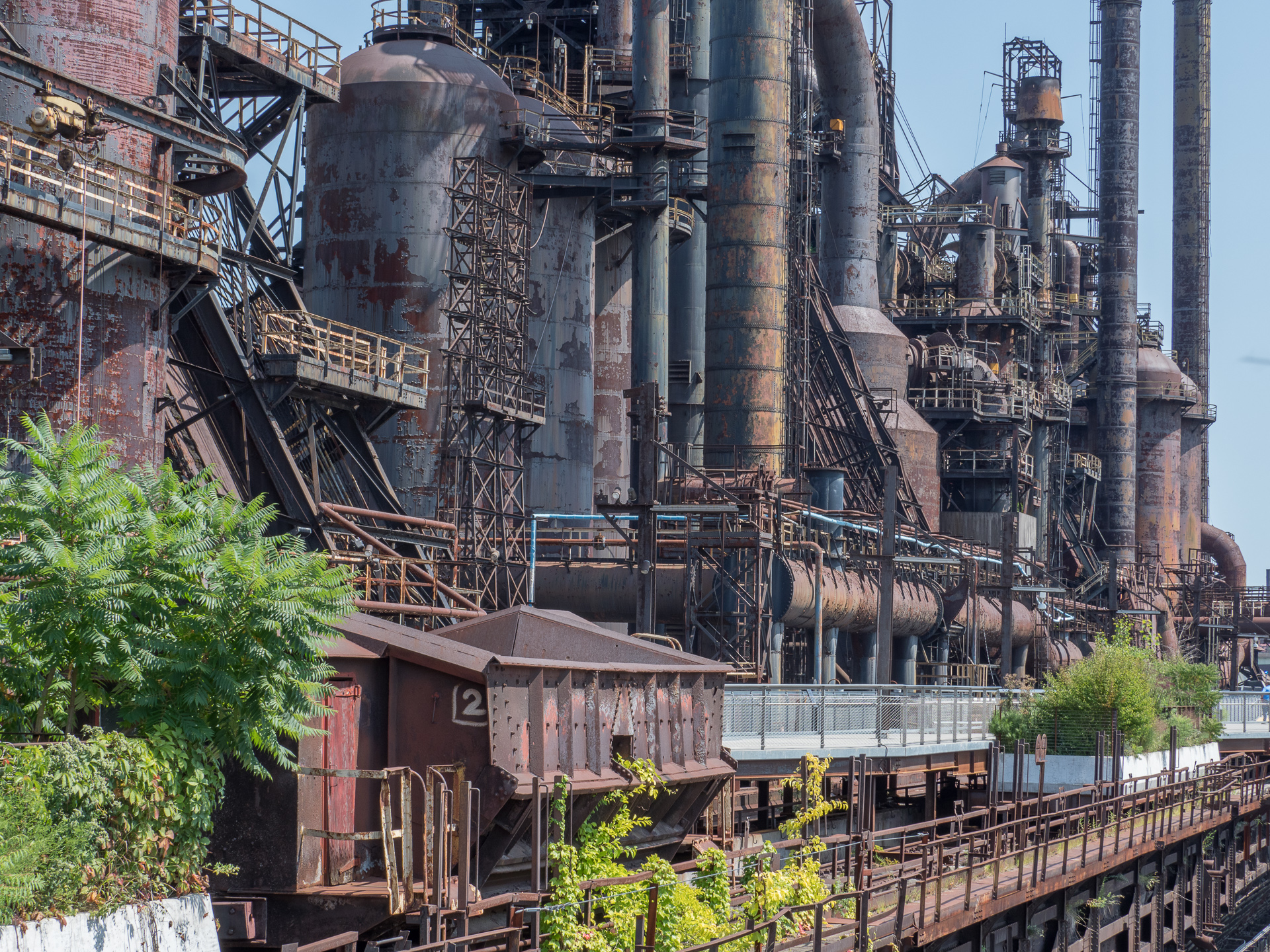
    The Hoover Mason Trestle, at the former Bethlehem Steel Plant, used as a narrow gauge railroad to carry the coke, limestone and iron ore to make the iron from the ore yards to the blast furnaces. Now a public walkway designed to be a museum,  community recreation resource and attraction.  The trestle stands 46 feet tall and 2,000 feet long. Opened on June 25, the Hoover Mason Trestle located along the blast furnaces with one entrance at the Visitor Center and another at either end of the Gas Blowing Engine House providing access from the Sands parking lot or PBS 39 end of the campus.

    The Hoover-Mason Trestle was completed in 1907 and named after the Chicago-based engineers who designed it. For over 80 years, cars delivered raw materials including limestone, iron ore, and coke to the blast furnaces. Men worked around the clock, in three shifts, emptying carloads of materials into storage bins below.

    The blast furnaces operated continuously and required constant feeding of materials. Tons of limestone, iron ore or pellets, and coke would be loaded into the furnace in layers. Hot air was blown in near the bottom to fuel the reaction.

    Hoover-Mason Trestle

    The Blower House generated the “wind” for the blast furnaces. Inside this building, rows of giant gas-powered engines pumped pressurized air out to the stoves. The stoves heated the air before it was forced into the furnace. This hot pressurized air reacted with the coke (fuel), producing intense heat and carbon monoxide.

    Hoover-Mason Trestle

    Location: SteelStacks, 711 First Street, Bethlehem, PA 18015