


© 2024 Bob Hahn
© 2024 Bob Hahn
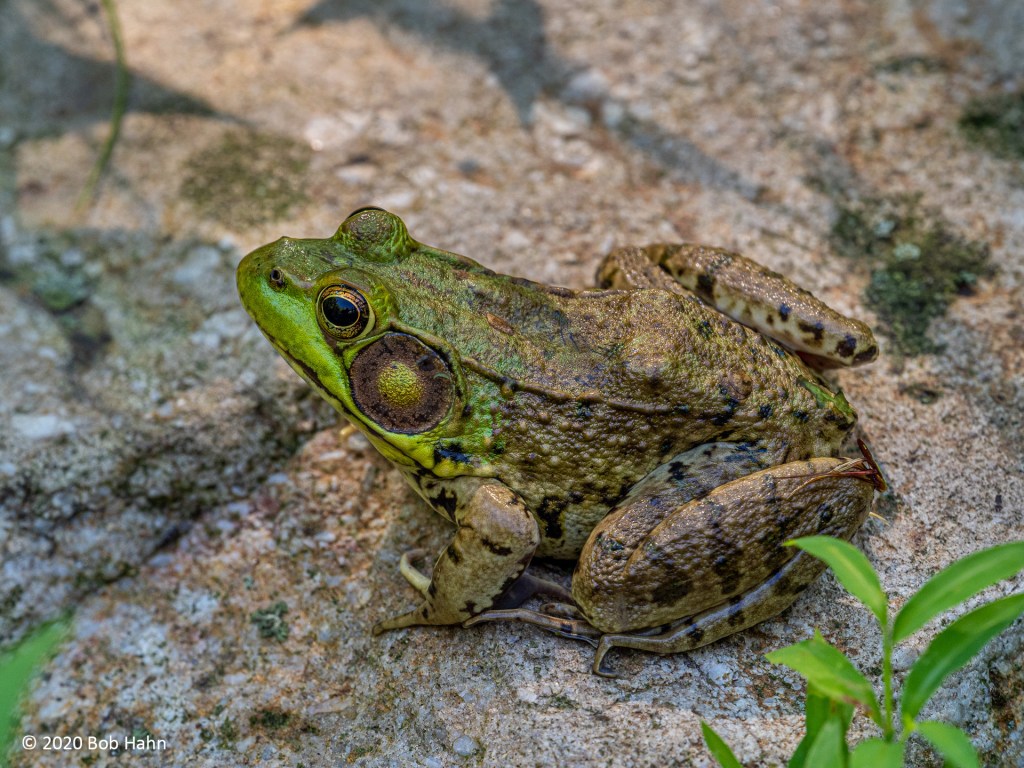
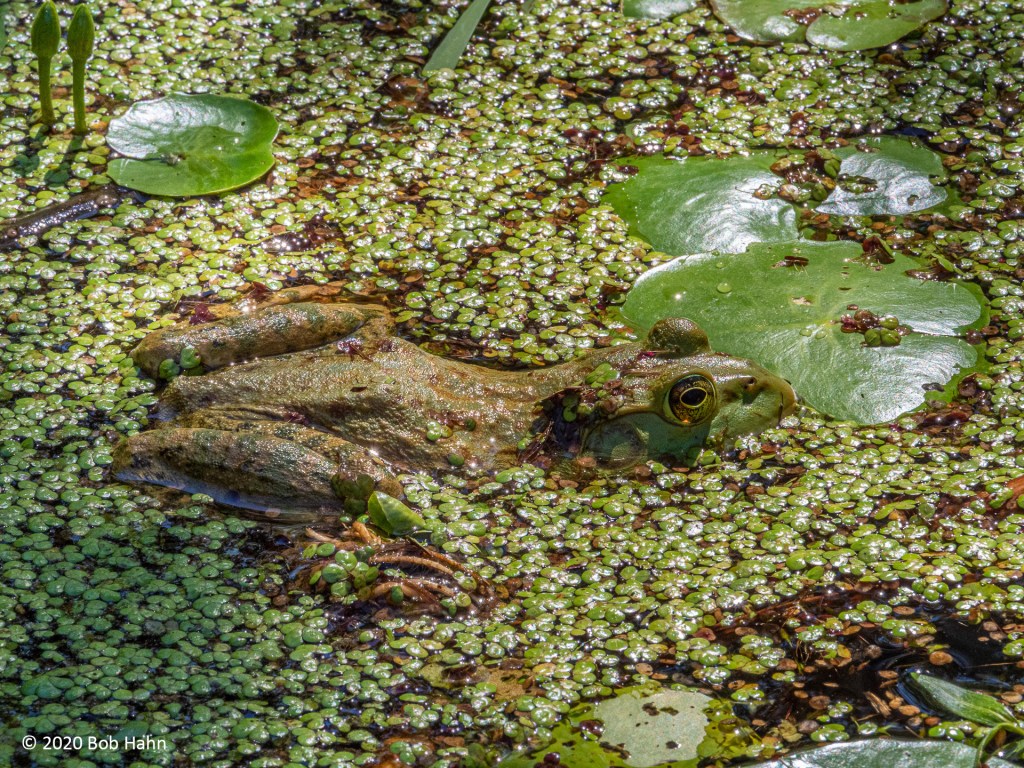
Located in the Hummingbird area of the park is a small pond with frogs. I went there recently to photograph Hummingbirds, I did not find any birds instead I found frogs.



What’s in Bob’s bag?
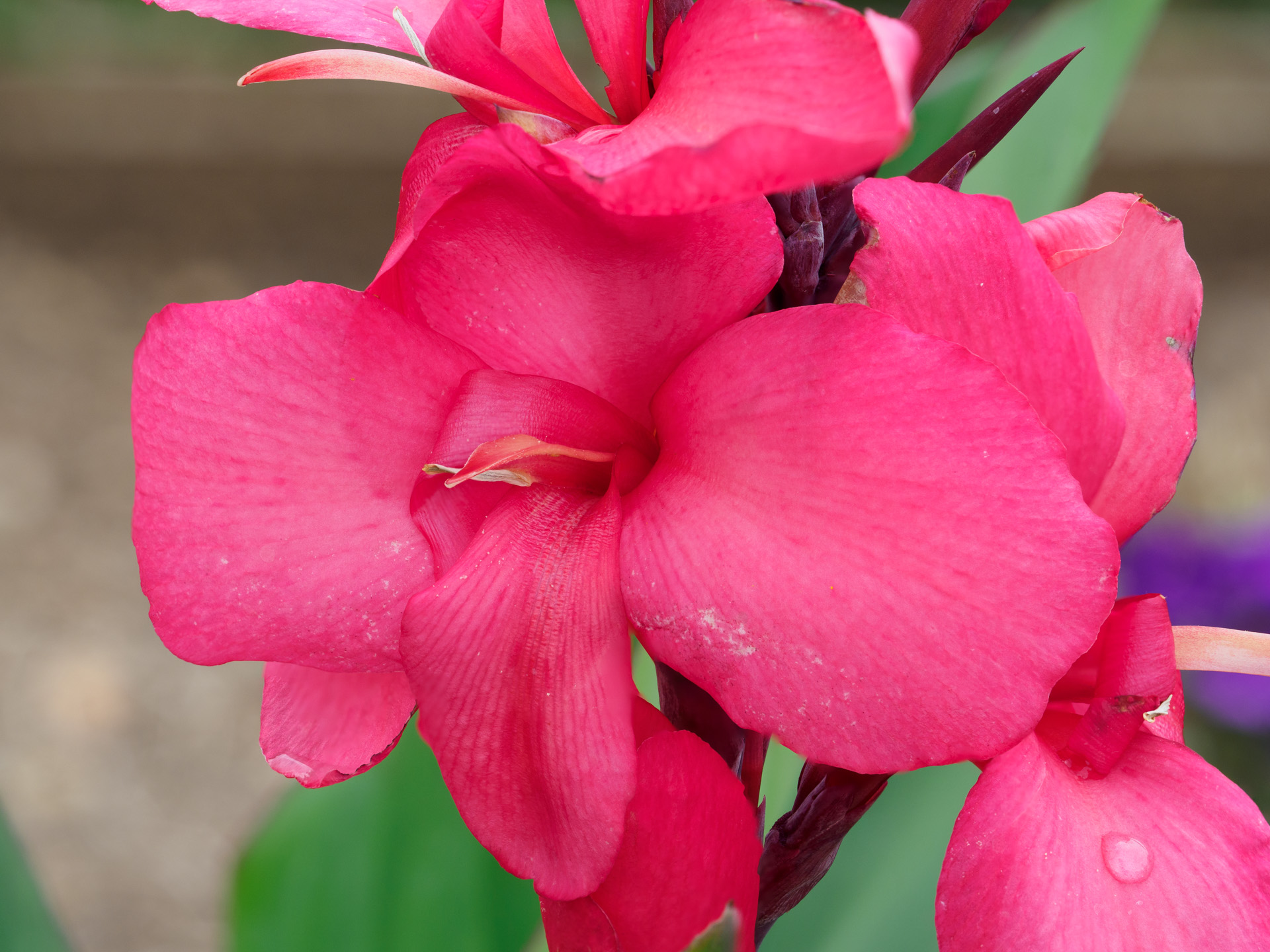
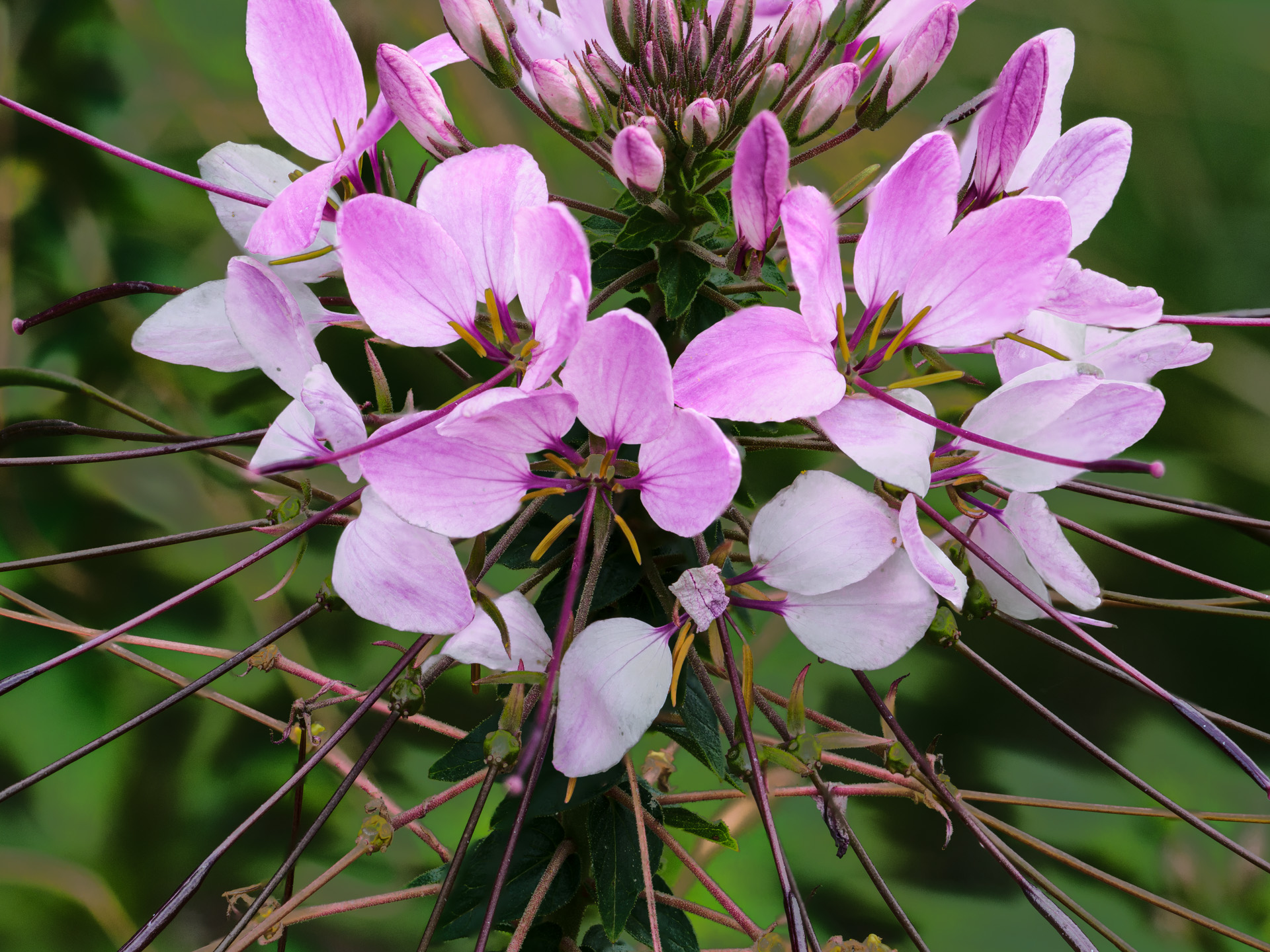
The photos were take with an Olympus OM-M EM1 Mark II with a M.Zuiko ED 60mm f2.8 Macro Lens. Lighting was done with a small LED flashlight. Images were created using either focus stacking or LiveComp.






This was our seventh Aruba Photo Safari. This year we spent more time touring and photographing the island. In the sixteen years I have been visiting Aruba I have never seen the water as rough and currents as strong as this year. Carlos from Mermaid Sport Dives told us it was because of high winds and storms out in the Atlantic.


Olympus OM-D/EM1 Mark II in a was PT-EP14 Underwater Housing and PPO-E04 Dome Lens Port use for the underwater photographs. Lighting was two Fantasea Radiant 1600 Video Lights. OM-D/EM1 Mark II was used for all the land photographs.
OM-D E-M1 Mark II
M.Zuiko 40-150mm F2.8 Pro
M.Zuiko Digital 1.4x Teleconverter MC-14
M.Zuiko 12-40mm F2.8 Pro
M.Zuiko 7-14mm F2.8 Pro
M.Zuiko ED 12-100mm f4.0 IS Pro
M.Zuiko 17mm f:2.8 Lens
M.Zuiko ED 60mm f2.8 Macro
ED Zuiko 8mm f/3.5 Fisheye Lens
Zuiko 70-300mm f/4.0-5.6 ED Lens
MMF-3 Four Thirds Adapter
EC-14 1.4x Teleconverter
Olympus Tough TG‑4
Pen E-PL7
For more information Aruba Underwater Photo Safari 2019 visit our website
www.underwaterphotoclasses.com/workshops.html
While I was searching for a place to photograph fall foliage I cam access this wonderful park located near Bangor, PA.
A land of myth and mystery located in the Appalachian Mountains of eastern Pennsylvania. The park rooted in Celtic spirituality and inspired by the Isle of Iona off the coast of Scotland. It’s an outdoor sanctuary open to the public as a sacred space for quiet meditation.
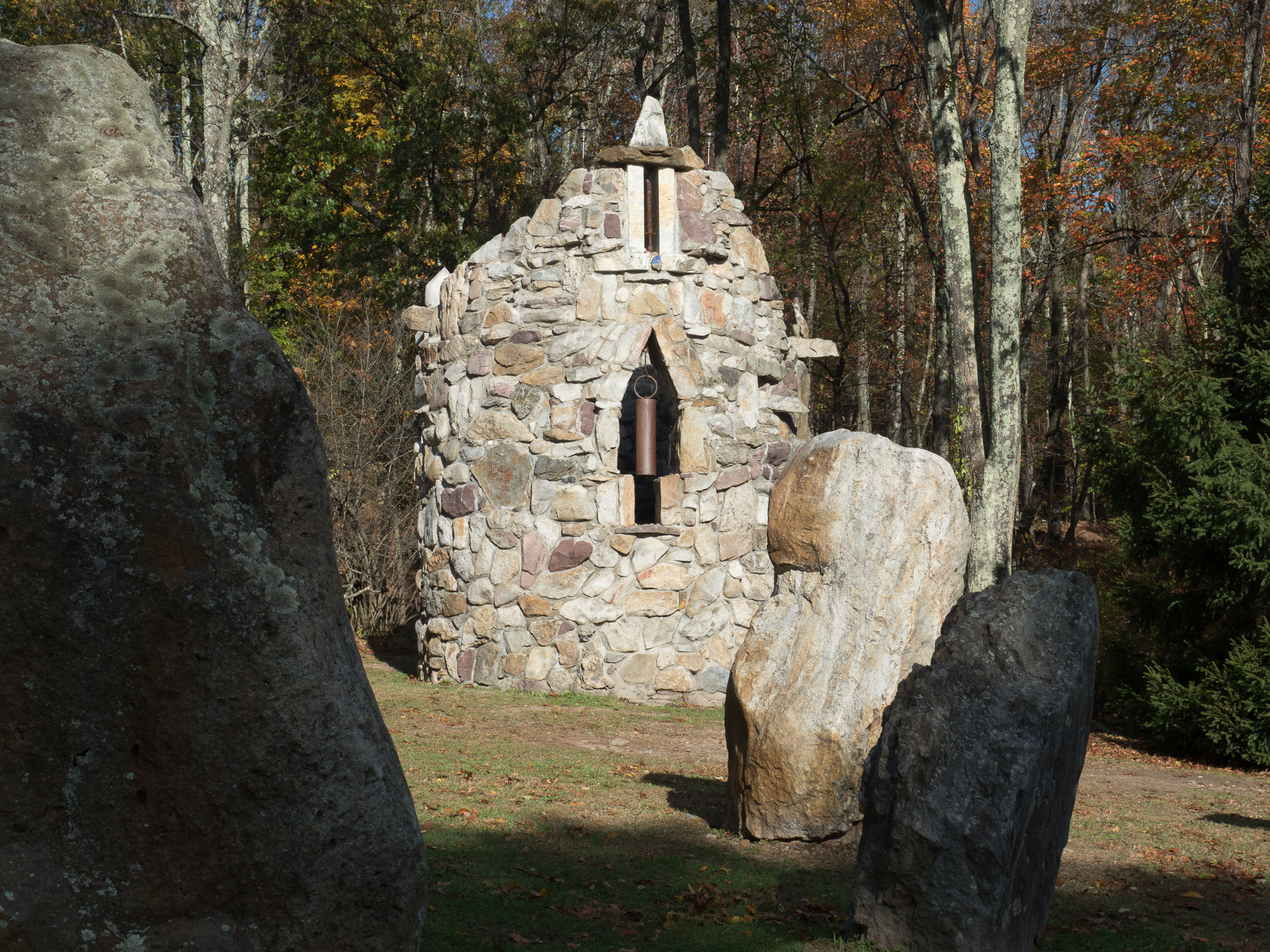
St. Oran Bell Tower
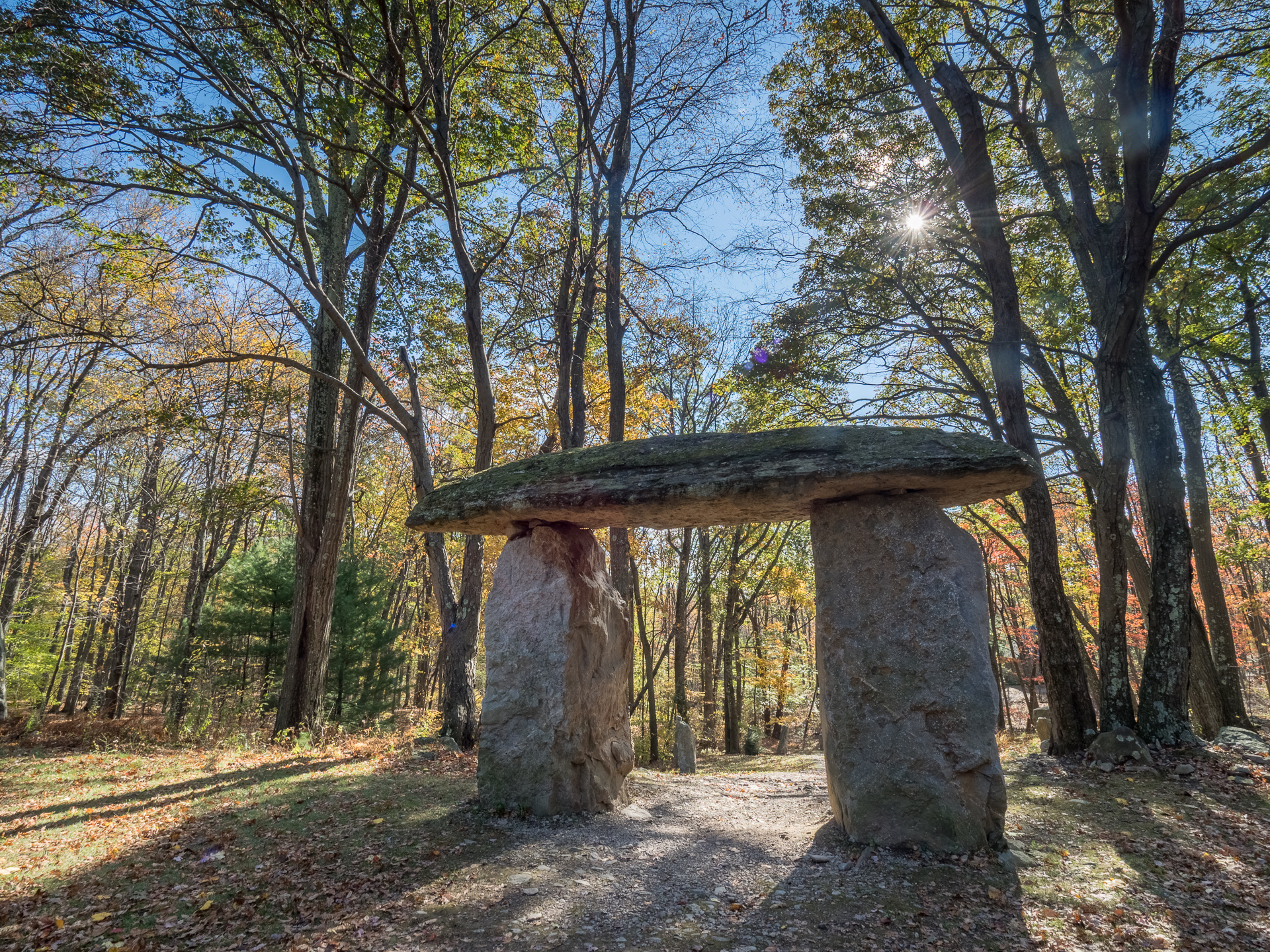
Thor’s Gate
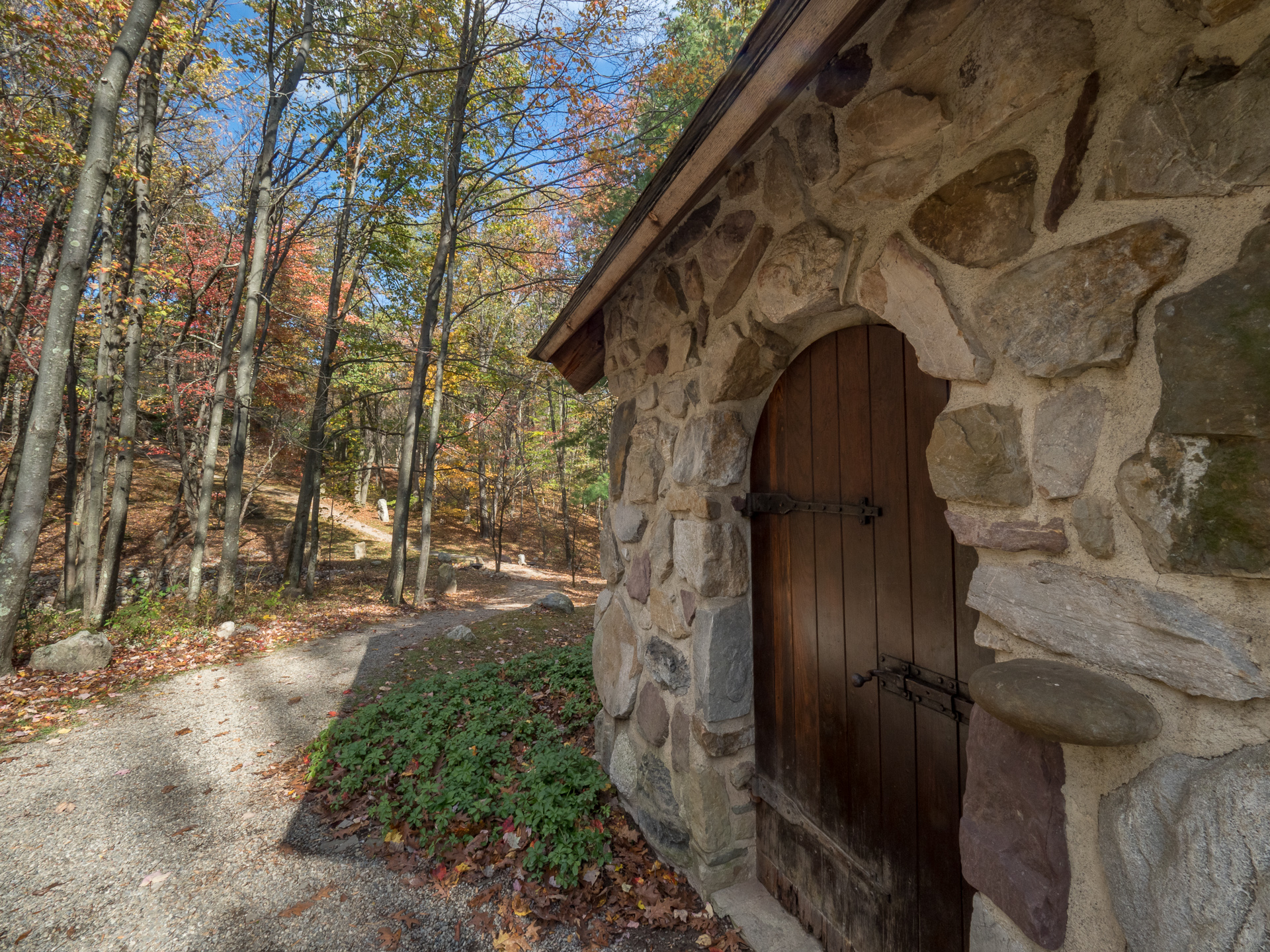
St. Columba Chapel
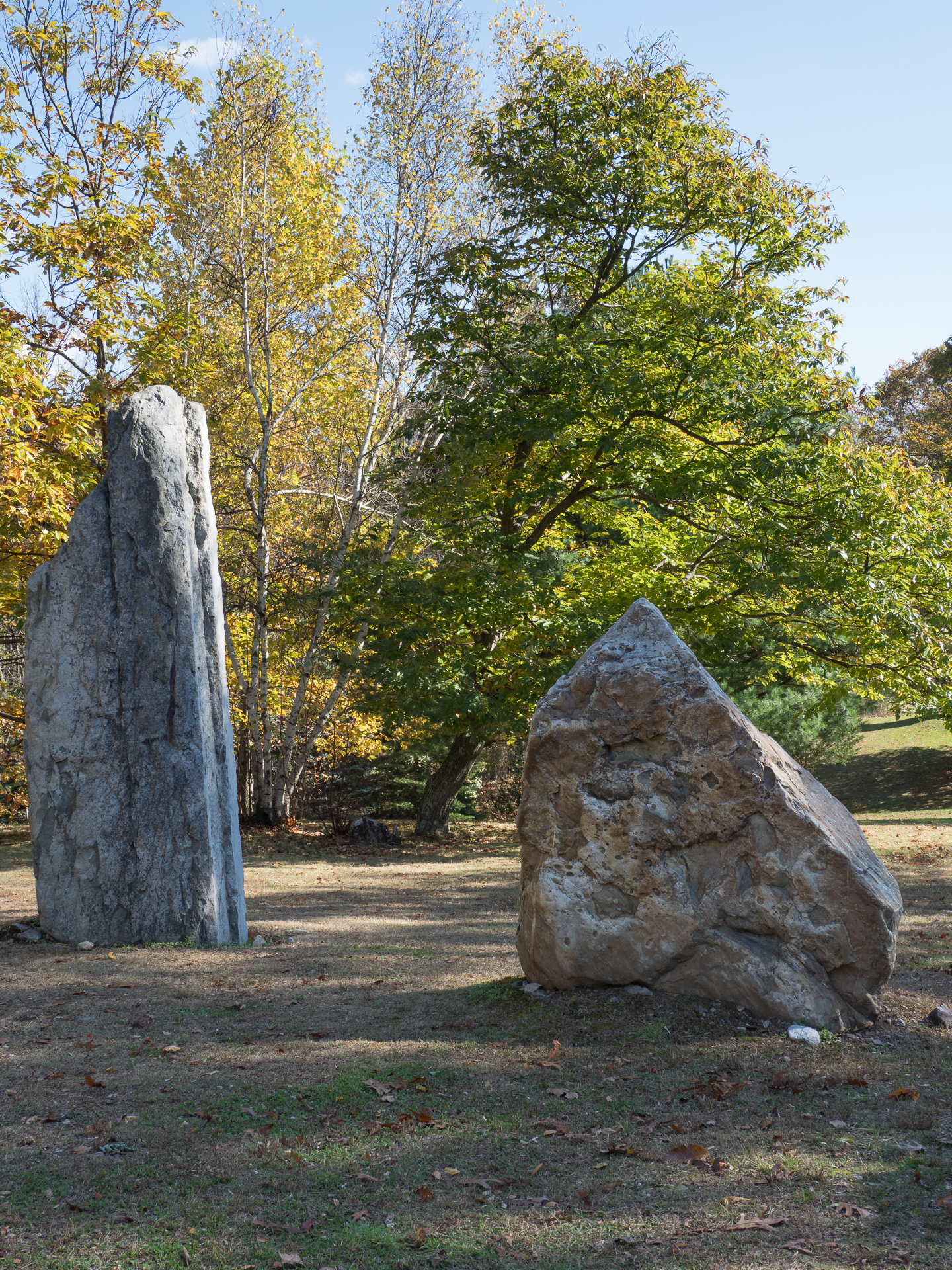
Megaliths
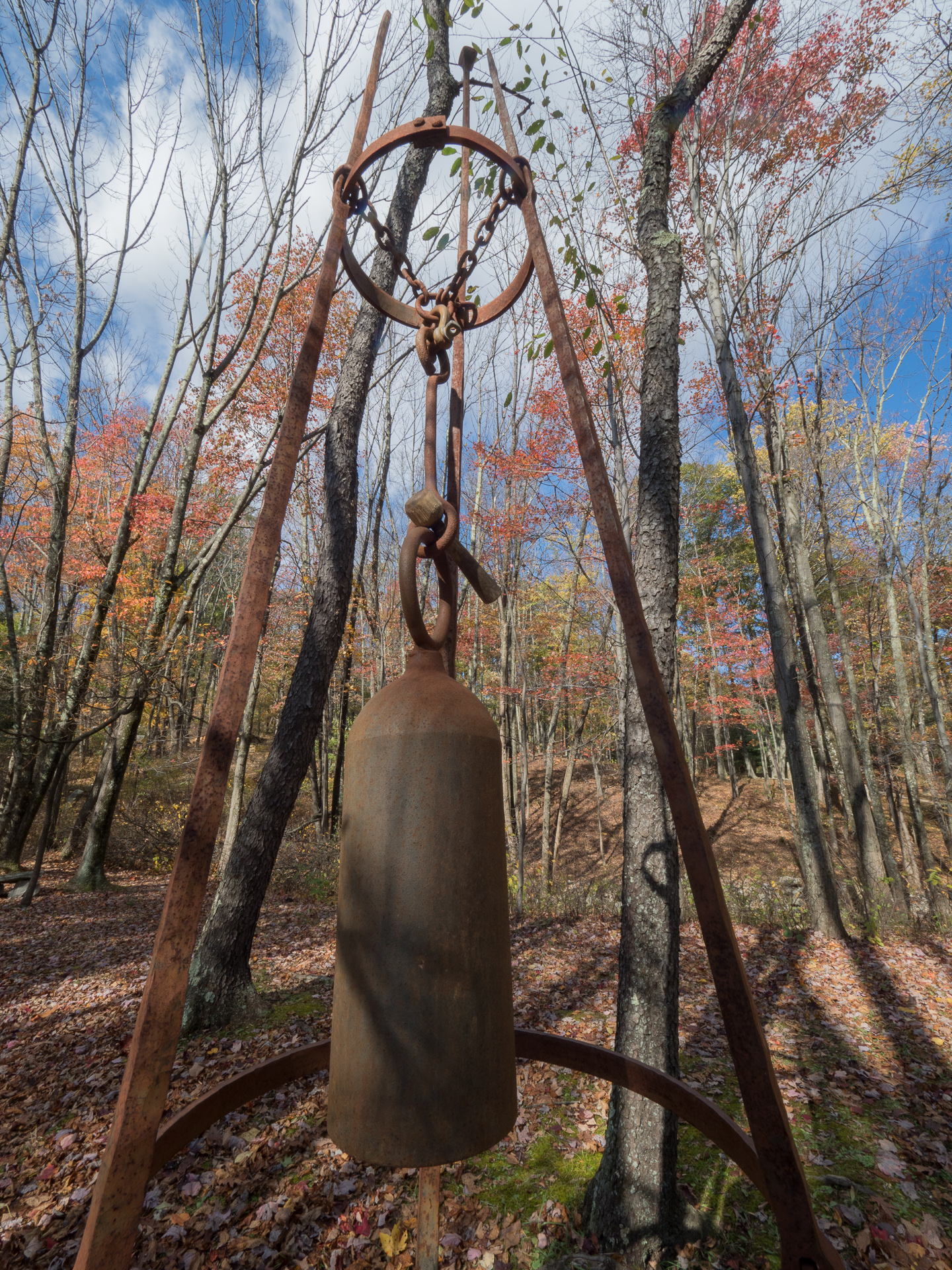
Bell
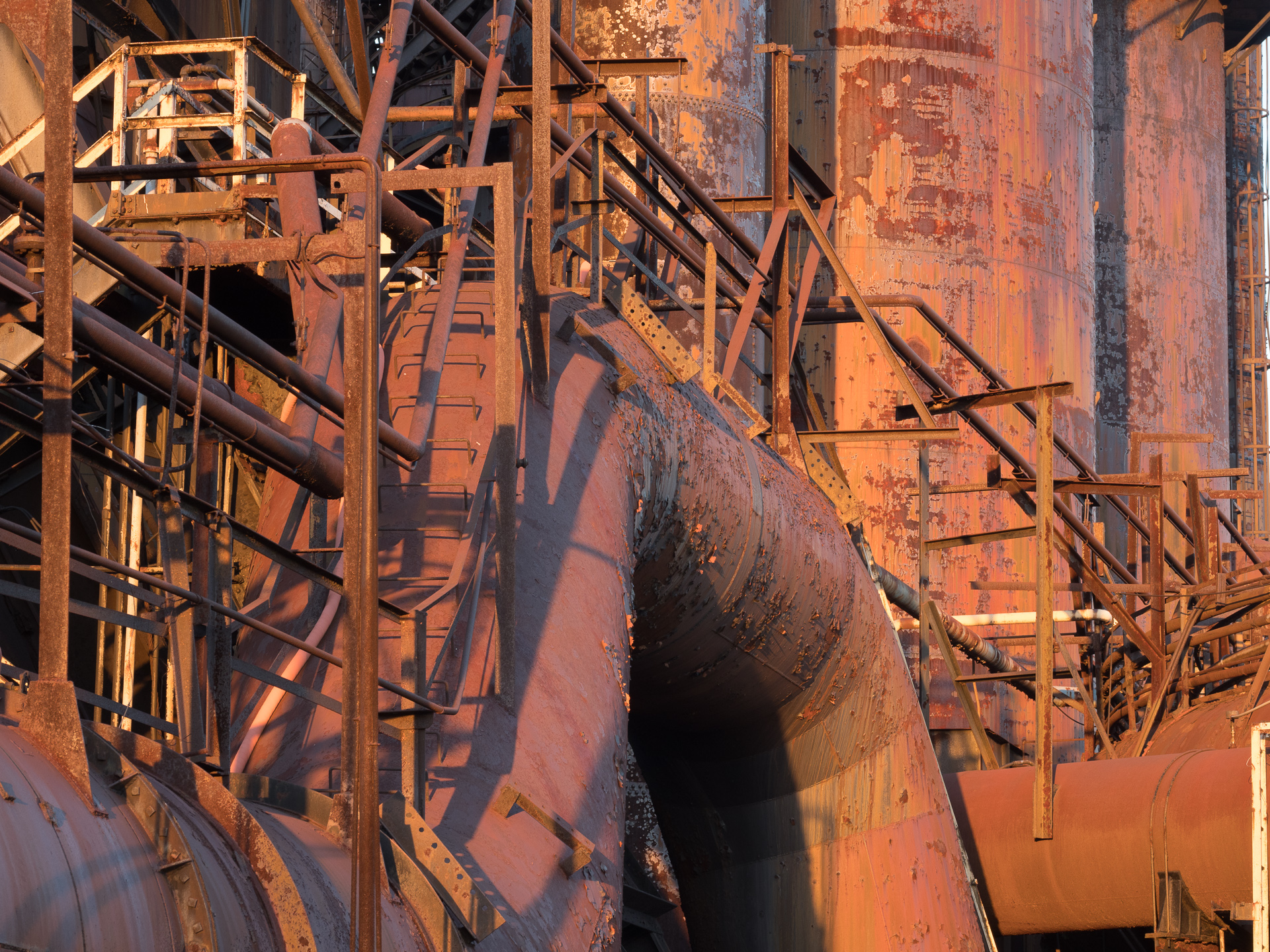

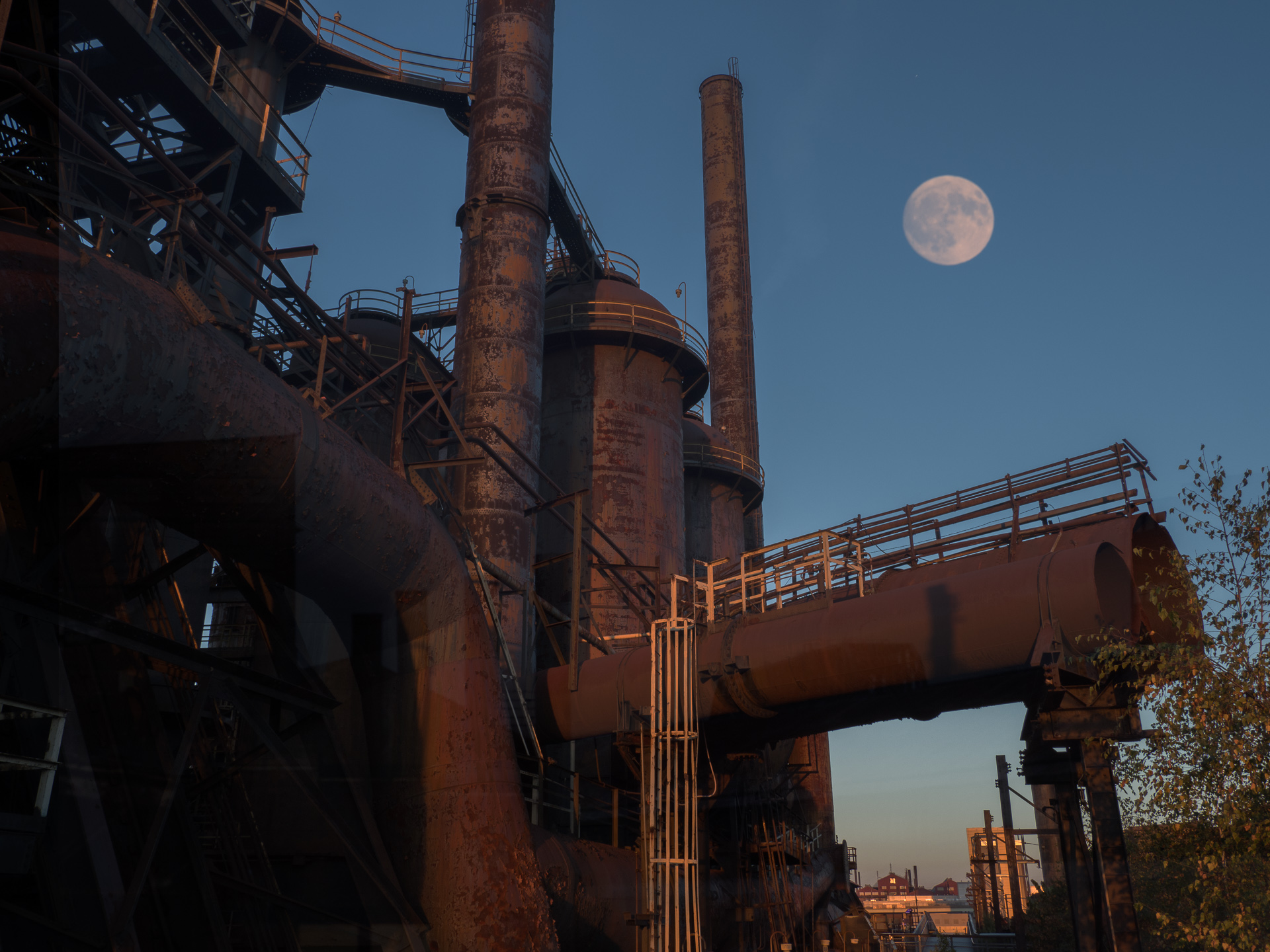
Location: SteelStacks, 711 First Street, Bethlehem, PA 18015
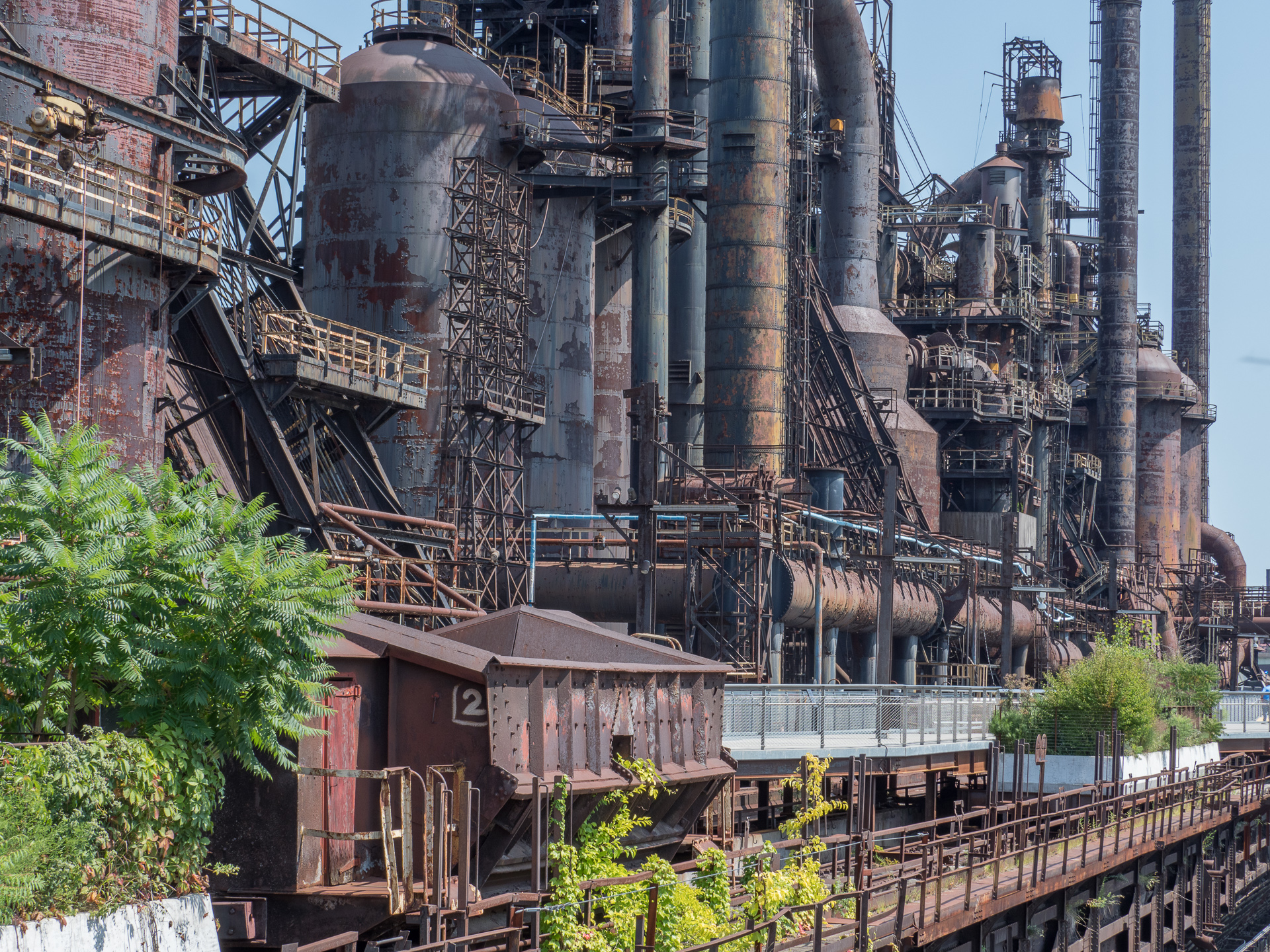
The Hoover Mason Trestle, at the former Bethlehem Steel Plant, used as a narrow gauge railroad to carry the coke, limestone and iron ore to make the iron from the ore yards to the blast furnaces. Now a public walkway designed to be a museum, community recreation resource and attraction. The trestle stands 46 feet tall and 2,000 feet long. Opened on June 25, the Hoover Mason Trestle located along the blast furnaces with one entrance at the Visitor Center and another at either end of the Gas Blowing Engine House providing access from the Sands parking lot or PBS 39 end of the campus.


The Hoover-Mason Trestle was completed in 1907 and named after the Chicago-based engineers who designed it. For over 80 years, cars delivered raw materials including limestone, iron ore, and coke to the blast furnaces. Men worked around the clock, in three shifts, emptying carloads of materials into storage bins below.
The blast furnaces operated continuously and required constant feeding of materials. Tons of limestone, iron ore or pellets, and coke would be loaded into the furnace in layers. Hot air was blown in near the bottom to fuel the reaction.

The Blower House generated the “wind” for the blast furnaces. Inside this building, rows of giant gas-powered engines pumped pressurized air out to the stoves. The stoves heated the air before it was forced into the furnace. This hot pressurized air reacted with the coke (fuel), producing intense heat and carbon monoxide.

Location: SteelStacks, 711 First Street, Bethlehem, PA 18015
Cornwall Furnace is indeed a unique survivor of the early American iron industry. Originally built by Peter Grubb in 1742, the furnace underwent extensive renovations in 1856-57 under its subsequent owners, the Coleman family, and closed in 1883. It is this mid-19th century iron making complex which survives today. At Cornwall, furnace, blast equipment, and related buildings still stand as they did over a century ago. Here visitors can explore the rambling Gothic Revival buildings where cannons, stoves, and pig iron were cast, and where men labored day and night to satisfy the furnace’s appetite for charcoal, limestone, and iron ore.
Cornwall Iron Furnace is part of a National Historic Landmark District by the U.S. Department of the Interior, National Park Service. It has also been designated a National Historical Landmark by the American Society of Metals, and a National Historic Mechanical Engineering Landmark by the American Society of Mechanical Engineers, citing Cornwall Furnace as “the only one of America’s hundreds of 19th century charcoal fueled blast furnaces to survive fully intact.”


Photos taken with a Olympus E-M1 Mark II with Olympus M.7-14mm F2.8 and M.12-100mm F4.0 Lens. Photos were shot in camera raw and made into high dynamic range (HDR) images using Google Nik Collection HDR Efex Pro 2.
 Bob Hahn Photo Blog