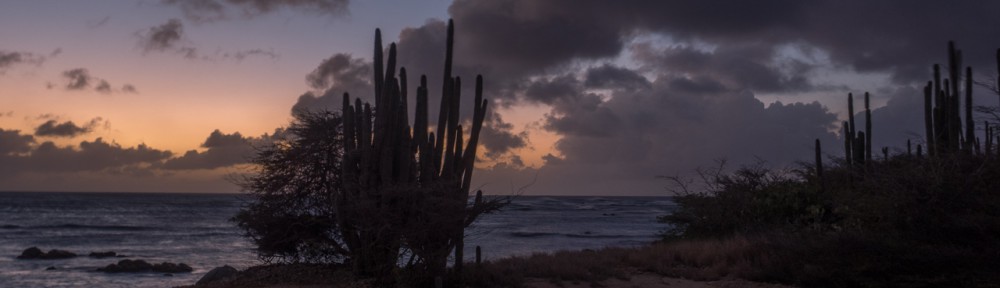
Hugh Moore Park

Hugh Moore Park

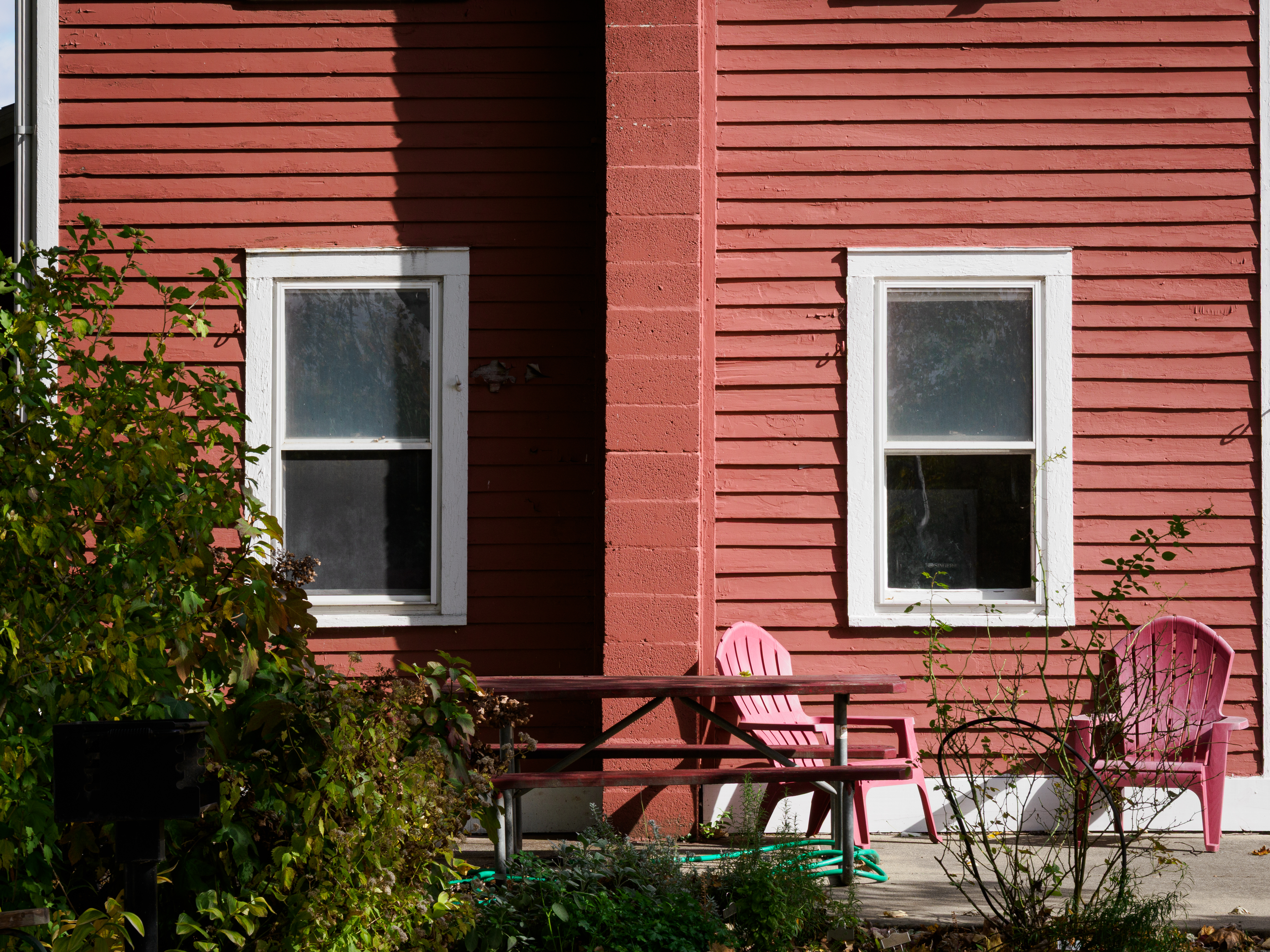
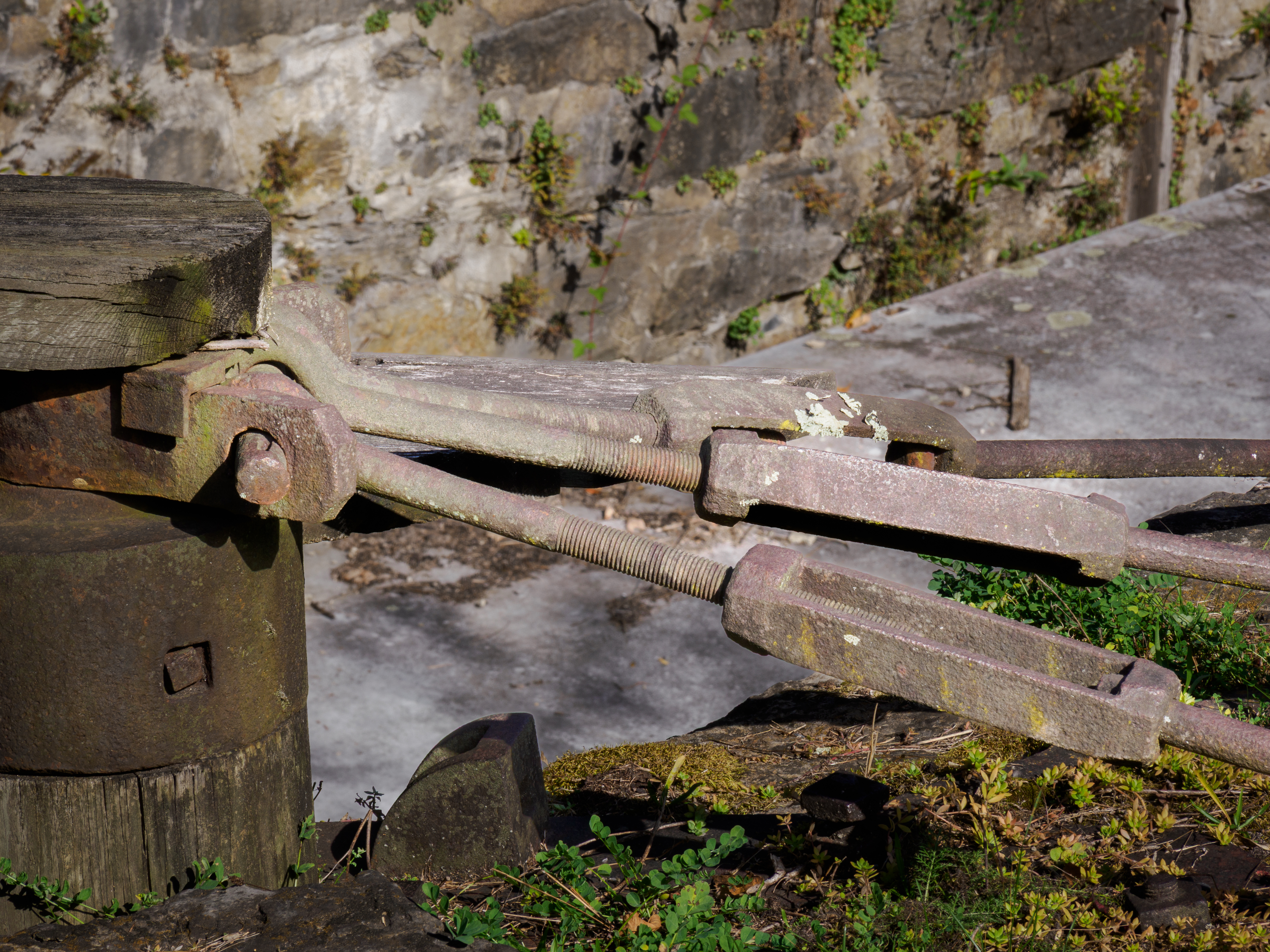
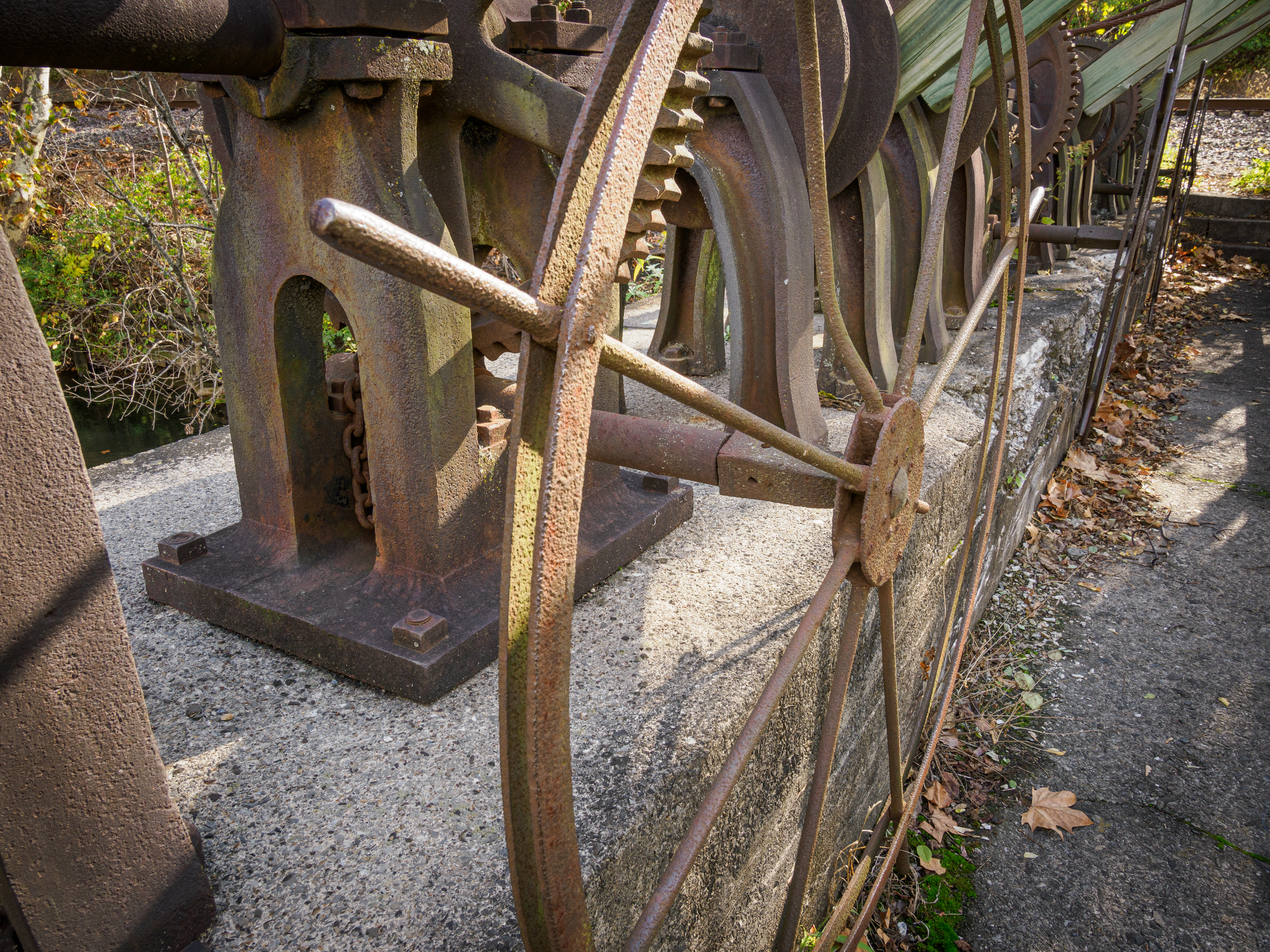
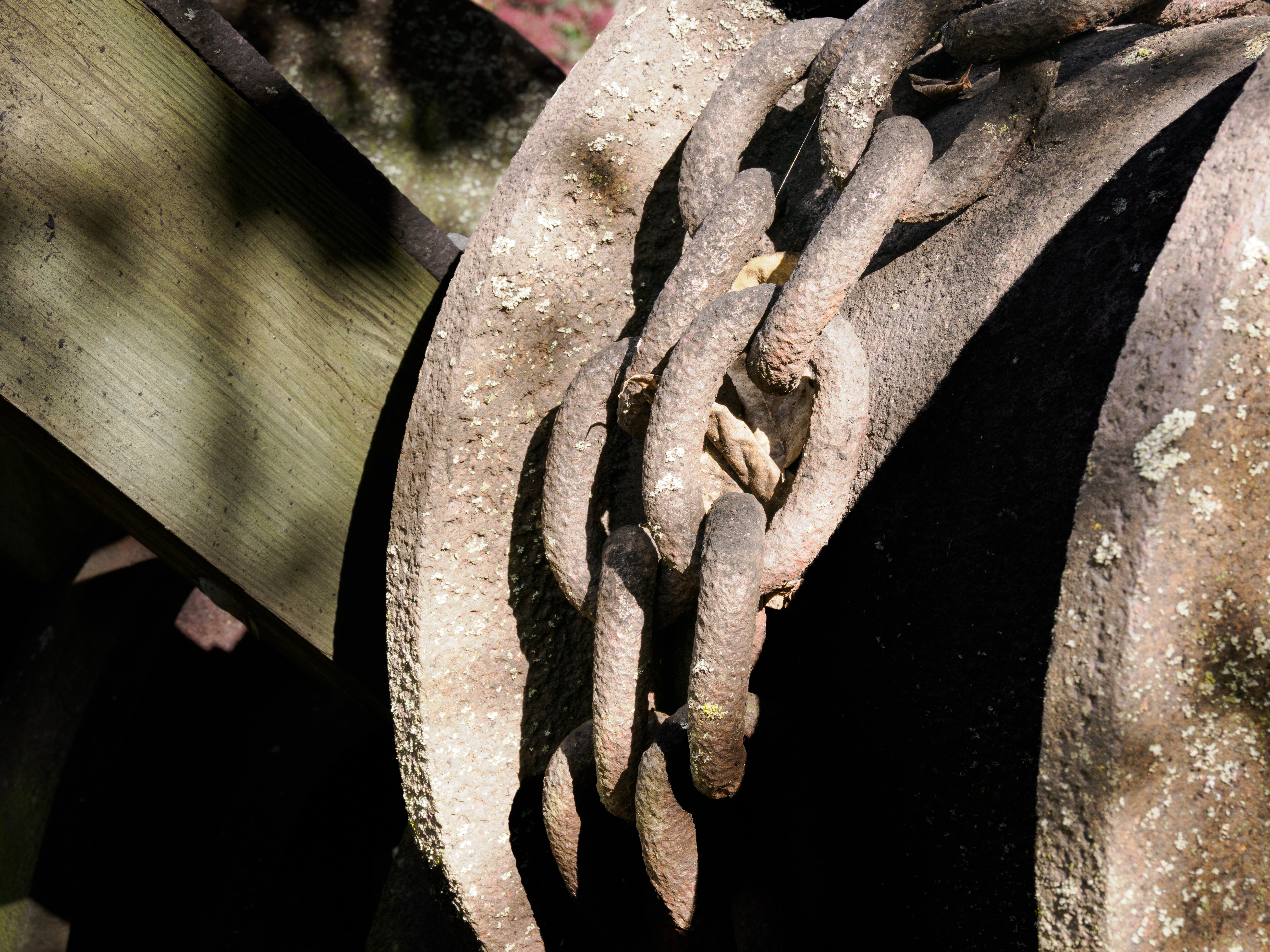
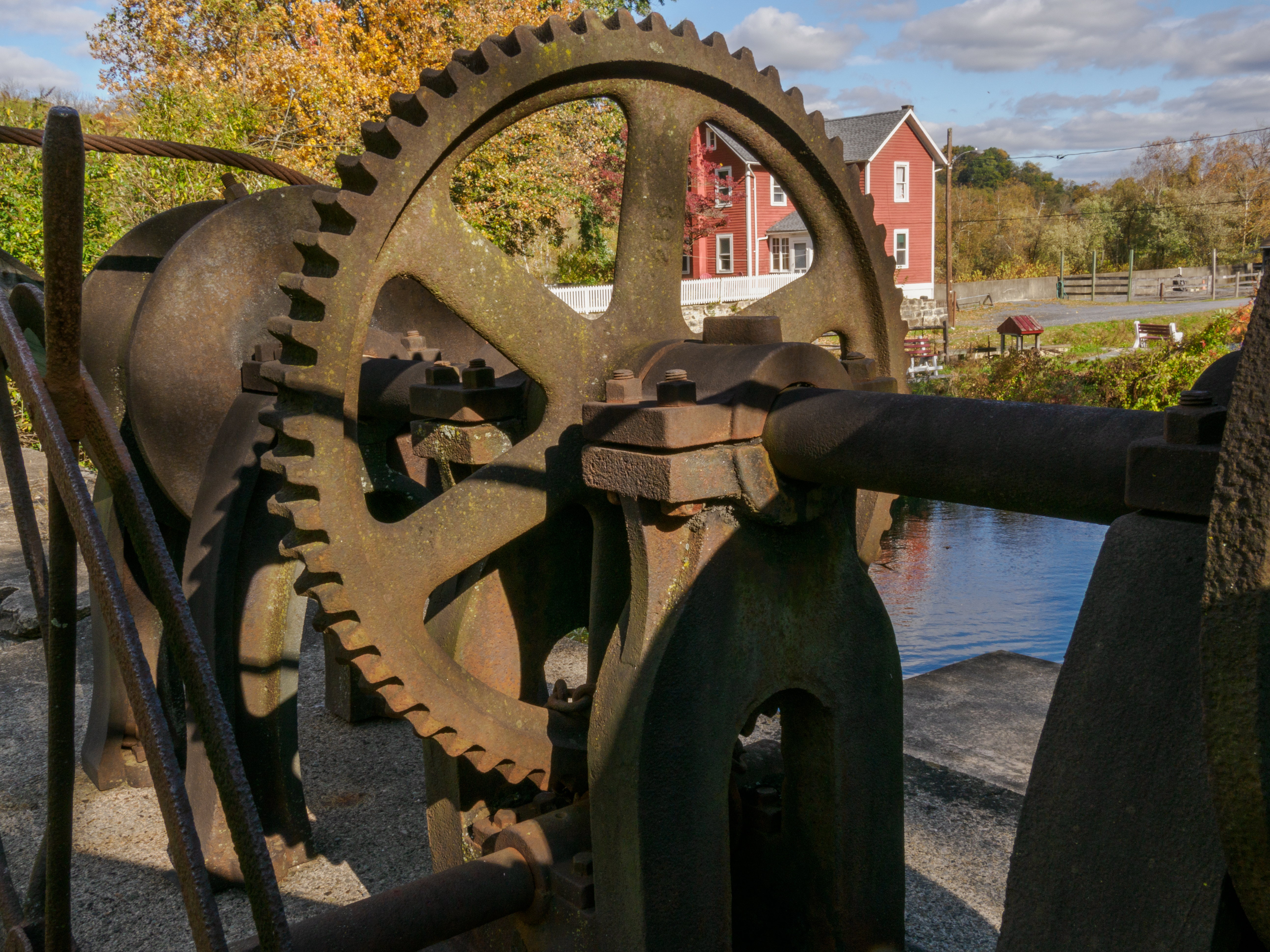
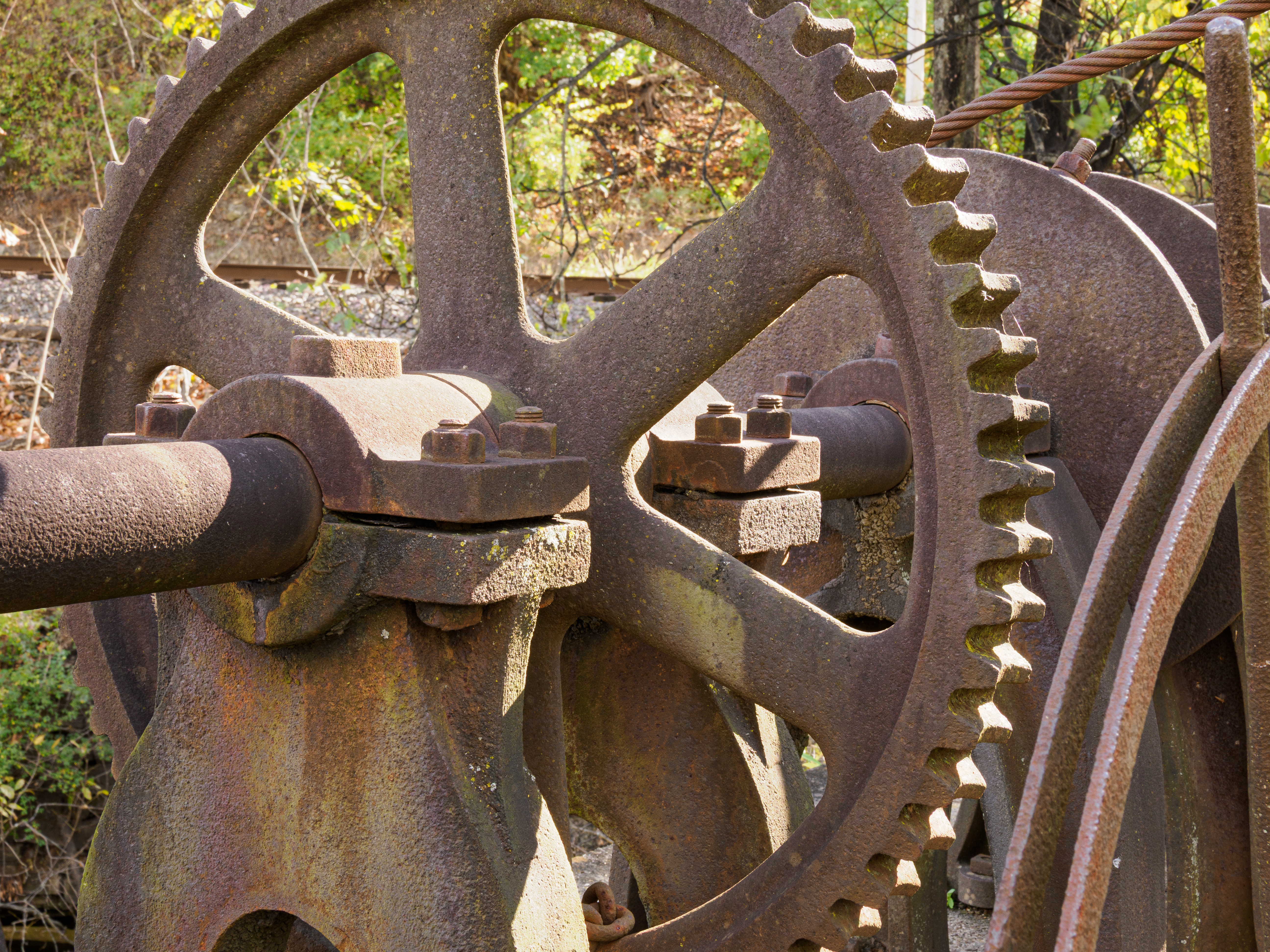
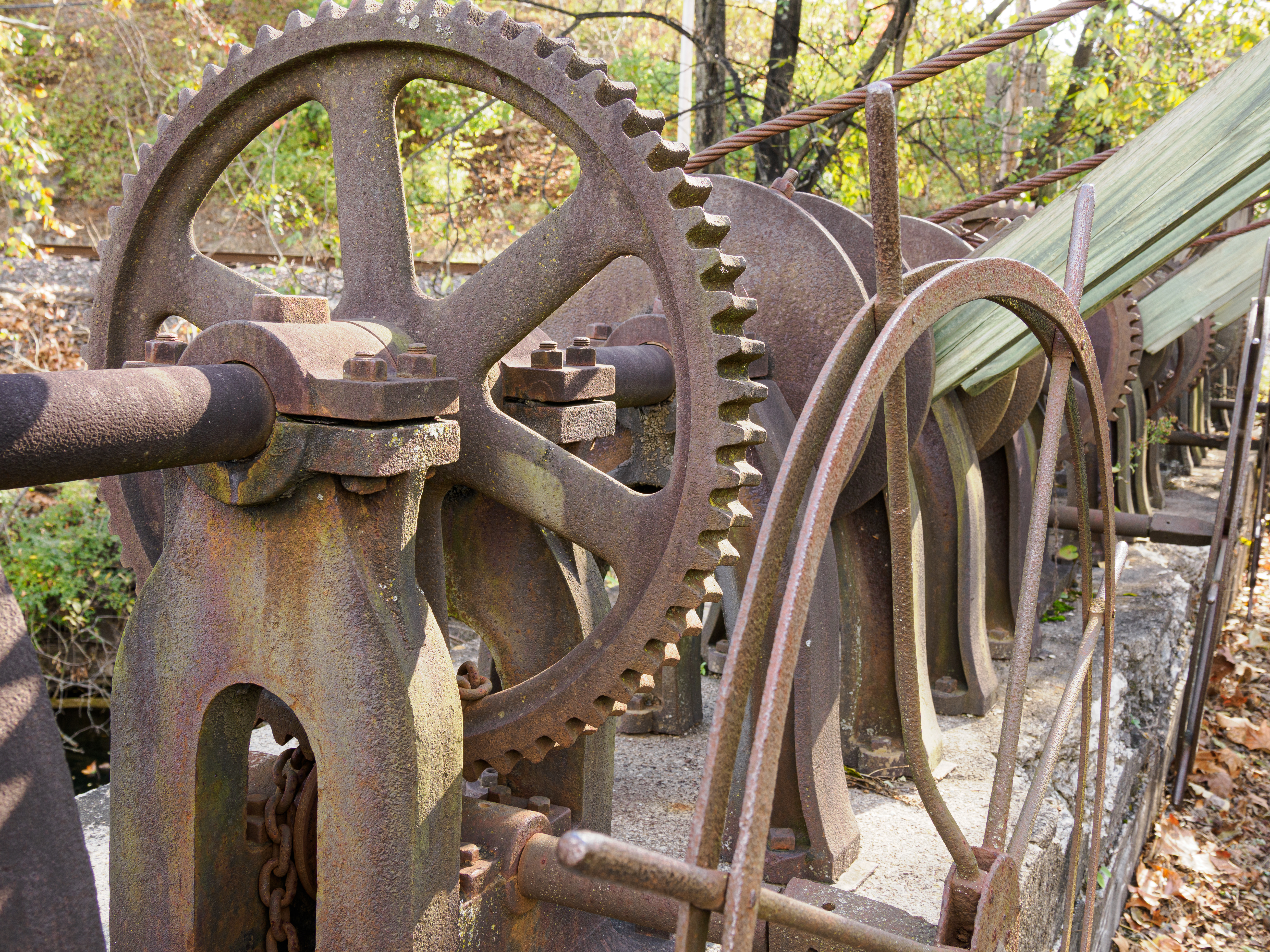
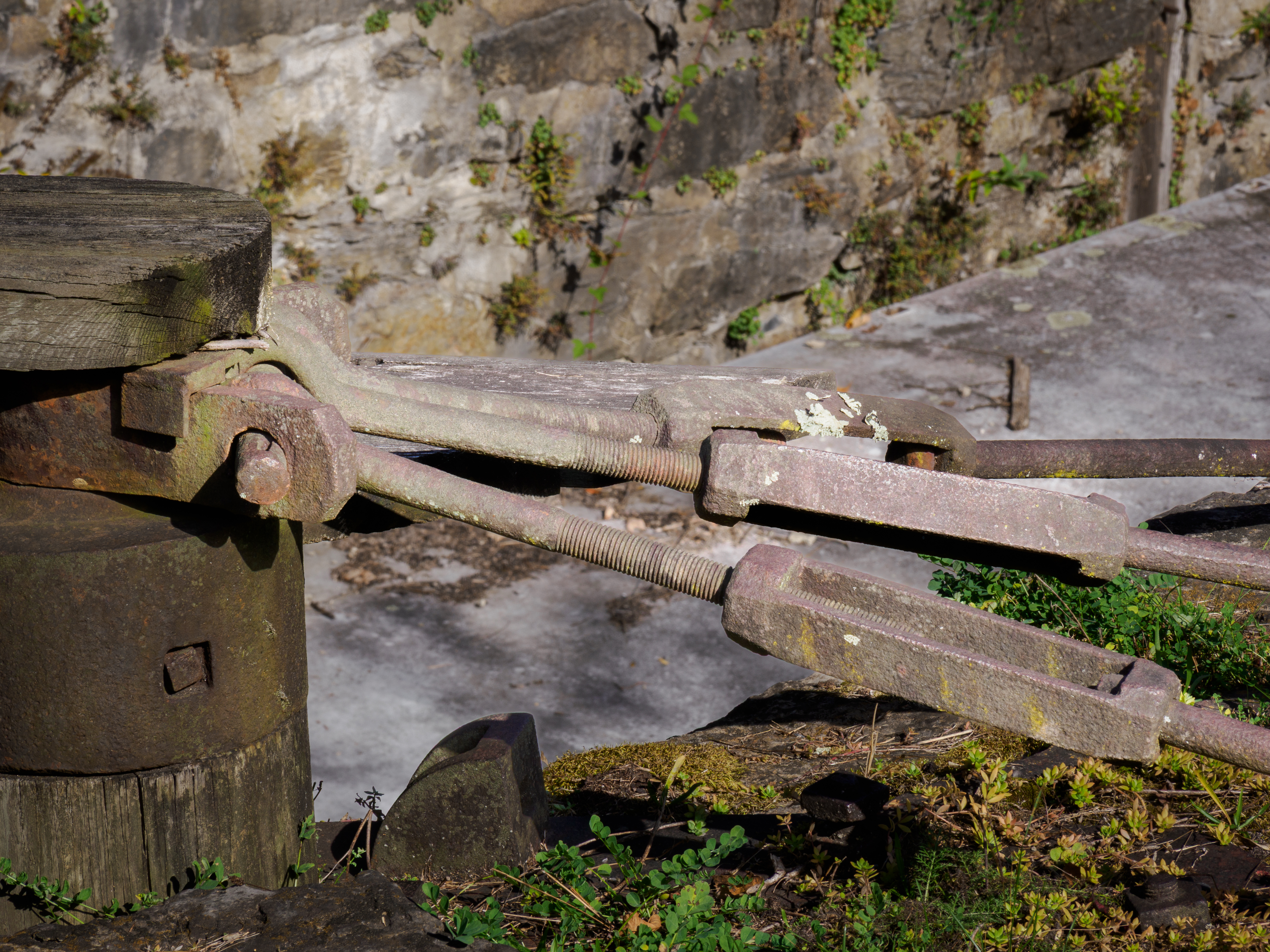
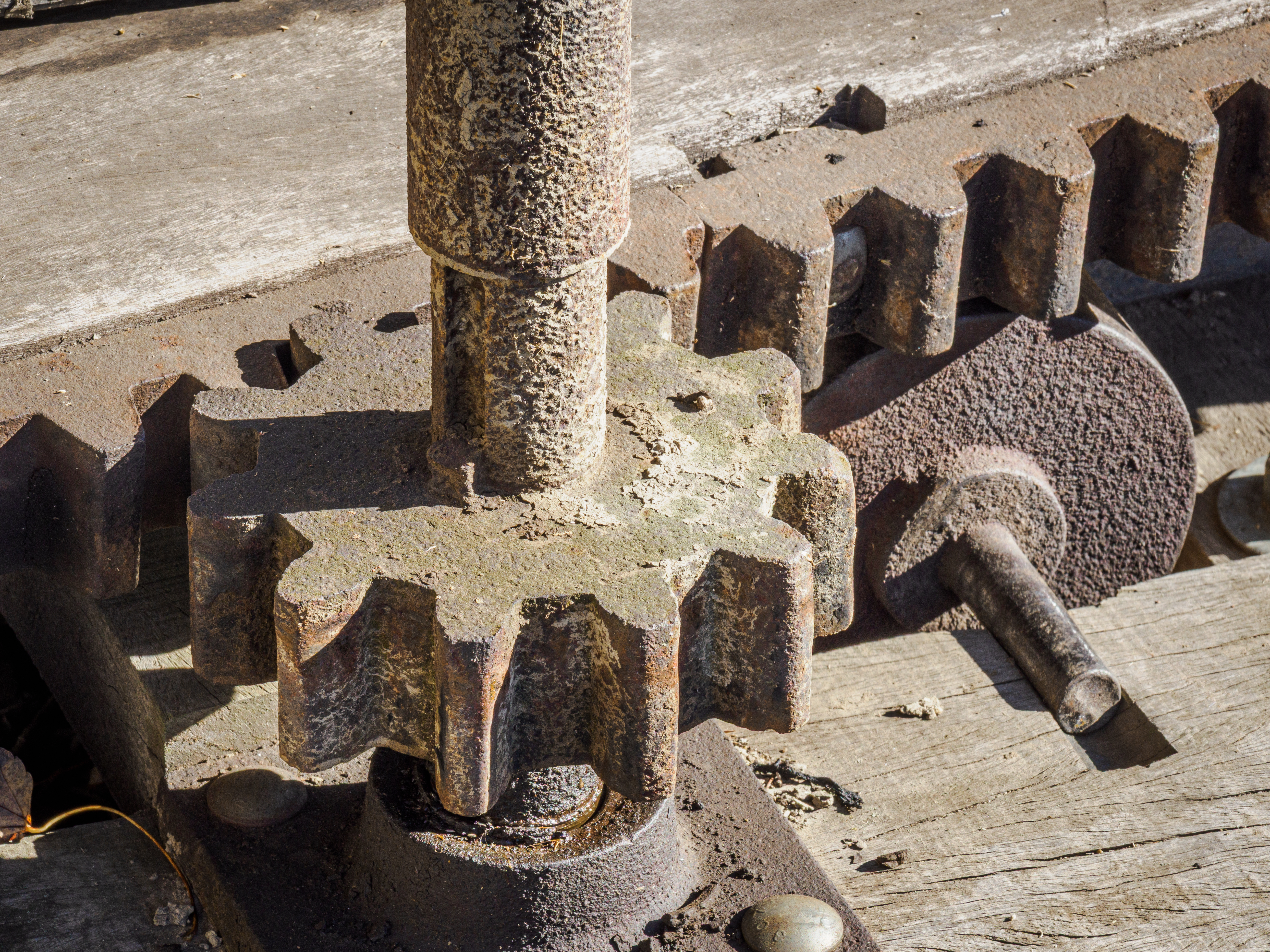
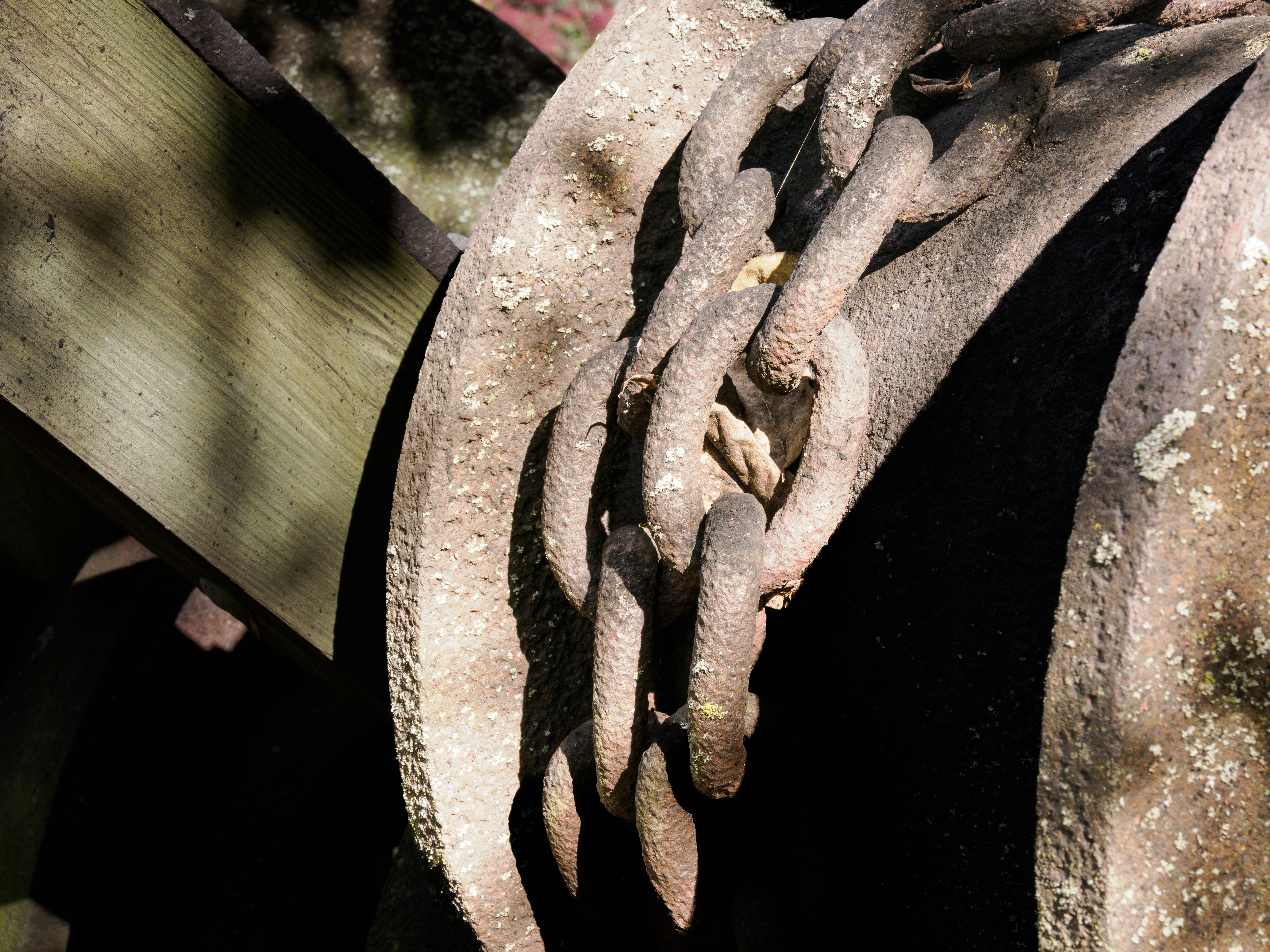
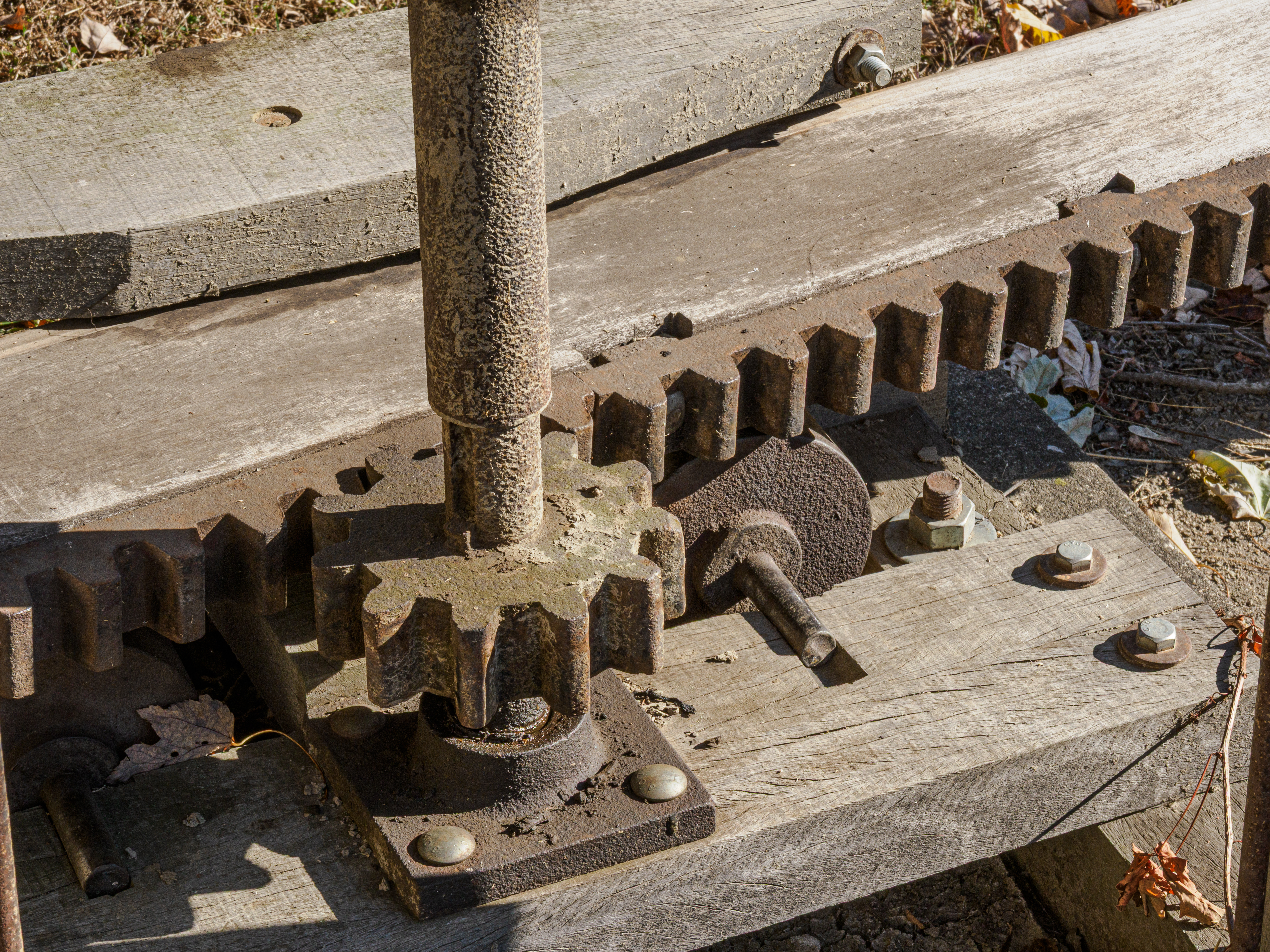
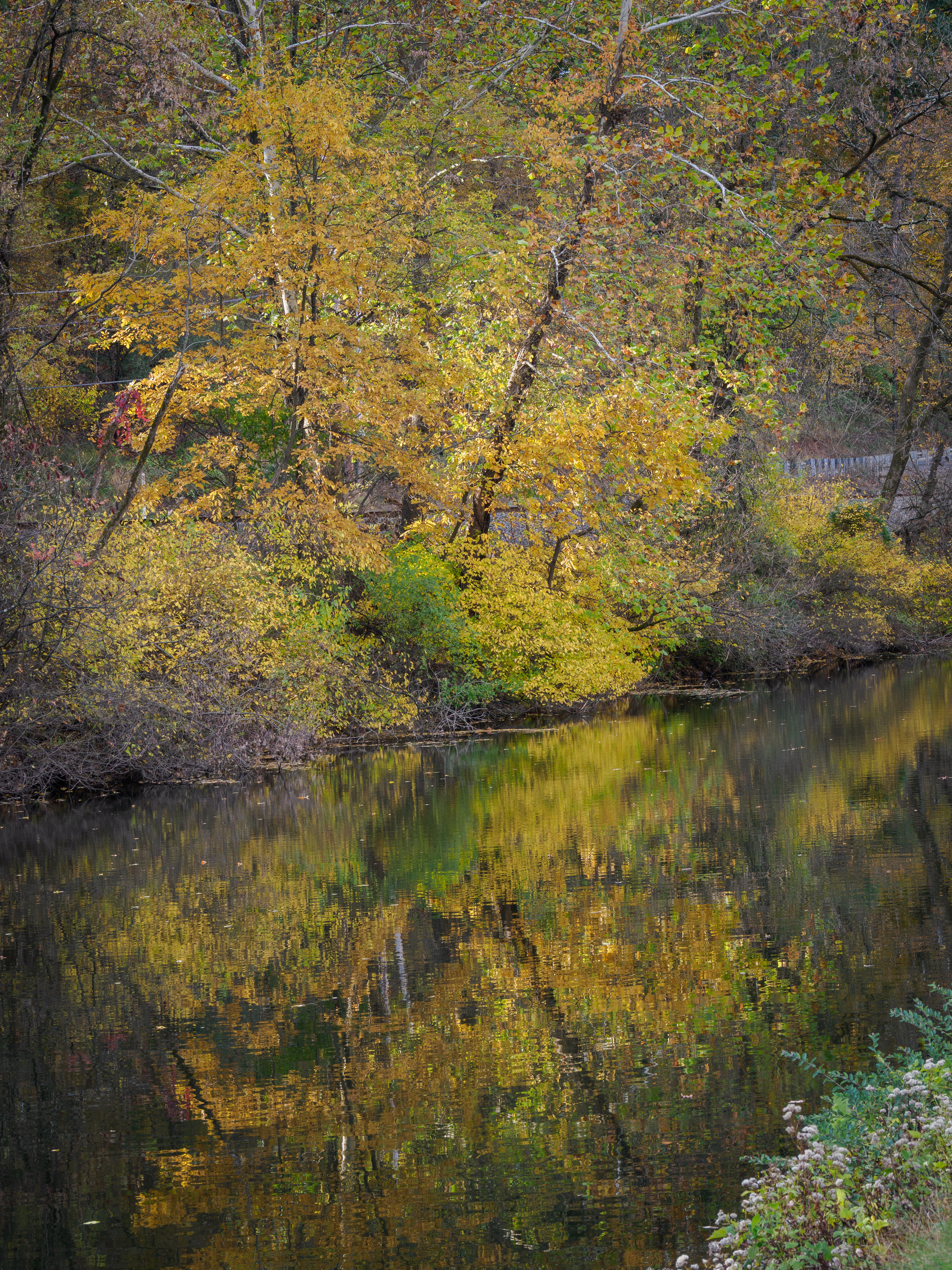
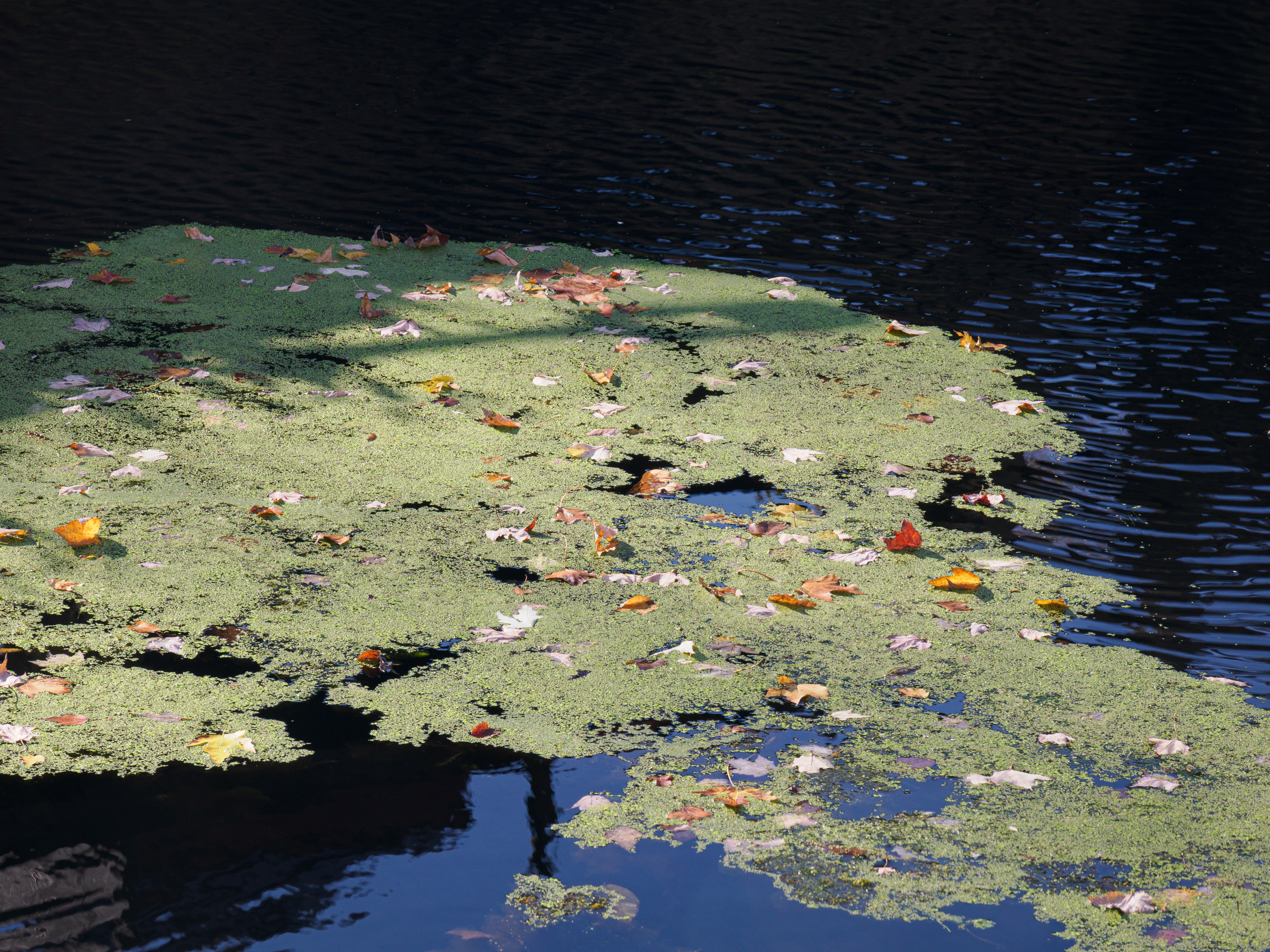
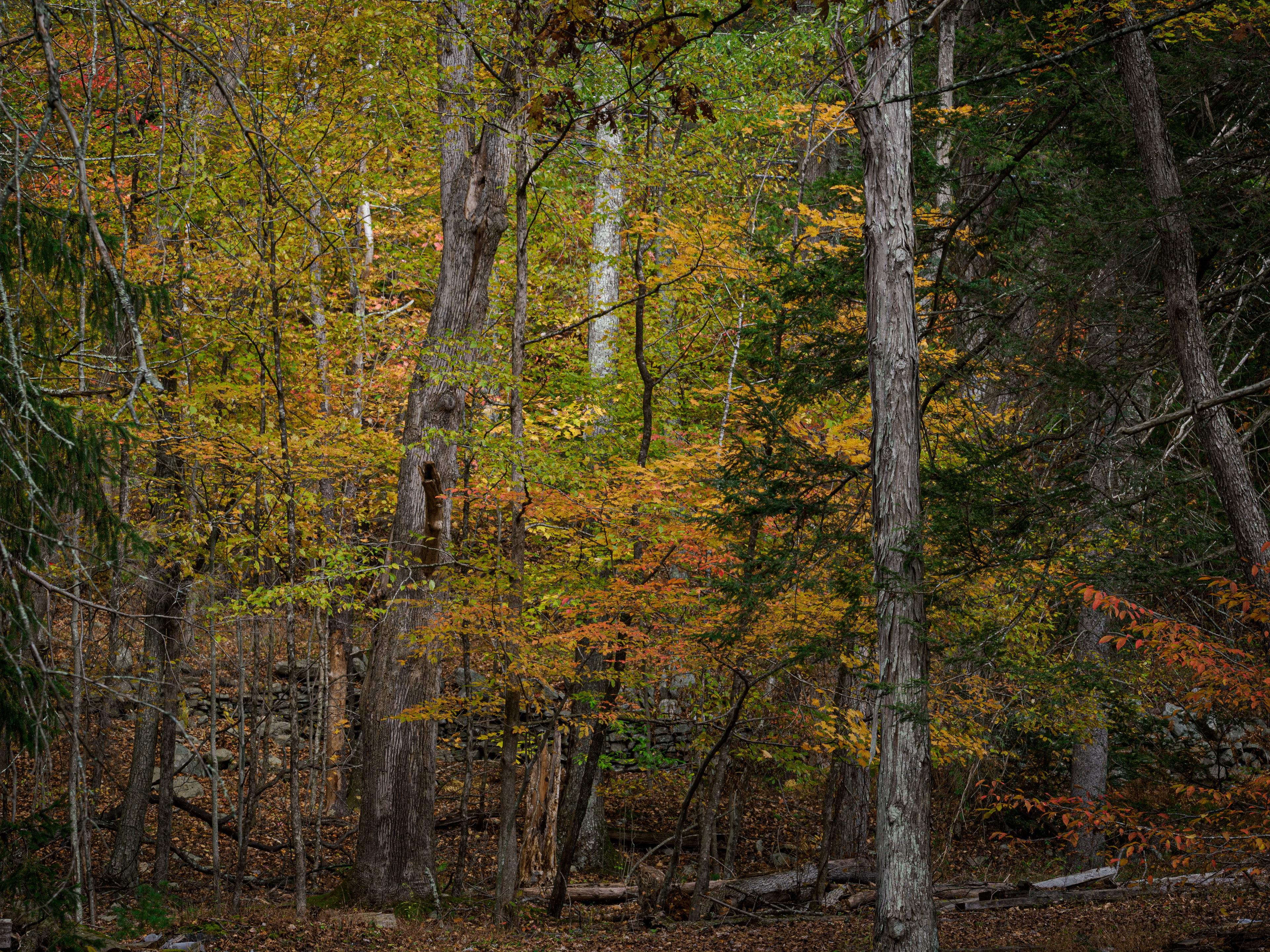
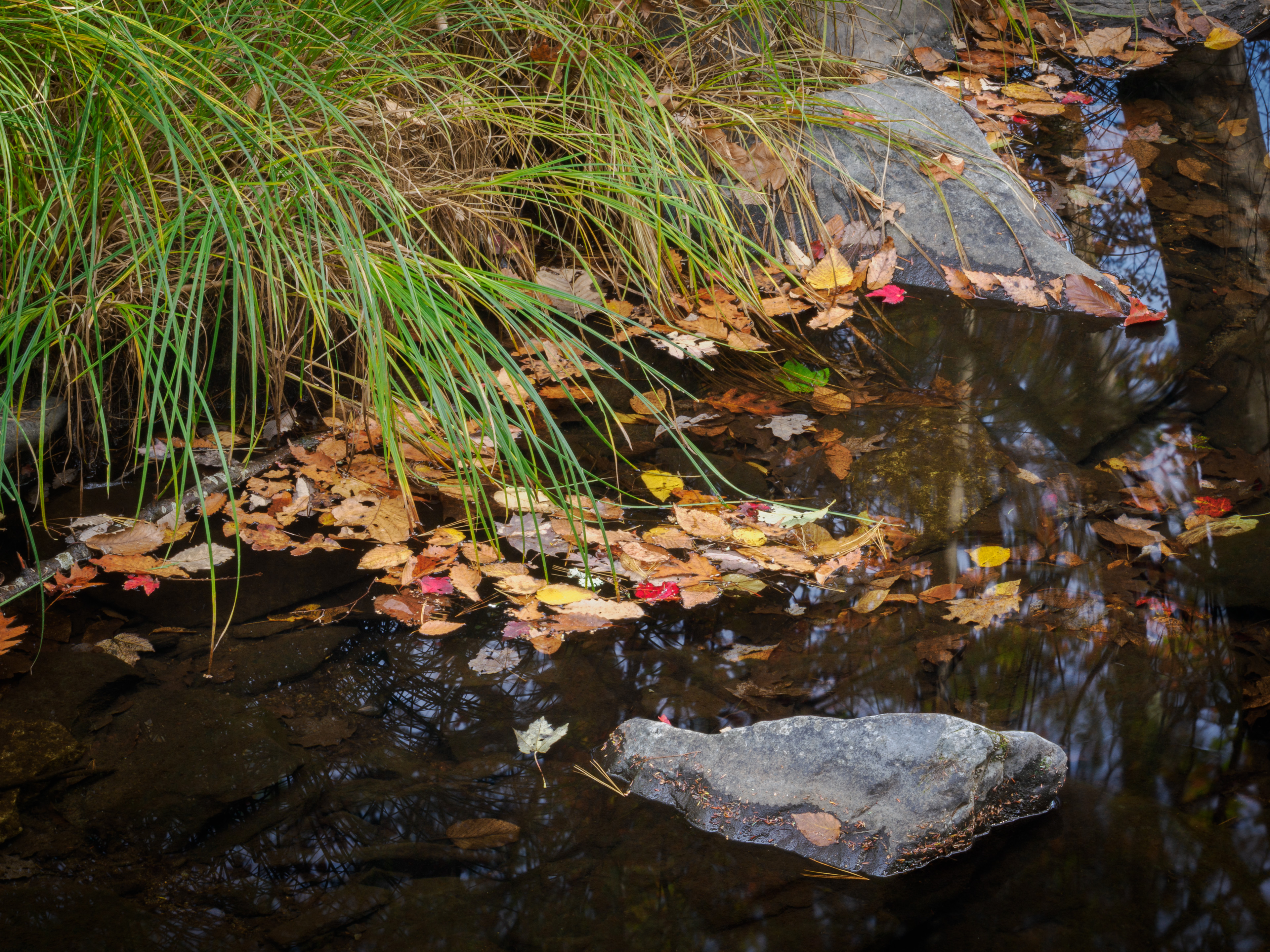
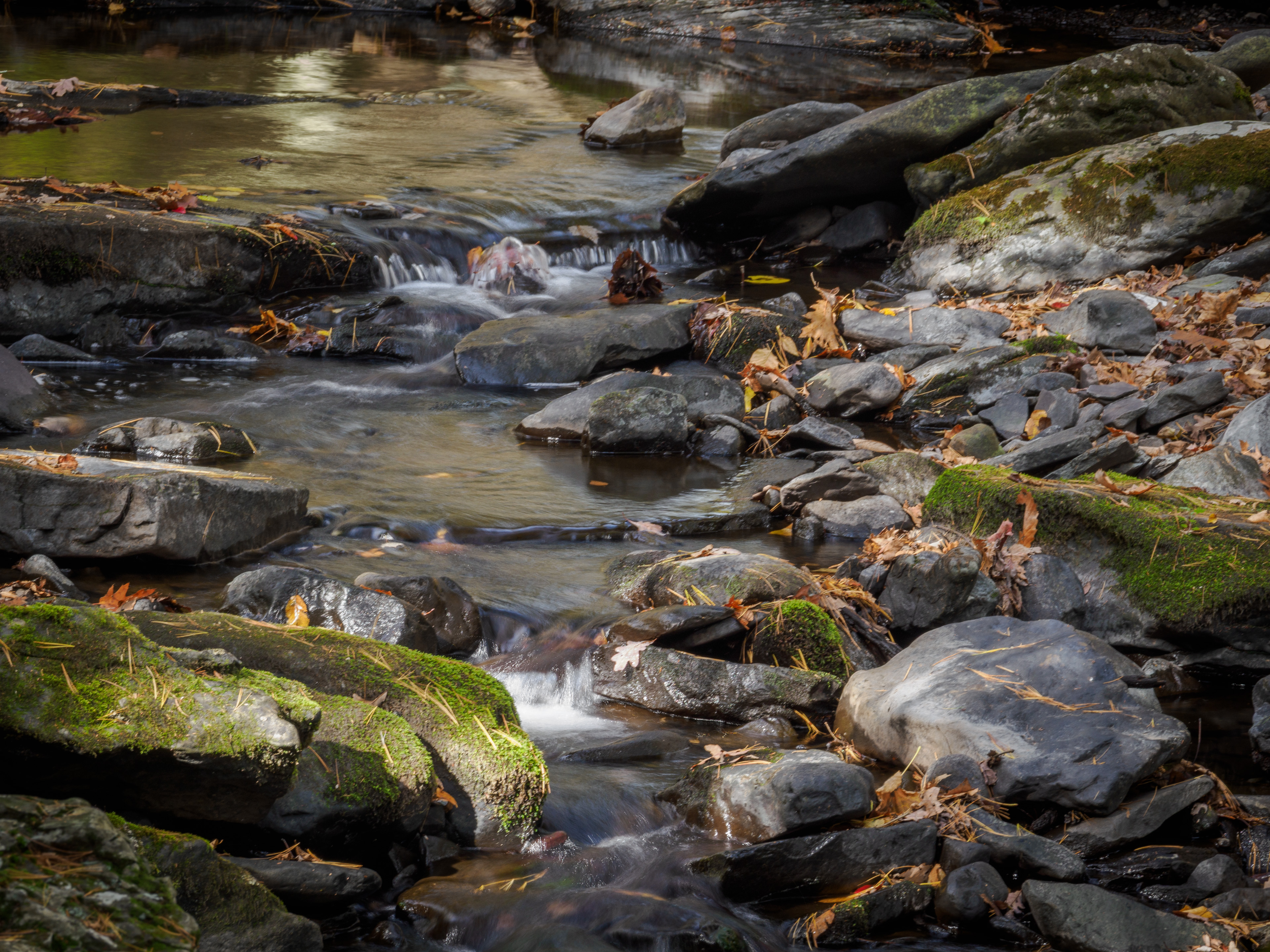
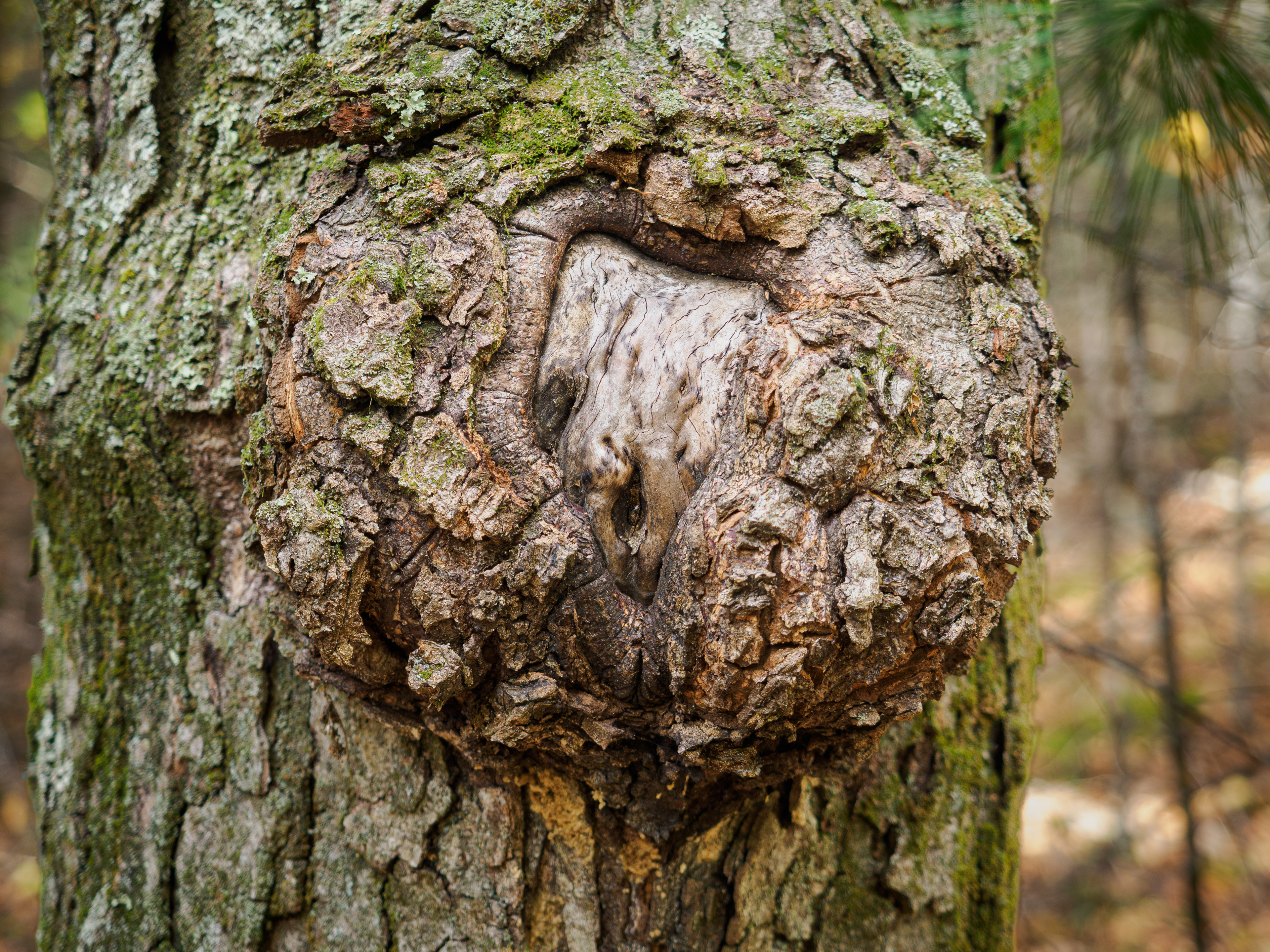
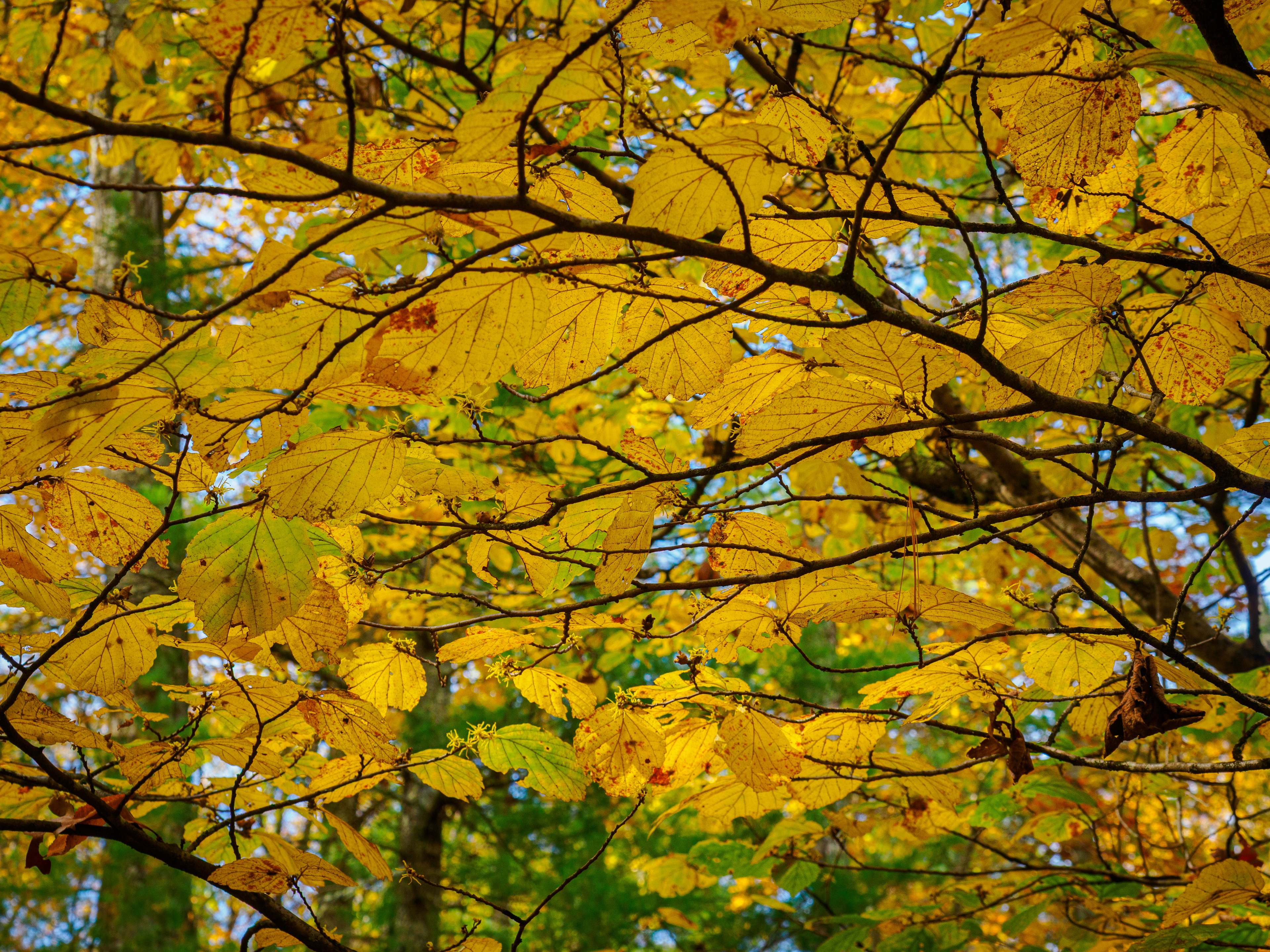
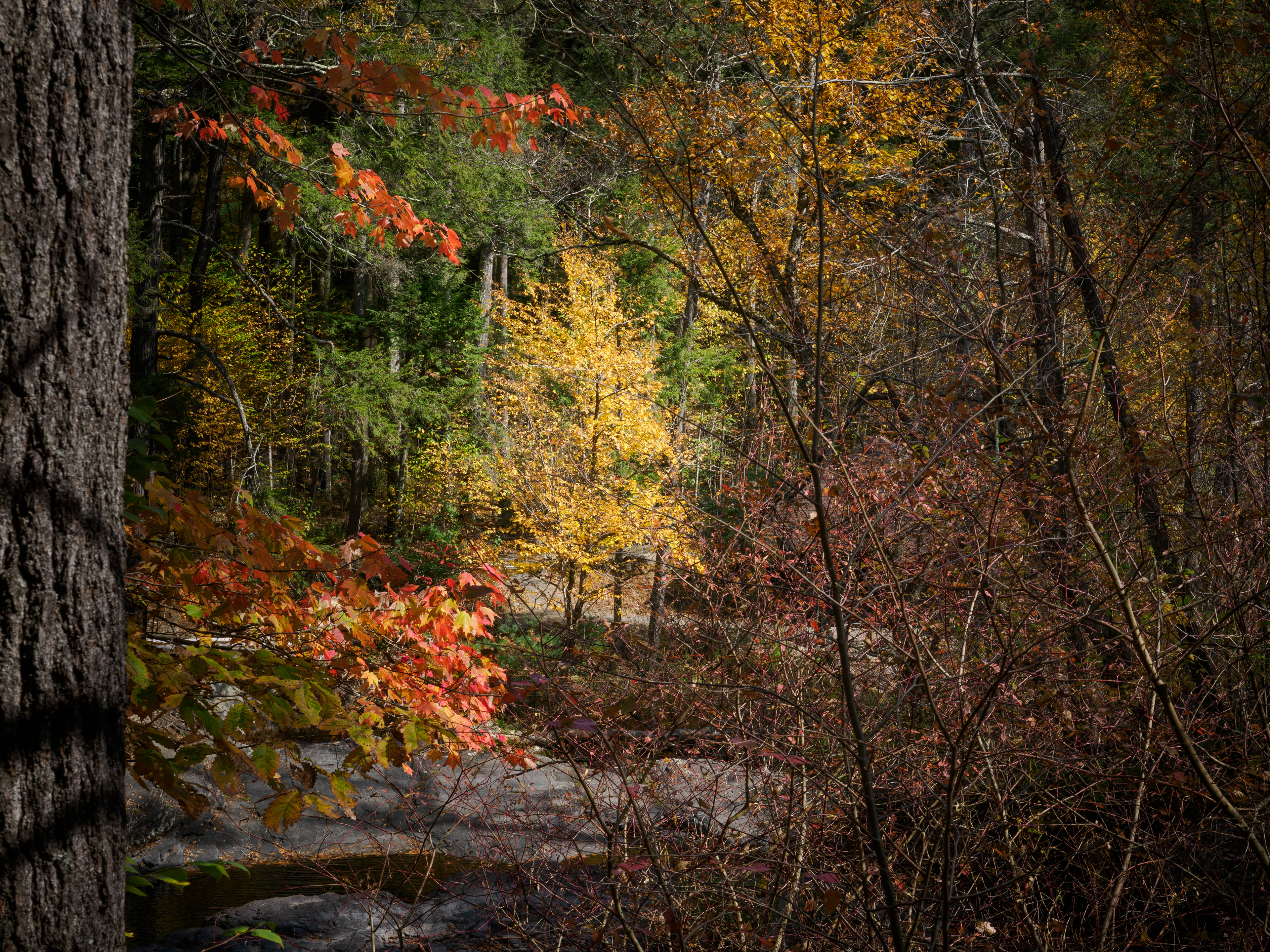
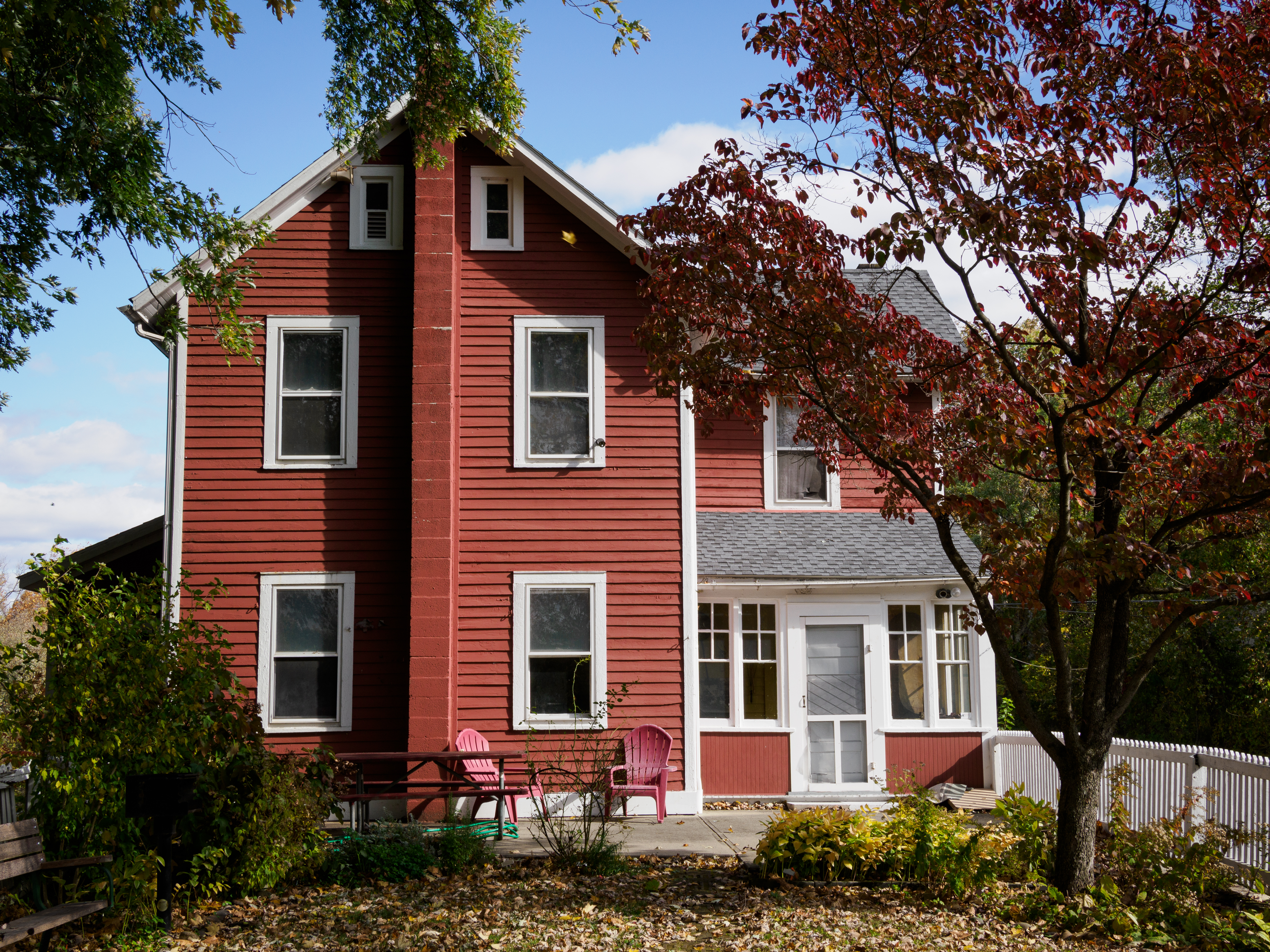
Hugh Moore Park in Easton, PA offers a captivating glimpse into America’s canal history, featuring over two miles of restored Lehigh Canal, a unique canal boat attraction, and one of the largest canal heritage museums in the U.S. The 520-acre park, nestled between the Lehigh Canal and Lehigh River, is home to the National Canal Museum and the 110-passenger Josiah White II canal boat, which provides hands-on exhibits about 19th-century canal life and technology. Recent enhancements include a playground, bike skills course, dog park, and multi-use path. Visitors can rent bikes, canoes, paddleboats, and kayaks from the Welcome Center. The park boasts numerous trails along the river and canal, both paved and unpaved, and is situated on the D&L Trail between Allentown and Easton. In addition to the canal boat and museum, visitors can explore bridges, the river and canal, machinery from deserted locks, sculptures, foliage, flowers, and wildlife. A wide-angle lens is recommended for photography, and a telephoto lens may be useful for capturing deer or other wildlife. The park is easily accessible, and the combination of hiking and photographic opportunities makes it a worthwhile trip.

What’s in Bob’s bag

  • OM1 Mark ll
  • OM-D E-M1 Mark Ill
  • M.Zuiko 7-14mm F2.8 Pro
  • M.Zuiko 12-40mm F2.8 Pro
  • M.Zuiko 12-100mm F2.8 Pro
  • M.Zuiko 40-150mm F2.8 Pro
  • OM 100-400mm F5.0-6.3 II Lens
  • M.Zuiko ED 300mm F4.0 IS Pro
  • M.Zuiko Digital 1.4x Teleconverter MC-14
  • M.Zuiko Digital 2X Teleconverter MC-20
  • M.Zuiko ED 8mm F1.8 Fisheye Pro
  • M.Zuiko ED 60mm f2.8 Macro
  • M.Zuiko ED 20mm f/1.4 Pro
  • M.Zuiko ED 45mm f/1.2 Pro
  • Manfrotto MHXPRO-BHQ2 XPRO Ball Head
  • Manfrotto 265CB CF Tripod
  • Manfrotto 290 Carbon Fiber Monopod
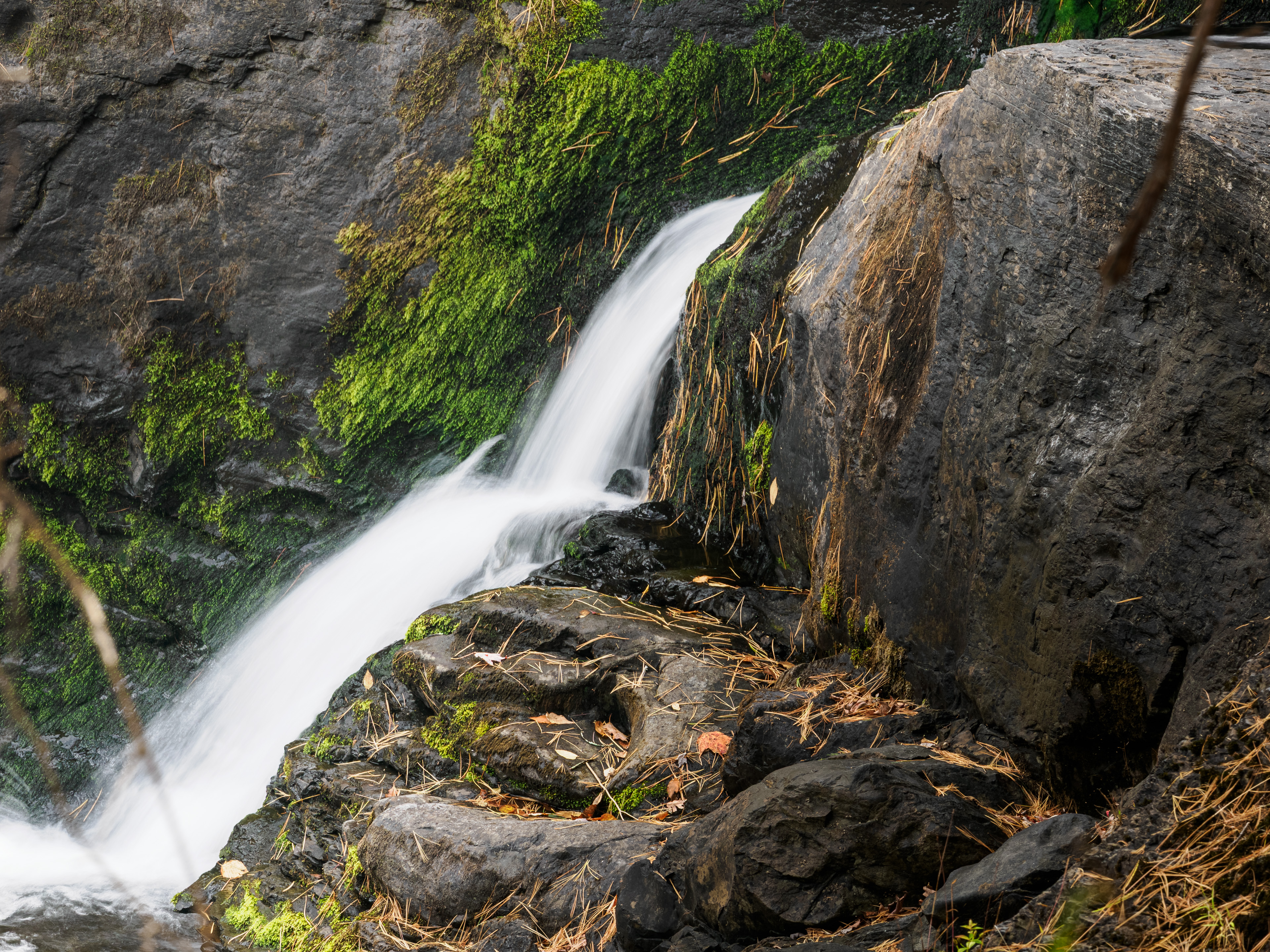
George W. Childs Park

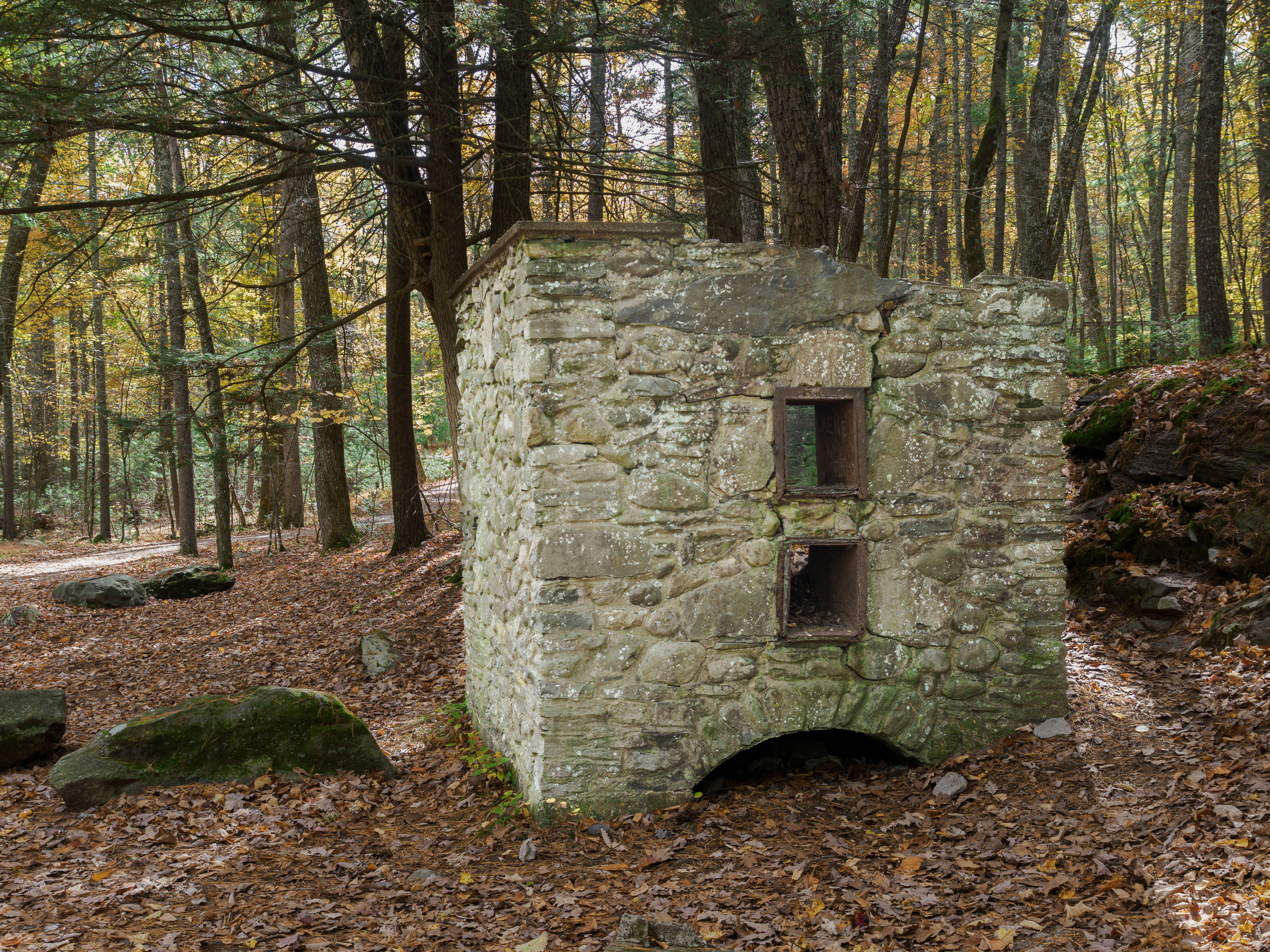
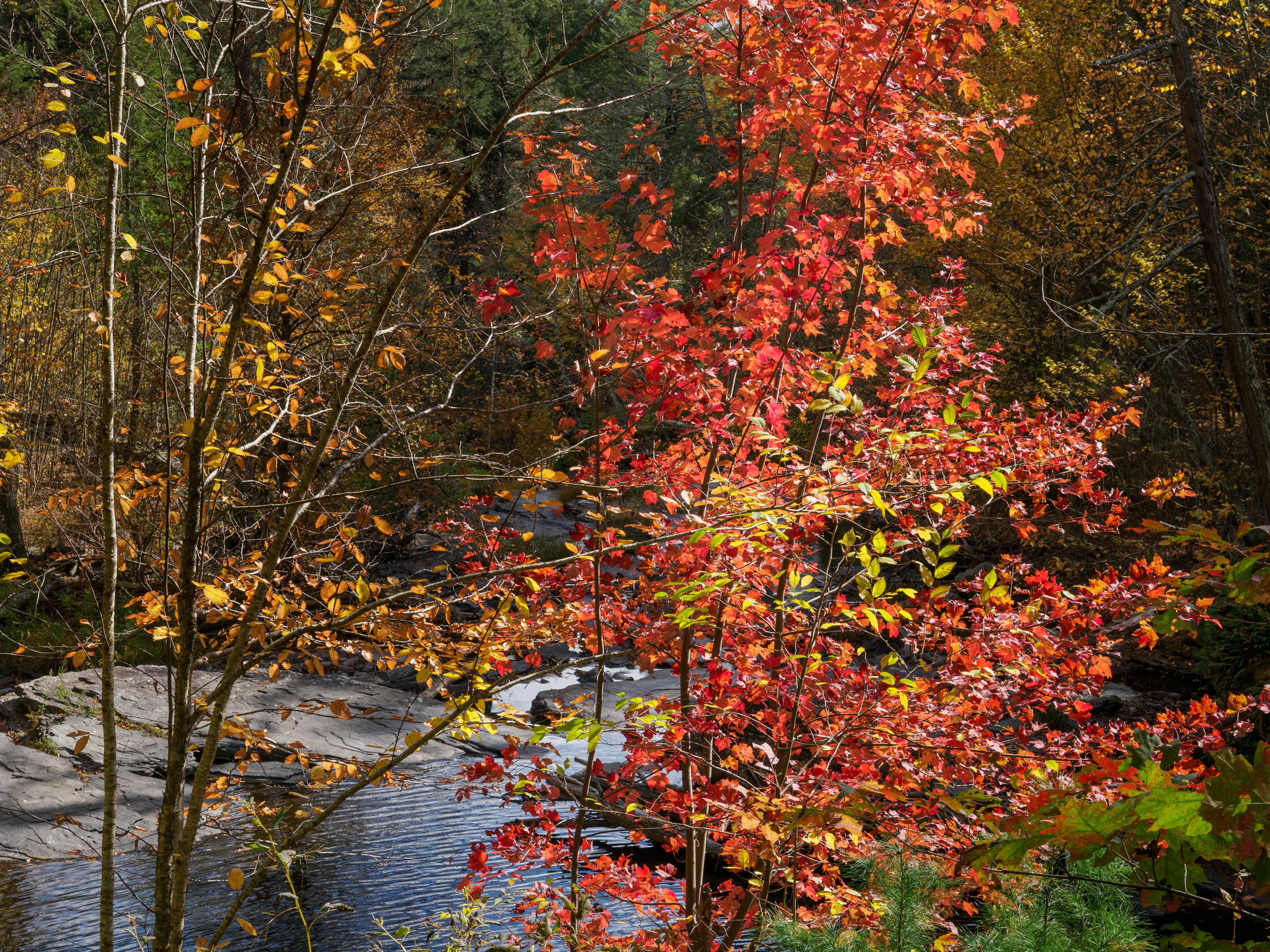
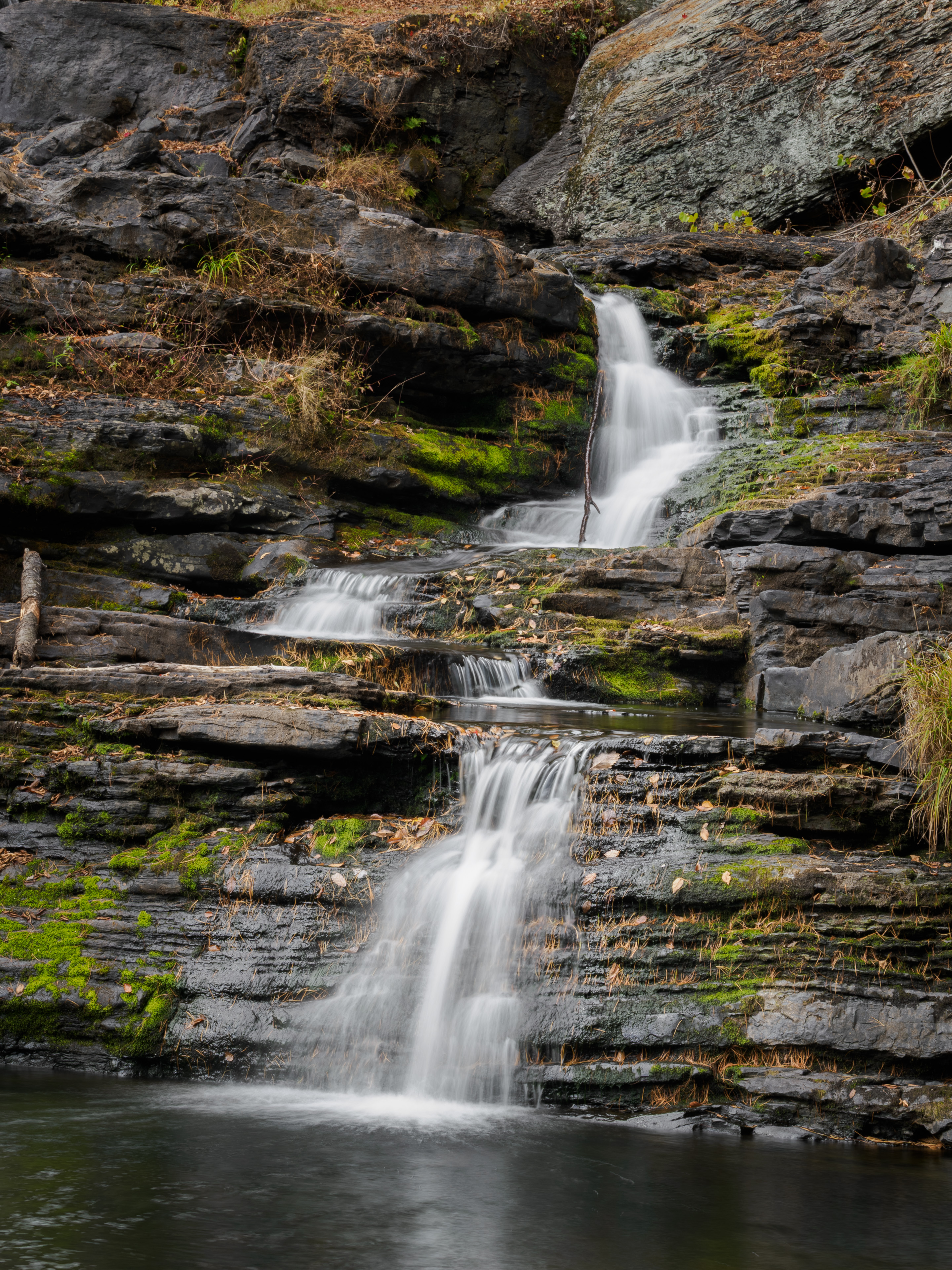
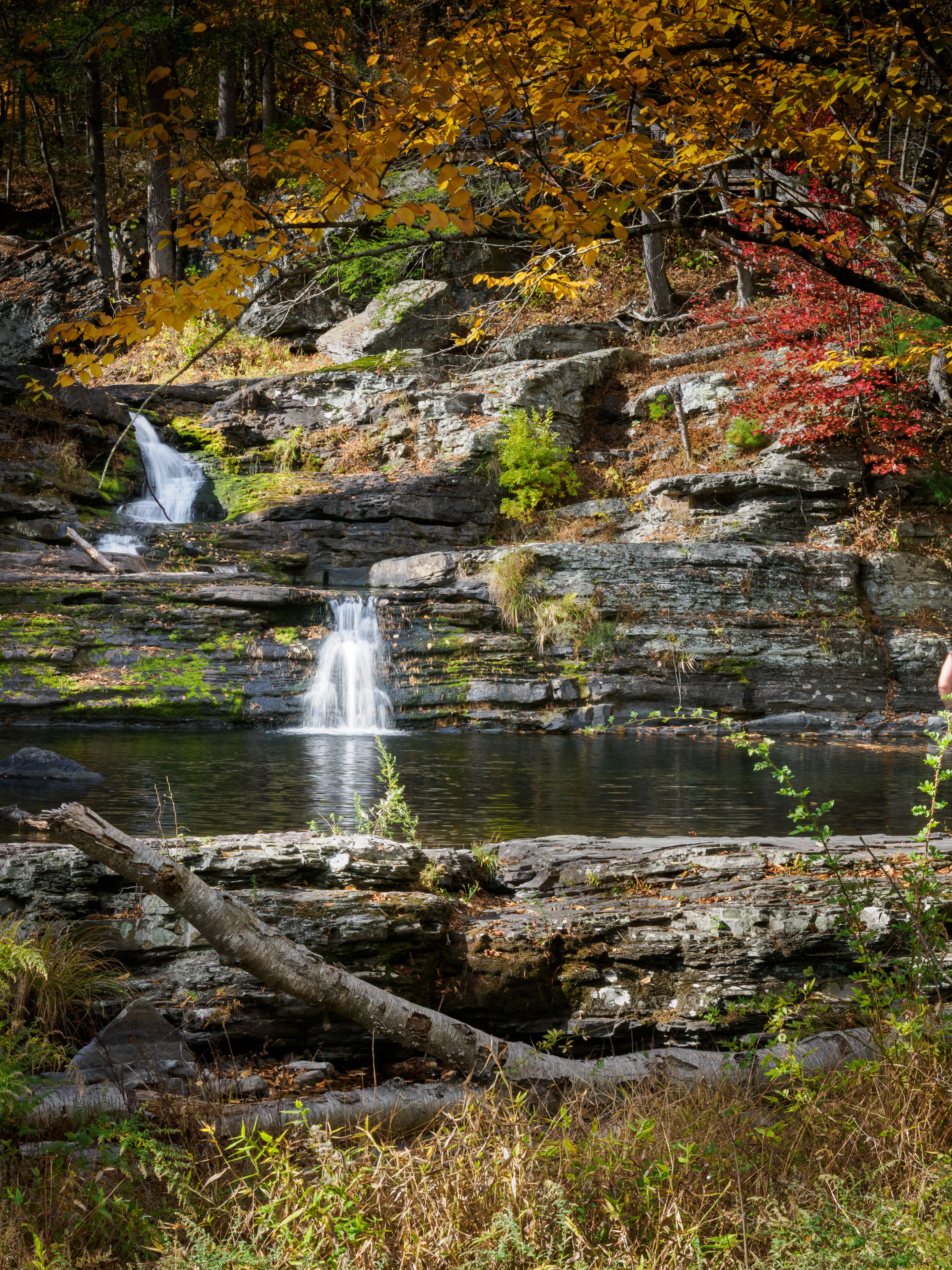
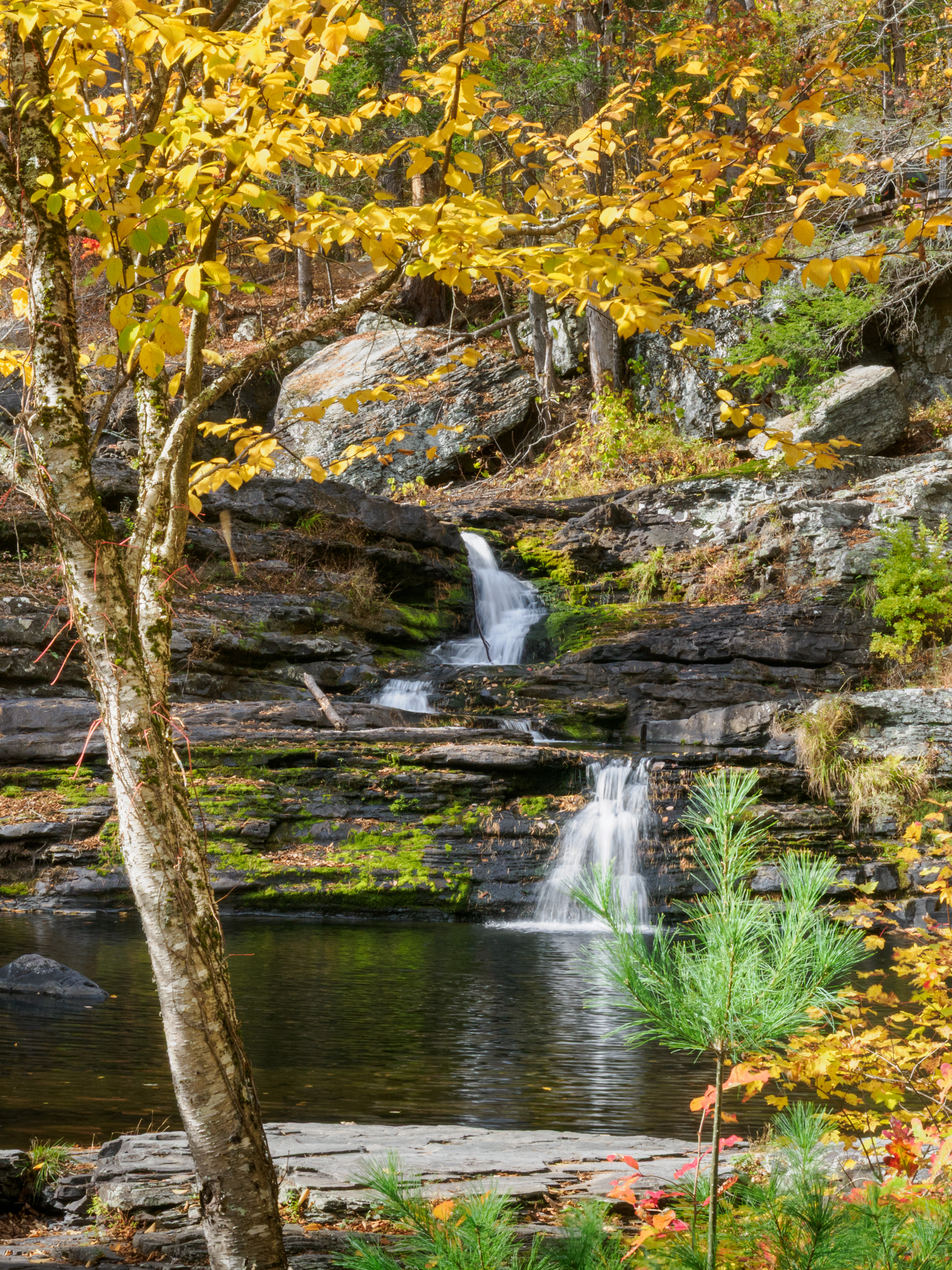
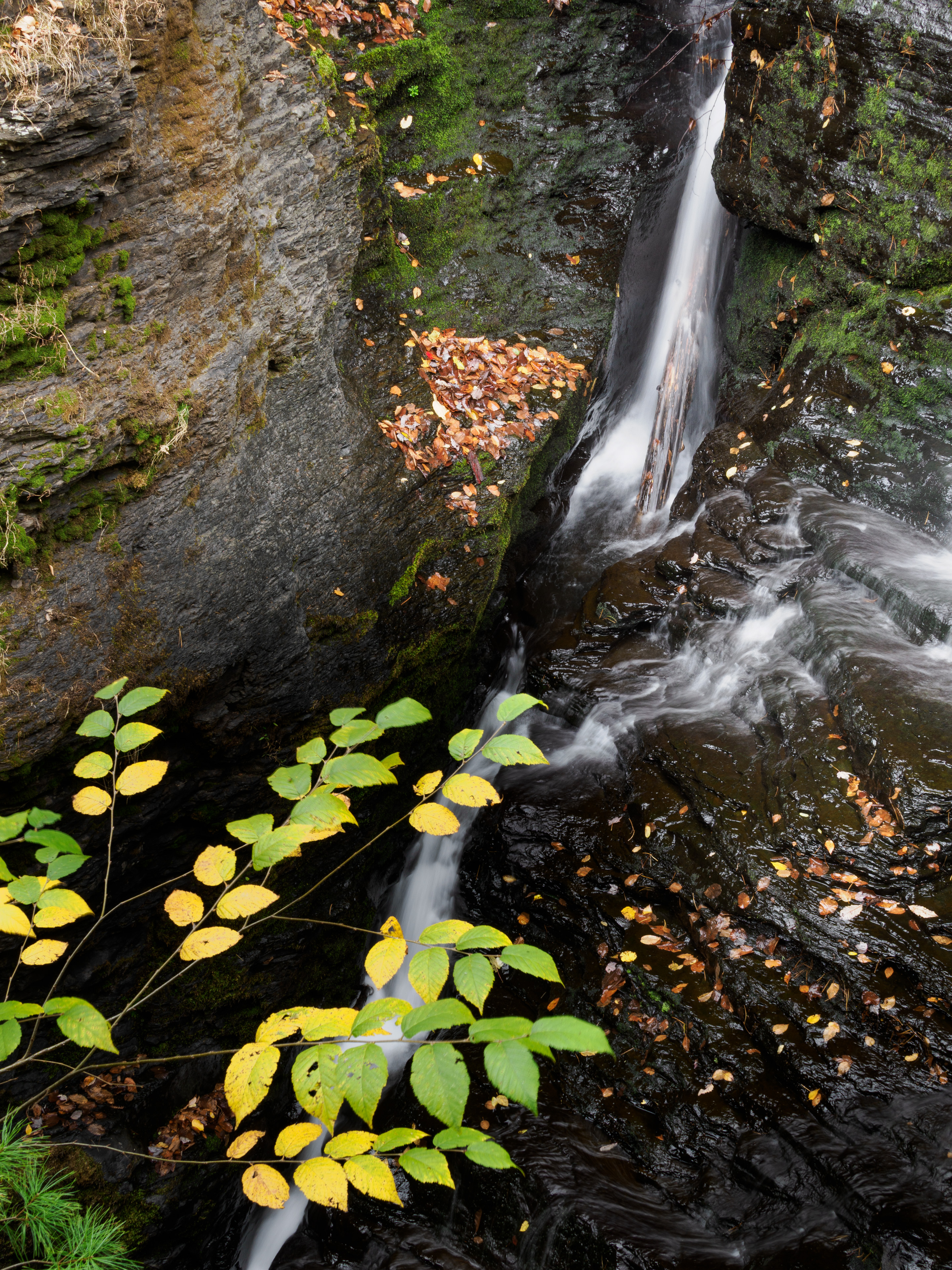
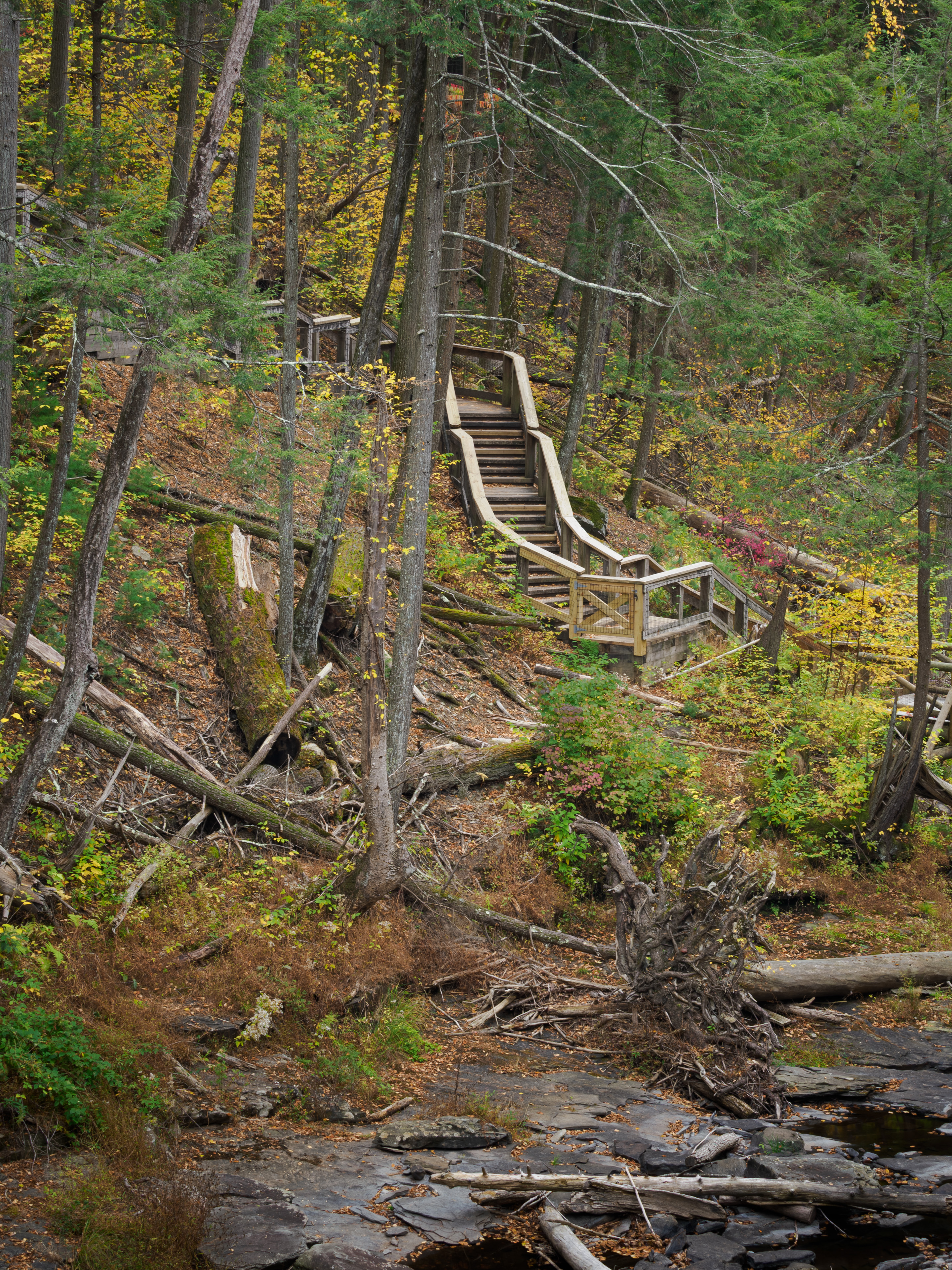
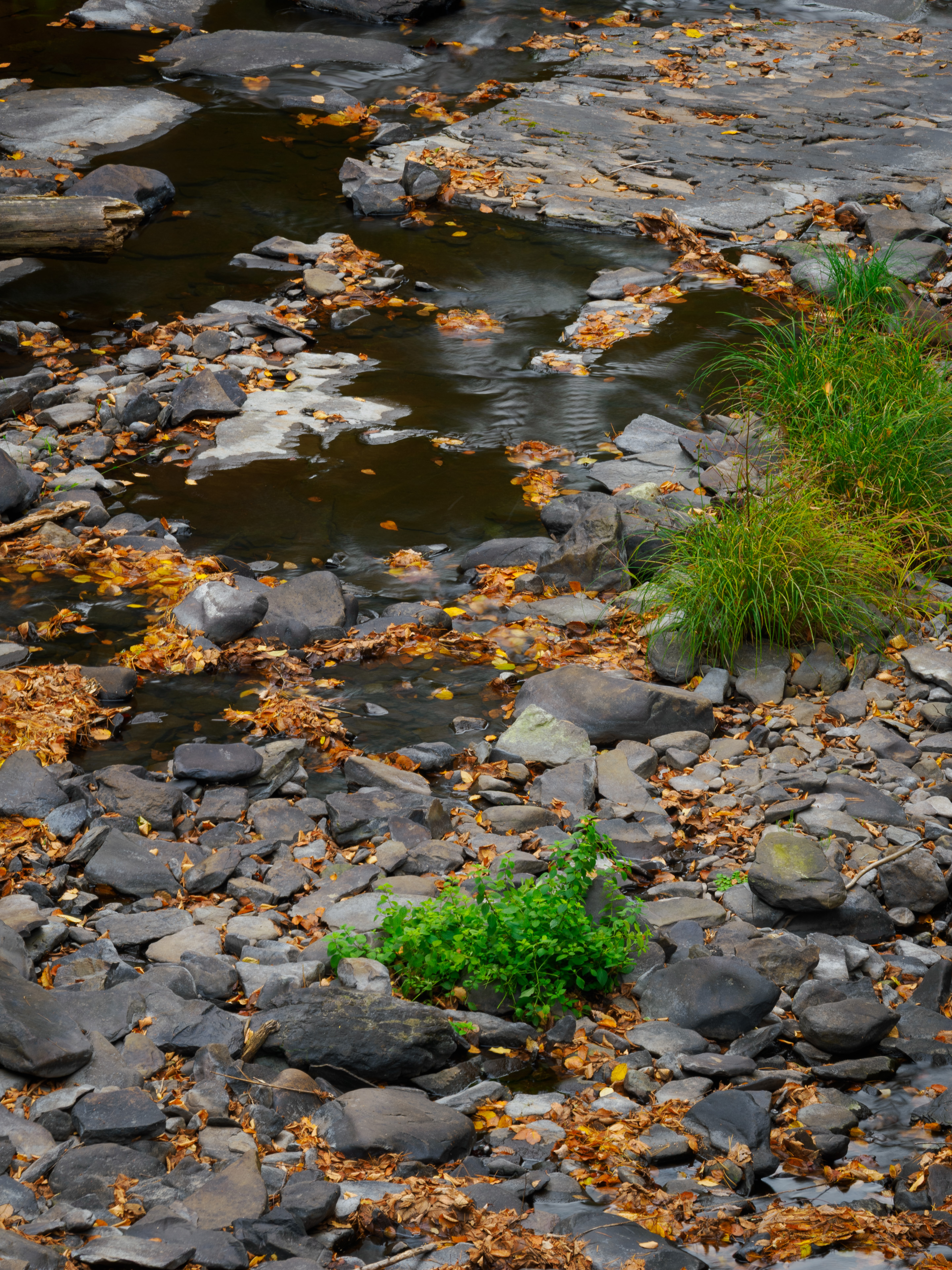
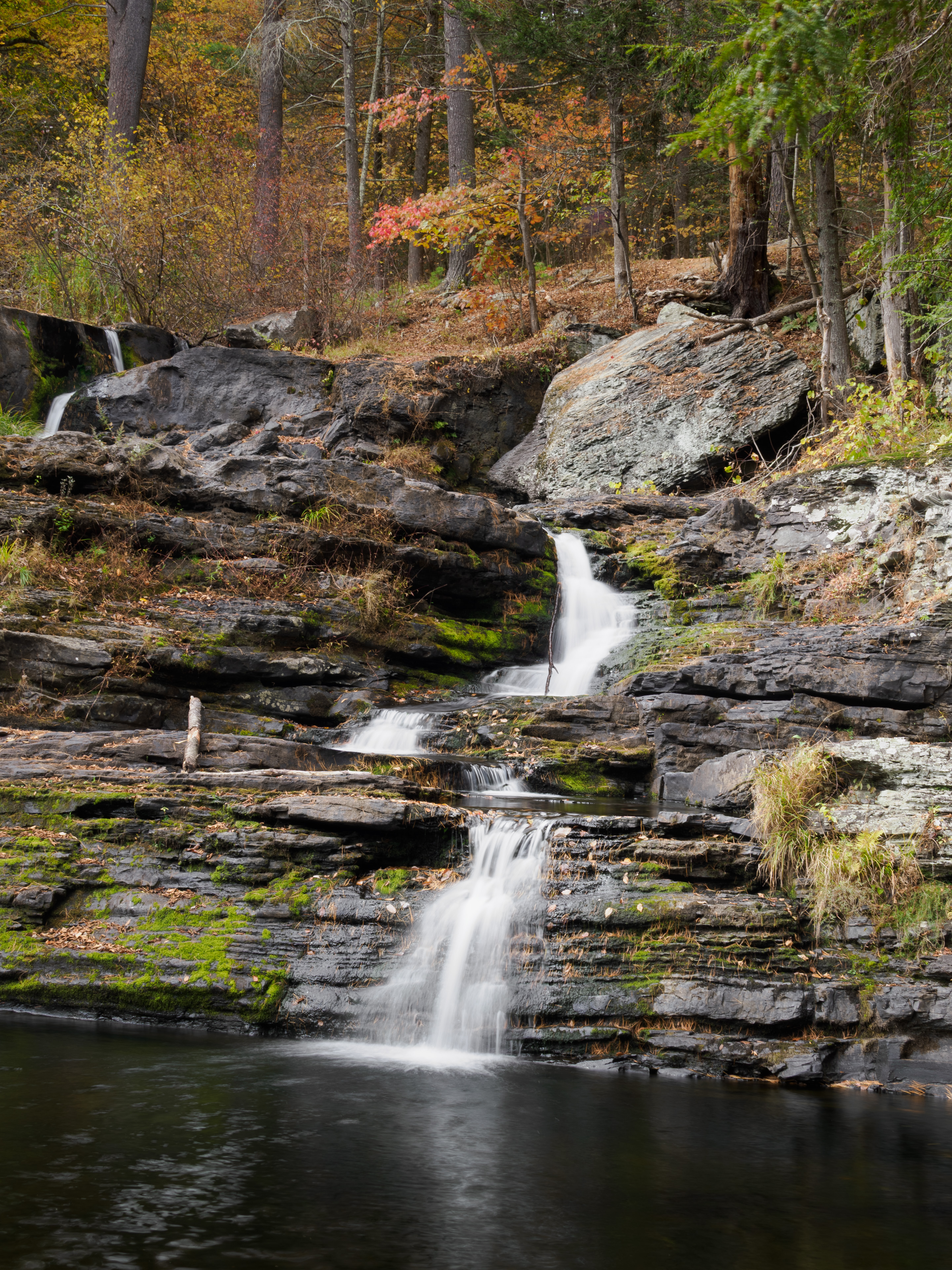
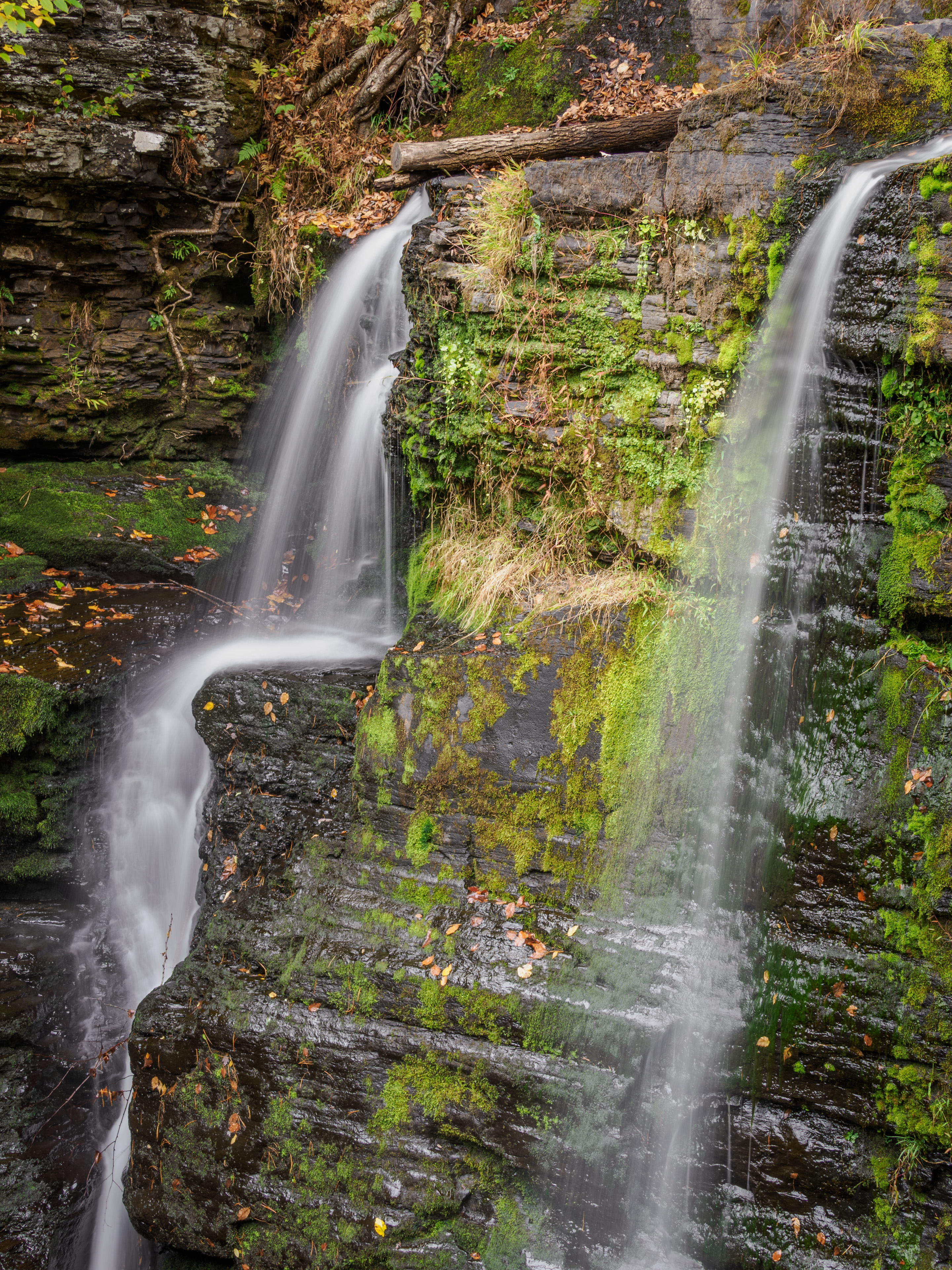
George W. Childs Park, part of the Delaware Water Gap National Recreation Area, was named after philanthropist George W. Childs, who purchased the land in 1892 to create a public park. His widow deeded the land to Pennsylvania in 1912. The park features expansive hemlock groves, cascading waterfalls, a picnic area, comfort facilities, and a short hiking trail. The site includes three main waterfalls: Factory Falls, Fulmer Falls, and Deer Leap Falls. Visitors must stay on the trail, and pets, swimming, and wading are not permitted. The trail follows Dingmans Creek through a lush ravine, past the ruins of a mill and structures built by the Civilian Conservation Corps. Factory Falls was once home to a woolen mill run by the Brooks family from 1823 to 1832. Fulmer Falls features a rustic pavilion built by the Civilian Conservation Corps, and Deer Leap Falls is the final waterfall on the trail.

What’s in Bob’s bag

  • OM1 Mark ll
  • OM-D E-M1 Mark Ill
  • M.Zuiko 7-14mm F2.8 Pro
  • M.Zuiko 12-40mm F2.8 Pro
  • M.Zuiko 12-100mm F2.8 Pro
  • M.Zuiko 40-150mm F2.8 Pro
  • OM 100-400mm F5.0-6.3 II Lens
  • M.Zuiko ED 300mm F4.0 IS Pro
  • M.Zuiko Digital 1.4x Teleconverter MC-14
  • M.Zuiko Digital 2X Teleconverter MC-20
  • M.Zuiko ED 8mm F1.8 Fisheye Pro
  • M.Zuiko ED 60mm f2.8 Macro
  • M.Zuiko ED 20mm f/1.4 Pro
  • M.Zuiko ED 45mm f/1.2 Pro
  • Manfrotto MHXPRO-BHQ2 XPRO Ball Head
  • Manfrotto 265CB CF Tripod
  • Manfrotto 290 Carbon Fiber Monopod
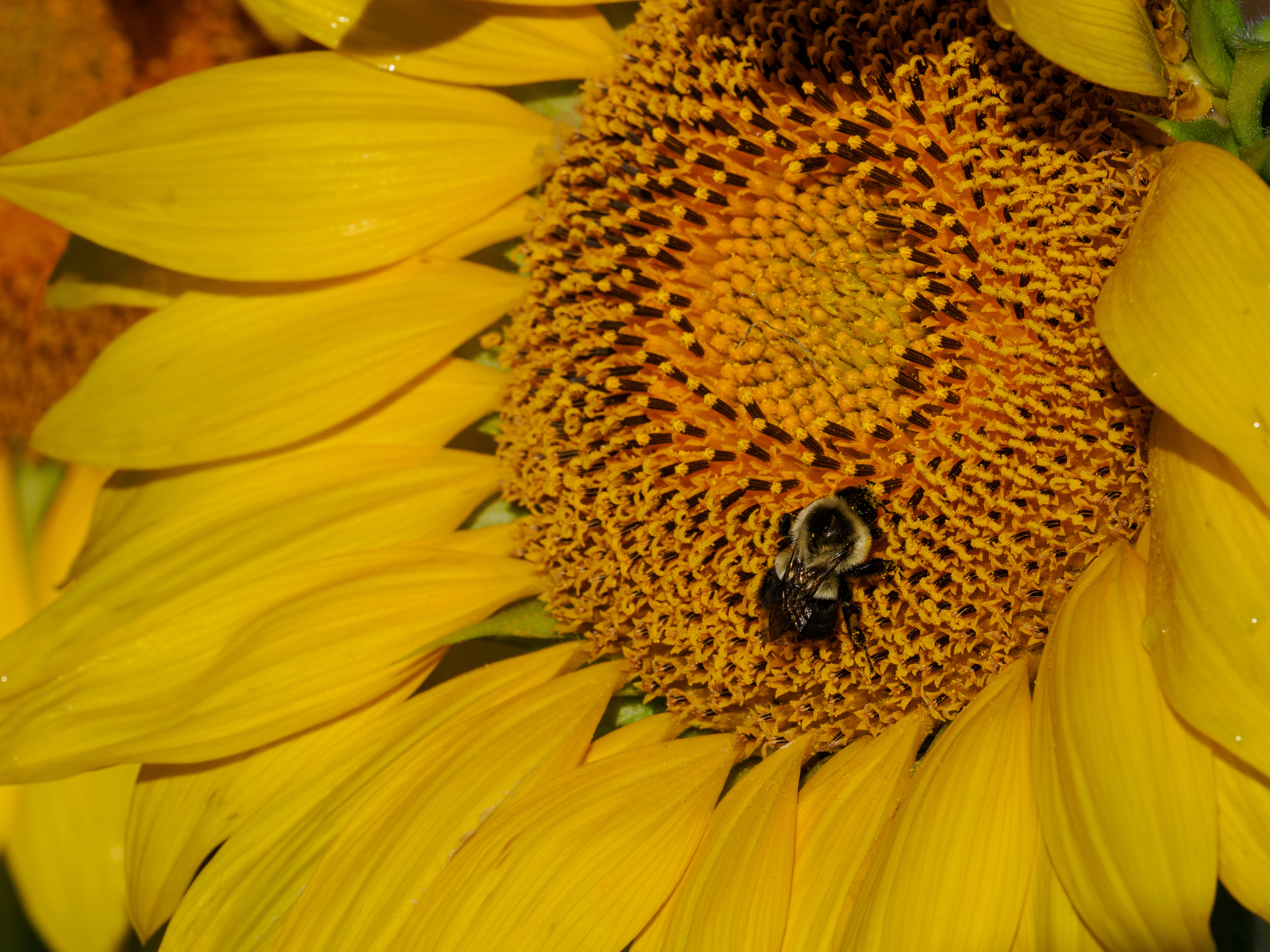
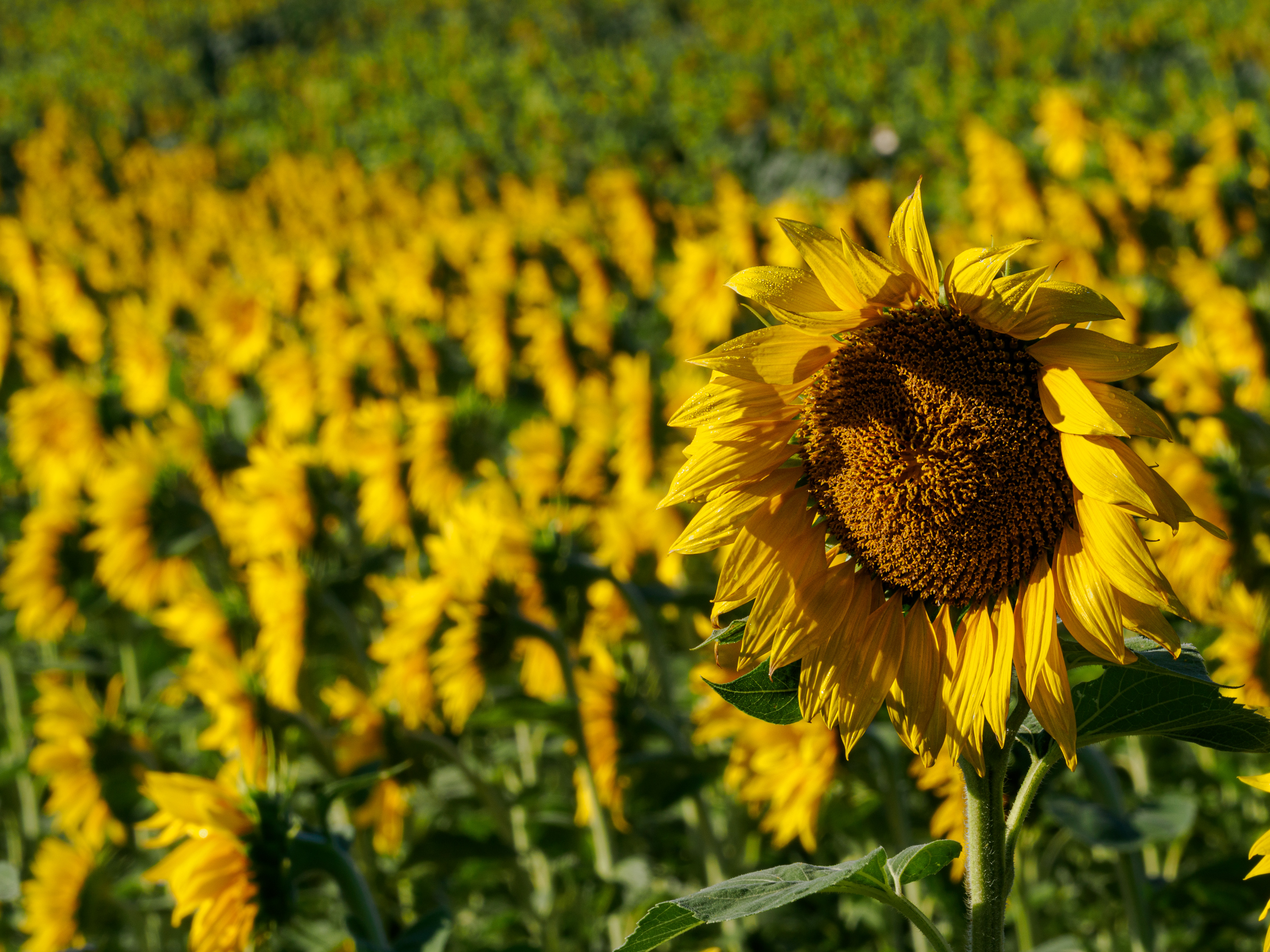
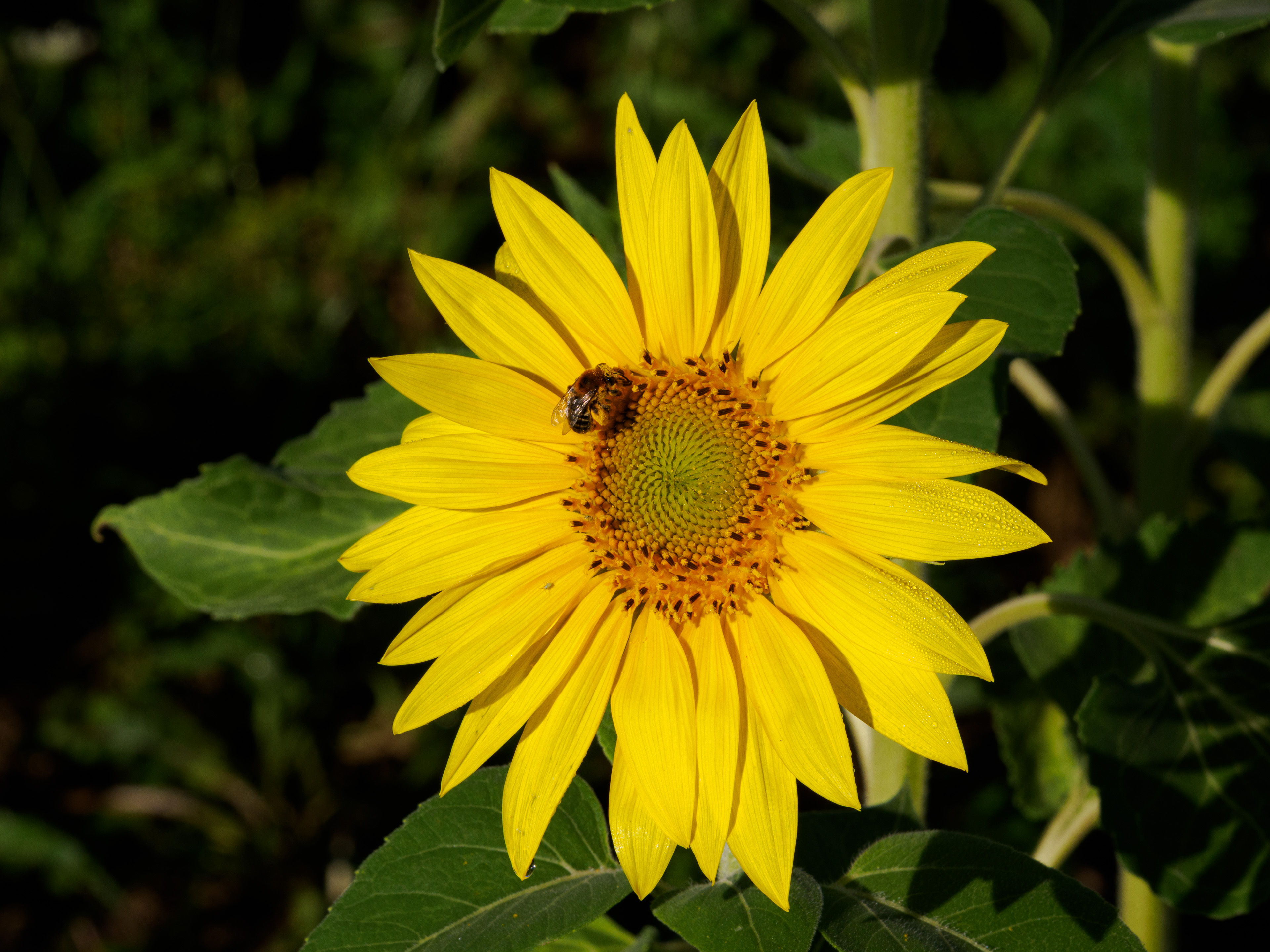
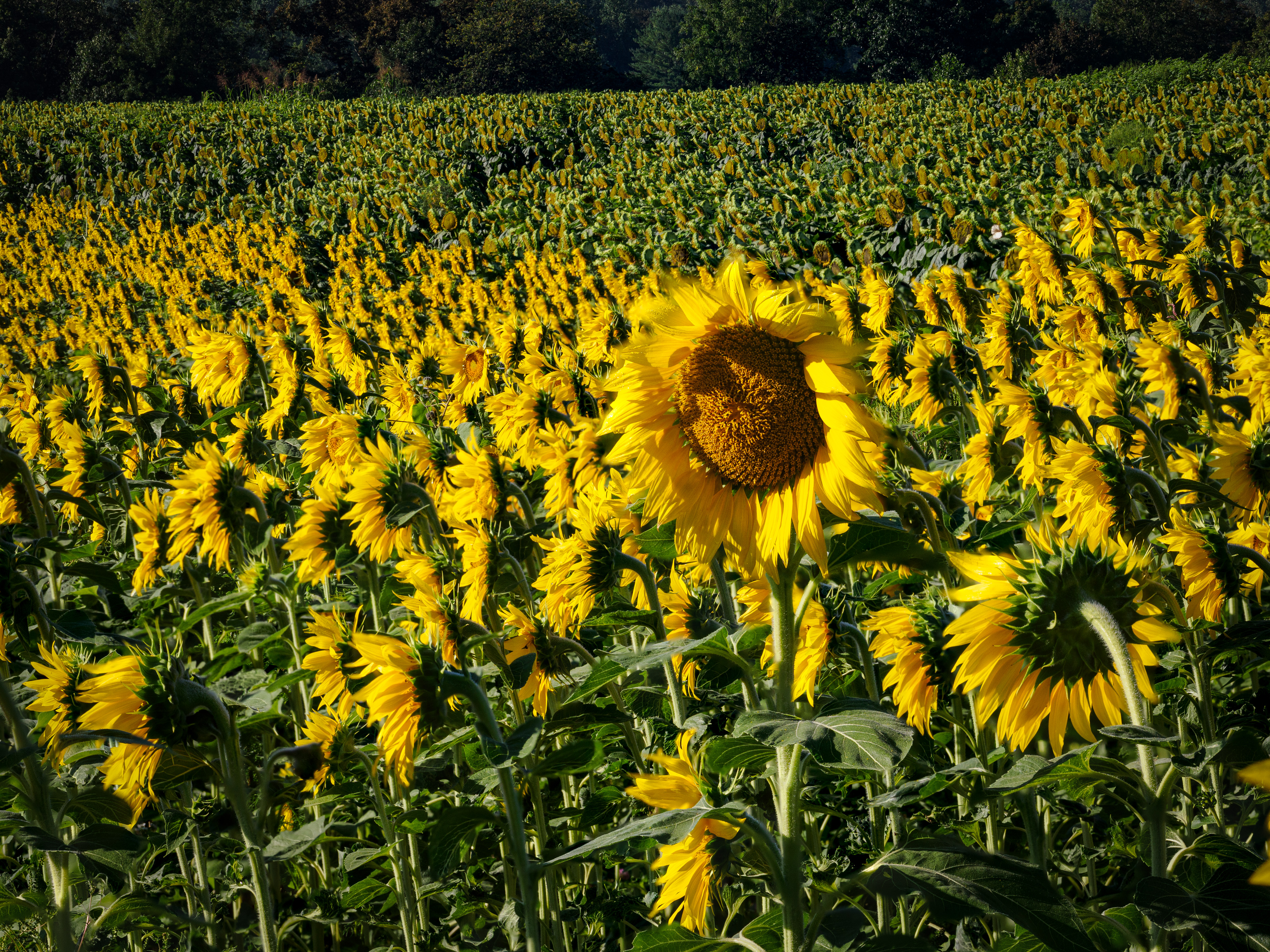
Sunflower Garden

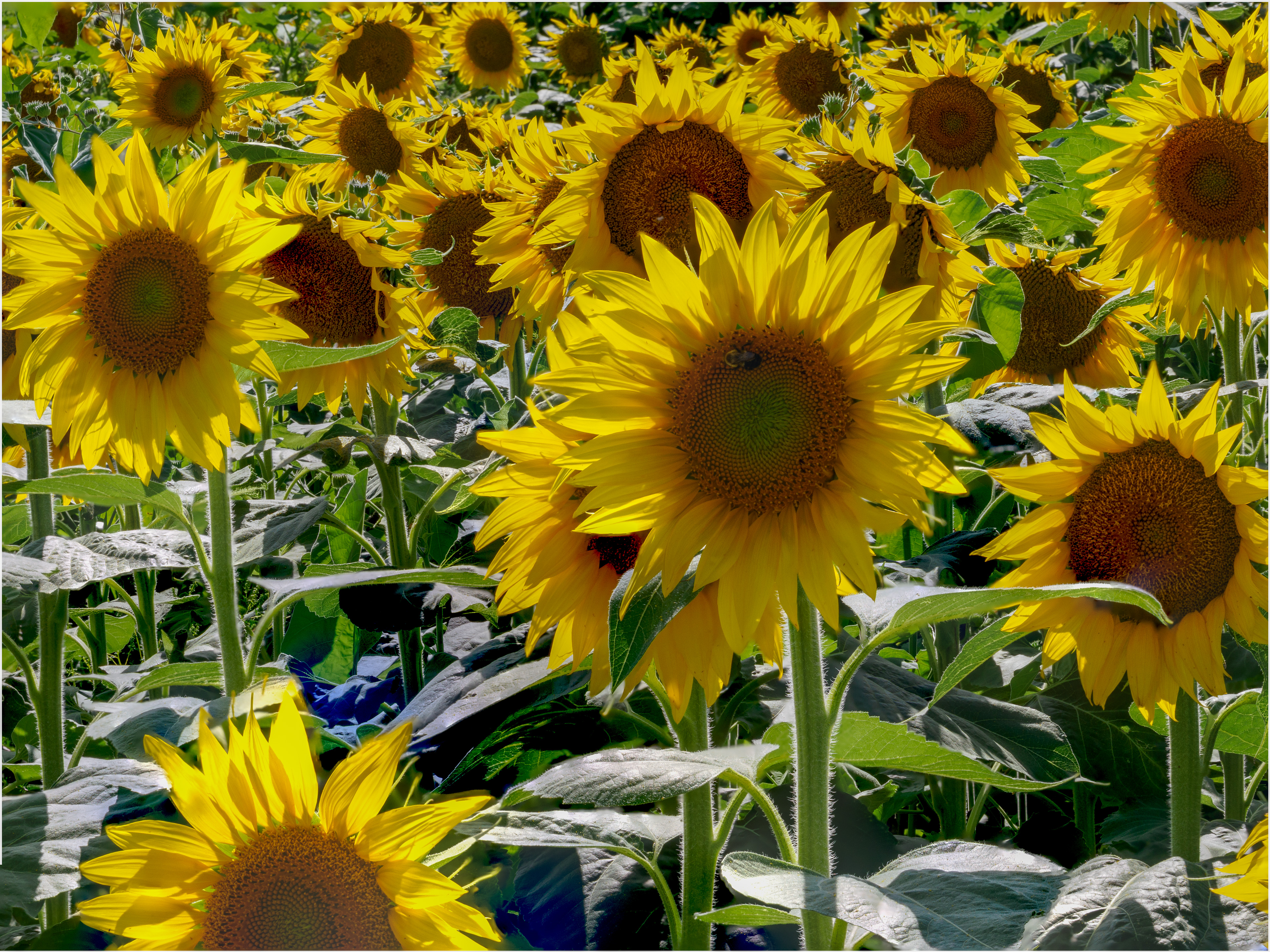
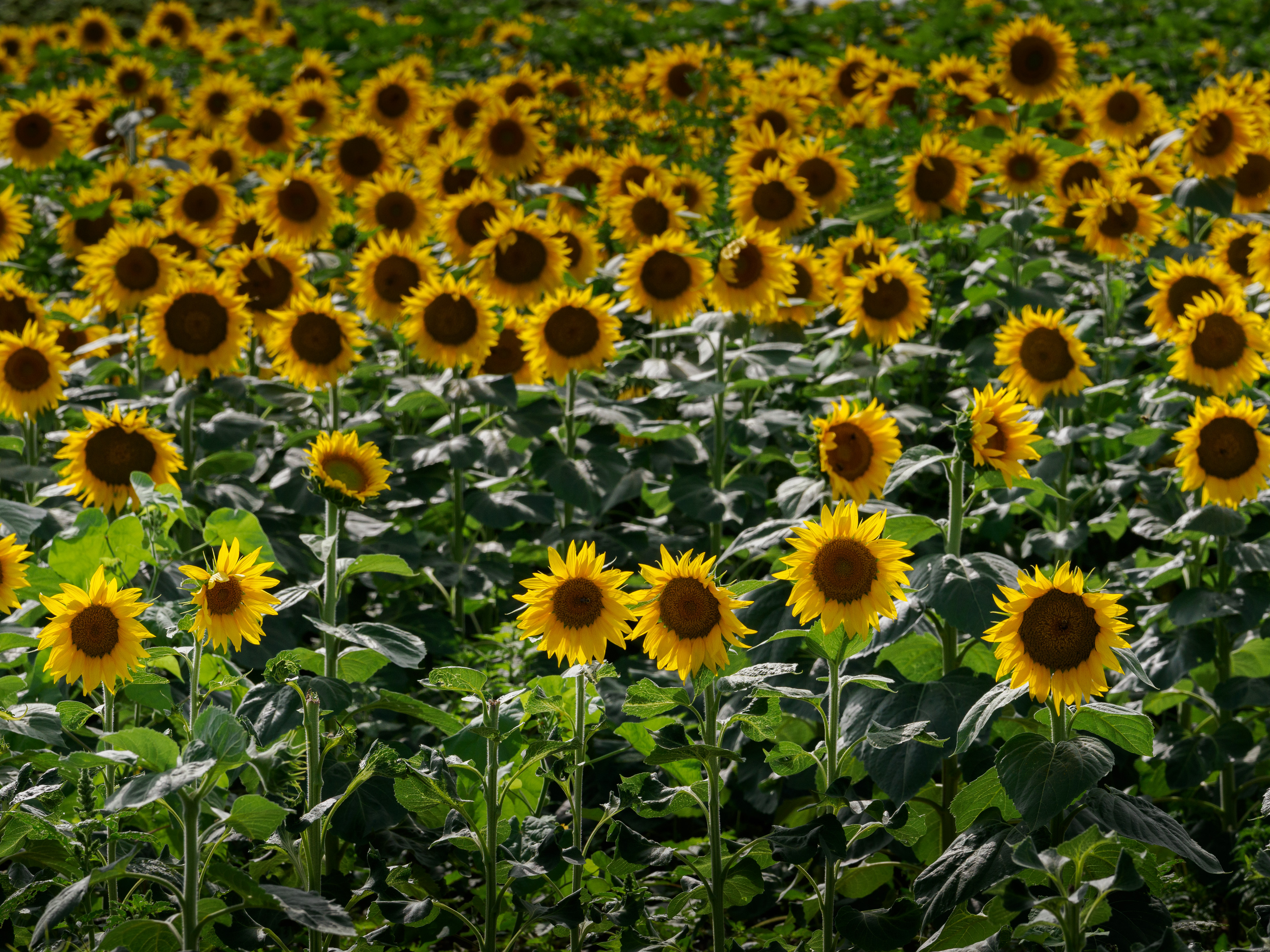
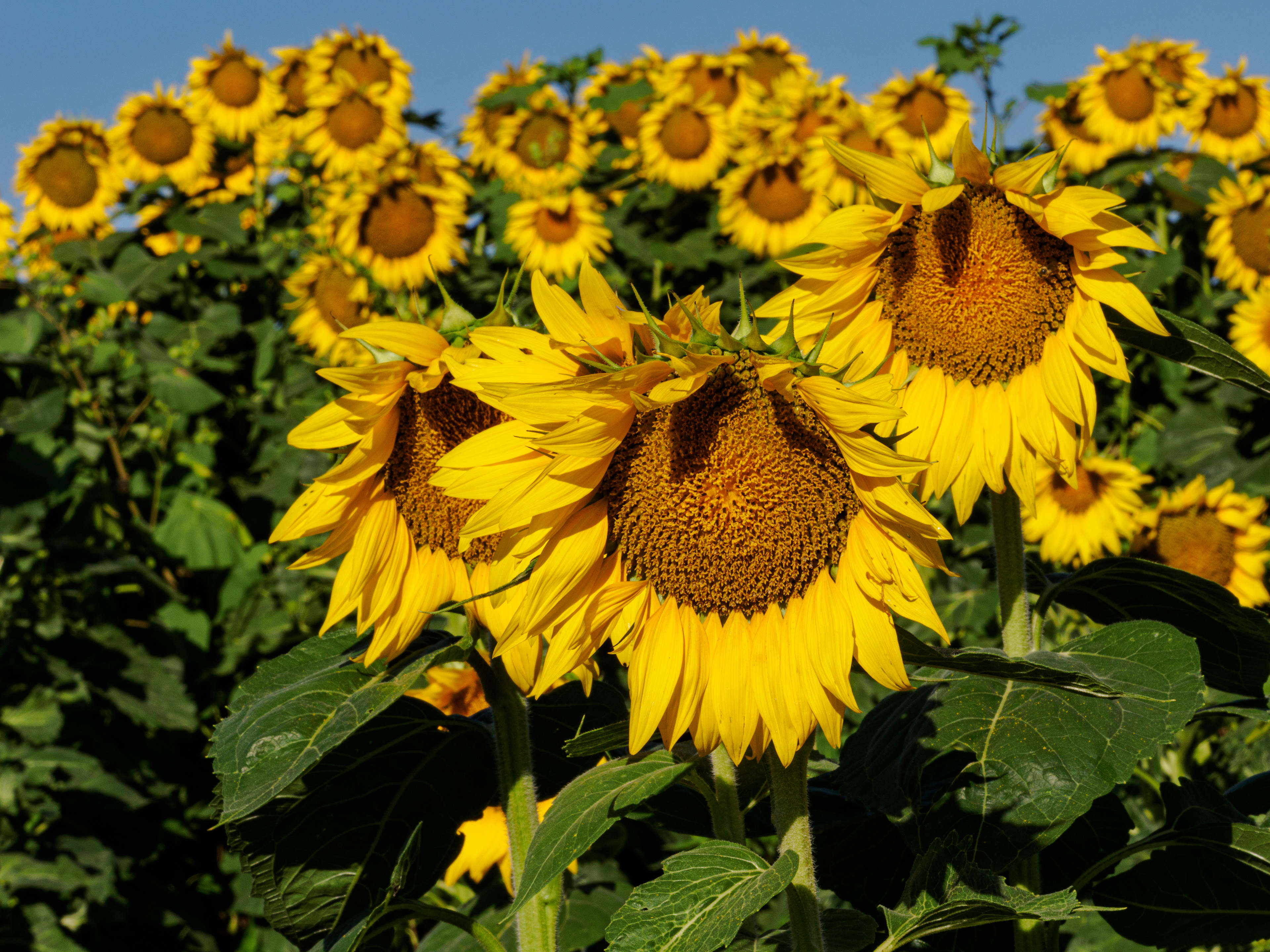
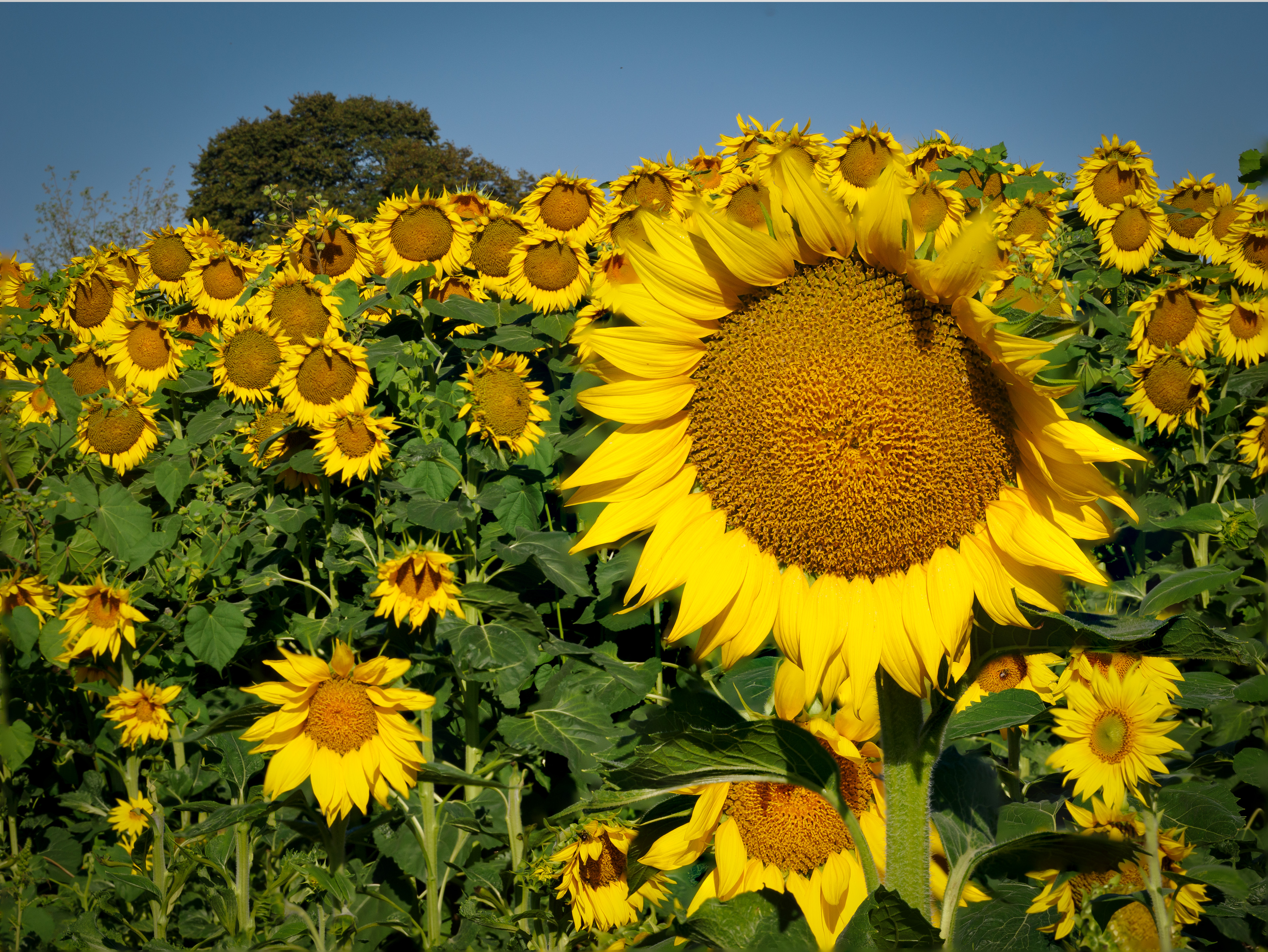
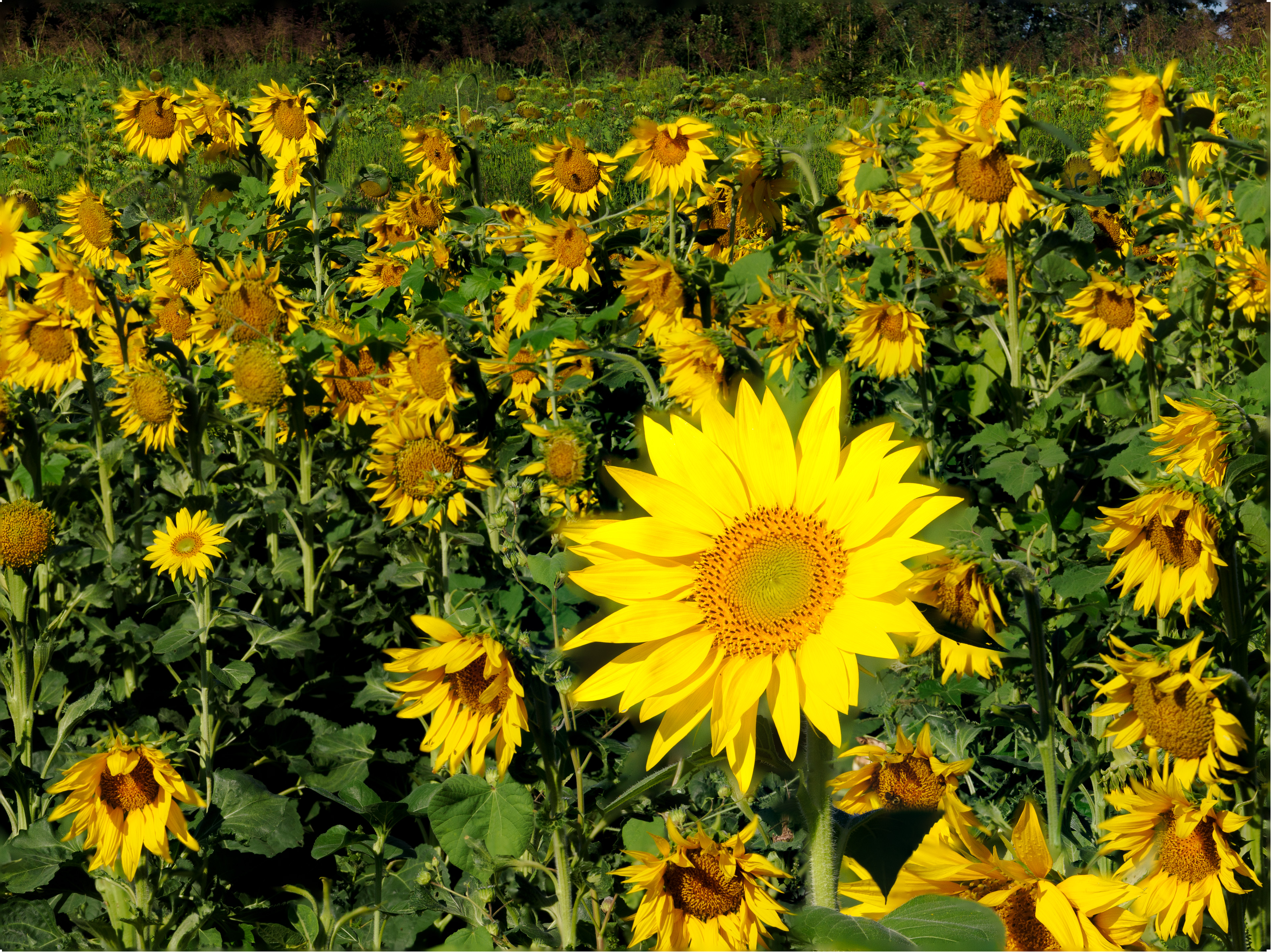
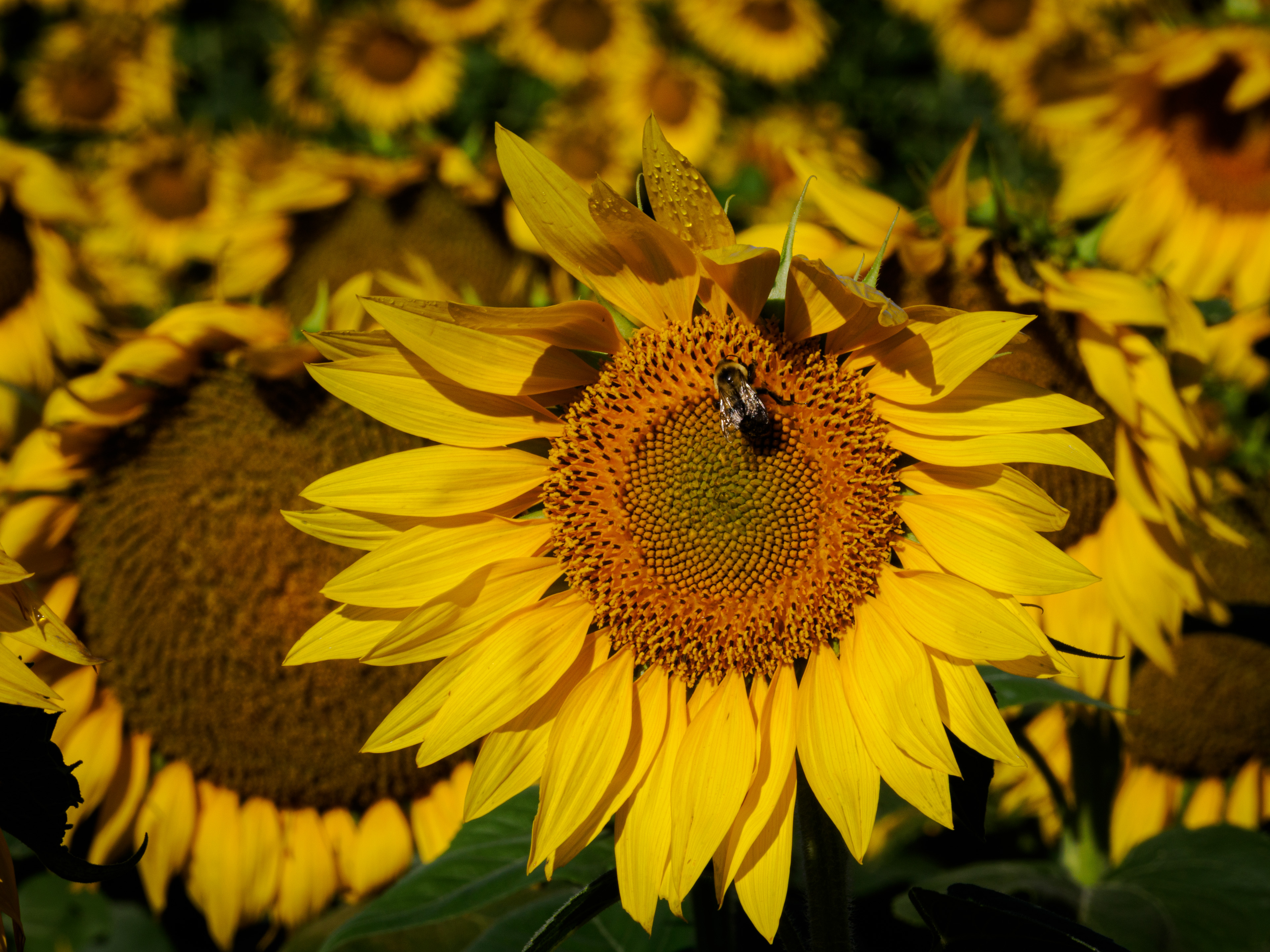
St. Luke’s Arboretum & Gardens of St. Luke’s University Health Network was established in 2020 to foster connections between plants, people, and the community. It functions as a peaceful space where patients, visitors, and staff can enjoy nature, relax, and find comfort. The arboretum features a diverse collection of trees, plants, walking paths, and benches that create a serene environment supportive of healing and well-being. St. Luke’s Arboretum spans approximately 92 acres around St. Luke’s Anderson Campus. Of this, 56 acres are dedicated to seasonal flowers, including cosmos, canola, and crimson clover. The most popular flower field is the 8-acre sunflower field, which blooms every late summer.

The sunflower garden at St. Luke’s University Hospital Anderson Campus is a beautiful sight, bursting into bloom from late July. It features lovely pathways that meander through the field, allowing visitors to get a close-up look at the vibrant flowers, along with cozy benches to sit and enjoy the view.

Full-grown sunflowers face east and stay fixed, often backlit by the sun, creating a picturesque scene.

What’s in Bob’s bag

  • OM1 Mark ll
  • OM-D E-M1 Mark Ill
  • M.Zuiko 40-150mm F2.8 Pro
  • M.Zuiko ED 300mm F4.0 IS Pro
  • M.Zuiko Digital 1.4x Teleconverter MC-14
  • M.Zuiko Digital 2X Teleconverter MC-20
  • M.Zuiko 12-40mm F2.8 Pro
  • M.Zuiko 7-14mm F2.8 Pro
  • M.Zuiko ED 8mm F1.8 Fisheye Pro
  • M.Zuiko ED 12-100mm f4.0 IS Pro
  • M.Zuiko ED 45mm f/1.2
  • M.Zuiko ED 20mm f/1.4
  • M.Zuiko ED 60mm f2.8 Macro
  • M.Zuiko ED 20mm f/1.4 Pro
  • M.Zuiko ED 45mm f/1.2 Pro
  • Manfrotto MHXPRO-BHQ2 XPRO Ball Head
  • Manfrotto 265CB CF Tripod
  • Manfrotto 290 Carbon Fiber Monopod
Steamtown National Historic Site

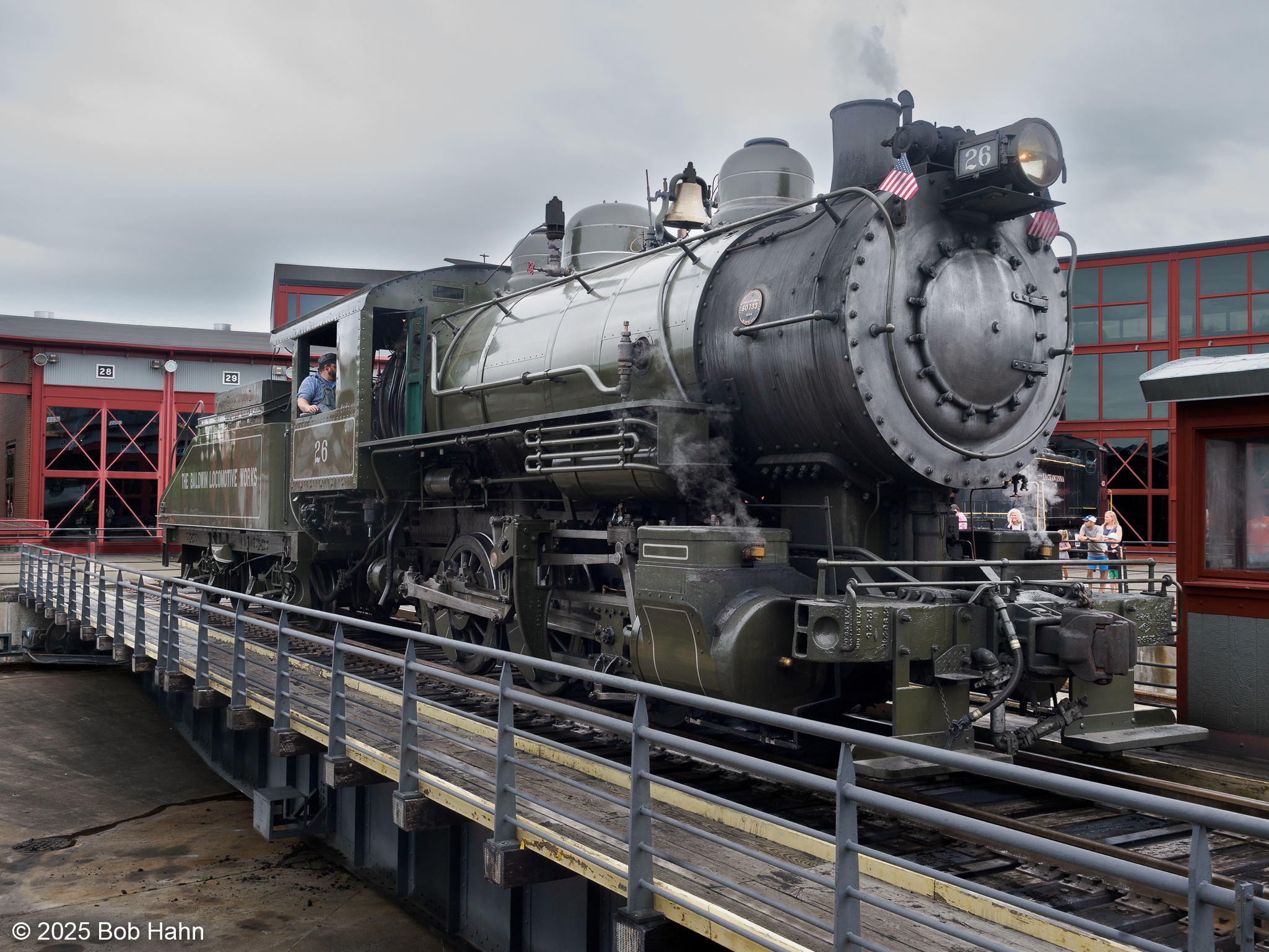
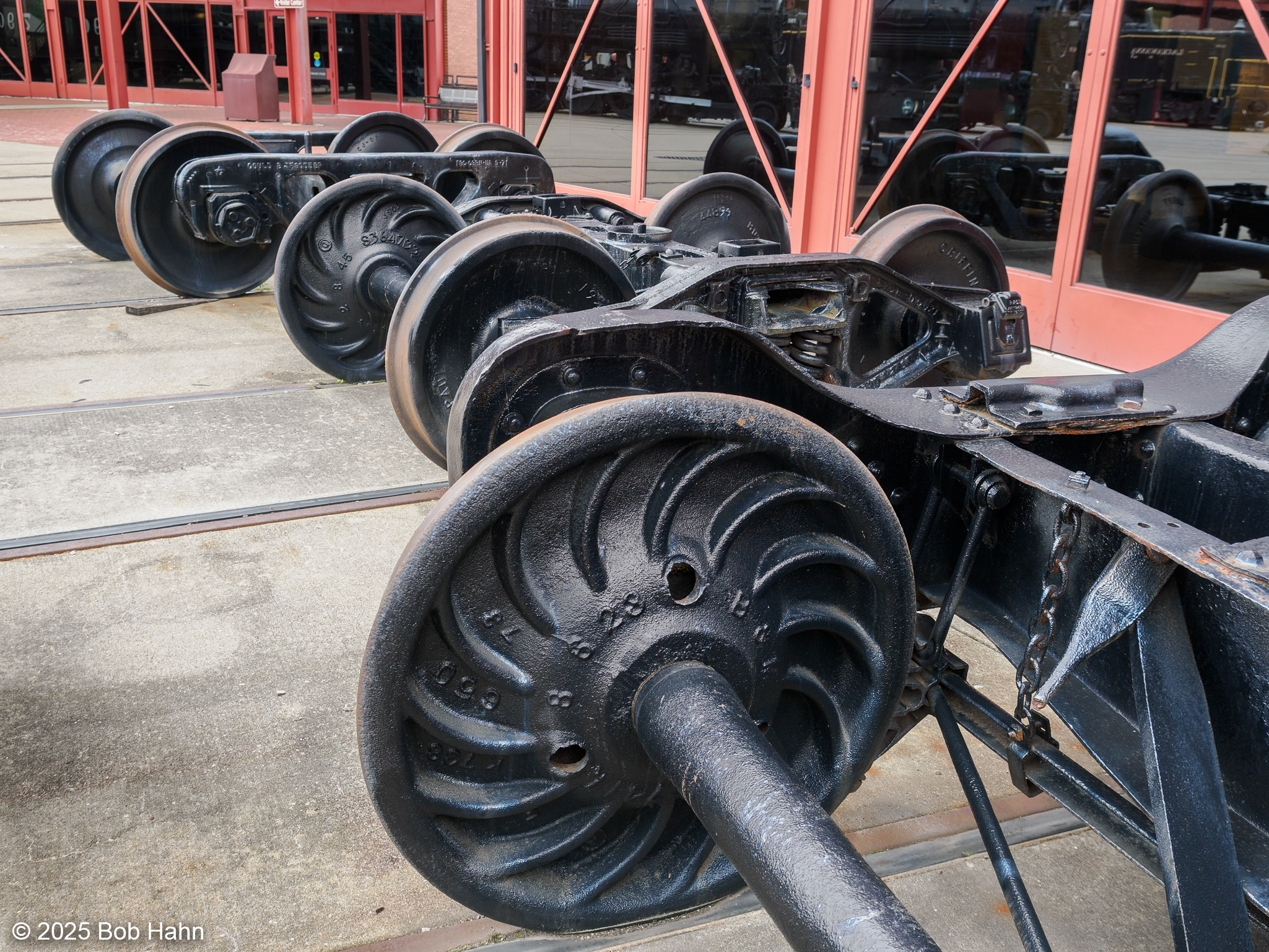
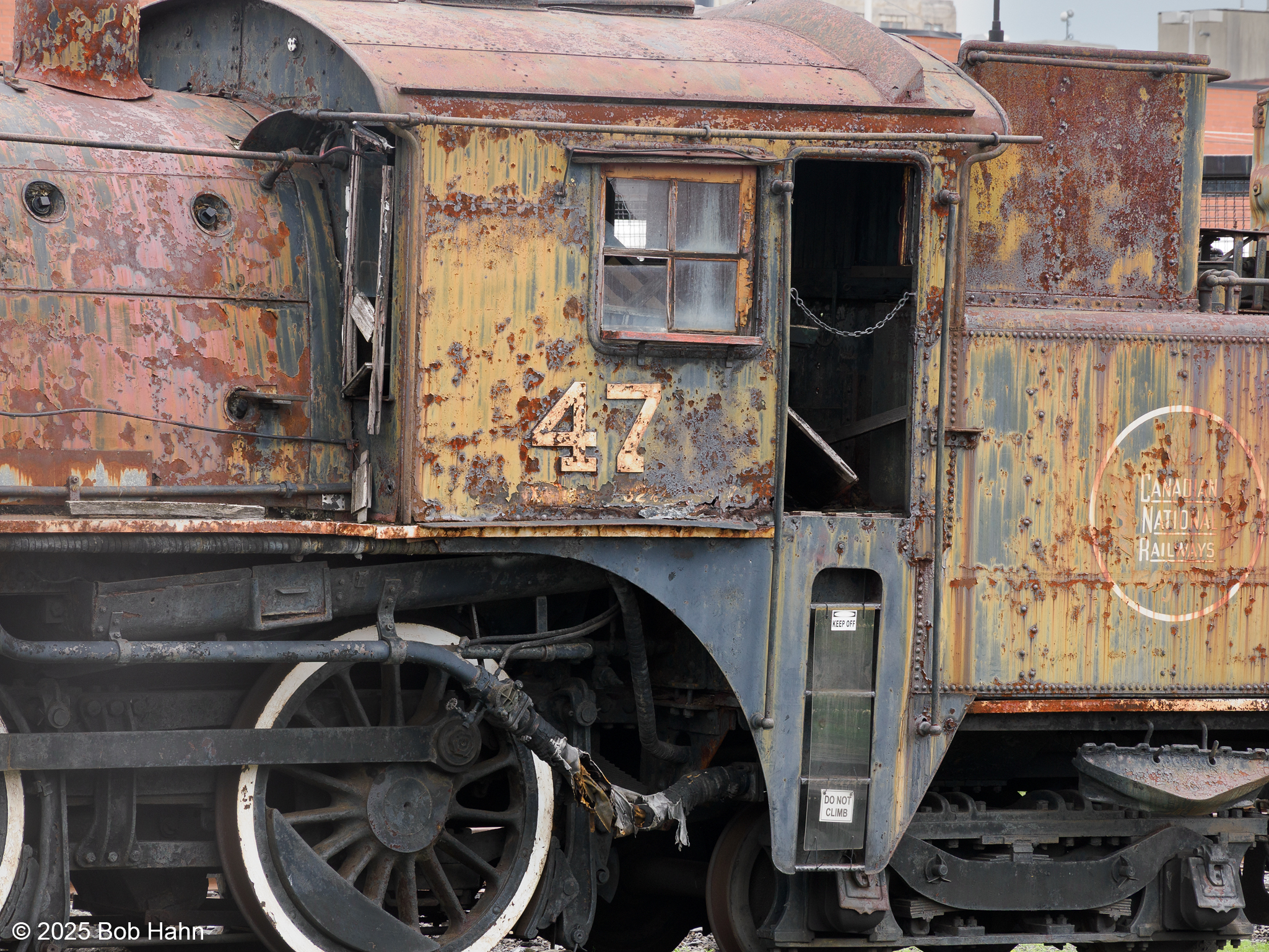
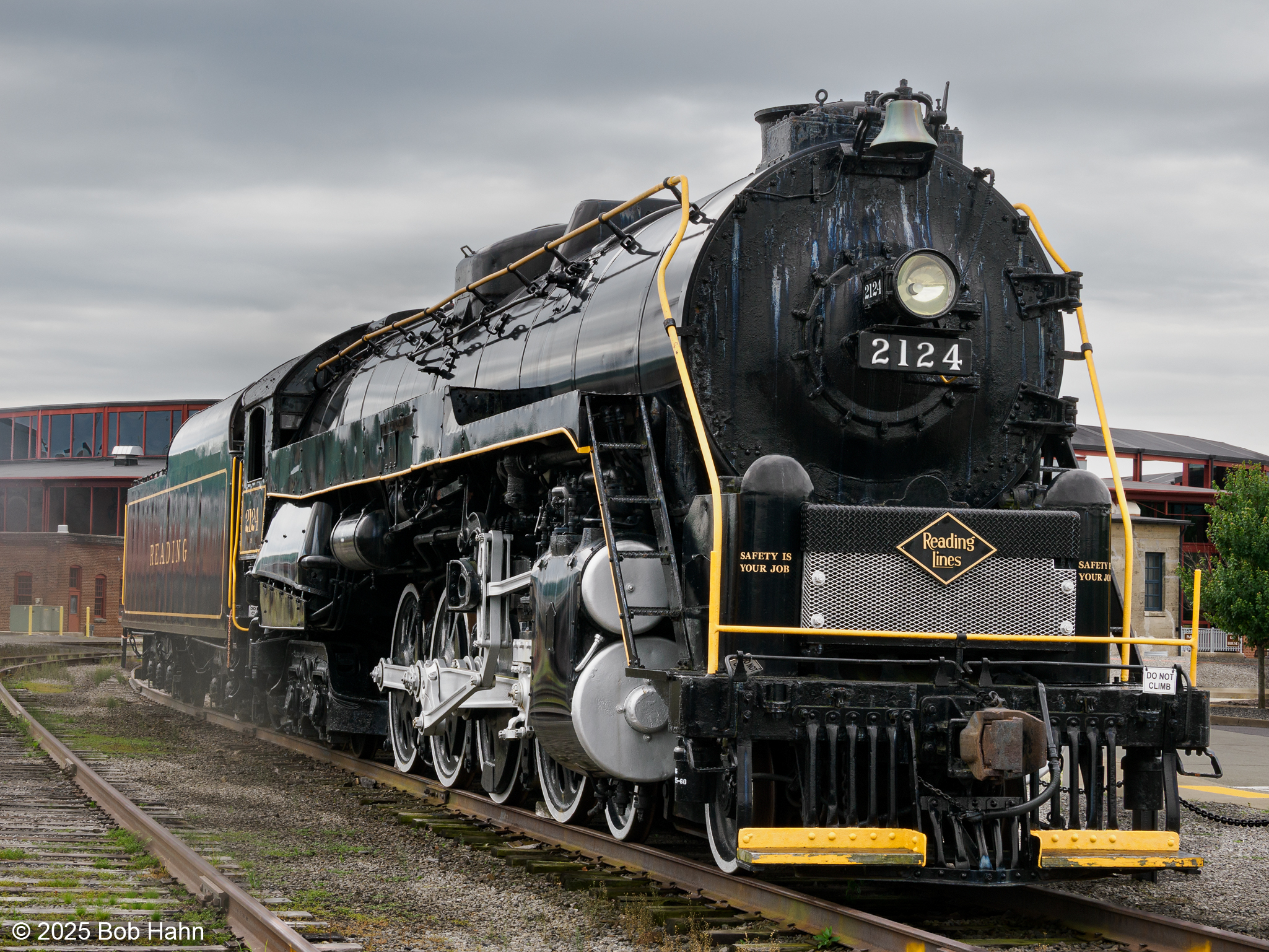
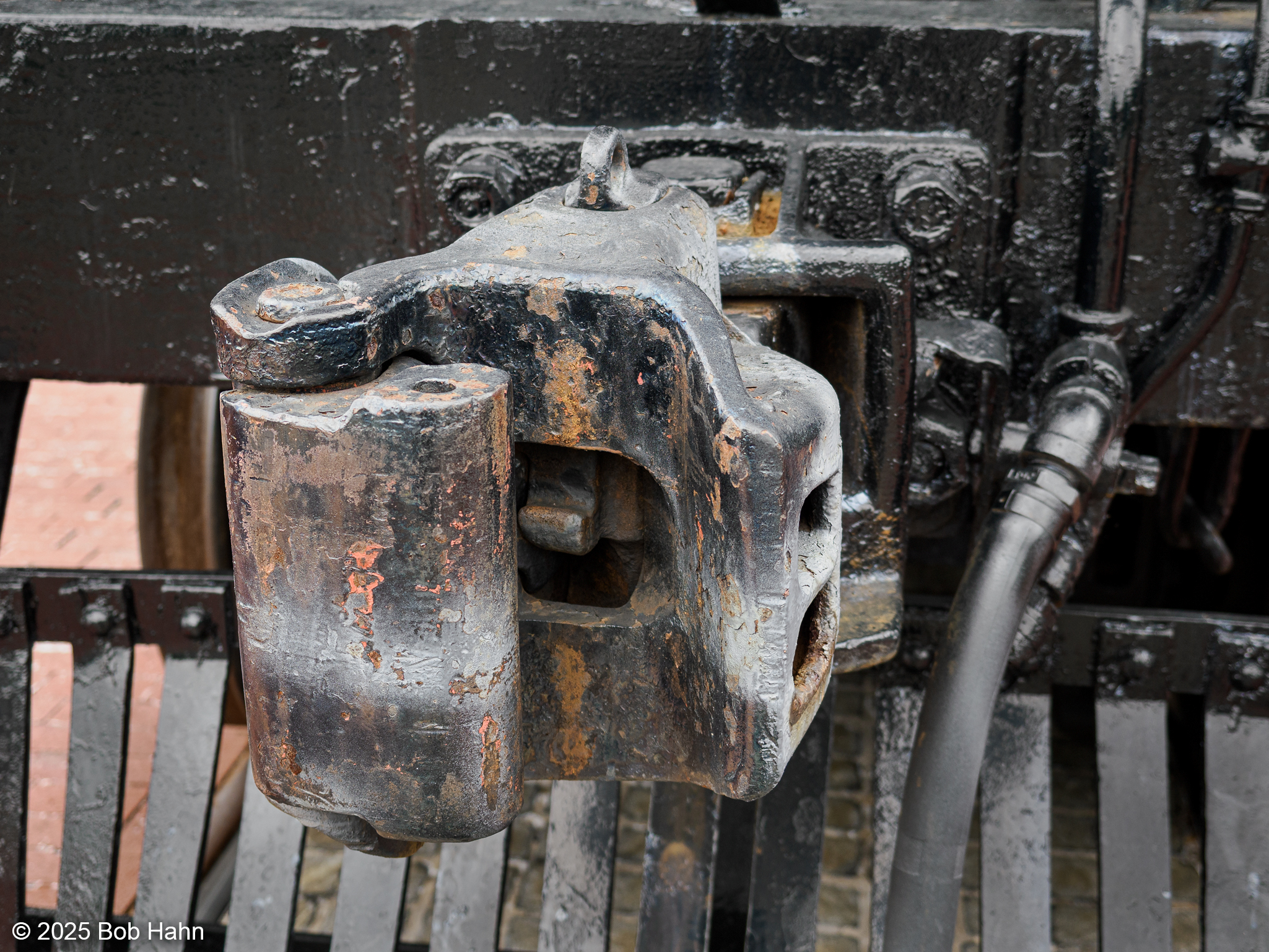
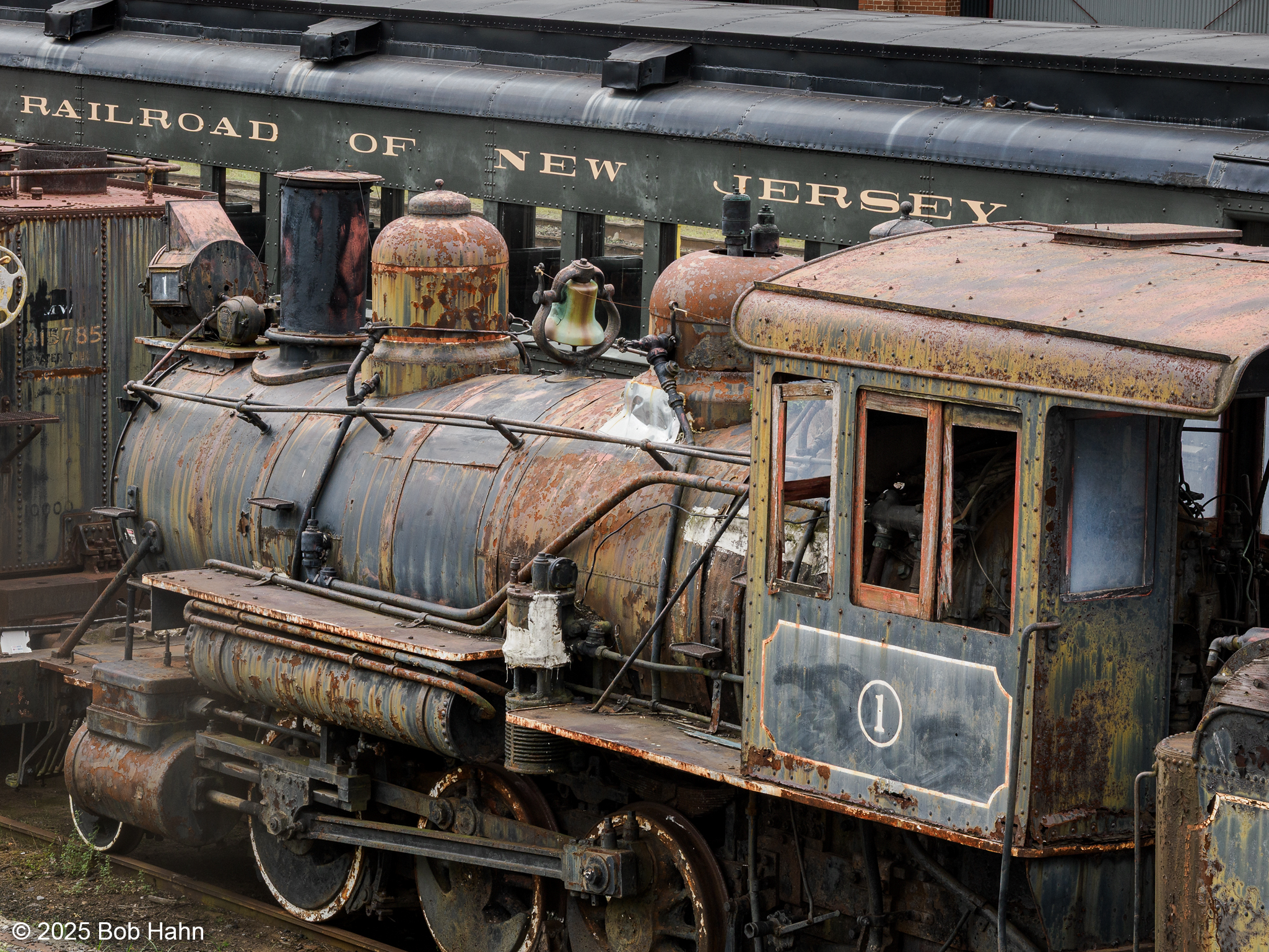
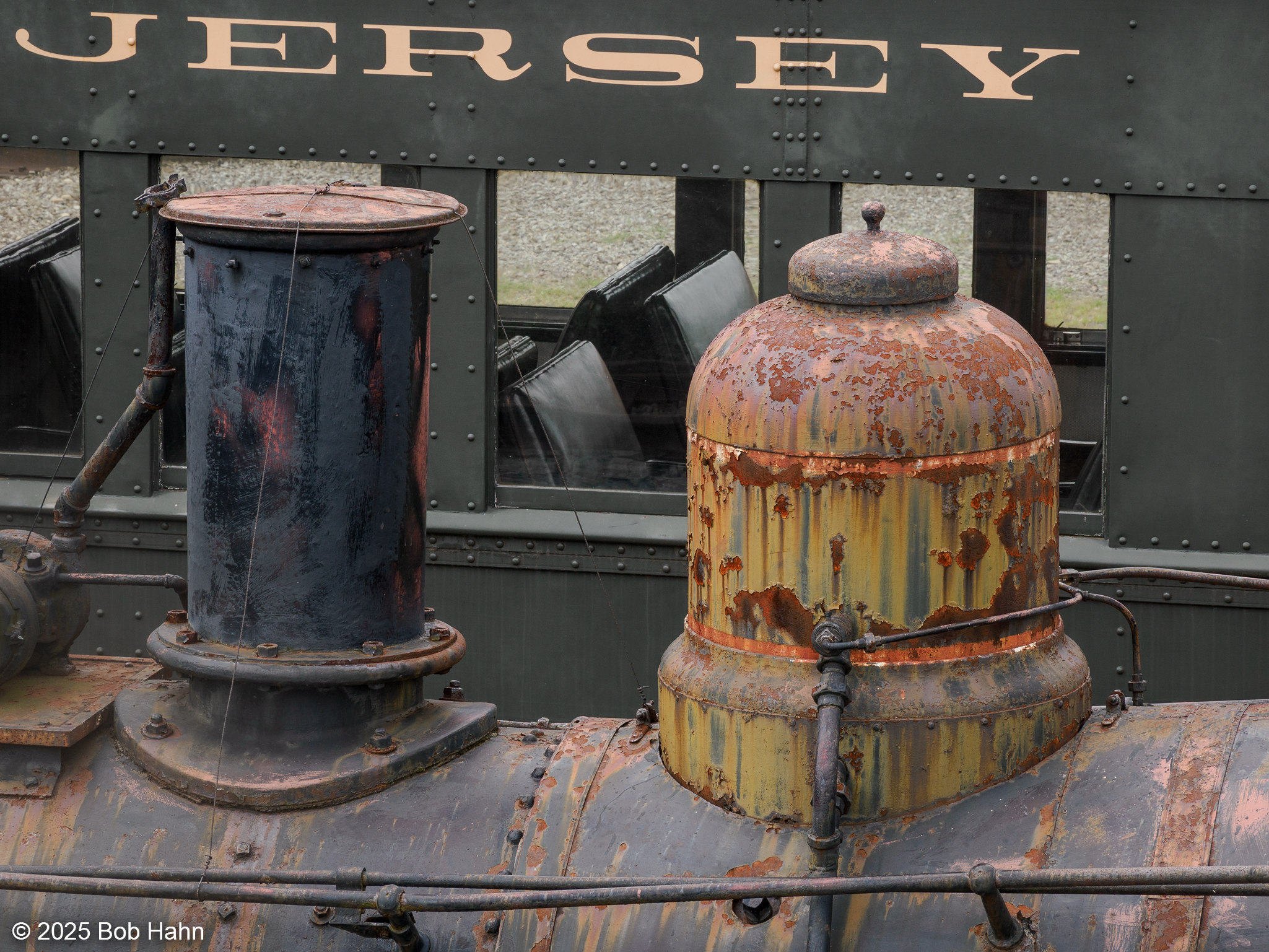
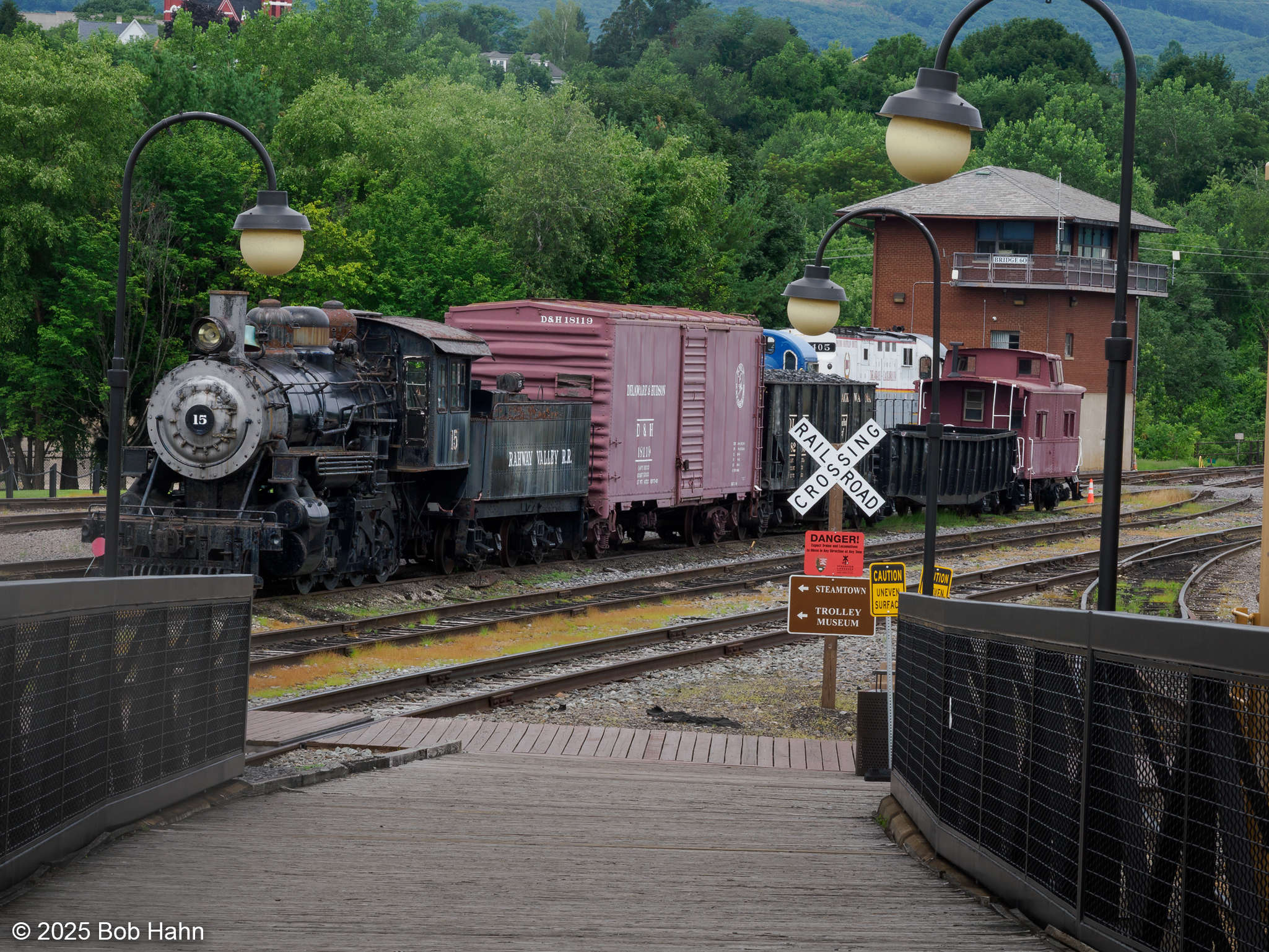
Steamtown NHS occupies about 40 acres of the Scranton railroad yard of the former Delaware, Lackawanna and Western Railroad, one of the earliest rail lines in northeastern Pennsylvania. At the heart of the park is the large collection of standard-gauge steam locomotives and freight and passenger cars that New England seafood processor F. Nelson Blount assembed in the 1950s and 1960s. In 1984, 17 years after Blount’s untimely death, the Steamtown Foundation for the Preservation of Steam and Railroad Americana, Inc., brought the collection to Scranton, where it occupied the former DL&W yard. When Steamtown National Historic Site was created, the yard and the collection became part of the National Park System.

The Steamtown Collection consists of locomotives, freight cars, passenger cars, and maintenance-of-way equipment from several historic railroads. The locomotives range in size from a tiny industrial switcher engine built in 1937 by the H.K. Porter Company for the Bullard Company, to a huge Union Pacific “Big Boy” built in 1941 by the American Locomotive Company (Alco). The oldest locomotive is a freight engine built by American Locomotive Company in 1903 for the Chicago Union Transfer Railway Company.

Dahlias

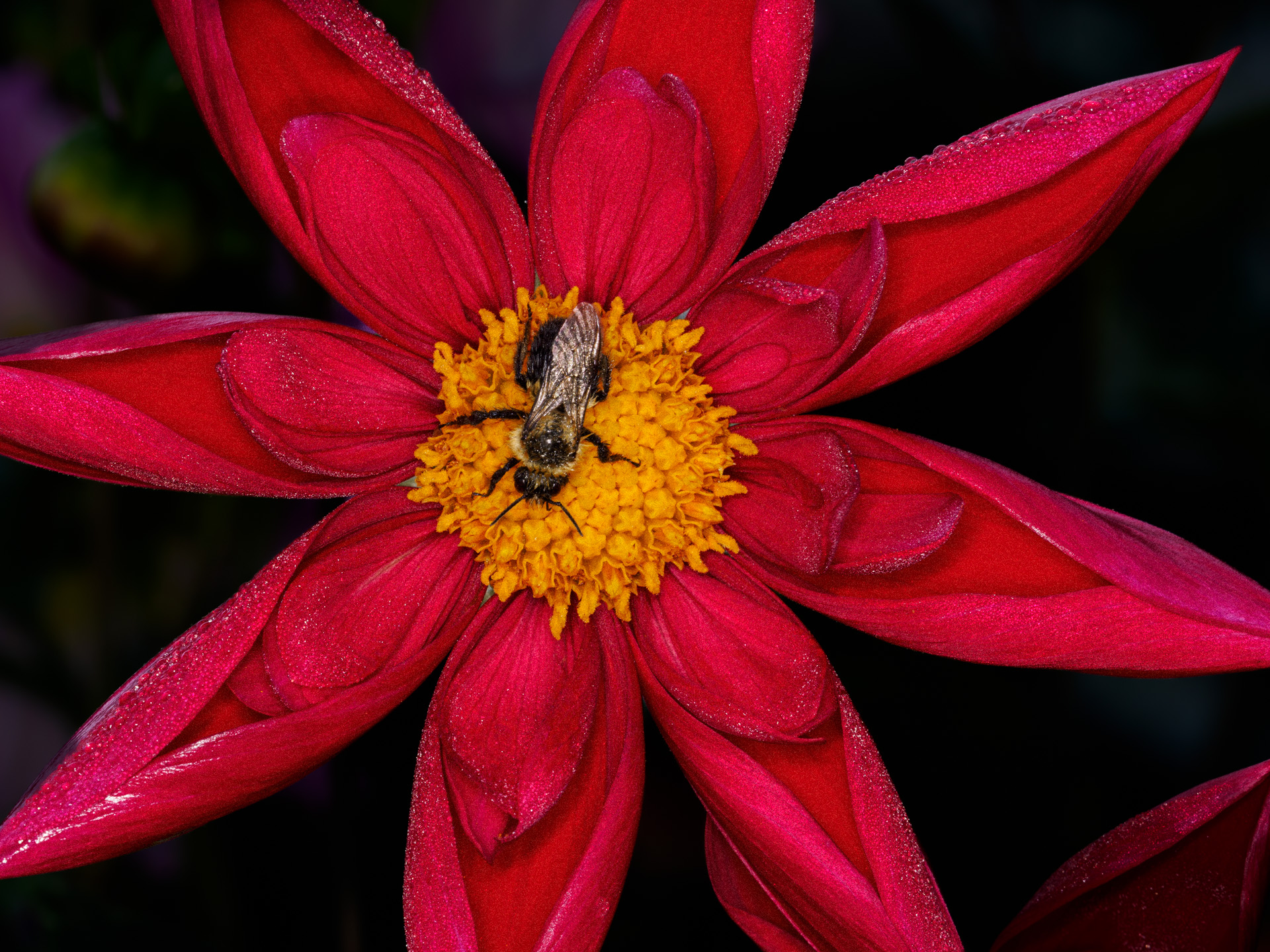
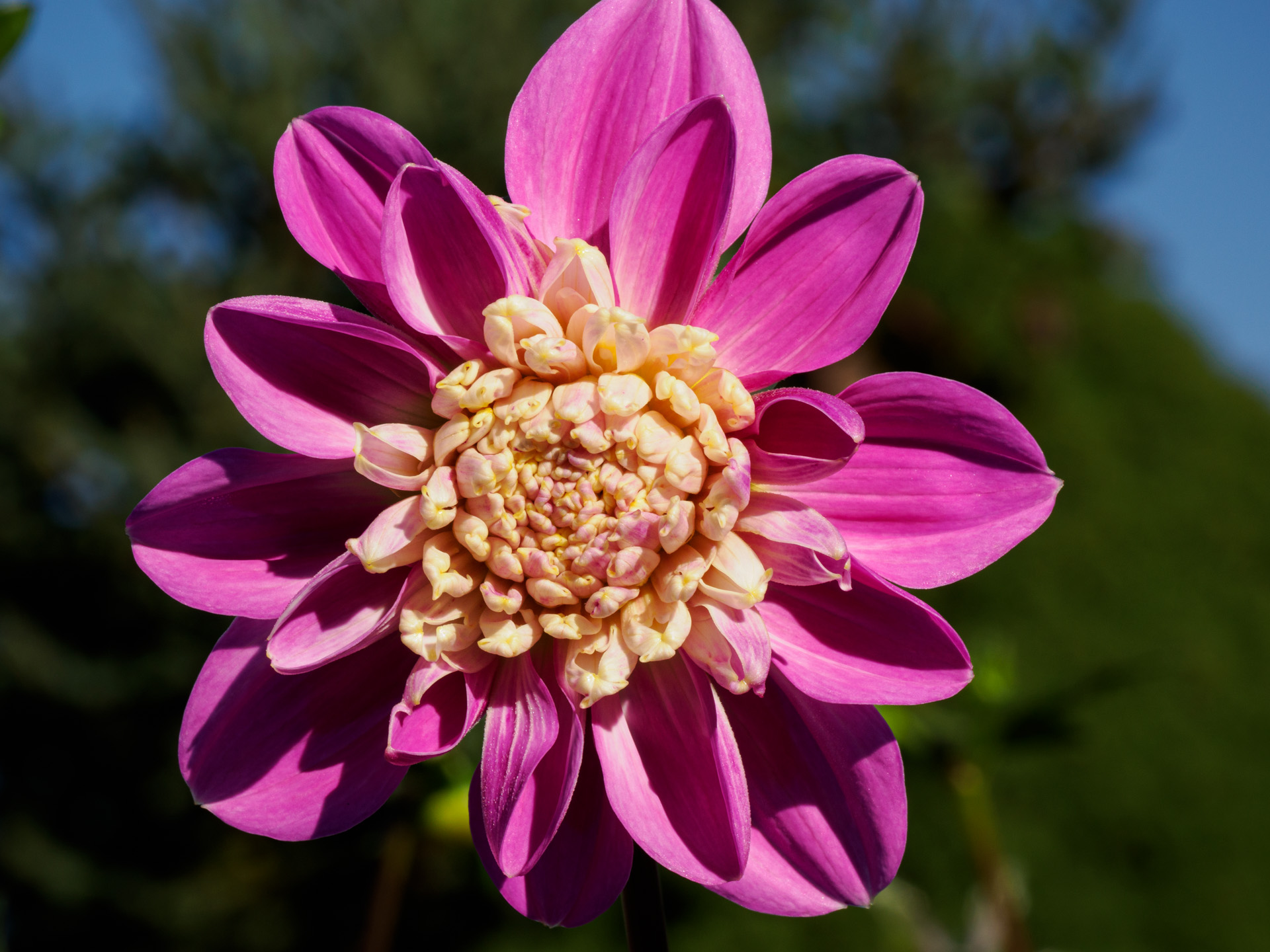
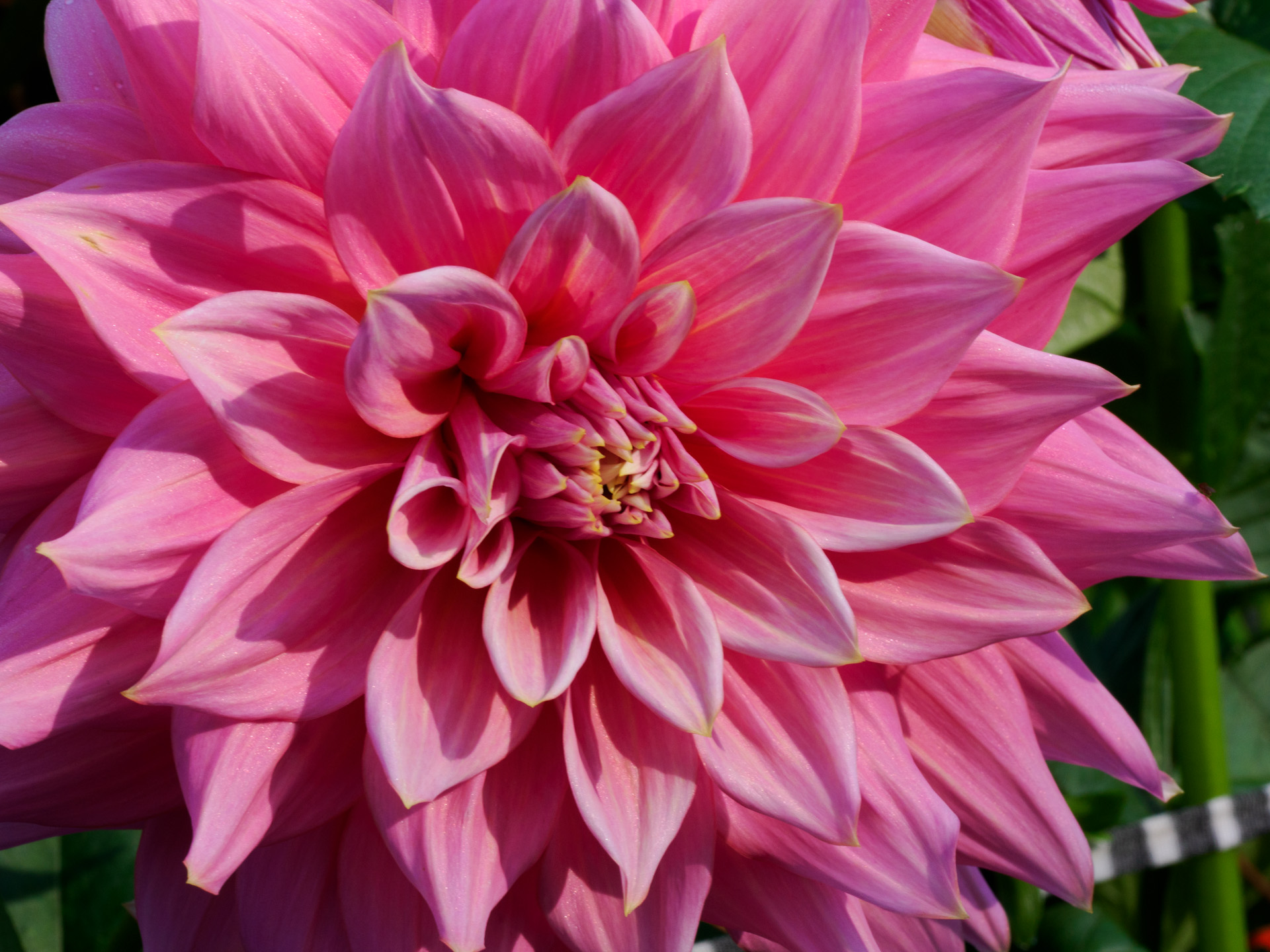
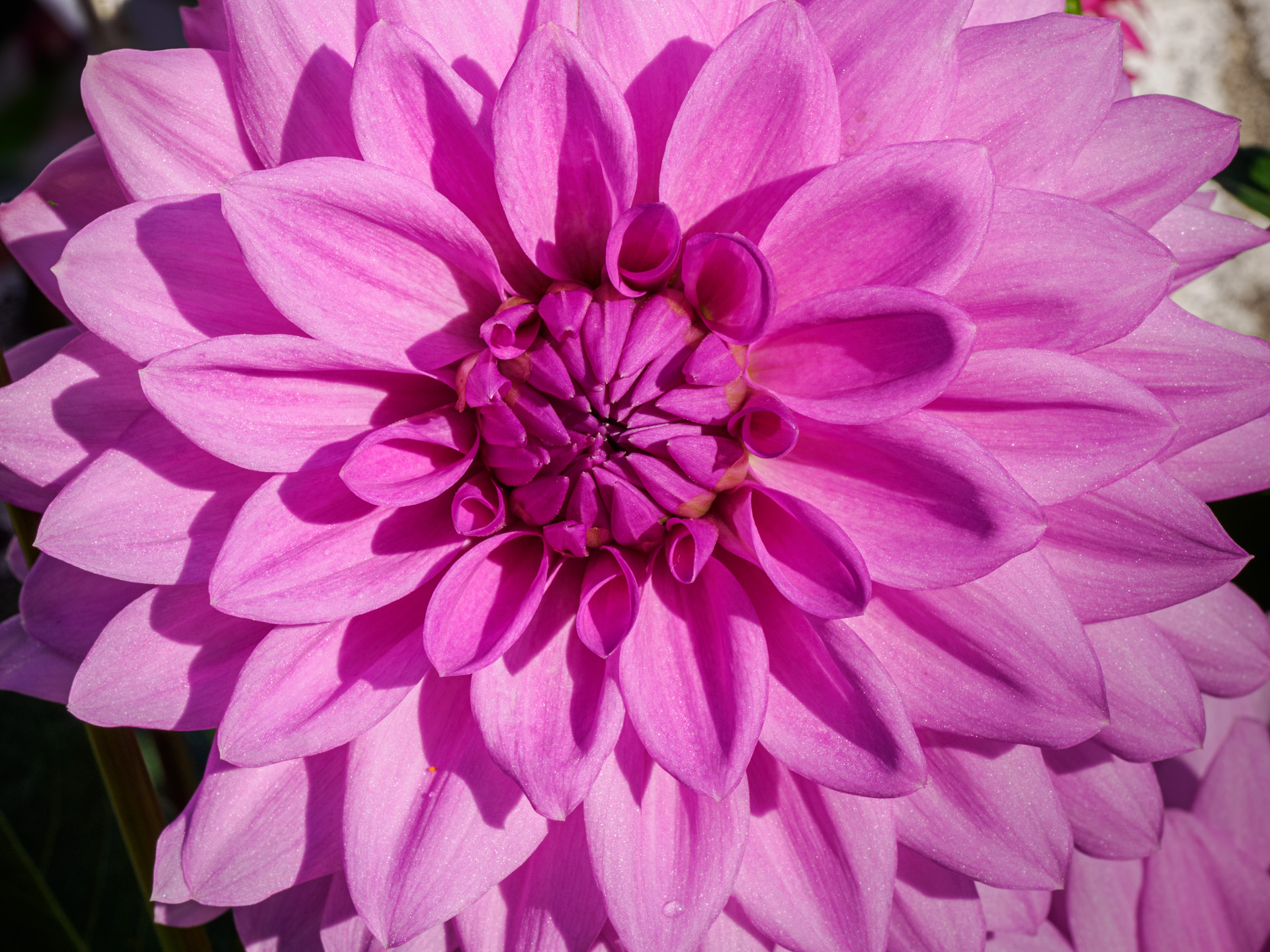
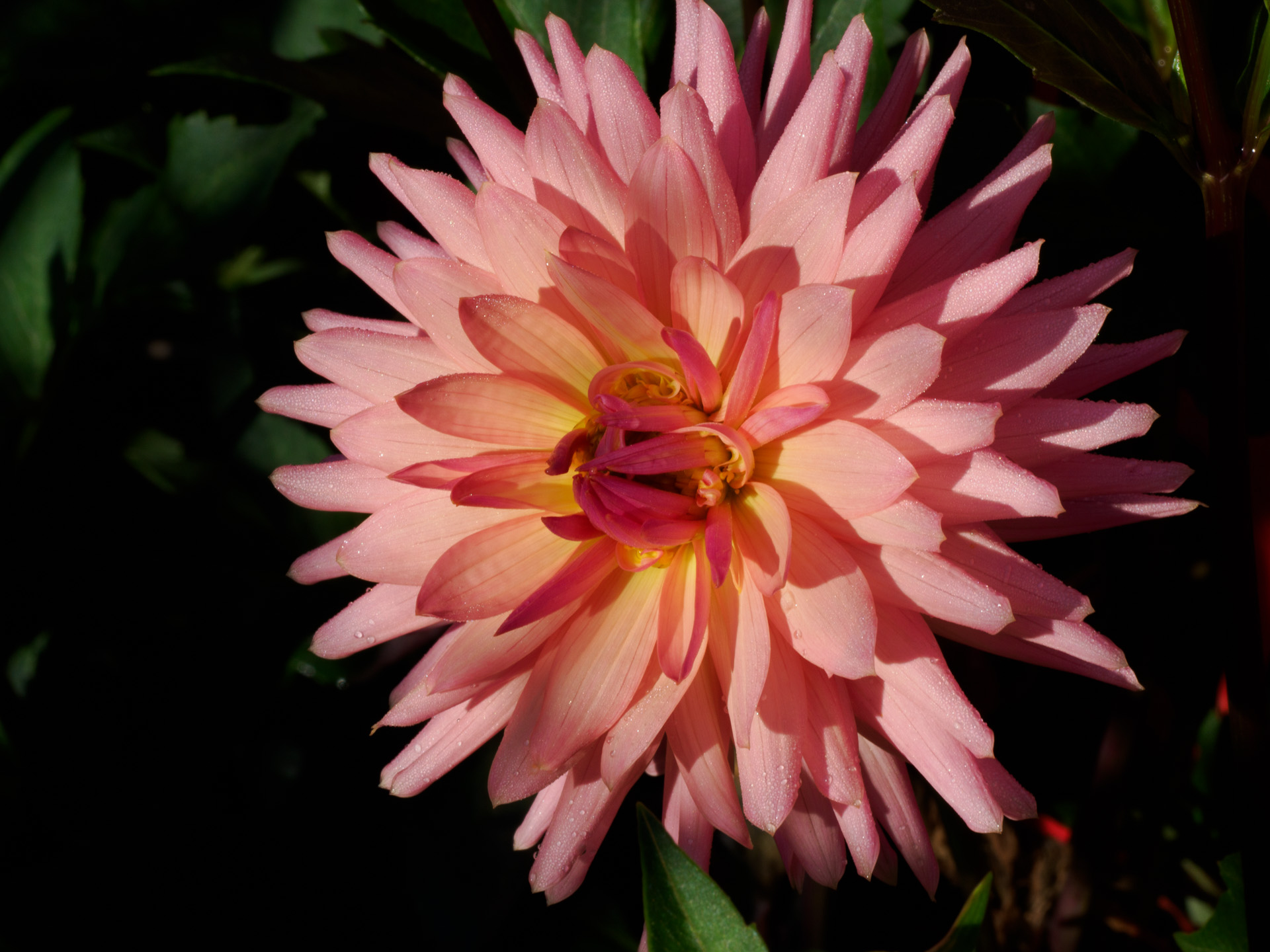
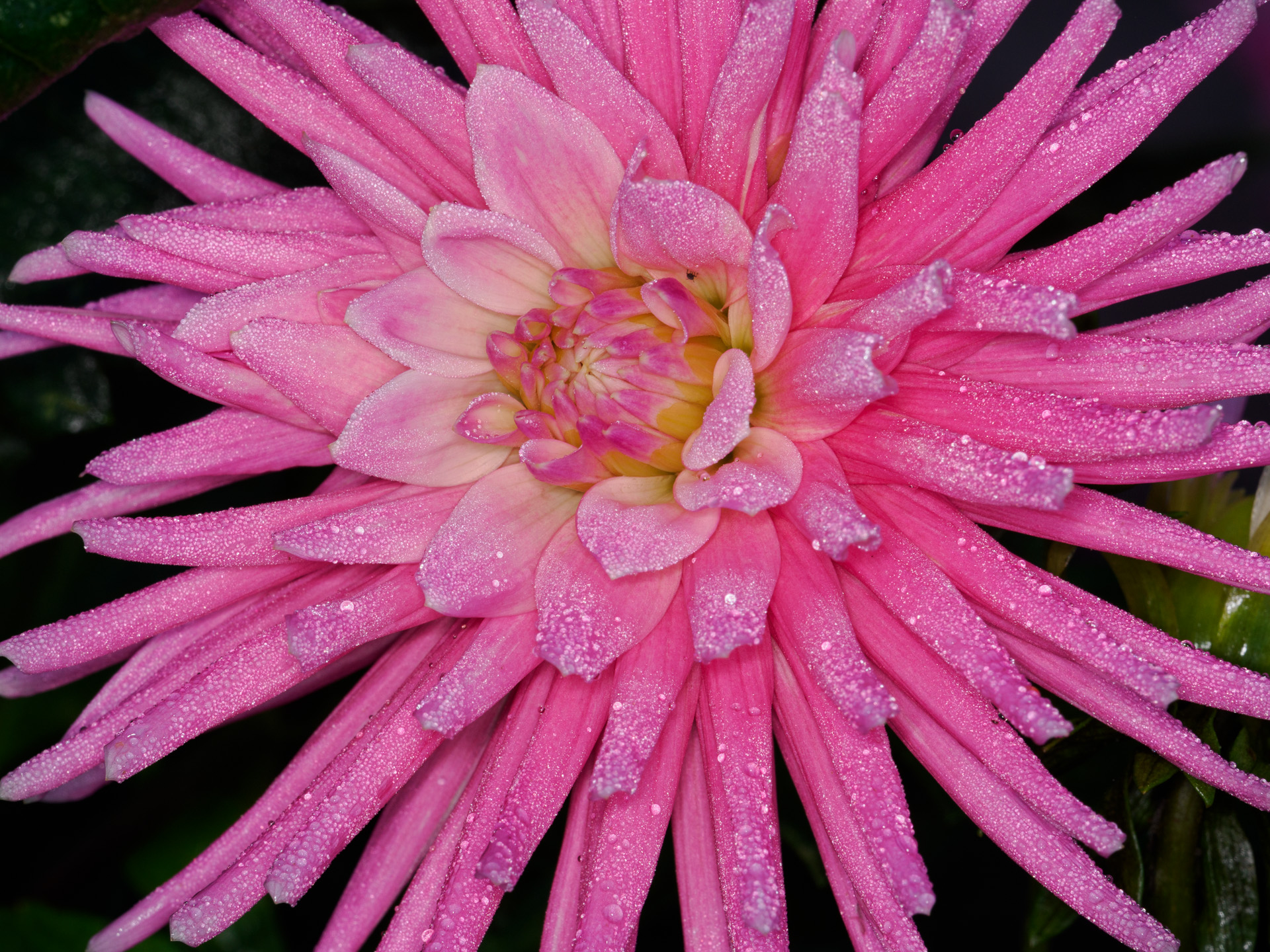
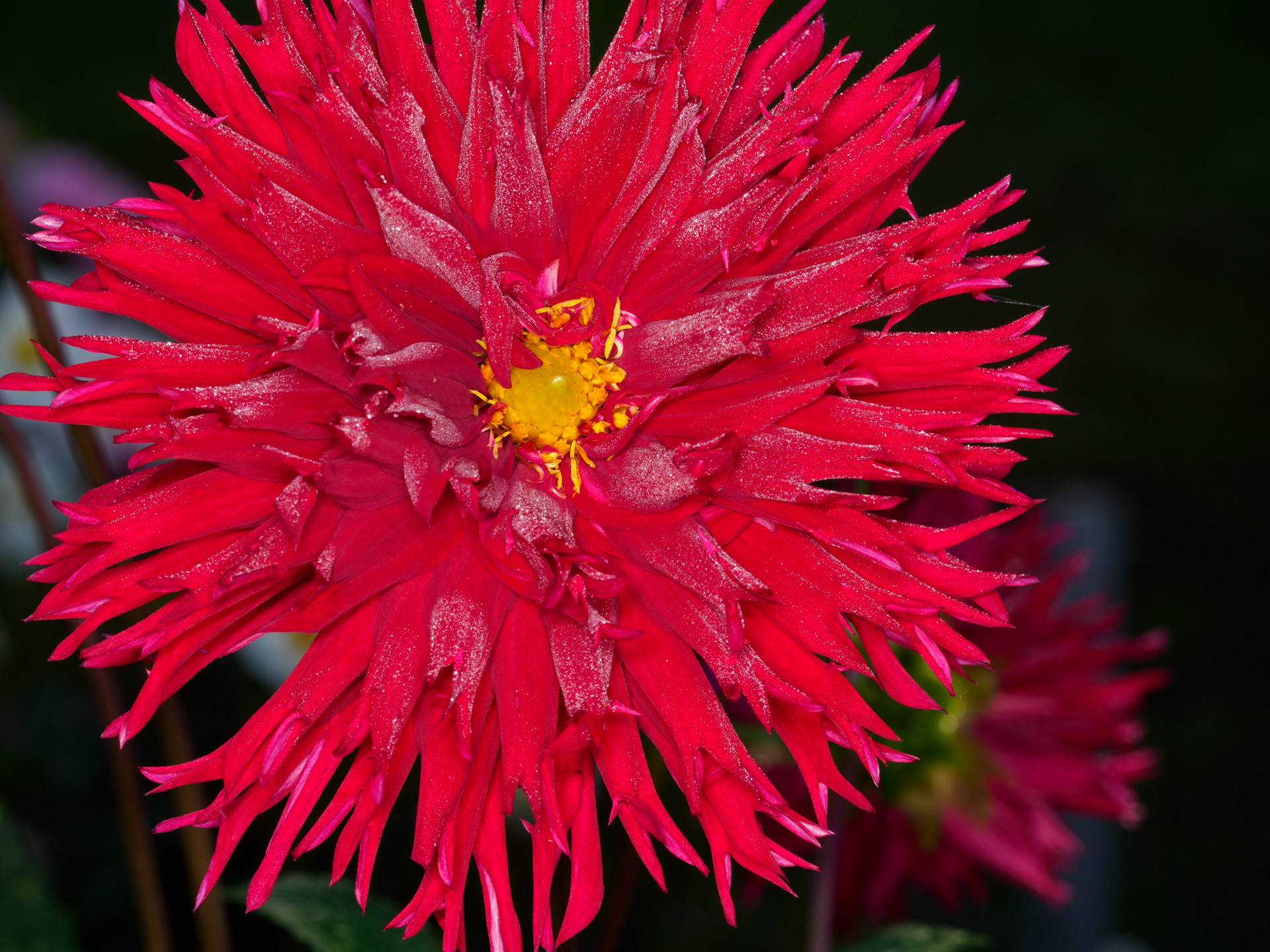
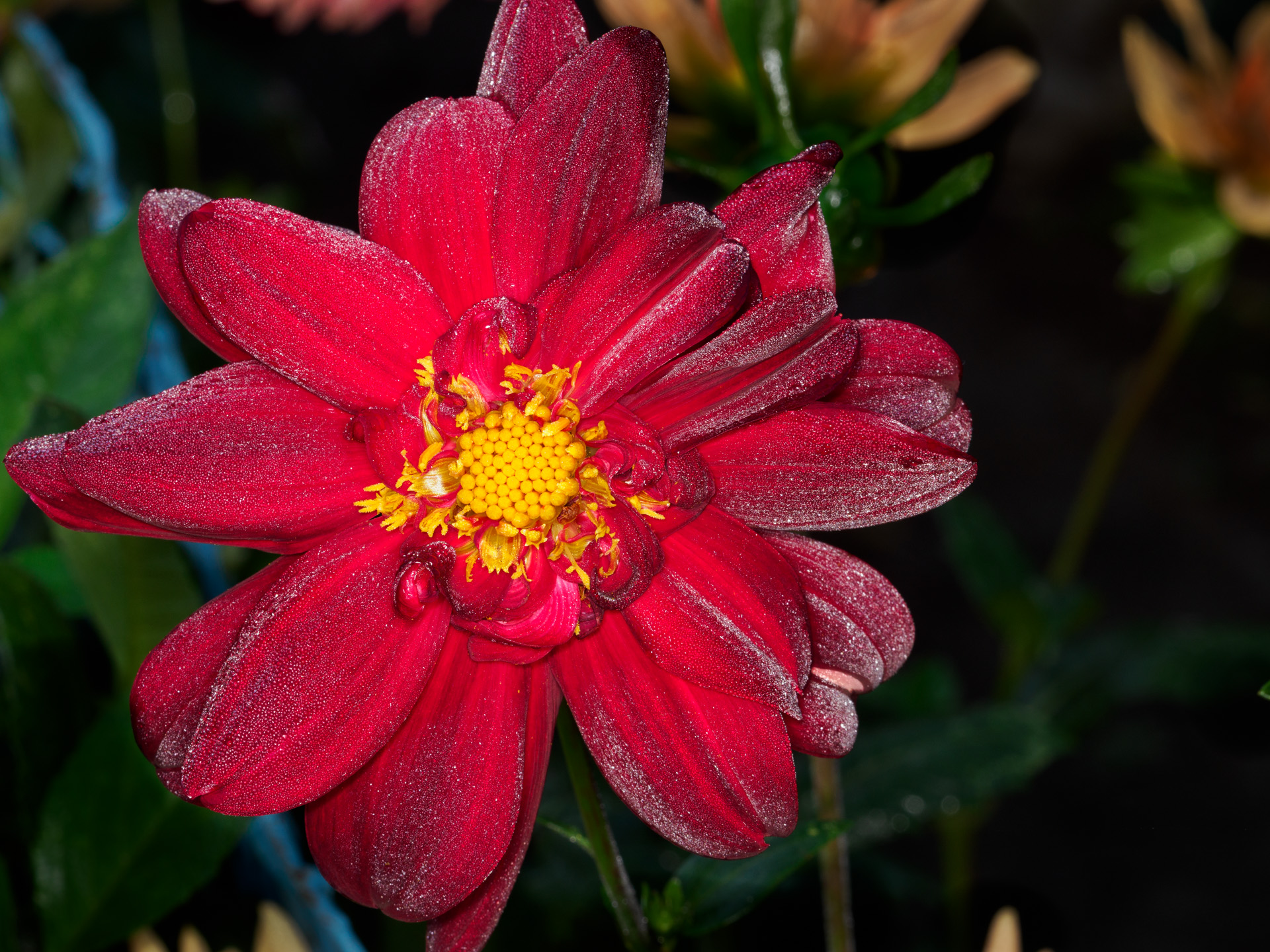
Dahlias are perennial plants with tuberous roots, though they are grown as annuals in some regions with cold winters. While some have herbaceous stems, others have stems that lignify in the absence of secondary tissue and resprout following winter dormancy, allowing further seasons of growth. As a member of the Asteraceae, the dahlia has a flower head that is a composite with both central disc florets and surrounding ray florets. Each floret is a flower in its own right but is often incorrectly described as a petal. The modern name Asteraceae refers to the appearance of a star with surrounding rays.

Photographs taken at Delightful Dahlias on Mockingbird Hill Road, Lower Saucon Township, PA. There are more than 100 varieties of dahlias bloom in four separate gardens spread across one-and-a-half acres 

What’s in Bob’s bag?

  • OM1 Mark ll
  • OM-D E-M1 Mark Ill
  • M.Zuiko 40-150mm F2.8 Pro
  • M.Zuiko ED 300mm F4.0 IS Pro
  • M.Zuiko Digital 1.4x Teleconverter MC-14
  • M.Zuiko Digital 2X Teleconverter MC-20
  • M.Zuiko 12-40mm F2.8 Pro
  • M.Zuiko 7-14mm F2.8 Pro
  • M.Zuiko ED 8mm F1.8 Fisheye Pro
  • M.Zuiko ED 12-100mm f4.0 IS Pro
  • M.Zuiko ED 45mm f/1.2
  • M.Zuiko ED 20mm f/1.4
  • M.Zuiko ED 60mm f2.8 Macro
  • M.Zuiko ED 20mm f/1.4 Pro
  • M.Zuiko ED 45mm f/1.2 Pro
  • Manfrotto MHXPRO-BHQ2 XPRO Ball Head
  • Manfrotto 265CB CF Tripod
  • Manfrotto 290 Carbon Fiber Monopod